Hybrid Tea Rose (Rosa X Hybrida)
The Hybrid tea rose, scientifically known as Rosa x hybrida, is a popular and widely cultivated garden rose variety. It is a cross between hybrid.
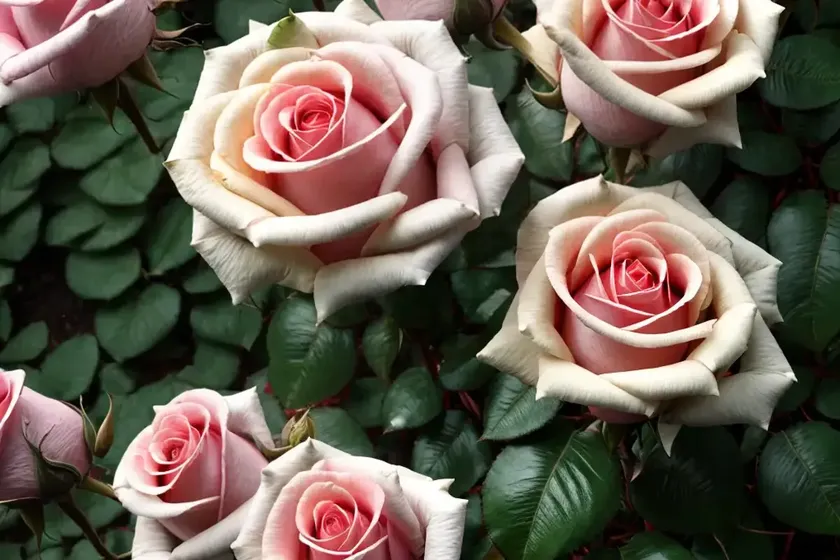
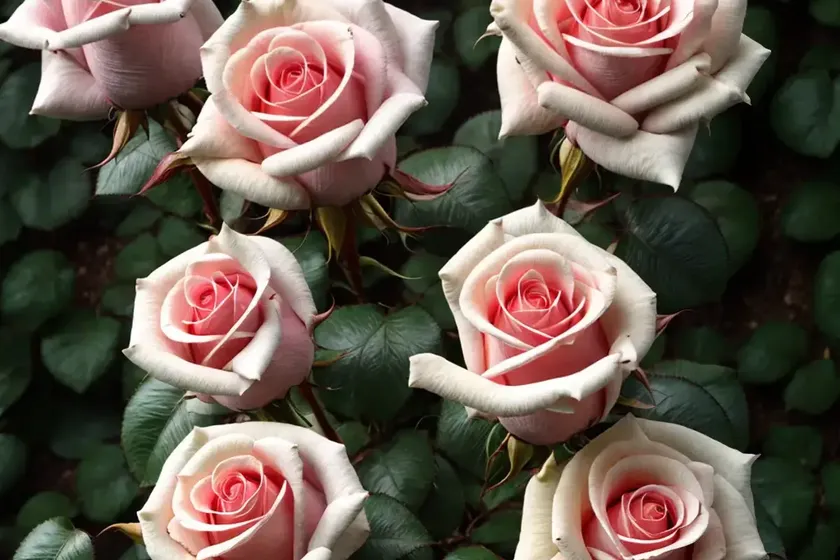
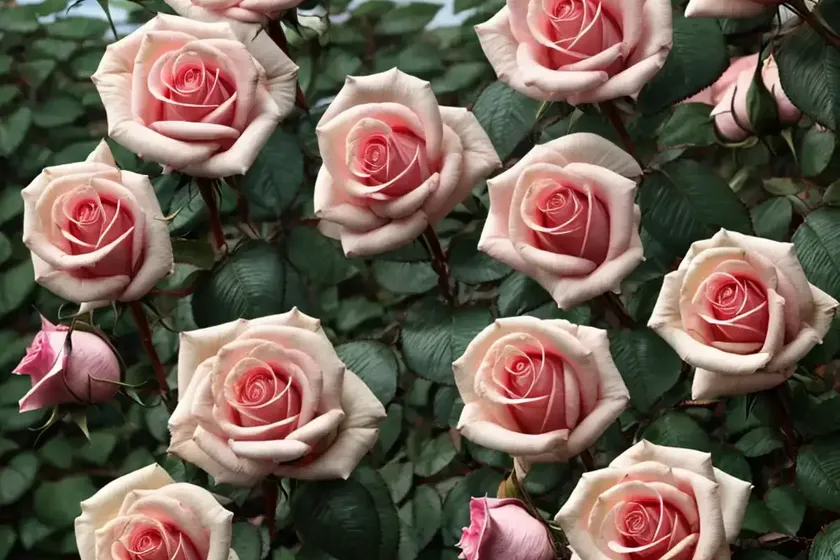
What is a Plant: Hybrid Tea Rose (Rosa x hybrida)
The Hybrid tea rose, scientifically known as Rosa x hybrida, is a popular and widely cultivated garden rose variety. It is a cross between hybrid perpetuals and old-fashioned tea roses, combining the desirable traits of both parent varieties. The hybrid tea rose is revered for its elegant, high-centered blooms, vibrant colors, and captivating fragrance. Its long, sturdy stems make it an excellent choice for cut flower arrangements, and it is a favorite among rose enthusiasts, florists, and gardeners alike.
Key Takeaways – Hybrid Tea Rose (Rosa x hybrida)
As we delve deeper into the world of hybrid tea roses, we’ll explore various aspects of their cultivation and care, including cultural needs, uses, watering requirements, sunlight preferences, fertilization, soil considerations, pruning techniques, propagation methods, container gardening, popularity, common diseases, pest management, and interesting tips and facts provided by botanists in the field.
Culture
Uses
Hybrid tea roses are incredibly versatile and serve multiple purposes in gardens and landscapes:
- Cut Flowers: Appreciated for their long stems and exquisite blooms, hybrid tea roses are frequently used in floral arrangements and bouquets.
- Garden Ornament: The vibrant colors and alluring fragrance of hybrid tea roses make them a stunning addition to any garden or landscape, adding charm and elegance to the surroundings.
- Medicinal Purposes: Some varieties of roses, including hybrid tea roses, are used in herbal medicine for their potential health benefits.
Water
Hybrid tea roses have moderate water needs and should be watered consistently to maintain healthy growth. The frequency of watering may vary depending on factors such as weather conditions, soil moisture levels, and the presence of mulch.
Sunlight
In terms of sunlight requirements, hybrid tea roses thrive in areas with full sun exposure, typically needing at least 6 to 8 hours of direct sunlight each day. Adequate sunlight is crucial for promoting robust growth and prolific flowering.
Fertilizer
To support their growth and blooming potential, hybrid tea roses benefit from regular fertilization. A balanced fertilizer with an NPK ratio of 10-10-10 or 20-20-20 can provide the essential nutrients required for healthy rose plants. Fertilization frequency and application rates may vary based on the specific fertilizer product and the age of the rose plants.
Soil
Hybrid tea roses flourish in well-draining, fertile soil with a slightly acidic to neutral pH level (pH 6.0 – 7.0). A loamy soil texture is ideal for promoting healthy root development and overall plant growth. Prior to planting, it is beneficial to amend the soil with organic matter such as compost or well-rotted manure to improve its structure and nutrient content.
Pruning
Pruning is a critical aspect of hybrid tea rose care, influencing the plant’s overall health, flowering capacity, and aesthetic appeal. Proper pruning techniques involve the removal of dead, diseased, or damaged wood, as well as the shaping of the plant to encourage new growth and abundant flowering.
Propagation
Hybrid tea roses can be propagated through various methods such as stem cuttings, grafting, and layering. Each method has its own set of requirements and techniques, allowing for the multiplication of desired rose varieties and the preservation of specific traits.
Container Gardening
Growing hybrid tea roses in containers is a popular practice, particularly for individuals with limited garden space or those seeking to showcase these beautiful roses on patios, balconies, or other outdoor living areas. Proper container selection, well-draining soil, adequate sunlight, and regular maintenance are essential for successful container gardening with hybrid tea roses.
Popularity
The popularity of hybrid tea roses arises from their captivating beauty, delightful fragrance, long-lasting cut flowers, and the wide array of colors and varieties available to enthusiasts and gardeners. Their enduring appeal has solidified their place as one of the most sought-after rose types in the horticultural world.
Common Diseases
Hybrid tea roses, like many other plants, are susceptible to certain diseases that can compromise their health and vitality. These diseases may include fungal infections, viral diseases, and bacterial blights, which can manifest in various forms such as powdery mildew, black spot, rust, and botrytis blight.
Disease Diagnosis
Early detection and accurate diagnosis of rose diseases are crucial for implementing timely and effective disease management strategies. Several visual symptoms and signs, such as leaf discoloration, wilting, deformities, and unusual growths, can indicate the presence of specific diseases in hybrid tea roses.
Common Pests
Rose plants, including hybrid tea roses, are often targeted by different pests such as aphids, thrips, spider mites, and rose chafers. These pests can cause damage to the foliage, buds, stems, and flowers, compromising the overall health and aesthetics of the rose plants.
Botanist’s Tips
Fun Facts
- The first hybrid tea rose, ‘La France’, was introduced in 1867 and is considered the prototype of modern hybrid tea roses.
- Hybrid tea roses are renowned for their exquisite fragrance, with some varieties emanating captivating scents ranging from fruity and spicy to citrusy and floral notes.
- There are thousands of hybrid tea rose cultivars available, featuring an extensive spectrum of colors, flower forms, and growth habits.
Links to External Resources
For more in-depth information about hybrid tea roses and their cultivation, care, and attributes, refer to the following authoritative resources:
- American Rose Society: https://www.rose.org/
- Royal Horticultural Society: https://www.rhs.org.uk/
- University of California Cooperative Extension: http://ucanr.edu/
In conclusion, hybrid tea roses are a timeless symbol of beauty and elegance, captivating the hearts and senses of admirers worldwide. With the right cultural practices, proper care, and attention to their specific needs, these exquisite roses can thrive and grace gardens, landscapes, and floral arrangements with their enchanting presence and remarkable charm.
As we continue to appreciate and cultivate hybrid tea roses, it is important to share and apply knowledge about their care, propagation, and disease management, ensuring their long-lasting splendor and significance in the world of horticulture and beyond.


