Hybrid Deadnettle (Lamium Hybridum)
Plants play a vital role in our environment and have been utilized for various purposes for centuries. One such plant that has garnered attention for its.
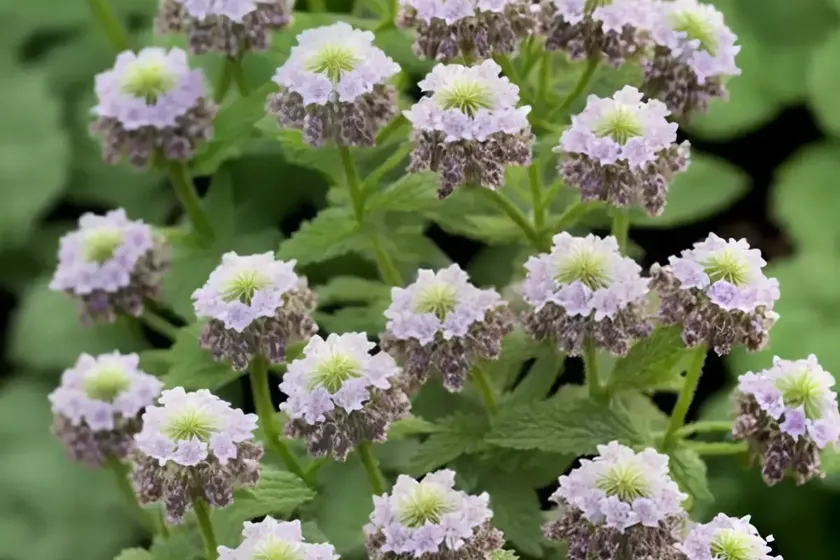
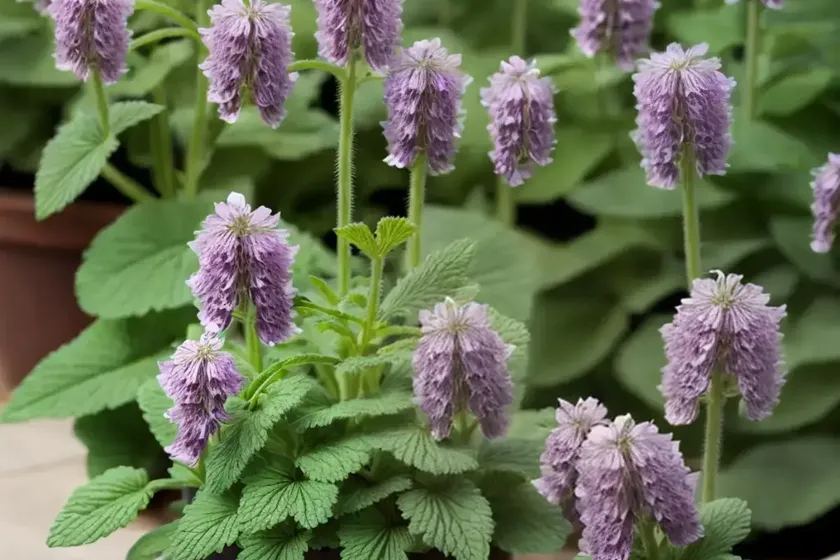
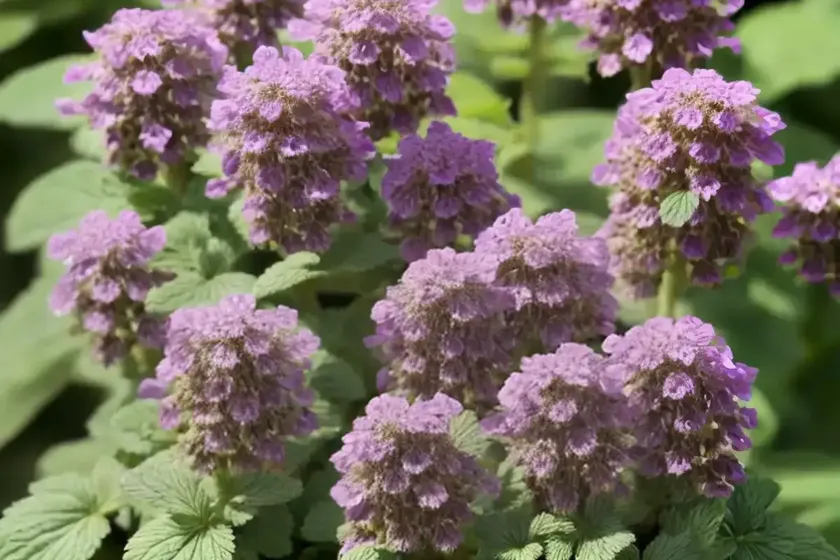
Plants play a vital role in our environment and have been utilized for various purposes for centuries. One such plant that has garnered attention for its ornamental and medicinal properties is the Hybrid Deadnettle (Lamium hybridum). As a plant scientist, I am fascinated by the diverse aspects of this plant, ranging from its cultivation and uses to its symbolism in traditional medicine and folklore. In this comprehensive guide, I will delve into the various facets of Hybrid Deadnettle, providing insights into its culture, uses, care requirements, and much more.
What is Hybrid Deadnettle (Lamium hybridum)?
Hybrid Deadnettle, scientifically known as Lamium hybridum, is a perennial plant that belongs to the Lamiaceae family. This species is native to Europe and is characterized by its attractive foliage and delicate flowers. Its common name, “Deadnettle,” is derived from the resemblance of its leaves to those of the stinging nettle (Urtica dioica) but without the stinging hairs, hence the term “dead.”
Key Takeaways
Let’s explore some key takeaways about Hybrid Deadnettle:
- Plant Name: Hybrid Deadnettle (Lamium hybridum)
- Plant Family: Lamiaceae
- Natural Habitat: Europe
- Leaves: Resemble those of stinging nettle
- Flowers: Delicate and ornamental
- Cultivation: Suitable for landscaping and ground cover
- Uses: Ornamental, medicinal, and culinary
- Sunlight: Thrives in partial to full shade
- Watering: Moderate watering requirements
- Soil: Well-drained, fertile soil
- Propagation: Easily propagated through seeds or division
- Diseases: Susceptible to certain fungal diseases
- Pests: Prone to aphid infestations
- Medicinal Uses: Respiratory health and anti-inflammatory properties
- Culinary Uses: Leaves used in traditional cuisine and herbal teas
- Folklore: Holds symbolism and mythological significance
Now that we have a general overview, let’s dive deeper into the culture and uses of Hybrid Deadnettle.
Culture of Hybrid Deadnettle
Cultivating Hybrid Deadnettle requires a balanced approach that considers its environmental needs. Understanding its requirements for water, sunlight, fertilizer, soil, and potential containers for growth is essential for successful cultivation.
Water
Hybrid Deadnettle thrives in moderately moist soil and does not tolerate waterlogged conditions. It is crucial to maintain consistent moisture levels, particularly during the plant’s active growth period. Infrequent, deep watering is generally recommended to encourage healthy root development.
Sunlight
This plant is well-suited for partial to full shade, making it an excellent choice for shaded garden areas. While it can tolerate some sun, it may exhibit signs of stress if exposed to intense, direct sunlight for prolonged periods. Therefore, providing a shaded environment is optimal for the vigorous growth of Hybrid Deadnettle.
Fertilizer
An organic, balanced fertilizer can be applied during the plant’s growing season to support healthy foliage and flower production. However, excessive fertilization should be avoided, as it may lead to lush growth that is more susceptible to certain diseases.
Soil
Hybrid Deadnettle thrives in well-drained, fertile soil with a slightly acidic to neutral pH. Amending the soil with organic matter, such as compost, can promote optimal growth and enhance the soil’s moisture retention and nutrient content.
Pruning
Pruning is essential to maintain the shape and vitality of Hybrid Deadnettle. Regular removal of spent flowers and overgrown or damaged foliage can encourage continuous blooming and prevent the plant from becoming unruly. Additionally, pruning helps improve air circulation around the plant, reducing the risk of fungal diseases.
Uses of Hybrid Deadnettle
The versatility of Hybrid Deadnettle extends beyond its ornamental value, as it has been prized for its various uses, including medicinal and culinary applications. Understanding its diverse uses can provide a holistic perspective on this plant’s significance.
Ornamental Uses
Hybrid Deadnettle’s attractive foliage and delicate flowers make it a popular choice for ornamental plantings. It is often utilized as a ground cover in shaded areas, where its spreading growth habit and colorful foliage can create visually appealing landscapes.
Medicinal Uses
In traditional medicine, Hybrid Deadnettle has been utilized for its potential medicinal properties. The plant is known for its anti-inflammatory and antimicrobial effects, and it has been used to promote respiratory health and aid in wound healing. Additionally, Hybrid Deadnettle is believed to possess anti-allergic properties and has been employed in natural remedies for skin conditions.
Culinary Uses
The leaves of Hybrid Deadnettle are edible and can be incorporated into various culinary creations. From herbal teas to culinary dishes, the plant’s leaves impart a subtle, earthy flavor that adds a unique dimension to recipes. Furthermore, the plant has been used in traditional cuisine and herbal remedies, reflecting its cultural significance in gastronomy and health practices.
Propagation and Container Cultivation
Hybrid Deadnettle can be easily propagated through seeds or division, making it a valuable addition to home gardens and landscapes. Furthermore, its adaptable nature allows for container cultivation, offering flexibility in gardening and landscaping endeavors.
Propagation
Propagating Hybrid Deadnettle via seeds or division can yield new plants for expanding gardens or sharing with fellow gardening enthusiasts. Seeds can be sown in well-prepared soil, and division of mature plants can result in multiple new specimens. The propagation process is relatively straightforward, making it accessible to both novice and experienced gardeners.
Container Cultivation
Hybrid Deadnettle is well-suited for container gardening, particularly in areas where ground planting may be limited. The plant’s vibrant foliage and charming blooms can enhance the visual appeal of outdoor containers, providing a versatile option for adding greenery to patios, balconies, or other outdoor spaces.
Popularity in Container Gardening
The adaptability of Hybrid Deadnettle to container cultivation has contributed to its popularity among gardening enthusiasts. Its low maintenance requirements and ornamental value make it an attractive choice for those seeking to incorporate greenery into compact living spaces.
Common Diseases and Pests
Like many plants, Hybrid Deadnettle is susceptible to certain diseases and pest infestations that can affect its overall health and appearance. Understanding these potential challenges is essential for effective plant management and care.
Disease Diagnosis
Hybrid Deadnettle may be prone to fungal diseases, such as powdery mildew and leaf spot, particularly in conditions of high humidity or poor air circulation. Regular monitoring for signs of disease, such as discolored or distorted foliage, can aid in early diagnosis and prompt intervention.
Common Pests
Aphids are among the common pests that may affect Hybrid Deadnettle, feeding on the plant’s tender growth and potentially transmitting viral diseases. Taking proactive measures, such as regular inspection and insect control methods, can help mitigate pest pressures and protect the plant’s vitality.
Botanist’s Tips for Hybrid Deadnettle Care
As a plant scientist, I often emphasize the significance of tailored care practices to optimize plant health and vigor. Here are some botanist’s tips for the successful cultivation of Hybrid Deadnettle:
- Maintain Adequate Moisture: Consistent, moderate watering is crucial for ensuring the plant’s hydration and overall well-being.
- Provide Partial to Full Shade: Create an environment with filtered sunlight or partial shade to accommodate the plant’s preferences and support robust growth.
- Monitor for Diseases and Pests: Regularly inspect the plant for signs of diseases and pest infestations, intervening promptly if any issues are identified.
- Prune Appropriately: Engage in regular pruning to remove spent flowers and maintain the plant’s desired shape, promoting healthy growth and continuous blooming.
- Consider Container Cultivation: Explore the use of containers for growing Hybrid Deadnettle, especially in settings where ground planting may be limited, such as urban environments.
Fun Facts About Hybrid Deadnettle
Knowledge about the lesser-known aspects of Hybrid Deadnettle can deepen our appreciation for this remarkable plant. Here are some intriguing fun facts:
- The leaves of Hybrid Deadnettle resemble those of the stinging nettle, but they do not possess the stinging hairs that can cause discomfort.
- Hybrid Deadnettle is widely recognized for its role as a ground cover in shaded gardens, where its spreading habit and colorful foliage create visually striking landscapes.
- In traditional medicine and folklore, Hybrid Deadnettle holds significance for its potential medicinal properties and symbolism, reflecting cultural beliefs and practices.
- The plant’s adaptability to container gardening has contributed to its popularity among gardening enthusiasts, offering opportunities for versatile outdoor arrangements.
Links to External Resources
To further expand your knowledge and appreciation for Hybrid Deadnettle, consider exploring the following external resources:
- Royal Horticultural Society – Lamium hybridum
- Plants For A Future – Lamium hybridum
- Missouri Botanical Garden – Lamium hybridum
- The Herb Society of America – Lamium hybridum
- American Botanical Council – Lamium spp.
- Plants Journal – Lamium hybridum
- Horticulture Week – Growing Lamium
By delving into these resources, you can gain profound insights into the botanical, horticultural, and cultural aspects of Hybrid Deadnettle.
In conclusion, Hybrid Deadnettle (Lamium hybridum) is a captivating plant that encompasses ornamental, medicinal, and culinary significance. As a plant scientist, I find the diverse uses and cultural symbolism associated with this species to be inherently fascinating. Through careful cultivation and appreciation of its unique characteristics, Hybrid Deadnettle can enrich gardens, landscapes, and our understanding of traditional practices and folklore.
I hope this comprehensive guide has provided valuable insights and inspiration for incorporating Hybrid Deadnettle into your gardening endeavors, while fostering a deeper appreciation for its cultural and botanical significance.
Remember, as you embark on your journey with Hybrid Deadnettle, it’s essential to embrace the joy of nurturing and discovering the wonders of this remarkable plant. Happy gardening!
References
- Royal Horticultural Society. (n.d.). Lamium hybridum. https://www.rhs.org.uk/plants/17874/lamium-hybridum/details
- Plants For A Future. (n.d.). Lamium hybridum. https://pfaf.org/user/Plant.aspx?LatinName=Lamium+hybridum
- Missouri Botanical Garden. (n.d.). Lamium hybridum. http://www.missouribotanicalgarden.org/PlantFinder/PlantFinderDetails.aspx?taxonid=304089
- The Herb Society of America. (n.d.). Lamium hybridum. https://www.herbsociety.org/herbs/articles/2016/herb-of-the-month-april/
- American Botanical Council. (n.d.). Lamium spp. https://www.herbalgram.org/resources/herbalgram/herbalgram-125-july-september-2019/lamium/
- Plants Journal. (n.d.). Lamium hybridum. https://www.sciencedirect.com/topics/agricultural-and-biological-sciences/lamium-hybridum
- Horticulture Week. (n.d.). “Growing Lamium.” https://www.hortweek.com/growing-advice-lamium/article/1663922


