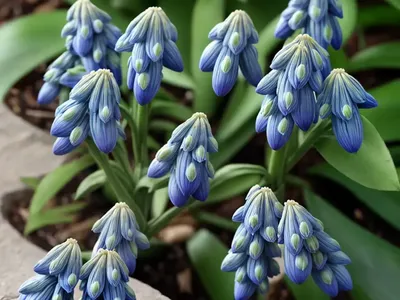
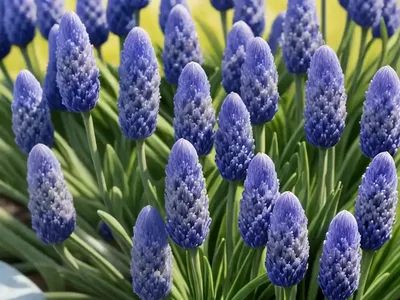
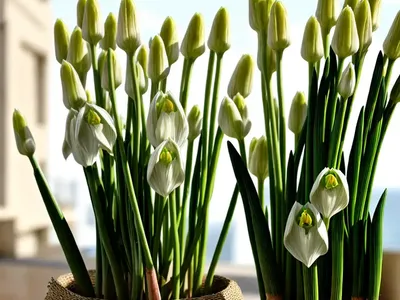
Hyacinth (Hyacinthus Orientalis)
The hyacinth (Hyacinthus orientalis) is a stunning spring-blooming flower that has been cherished for centuries due to its vibrant colors and sweet.
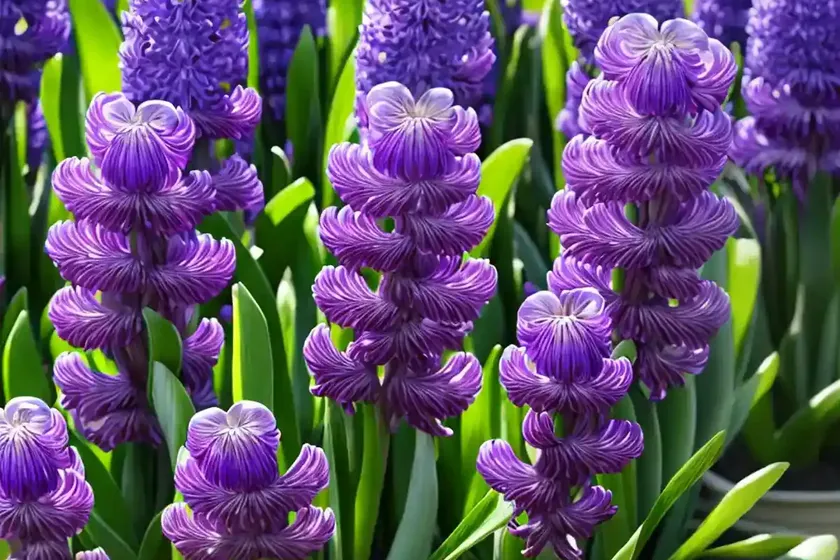
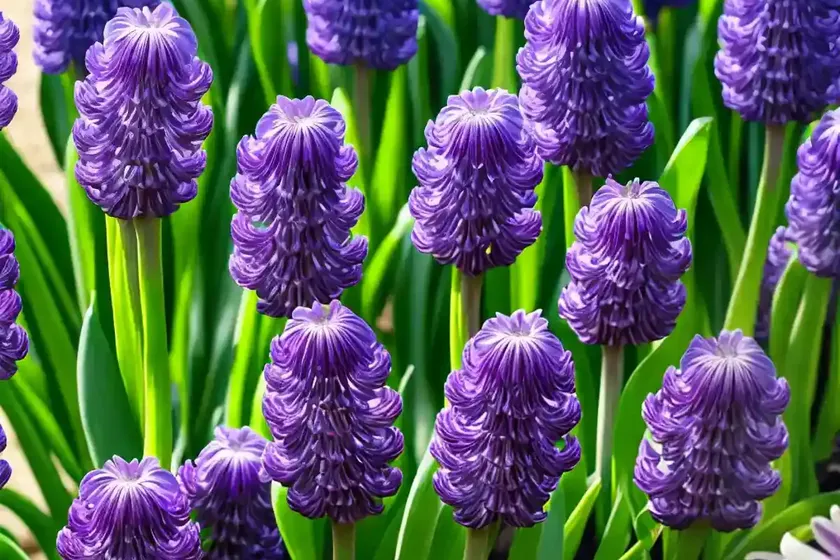
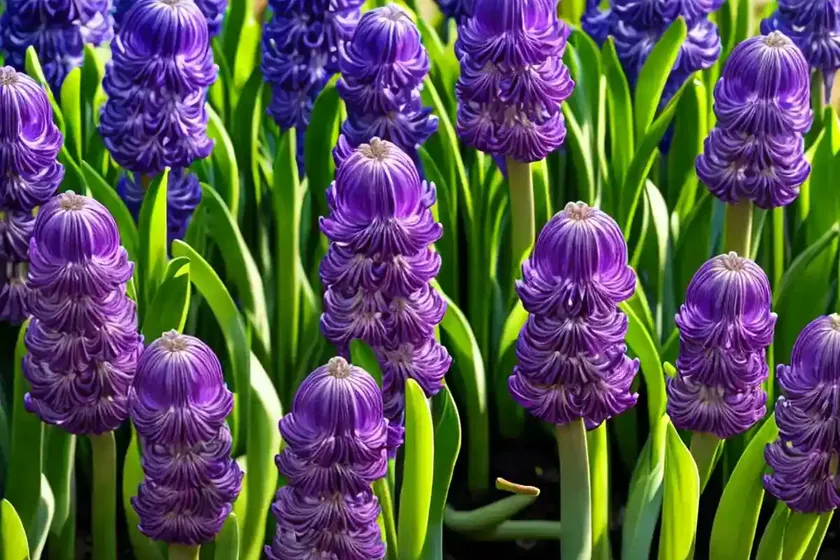
The hyacinth (Hyacinthus orientalis) is a stunning spring-blooming flower that has been cherished for centuries due to its vibrant colors and sweet fragrance. This plant has captivated gardeners and flower enthusiasts with its beauty, making it a popular choice for gardens and indoor cultivation. In this comprehensive guide, we will delve into the various aspects of the hyacinth, including its cultural significance, uses, care requirements, and gardening tips.
What is the Hyacinth (Hyacinthus orientalis)?
The Hyacinth (Hyacinthus orientalis) is a bulbous plant belonging to the Asparagaceae family. Native to the eastern Mediterranean region and western Asia, it is a quintessential spring flower known for its dense, conical clusters of intensely fragrant, star-shaped flowers. The flower spikes come in an array of captivating colors including purple, pink, white, and blue. This perennial plant is prized for its exquisite blooms and delightful aroma, making it a sought-after addition to gardens and floral displays.
Key Takeaways – Hyacinth (Hyacinthus orientalis)
- Hyacinthus orientalis varieties:
-
There are numerous cultivated varieties of Hyacinthus orientalis, each offering unique flower colors and shapes.
-
Hyacinth flowers:
-
Hyacinth flowers are characterized by their dense, cylindrical spikes of small, fragrant, bell-shaped blossoms.
-
Spring-blooming hyacinth:
-
The Hyacinthus orientalis typically blooms in the spring, adding a burst of color and fragrance to the garden landscape.
-
Fragrant hyacinth:
-
Renowned for its strong, sweet fragrance, the hyacinth is a favorite choice for perfuming gardens and indoor spaces.
-
Hyacinth care tips:
-
Proper care, including adequate water, sunlight, and appropriate soil conditions, is essential for the successful cultivation of hyacinths.
-
Growing hyacinth indoors:
-
Hyacinths can be grown indoors in containers to brighten up living spaces and infuse them with a delightful aroma.
-
Hyacinth gardening:
-
Gardening enthusiasts can benefit from learning about the best practices for cultivating and caring for hyacinths in outdoor settings.
-
Hyacinth bulb planting:
-
Understanding the correct techniques for planting hyacinth bulbs is crucial for ensuring healthy growth and abundant blooms.
-
Hyacinth propagation methods:
-
Propagation methods such as bulb division and seed germination can be employed to proliferate hyacinth plants.
-
Hyacinth cultivation guide:
- A comprehensive guide on cultivation practices, including soil preferences, watering, and fertilization, helps in successful hyacinth growth.
-
Hyacinth landscape ideas:
- Incorporating hyacinths into landscape designs can enhance the visual appeal of gardens and outdoor spaces.
-
Hyacinth planting techniques:
- Mastering the art of planting hyacinth bulbs and seeds is essential for establishing healthy plants and prolific blooms.
-
Hyacinth pest control:
- Identifying and addressing common pests that affect hyacinths is crucial for maintaining plant health and vigor.
-
Hyacinth diseases:
- Understanding the diseases that can afflict hyacinths enables gardeners to implement preventative measures and treatments.
-
Hyacinth color variations:
- The diverse color options of hyacinth flowers offer gardeners the opportunity to create captivating floral displays.
-
Naturalizing hyacinths:
- Naturalizing hyacinths allows for a more organic and wild appearance in outdoor settings, enhancing the overall aesthetic.
-
Hyacinth container gardening:
- Utilizing containers for hyacinth cultivation is an excellent option for individuals with limited outdoor space.
-
Hyacinth bloom time:
- Knowing the typical bloom time of hyacinths helps in planning and orchestrating garden displays for maximum impact.
-
Hyacinth companion plants:
- Selecting suitable companion plants to grow alongside hyacinths can create visually appealing and harmonious garden arrangements.
-
Hyacinth water requirements:
- Understanding the specific water needs of hyacinths is essential for maintaining optimal soil moisture levels.
-
Hyacinth soil preferences:
- Tailoring soil conditions to meet the preferences of hyacinths ensures healthy growth and vibrant blooms.
-
Hyacinth fragrance intensity:
- Different varieties of hyacinths exhibit varying fragrance intensities, adding an olfactory dimension to garden landscapes.
-
Hyacinth floral arrangements:
- Incorporating hyacinths into floral arrangements and bouquets infuses them with color, fragrance, and elegance.
-
Hyacinth flower symbolism:
- Exploring the symbolism associated with hyacinth flowers adds depth and meaning to their cultivation and display.
-
Hyacinth medicinal uses:
- Historically, hyacinths have been associated with medicinal properties, contributing to their cultural significance.
-
Hyacinth folklore and myths:
- Delving into the folklore and myths surrounding hyacinths provides insights into their cultural and historical importance.
-
Hyacinth perennial or annual:
- Understanding the lifespan of hyacinth plants facilitates long-term garden planning and maintenance.
-
Hyacinth decorative uses:
- Hyacinths can be used decoratively in various settings, including weddings, festivals, and interior decor.
-
Hyacinth landscaping ideas:
- Incorporating hyacinths into landscaping projects offers creative opportunities for enhancing outdoor spaces.
-
Hyacinth historical background:
- Exploring the historical background of hyacinths sheds light on their evolution and cultural significance.
-
Hyacinth plant lifespan:
- Knowing the typical lifespan of hyacinth plants aids in garden planning and management.
-
Hyacinth flower anatomy:
- Understanding the intricate anatomy of hyacinth flowers enhances appreciation for their beauty and complexity.
-
Hyacinth sunlight needs:
- Adhering to the specific sunlight requirements of hyacinths is critical for their overall health and vigor.
-
Hyacinth garden design:
- Designing garden layouts that feature hyacinths requires careful consideration of spatial arrangements and aesthetic appeal.
-
Hyacinth bloom colors:
- The array of bloom colors available in hyacinths presents endless opportunities for creative garden displays.
-
Hyacinth winter care:
- Providing appropriate care for hyacinths during the winter months ensures their survival and thriving in subsequent seasons.
-
Hyacinth natural habitat:
- Understanding the natural habitat of hyacinths provides insights into their environmental preferences and adaptations.
-
Hyacinth indoor display ideas:
- Hyacinths can be showcased indoors in imaginative displays that accentuate their beauty and fragrance.
-
Hyacinth fragrance varieties:
- Exploring the diversity of fragrance varieties among hyacinths adds an additional sensory dimension to their appeal.
-
Hyacinth nutrition requirements:
- Furnishing hyacinths with adequate nutrients supports their growth and enhances the quality of their blooms.
-
Hyacinth water drainage tips:
- Ensuring proper water drainage is essential for preventing waterlogged soil, which can be detrimental to hyacinth health.
-
Hyacinth container size suggestions:
- Selecting suitable container sizes for hyacinth cultivation is pivotal for accommodating their growth and development.
-
Hyacinth plant family information:
- Understanding the family to which hyacinths belong sheds light on their botanical relationships and characteristics.
-
Hyacinth seasonal care:
- Tailoring care practices to the seasonal requirements of hyacinths promotes their overall well-being and vitality.
-
Hyacinth pest-repelling properties:
- Utilizing hyacinths for their pest-repelling qualities contributes to integrated pest management strategies in gardens.
-
Hyacinth spring garden inspiration:
- Embracing hyacinths as a source of inspiration for spring gardens enriches the visual and sensory experiences they offer.
-
Hyacinth disease prevention:
- Adopting proactive measures for disease prevention is essential for safeguarding the health and vigor of hyacinth plants.
-
Hyacinth root structure:
- Gaining insights into the root structure of hyacinths provides an understanding of their anchorage and nutrient absorption.
-
Hyacinth traditional uses:
- Exploring the traditional uses of hyacinths in various cultures and practices illuminates their cultural significance.
-
Hyacinth winter storage tips:
- Proper winter storage practices ensure the preservation and vitality of hyacinth bulbs for subsequent growth cycles.
Culture
The hyacinth holds a rich cultural significance and profound symbolism, stemming from ancient mythology and historical narratives. Revered for its beauty and fragrance, the hyacinth has been celebrated in various art forms and cultural rituals. Its cultural resonance continues to endure in contemporary society, where it captivates admirers with its enchanting presence and timeless allure.
Symbolism and Cultural Significance
The hyacinth has been associated with numerous symbolic meanings and cultural connotations throughout history. In ancient Greek mythology, the hyacinth is linked to the figure of Hyacinthus, a handsome youth beloved by the god Apollo. The tragic story of Hyacinthus’s death and the blooming of the hyacinth from his spilled blood imbued the flower with themes of mourning, rebirth, and the fleeting nature of life.
In addition to its mythological significance, the hyacinth has been symbolically linked to themes of sincerity, constancy, and rebirth in various cultural contexts. It has been depicted in literature, art, and folklore as a symbol of beauty and the transient nature of existence. The vibrant colors and heady fragrance of hyacinths have made them a favored subject in poetry, paintings, and symbolic representations, embodying sentiments of love, renewal, and remembrance.
Use in Art and Literature
The captivating beauty and intoxicating aroma of hyacinths have inspired artists, writers, and poets across diverse cultural traditions. From depictions in classical paintings to mentions in romantic poetry, hyacinths have been perennial muses for creative expressions. Their visual appeal and evocative scent have been recognized as potent sources of artistic inspiration, capturing the imagination and senses of beholders and readers alike.
In addition to their artistic portrayal, hyacinths have permeated literature and folklore, often embodying themes of love, longing, and immortality. Their presence in literary works and folkloric narratives has contributed to their enduring appeal and cultural resonance, establishing them as enduring symbols of beauty, elegance, and emotional depth.
Uses
The hyacinth serves a multitude of uses, extending beyond its ornamental value to encompass medicinal, aromatic, and decorative applications. Its versatile characteristics and aromatic allure render it a cherished resource in various domains, enriching both outdoor environments and indoor settings with its visual splendor and fragrant presence.
Ornamental Use
The primary use of hyacinths is for ornamental purposes, celebrated for their vibrant flowers and captivating fragrance. Hyacinths are widely cultivated for their aesthetic appeal, imparting bursts of color and perfume to gardens, landscapes, and floral displays. Their visual impact and olfactory charm make them favorite choices for adorning outdoor spaces, beautifying indoor settings, and creating enchanting floral arrangements.
The diverse color variations and aromatic intensity of hyacinth blooms render them indispensable components of garden designs, event decorations, and horticultural exhibitions. Whether grown en masse in garden beds, displayed in elegant vases, or incorporated into floral compositions, hyacinths imbue their surroundings with a sense of grace, charm, and natural allure.
Medicinal and Aromatic Uses
Historically, hyacinths have been associated with medicinal applications, particularly in traditional herbal practices. The bulbous part of the hyacinth plant has been utilized in herbal medicine for its purported therapeutic properties, attributed to its aromatic compounds and potential health benefits. Although modern scientific research on the medicinal efficacy of hyacinths is limited, historical sources have documented their use in remedies for respiratory ailments, digestive discomfort, and fragrant formulations.
The intoxicating scent of hyacinths has also found appreciation in aromatherapy and perfumery, where it is embraced for its sweet and floral fragrance. The essential oils extracted from hyacinth blooms and bulbs have been utilized in crafting perfumes, scented candles, and aromatic blends, infusing living spaces with a sense of luxury, tranquility, and natural beauty.
Decorative and Symbolic Uses
In addition to their ornamental and aromatic roles, hyacinths are revered for their symbolic connotations and decorative applications. Their association with themes of love, remembrance, and renewal makes them popular components of celebratory occasions, such as weddings, romantic events, and festive gatherings. Hyacinths are often incorporated into floral decorations, bouquets, and symbolic arrangements, where they evoke sentiments of affection, purity, and emotional significance.
The pronounced symbolism and visual appeal of hyacinths have also made them prominent features in cultural customs, religious ceremonies, and commemorative tributes. Their presence in rituals, festivals, and commemorations is emblematic of their capacity to convey sentiments of reverence, nostalgia, and appreciation, signifying their enduring relevance in diverse cultural and social contexts.
Care
Successfully cultivating hyacinths requires careful attention to their specific cultural requirements, encompassing considerations related to water, sunlight, fertilizer, soil, pruning, propagation, and container cultivation. By adhering to optimal care practices, gardeners can ensure the robust growth, prolific blooms, and enduring vitality of their hyacinth plants, enhancing their ornamental value and horticultural appeal.
Water
Adequate water management is crucial for maintaining the health and vigor of hyacinth plants, as it directly influences their growth, flowering, and overall vitality. Hyacinths exhibit specific water requirements that should be carefully observed to prevent water stress, promote root health, and stimulate robust blooming.
Watering Guidelines
-
Established Hyacinth Plants: During the growing season, it is essential to water hyacinth plants consistently, ensuring that the soil remains consistently moist but not waterlogged. Gradually reduce watering frequency as the foliage begins to yellow and wither, signaling the onset of dormancy.
-
Container-Grown Hyacinths: When cultivating hyacinths in containers, regular monitoring of soil moisture levels is imperative to prevent under or overwatering, both of which can adversely affect plant health. Maintain adequate drainage to prevent waterlogging, and adjust watering frequency according to environmental conditions and plant requirements.
Watering Tips
-
Mulch Application: Applying a layer of organic mulch around hyacinth plants helps in retaining soil moisture, moderating temperature fluctuations, and suppressing weed growth. This practice assists in conserving water and promoting a conducive root environment for the plants.
-
Avoid Overhead Watering: When irrigating hyacinths, it is advisable to water the soil directly at the base of the plants, avoiding wetting the foliage excessively. This practice helps in preventing foliar diseases and minimizing water loss through evaporation.
-
Water Quality: Using clean, non-chlorinated water for irrigating hyacinths is preferred, as it reduces the risk of salt accumulation in the soil and minimizes potential harm to plant roots. Rainwater or distilled water can be suitable alternatives for hyacinth irrigation.
Sunlight
The sunlight requirements of hyacinths play a pivotal role in determining their growth, flowering, and overall performance. Adequate exposure to sunlight is essential for stimulating robust blooming and maintaining the health and vigor of hyacinth plants, influencing their aesthetic appeal and horticultural value.
Sunlight Needs
-
Optimal Sun Exposure: Hyacinths thrive in locations that receive ample sunlight, ideally exposed to at least 6-8 hours of direct sunlight daily. Positioning hyacinth plants in sun-drenched areas ensures the development of sturdy stems, vibrant flowers, and balanced foliage growth.
-
Shade Considerations: While hyacinths require abundant sunlight for prolific flowering, they can benefit from partial shade, especially in regions with intense heat and sunlight. Careful monitoring of sunlight exposure helps in preventing leaf scorch and excessive heat stress on plants.
Sunlight Management
-
Site Selection: When planting hyacinth bulbs or situating container-grown hyacinths, choose sites that offer a balance of sun exposure and shade, taking into account regional climatic conditions and micro-environmental factors. This practice contributes to the optimal development of hyacinth plants.
-
Seasonal Light Variations: During the growing season, closely observe any changes in sunlight patterns, especially with emerging foliage and flower formation. Make necessary adjustments to the positioning of hyacinth plants to ensure consistent and suitable light exposure throughout their growth cycle.
-
Supplemental Lighting: In situations where natural sunlight is limited, supplementary artificial lighting such as grow lights or fluorescent fixtures can be utilized to augment the light requirements of hyacinth plants. This practice enables year-round cultivation and ensures robust growth and flowering.
Fertilizer
Appropriate fertilization is crucial for supporting the nutrient needs of hyacinth plants, enhancing their growth, blooming, and overall vitality. Selecting suitable fertilizers, following proper application techniques, and timing fertilizer regimens in accordance with plant growth stages are essential for achieving optimal results in hyacinth cultivation.
Fertilization Practices
-
Pre-Planting Fertilization: Prior to planting hyacinth bulbs, prepare the soil by incorporating a balanced, slow-release fertilizer or organic compost to provide essential nutrients for initial plant establishment and root development.
-
Seasonal Fertilization: During the active growing phase, nourish hyacinth plants with a water-soluble, low-nitrogen fertilizer formulation, enriched with phosphorus and potassium to support flowering and bulb development. Apply fertilizer every 2-3 weeks during the growing season.
-
Post-Blooming Nourishment: After the blooming period, continue fertilizing hyacinth plants with a phosphorus-rich fertilizer to promote bulb maturation and replenish nutrient reserves for the subsequent growth cycle.
Fertilizer Tips
-
Avoid Excessive Nitrogen: Limiting the nitrogen content in fertilizers for hyacinths is crucial, as excessive nitrogen can promote excessive foliage growth at the expense of flower production and bulb development.
-
Even Distribution: When applying fertilizers, ensure an even distribution across the soil surface to facilitate uniform nutrient uptake by the plant roots and prevent localized nutrient imbalances.
-
Watering After Fertilization: Following fertilizer application, thoroughly water the soil to facilitate the dissolution and absorption of nutrients, promoting their assimilation by the hyacinth plants.
Soil
Understanding the soil preferences of hyacinth plants is essential for creating an optimal growing environment that supports their root development, nutrient uptake, and overall performance. Tailoring soil conditions to meet the specific needs of hyacinths contributes to their robust growth, vigorous flowering, and sustained vitality.
Soil Quality
-
Well-Draining Soil: Hyacinths thrive in well-draining soil that prevents waterlogging and facilitates adequate aeration to the root zone. Incorporating organic matter such as compost or peat moss improves soil structure and promotes proper drainage.
-
Fertile Soil: Hyacinths prefer fertile, nutrient-rich soil that provides essential elements for robust growth and blooming. Amending the soil with a balanced fertilizer or organic nutrients prior to planting enhances