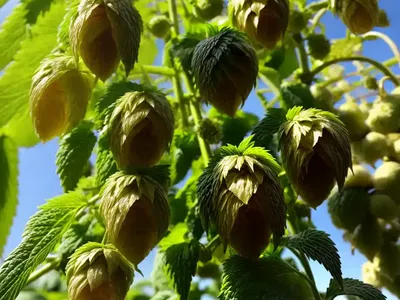
Humulus Lupulus ‘Aureus’ (Common Hop)
Humulus lupulus, commonly known as hops, is a species of flowering plant in the Cannabaceae family. The ‘Aureus’ variety of Humulus lupulus is particularly.
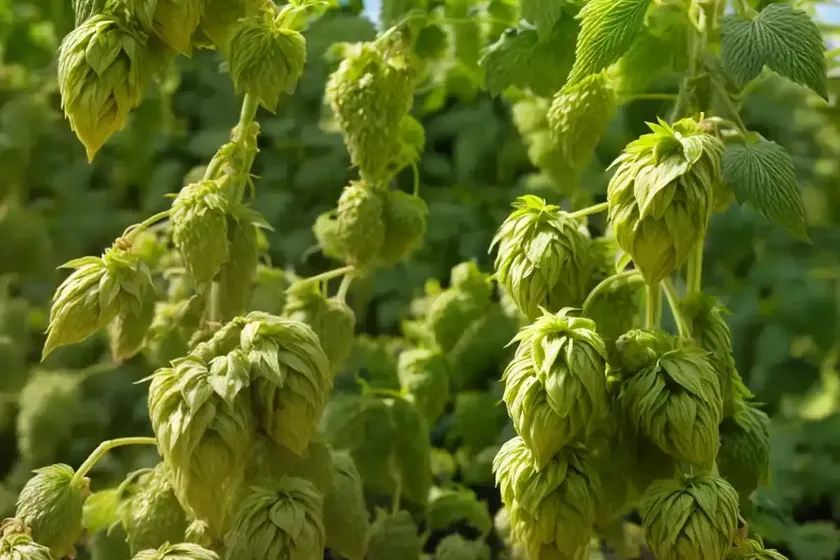
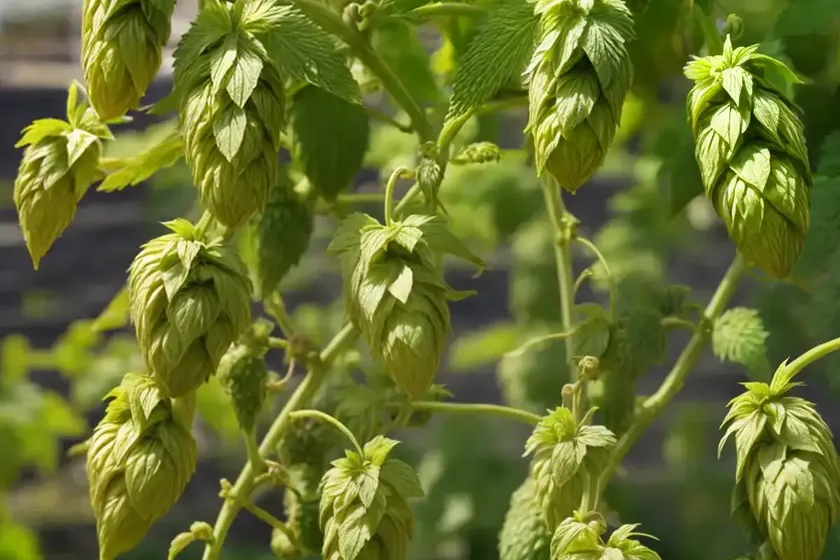
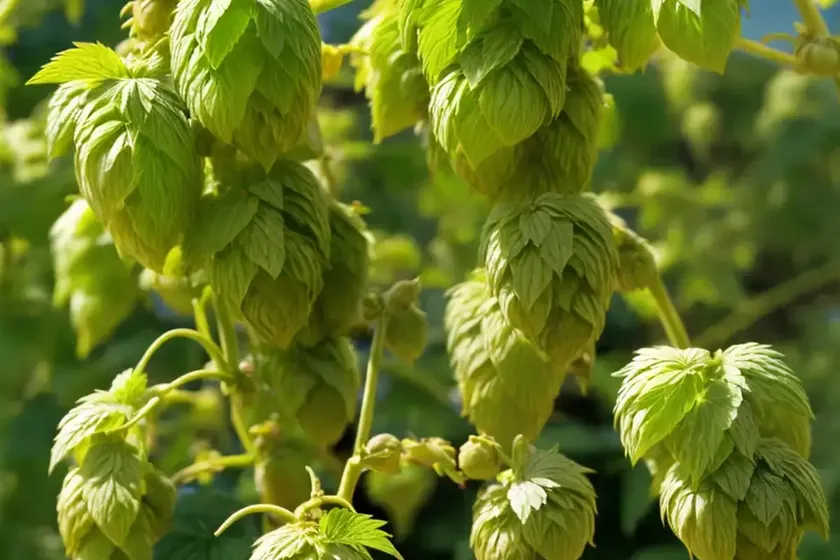
Humulus lupulus, commonly known as hops, is a species of flowering plant in the Cannabaceae family. The ‘Aureus’ variety of Humulus lupulus is particularly celebrated for its stunning golden foliage, making it a sought-after addition to gardens and landscapes. In this comprehensive guide, we will delve into the various aspects of cultivating and caring for Humulus lupulus ‘Aureus’, exploring its characteristics, uses, cultivation tips, maintenance requirements, and much more.
What is Humulus lupulus ‘Aureus’?
Humulus lupulus ‘Aureus’, also known as Golden Hop, is a perennial vine renowned for its vibrant, golden-yellow foliage. It is a vigorous climber, capable of reaching heights of 15 to 20 feet when provided with adequate support. This variety is prized for its ornamental value, particularly for the bright color it adds to gardens and landscapes. Native to China and Japan, it has become popular in garden settings across the world for its striking aesthetic appeal.
Key Takeaways – Humulus lupulus ‘Aureus’
Let’s begin by exploring the key takeaways associated with the cultivation and care of Humulus lupulus ‘Aureus’.
- Characteristics: The ‘Aureus’ variety of Humulus lupulus is distinguished by its stunning golden foliage, making it a visually captivating addition to gardens and landscapes.
- Cultivation Tips: When cultivating Humulus lupulus ‘Aureus’, it is important to provide the appropriate sunlight, water, soil, and care to ensure optimal growth and development.
- Uses and Benefits: While admired for its ornamental appeal, Humulus lupulus ‘Aureus’ also offers practical uses, with its foliage being utilized in brewing and its potential benefits for wildlife.
- Propagation and Maintenance: Understanding the propagation methods and maintenance requirements is essential for promoting the health and longevity of Humulus lupulus ‘Aureus’ plants.
Now, let’s delve deeper into each of these aspects to gain a comprehensive understanding of the characteristics, cultivation, uses, and maintenance of Humulus lupulus ‘Aureus’.
Culture
Cultivating Humulus lupulus ‘Aureus’ involves understanding its specific cultural requirements to ensure its optimal growth and development. From its preferred sunlight exposure to its soil and water needs, each aspect plays a crucial role in nurturing healthy and vibrant plants.
Water
Proper watering is essential for the health and vigor of Humulus lupulus ‘Aureus’ plants. As with many plants, achieving the right balance of moisture is key to maintaining optimal growth. Here are some guidelines for watering Humulus lupulus ‘Aureus’:
- Regular Watering: During the active growing season, ensure that the soil around the plant stays evenly moist. Aim to water the plant regularly, especially during dry periods, to prevent the soil from drying out.
- Adequate Drainage: Humulus lupulus ‘Aureus’ plants prefer well-draining soil to avoid waterlogged conditions, which can lead to root rot. Make sure that the soil has good drainage to prevent water from accumulating around the root zone.
Sunlight
Humulus lupulus ‘Aureus’ thrives in locations with adequate sunlight exposure. Providing the right amount of sunlight is crucial for the plant’s overall health and the vibrancy of its foliage. Consider the following points when selecting a suitable site for cultivating Humulus lupulus ‘Aureus’:
- Full Sun: This variety of hops prefers full sun, ideally receiving at least 6 to 8 hours of direct sunlight per day. Select a planting location that offers ample sunlight to promote the development of the characteristic golden foliage.
Fertilizer
Fertilizing Humulus lupulus ‘Aureus’ can contribute to the plant’s overall health and vigor. However, it’s important to apply fertilizers judiciously to avoid over-fertilization, which can lead to excessive foliage growth at the expense of flowering. Consider the following fertilizer recommendations when cultivating Humulus lupulus ‘Aureus’:
- Balanced Fertilizer: Use a balanced, all-purpose fertilizer to provide essential nutrients for the plant’s growth. Apply the fertilizer according to the manufacturer’s instructions, typically in the early spring as new growth begins.
- Organic Amendments: Consider incorporating organic amendments, such as compost, into the soil to improve its nutrient content and structure. Organic matter can contribute to the long-term health of the plant by enhancing soil fertility.
Soil
Understanding the soil preferences of Humulus lupulus ‘Aureus’ is vital for creating an environment conducive to its growth and development. The right soil conditions can support the plant’s nutrient uptake and overall well-being.
- Well-Drained Soil: Humulus lupulus ‘Aureus’ thrives in well-drained soil to prevent waterlogging and root rot. Ensure that the soil has good drainage properties to avoid excess moisture around the root zone.
- pH Level: The ideal soil pH for Humulus lupulus ‘Aureus’ is slightly acidic to neutral, ranging from 6.0 to 7.0. Conduct a soil test to determine the pH of the planting site and make adjustments as needed to create an optimal growing environment.
Pruning
Pruning plays a crucial role in managing the growth of Humulus lupulus ‘Aureus’ plants and promoting a tidy and structured appearance. Proper pruning also contributes to enhanced air circulation and sunlight exposure, which can help prevent disease and promote overall plant health.
- Seasonal Pruning: Perform pruning tasks in the late winter or early spring, before new growth emerges. Remove any dead or damaged stems, as well as any weak or overcrowded growth to encourage stronger and healthier growth.
- Maintenance Pruning: Throughout the growing season, conduct periodic maintenance pruning to remove any spent flowers, control excessive growth, and maintain the desired shape and size of the plant.
Propagation
Propagating Humulus lupulus ‘Aureus’ allows for the expansion of its presence in gardens and landscapes. Understanding the various propagation methods and techniques can enable individuals to multiply their plant stock and share the beauty of this captivating variety with others.
- Division: Divide mature Humulus lupulus ‘Aureus’ plants in the early spring to create new plants. Carefully separate the root ball into sections, ensuring that each division has sufficient roots and shoots for successful transplantation.
- Cuttings: Propagate Humulus lupulus ‘Aureus’ through stem cuttings, particularly during the active growing season. Select healthy, non-flowering shoots and take cuttings with a sharp, clean blade. Plant the cuttings in a suitable growing medium and provide the necessary warmth and humidity for successful root formation.
Container Popularity
Humulus lupulus ‘Aureus’ can thrive in containers, making it a versatile choice for individuals who wish to enjoy its beauty on patios, balconies, and other confined spaces. Cultivating Humulus lupulus ‘Aureus’ in containers requires attention to its specific needs to ensure successful growth and development.
- Container Selection: Choose a large, sturdy container with adequate drainage holes to support the vigorous growth of Humulus lupulus ‘Aureus’. Select a container that provides ample space for the plant’s root system to spread and develop.
- Growing Medium: Use a well-draining, nutrient-rich potting mix to provide a suitable growing medium for Humulus lupulus ‘Aureus’. Consider incorporating organic matter to enhance the soil structure and fertility within the container.
Common Diseases
While Humulus lupulus ‘Aureus’ is relatively resistant to diseases, it is important to be aware of potential issues that may affect the plant. By recognizing common diseases and understanding their causes and management strategies, individuals can safeguard the health and vitality of their plants.
Disease Diagnosis
- Downy Mildew: Downy mildew can affect Humulus lupulus ‘Aureus’ during periods of high humidity and wet conditions. Look for grayish-white patches on the undersides of leaves and take prompt action to prevent the spread of the disease.
- Powdery Mildew: Powdery mildew can manifest as a white, powdery coating on the foliage of Humulus lupulus ‘Aureus’. Monitor the plant for signs of powdery mildew, particularly during periods of warm and dry weather, and apply appropriate preventive measures if needed.
Common Pests
Although Humulus lupulus ‘Aureus’ is not highly susceptible to pest infestations, certain pests may occasionally pose a threat to the plant’s well-being. Understanding the common pests and implementing suitable pest management strategies can help protect the plant from potential damage.
- Aphids: Aphids can infest the tender growth of Humulus lupulus ‘Aureus’, causing stunted growth and distortion of leaves. Monitor the plant for signs of aphid infestation and use targeted treatments to control these pests.
- Spider Mites: Spider mites may occasionally affect Humulus lupulus ‘Aureus’, particularly during periods of dry and hot weather. Keep the plant adequately watered and consider using natural predators or insecticidal soap to manage spider mite populations.
Botanist’s Tips
For individuals seeking to cultivate and care for Humulus lupulus ‘Aureus’, the following botanist’s tips can offer valuable insights and recommendations for achieving success with this captivating plant variety.
- Vigorous Support: Provide sturdy support, such as trellises or arbors, for the climbing habit of Humulus lupulus ‘Aureus’. Ensuring robust support structures can accommodate the plant’s vigorous growth and prevent it from becoming unruly.
- Regular Monitoring: Regularly monitor Humulus lupulus ‘Aureus’ for signs of diseases, pests, and nutrient deficiencies. Prompt intervention and appropriate care can help maintain the plant’s health and vitality.
Fun Facts
To further appreciate the charm and allure of Humulus lupulus ‘Aureus’, consider these fascinating fun facts about this remarkable plant variety:
- Traditional Use in Brewing: Humulus lupulus ‘Aureus’ is a close relative of the common hop plant, Humulus lupulus, which is renowned for its use in brewing beer. The flowers, also known as hops, contribute bitterness and aroma to beer, making them a crucial ingredient in the brewing process.
Now that we have explored the various aspects of cultivating and caring for Humulus lupulus ‘Aureus’, let’s delve deeper into its uses and benefits, diseases and pests that may affect it, and additional resources where you can find more information on this captivating plant variety.
Links to External Resources
- The Royal Horticultural Society – Humulus lupulus ‘Aureus’ Profile
- Missouri Botanical Garden – Growing Hops
- American Society of Brewing Chemists – Hops
By incorporating the information presented in this comprehensive guide, individuals can gain valuable insights into the cultivation, care, and appreciation of Humulus lupulus ‘Aureus’. From understanding its cultural requirements to recognizing common diseases and pests, this guide serves as a valuable resource for those who wish to immerse themselves in the enchanting world of this captivating plant variety.