Hummingbird Sage (Salvia Spathacea)
Plants have long been an essential part of human life, providing food, medicine, and beauty to our surroundings. One such intriguing plant is the.
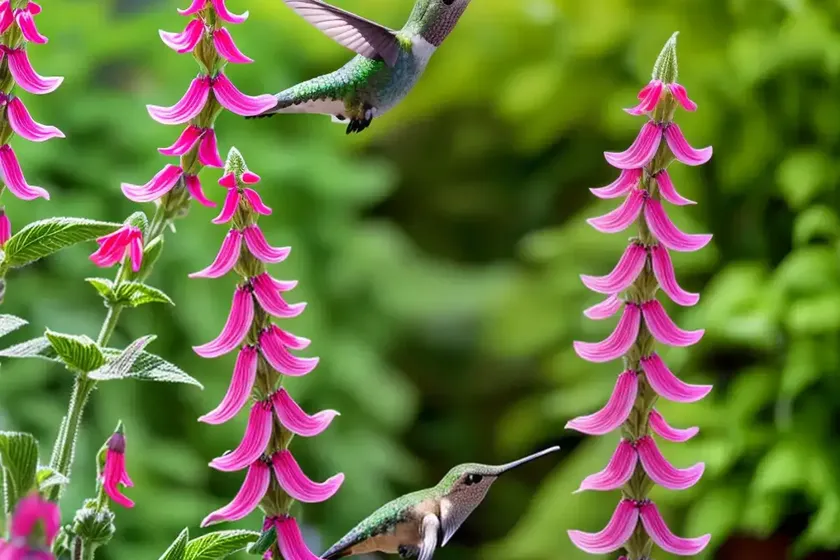
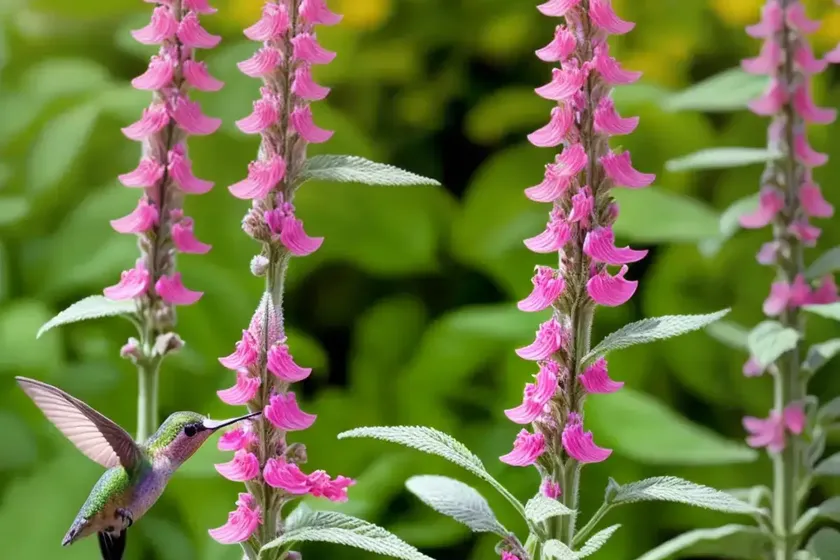
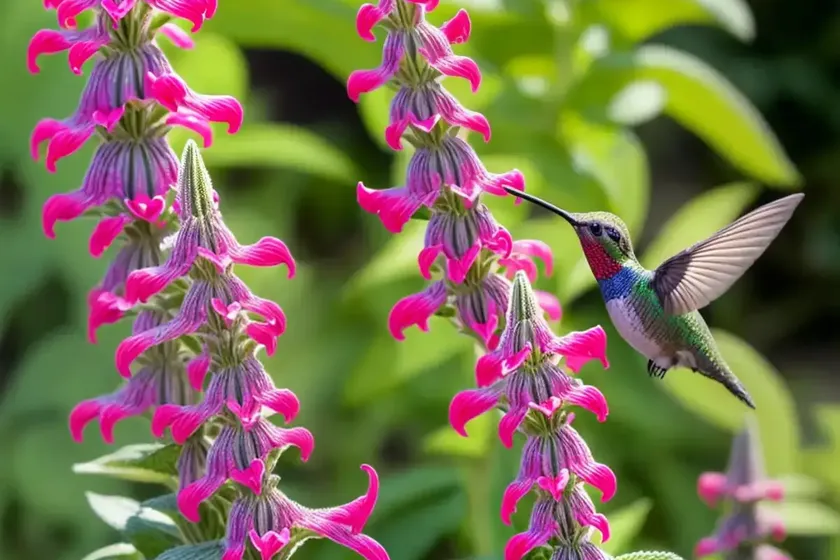
Plants have long been an essential part of human life, providing food, medicine, and beauty to our surroundings. One such intriguing plant is the Hummingbird Sage, scientifically known as Salvia Spathacea. This native California plant is not only a beautiful addition to gardens but also holds cultural and medicinal significance. In this comprehensive guide, we will delve into the characteristics, care, uses, and fascinating aspects of the Hummingbird Sage.
What is Hummingbird Sage (Salvia Spathacea)?
Salvia Spathacea, commonly known as Hummingbird Sage, is a herbaceous perennial plant that belongs to the mint family, Lamiaceae. It is native to southern and central California, where it thrives in the wild and is also cherished in cultivated gardens for its ornamental and ecological value.
The plant is characterized by its striking appearance, with large, lush green leaves and showy flower spikes that are a favorite of hummingbirds, hence its common name. Its aromatic foliage and vibrant blossoms make it a popular choice for landscaping, while its historical use as a medicinal herb adds to its appeal.
Key Takeaways – Hummingbird Sage (Salvia Spathacea)
Before we dive into the specifics of Hummingbird Sage care and uses, let’s outline the key points covered in this guide:
- Culture
- Uses
- Water
- Sunlight
- Fertilizer
- Soil
- Pruning
- Propagation
- Container Popularity
- Container Common Diseases
- Disease Diagnosis
- Common Pests
- Botanist’s Tips
- Fun Facts
- Links to External Resources
Let’s begin with a closer look at the cultural significance of Hummingbird Sage and its traditional uses.
Culture
The cultural significance of Hummingbird Sage extends beyond its horticultural value. Native American tribes, such as the Chumash, utilized this plant for its medicinal properties. Known for its aromatic leaves, the Hummingbird Sage was used in traditional healing practices, and the dried leaves were burned as smudge sticks in purification ceremonies.
Uses
Apart from its historical medicinal uses, Hummingbird Sage is valued as a landscaping plant. Its striking appearance and ability to attract pollinators, especially hummingbirds, make it a desirable addition to gardens and natural landscapes. Furthermore, its drought tolerance and low maintenance requirements contribute to its popularity among gardeners and landscapers.
Now that we’ve explored the cultural and traditional uses of Hummingbird Sage, it’s essential to understand its specific care requirements to ensure optimal growth and health.
Water
Hummingbird Sage is well adapted to dry conditions once established and generally requires minimal watering. In fact, excessive moisture can lead to root rot, so it’s crucial to allow the soil to dry out between waterings. When first establishing the plant, regular watering is necessary to help the roots develop, but once mature, it can thrive with little additional water.
Sunlight
This species is well-suited to a variety of light conditions, from full sun to partial shade. In hotter inland areas, some afternoon shade can be beneficial to prevent leaf scorch. Finding the right balance of sunlight is crucial for the plant to flourish and produce its characteristic vibrant blooms.
Fertilizer
Hummingbird Sage is not a heavy feeder and generally does not require frequent fertilization. A balanced, organic fertilizer applied in spring can help promote healthy growth and flowering. However, as with any fertilization regimen, it is essential not to over-fertilize, as this can lead to excessive vegetative growth at the expense of flower production.
Soil
The ideal soil for Hummingbird Sage is well-draining and slightly acidic to neutral. It can tolerate a range of soil types, including sandy and clay soils, as long as they do not become waterlogged. Incorporating organic matter into the soil at planting can improve its structure and water-holding capacity, benefiting the long-term health of the plant.
Pruning
Pruning Hummingbird Sage is relatively simple and primarily involves removing spent flower spikes to encourage additional blooms and prevent self-seeding. Additionally, cutting back the foliage in late winter or early spring can help rejuvenate the plant and maintain its compact, attractive form.
Propagation
Hummingbird Sage can be propagated through seeds, divisions, or stem cuttings. The seeds can be collected from the dried flower spikes and sown in a well-prepared seedbed. Division of mature plants is best done in early spring, while softwood cuttings can be taken in late spring to early summer. Proper care and attention during propagation can yield new plants that will continue to enchant with their vibrant colors and fragrance.
The versatility of Hummingbird Sage extends to its suitability for container gardening. Let’s explore how it can thrive in a container and the key considerations for its care in this setting.
Container Popularity
Due to its compact growth habit and ornamental value, Hummingbird Sage is well-suited to container gardening. This allows gardeners with limited space to enjoy the beauty and ecological benefits of this plant on patios, balconies, or any outdoor setting.
Container Common Diseases
While container gardening can offer improved control over soil conditions and drainage, there are still potential diseases to watch for. Common issues in containers include root rot due to overwatering and powdery mildew, especially in humid or poorly ventilated environments. Maintaining proper watering practices and adequate air circulation can help mitigate these concerns.
Now, let’s turn our attention to the potential challenges that may affect the well-being of Hummingbird Sage, including diseases and pests, along with some botanist’s tips to promote its health and vitality.
Common Diseases
The most prevalent diseases that can affect Hummingbird Sage are fungal in nature, including powdery mildew, which manifests as a white, powdery coating on the leaves, and root rot caused by overly wet soil. Additionally, bacterial leaf spot and rust can occasionally appear, though they are less common.
Disease Diagnosis
Early detection and proper diagnosis of diseases are crucial for effective management. Regular inspection of the plant for any signs of discoloration, spots, or unusual growth can help identify potential issues before they escalate. Prompt action, such as adjusting cultural practices or applying targeted treatments, can prevent the spread of diseases.
Common Pests
The main pests that may trouble Hummingbird Sage include aphids, spider mites, and whiteflies, which can cause damage by sucking the sap from the plant. Environmental stress, such as drought or excessive moisture, can make the plant more susceptible to pest infestations.
Botanist’s Tips
To maintain the health and vigor of Hummingbird Sage, it’s essential to promote a balanced and sustainable growing environment. This can be achieved through regular monitoring of soil moisture, timely pruning, and providing adequate air circulation. Additionally, choosing disease-resistant varieties and incorporating companion plants that deter pests can contribute to a thriving garden ecosystem.
Now that we’ve covered the essential care aspects, let’s explore some intriguing and lesser-known facts about Hummingbird Sage to further appreciate its unique characteristics.
Fun Facts
- The leaves of Hummingbird Sage were historically used for their fragrance, with Native American tribes burning them as incense and for ceremonial purposes.
- The species name “Spathacea” is derived from the Latin word “spathaceus,” meaning “like a spathe,” in reference to the bract that subtends the inflorescence.
- In addition to its ecological importance as a pollinator plant, it also provides habitat for native wildlife, including small mammals and insects.
As we come to the end of our comprehensive guide, we hope this information has deepened your understanding of Hummingbird Sage and inspired a newfound appreciation for this captivating plant.
To further enrich your knowledge and support your gardening endeavors, we have curated a selection of external resources that provide additional insights into the cultivation, uses, and ecological significance of Hummingbird Sage:
- California Native Plant Society
- University of California Agriculture and Natural Resources
- The Theodore Payne Foundation
- Lady Bird Johnson Wildflower Center
We encourage you to explore these resources to continue your journey of discovery and conservation of this remarkable species.
In conclusion, Hummingbird Sage (Salvia Spathacea) stands as a testament to the interconnectedness of plants, wildlife, and human culture. Its ecological value, ornamental beauty, and historical significance underscore the multifaceted contributions of plants to our lives.
By honoring and preserving native species such as Hummingbird Sage, we can create sustainable and biodiverse landscapes that benefit both ecosystems and human well-being.
Thank you for accompanying us on this exploration of Hummingbird Sage, and may your gardening pursuits be enriched by the knowledge shared in this guide.
Happy Gardening!
Keywords: Hummingbird Sage benefits, Salvia Spathacea care, Growing Hummingbird Sage, Hummingbird Sage plant profile, Salvia Spathacea characteristics, Hummingbird Sage uses, How to propagate Hummingbird Sage, Salvia Spathacea species, Hummingbird Sage medicinal properties, Salvia Spathacea gardening tips, Hummingbird Sage planting guide, Salvia Spathacea habitat, Hummingbird Sage varieties, Salvia Spathacea cultivation, Hummingbird Sage native range, Salvia Spathacea natural habitat, Hummingbird Sage herbal remedies, Salvia Spathacea landscape uses, Hummingbird Sage flower buds, Salvia Spathacea wildlife attraction, Hummingbird Sage pruning techniques, Salvia Spathacea pest control, Hummingbird Sage soil requirements, Salvia Spathacea sun exposure, Hummingbird Sage maintenance, Salvia Spathacea drought tolerance, Hummingbird Sage water needs, Salvia Spathacea companion plants, Hummingbird Sage propagation methods, Salvia Spathacea pollinator plant, Hummingbird Sage division tips, Salvia Spathacea container gardening, Hummingbird Sage flower colors, Salvia Spathacea foliage characteristics, Hummingbird Sage landscape design ideas, Salvia Spathacea winter care, Hummingbird Sage leaf shape, Salvia Spathacea pruning frequency, Hummingbird Sage leaf texture, Salvia Spathacea culinary uses, Hummingbird Sage essential oil, Salvia Spathacea bird-friendly plant, Hummingbird Sage wildlife habitat, Salvia Spathacea garden arrangement, Hummingbird Sage natural remedies, Salvia Spathacea border plantings, Hummingbird Sage flower arrangements, Salvia Spathacea groundcover options, Hummingbird Sage drought-resistant plant, Salvia Spathacea sun-loving perennial


