Hoya Carnosa (Hoya Carnosa ‘krimson Princess’)
Hoya Carnosa, commonly known as wax plant or porcelain flower, is a gorgeous, low-maintenance houseplant characterized by its waxy leaves and clusters of.
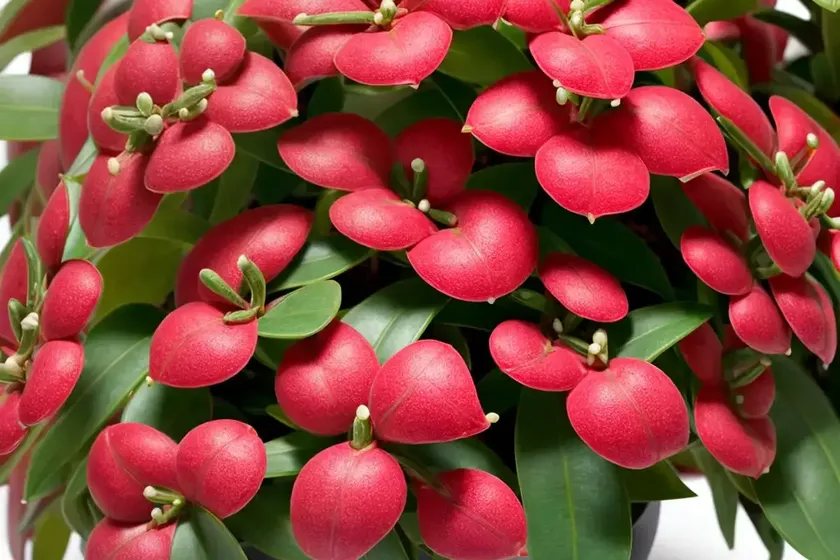
Hoya Carnosa, commonly known as wax plant or porcelain flower, is a gorgeous, low-maintenance houseplant characterized by its waxy leaves and clusters of star-shaped, fragrant flowers. The ‘Krimson Princess’ variety, in particular, is prized for its striking foliage, featuring green leaves adorned with pink margins. As a plant scientist with a passion for horticulture, I am excited to delve into the world of Hoya Carnosa and provide a comprehensive guide to cultivating and caring for this stunning species.
What is Hoya Carnosa?
Hoya Carnosa is a species of flowering plant in the Apocynaceae family, native to East Asia and Australia. This evergreen perennial vine is popular for its ornamental value, making it a beloved choice for indoor gardening. Its unique foliage and delicate blooms make it an attractive addition to any plant enthusiast’s collection.
The ‘Krimson Princess’ variety of Hoya Carnosa is especially sought after for its variegated leaves, adding a touch of color and vibrancy to any indoor space. Its charming, cascading growth habit makes it an ideal candidate for hanging baskets or decorative containers, allowing it to thrive in both indoor and outdoor environments.
Key Takeaways – Hoya Carnosa (Hoya Carnosa ‘Krimson Princess’)
Before we delve into the specifics of caring for Hoya Carnosa, let’s take a look at the key takeaways that will be covered in this comprehensive guide:
- Culture: Understanding the cultural preferences of Hoya Carnosa, including its origins and natural habitat.
- Uses: Exploring the various uses of Hoya Carnosa, from its ornamental value to its air-purifying properties.
- Water: Managing the watering needs of Hoya Carnosa to ensure optimal growth and health.
- Sunlight: Providing the ideal light conditions for Hoya Carnosa to thrive.
- Fertilizer: Nurturing Hoya Carnosa with appropriate fertilization practices.
- Soil: Selecting the right soil medium for Hoya Carnosa to support its growth.
- Pruning: Implementing proper pruning techniques to maintain the plant’s shape and health.
- Propagation: Exploring methods for propagating Hoya Carnosa to expand your plant collection.
- Container: Choosing suitable containers for planting and displaying Hoya Carnosa.
- Popularity: Understanding the plant’s popularity among gardening enthusiasts.
- Common Diseases: Identifying and addressing potential diseases that may affect Hoya Carnosa.
- Common Pests: Managing and preventing common pest infestations.
- Botanist’s Tips: Providing expert tips and insights for successful Hoya Carnosa care.
- Fun Facts: Discovering interesting and unique facts about Hoya Carnosa.
- Links to External Resources: Accessing additional information and resources for Hoya Carnosa care and cultivation.
Now, let’s embark on a comprehensive journey into the world of Hoya Carnosa and unlock the secrets to successfully nurturing this captivating plant.
Culture
Plant Origins
Hoya Carnosa originates from East Asia and Australia, where it thrives in tropical and subtropical climates. In its natural habitat, it often grows as an epiphyte, attaching itself to trees or other surfaces and deriving nutrients from organic debris and rainfall. This characteristic makes Hoya Carnosa well-suited for growing in hanging baskets or mounted on totems, replicating its natural growth habit.
Understanding the plant’s natural origins is essential for providing an environment that mimics its native conditions, promoting healthy growth and blooming.
Ornamental Value
Hoya Carnosa, including the ‘Krimson Princess’ variety, is prized for its ornamental value, making it a favorite among plant enthusiasts and collectors. Its lush, trailing vines and unique foliage patterns add a touch of elegance to any indoor or outdoor setting. The plant’s exquisite, star-shaped flowers, which can appear in clusters, exude a delightful fragrance, further enhancing its appeal as a decorative specimen.
The ‘Krimson Princess’ variety stands out with its distinctive leaves, featuring a striking combination of green hues and pink margins. When in bloom, the contrast between the vibrant blooms and variegated foliage creates an enchanting display, making it a captivating addition to any plant collection.
Air-Purifying Properties
In addition to its aesthetic charm, Hoya Carnosa offers air-purifying benefits, contributing to a healthier indoor environment. The plant’s ability to remove airborne pollutants and enhance air quality makes it an excellent choice for indoor spaces, particularly for individuals seeking to create a clean and refreshing atmosphere within their homes.
The lush foliage and efficient air-purifying capabilities make Hoya Carnosa a versatile and practical plant for both decorative and functional purposes.
Uses
Hoya Carnosa serves various purposes beyond its visual appeal. Let’s explore the multifaceted uses of this remarkable plant:
-
Ornamental Display: The lush, trailing vines and vibrant blooms make Hoya Carnosa an ideal choice for ornamental display in homes, offices, and public spaces.
-
Indoor and Outdoor Décor: Whether placed in hanging baskets indoors or grown in containers on patios and balconies, Hoya Carnosa adds a touch of natural beauty to any setting.
-
Air Purification: Its ability to purify indoor air makes Hoya Carnosa a valuable addition for enhancing the air quality of interior spaces.
-
Gift Giving: The enchanting blooms and low-maintenance nature of Hoya Carnosa make it a thoughtful and enduring gift for friends and loved ones.
Water
Watering Requirements
Hoya Carnosa, including the ‘Krimson Princess’ variety, has specific watering needs that must be met to promote healthy growth and flowering. As an epiphytic plant in its natural habitat, Hoya Carnosa is accustomed to periods of drying out between waterings. Therefore, it is crucial to strike a balance with watering to prevent waterlogging, which can lead to root rot and other issues.
-
Frequency: Water Hoya Carnosa when the top inch of the soil has dried out. This frequency may vary depending on environmental factors such as temperature, humidity, and light levels.
-
Consistency: Maintain a consistent watering schedule, allowing the soil to dry out slightly before watering again. Avoid overwatering, as this can lead to root rot and other moisture-related problems.
-
Seasonal Adjustments: Adjust the watering frequency based on seasonal changes and environmental conditions. During the plant’s active growing season, it may require more frequent watering, while in the dormant period, watering needs may decrease.
Watering Methods
When watering Hoya Carnosa, it is essential to apply water thoroughly and allow excess water to drain away, preventing waterlogged soil. Here are several methods for effectively watering Hoya Carnosa:
-
Soil Surface: Apply water directly to the soil surface, allowing it to penetrate the root zone without excessively wetting the foliage and stems.
-
Drainage: Ensure that the container has adequate drainage holes to facilitate the removal of excess water. If growing Hoya Carnosa in a hanging basket, allow the excess water to drain freely without causing water accumulation in the pot.
-
Avoiding Overhead Watering: Minimize overhead watering, as this can lead to moisture-related issues and fungal diseases. Instead, focus on targeted root zone watering to deliver moisture where it is needed most.
Signs of Overwatering and Underwatering
Understanding the signs of overwatering and underwatering is crucial for addressing watering issues promptly and preventing potential damage to the plant. Here are some indicators of overwatering and underwatering in Hoya Carnosa:
-
Overwatering: Symptoms of overwatering may include yellowing leaves, wilting, and a persistent wet or waterlogged soil. If overwatering persists, it can lead to root rot, which poses a serious threat to the plant’s health.
-
Underwatering: When the plant is consistently underwatered, the leaves may become droopy, dry, or develop brown, crispy edges. Additionally, the soil may appear parched and overly dry.
By monitoring the plant closely and being attentive to its watering needs, you can maintain the optimal moisture levels for Hoya Carnosa, ensuring its well-being and vitality.
Sunlight
Light Requirements
Proper lighting is essential for the growth and blooming of Hoya Carnosa, including the ‘Krimson Princess’ variety. As a tropical plant, Hoya Carnosa thrives in bright, indirect light, similar to the conditions it encounters in its native habitat. Providing the right balance of light is crucial for promoting healthy foliage growth and facilitating flower production.
-
Indoor Light: Position Hoya Carnosa near a window that receives bright, indirect light. Avoid placing the plant in direct sunlight, as this can lead to leaf scorch and sun damage.
-
Outdoor Light: When grown outdoors, choose a location with dappled or filtered sunlight to protect the plant from intense midday sun. Shaded areas with gentle morning or late afternoon sun exposure are ideal for Hoya Carnosa.
-
Light Duration: Ensure that Hoya Carnosa receives approximately 6-8 hours of indirect sunlight each day, providing the essential light energy needed for photosynthesis and overall plant health.
Light Insufficiency and Excess
Inadequate or excessive light exposure can have detrimental effects on Hoya Carnosa, impacting its growth, blooming, and overall well-being. Here are the potential consequences of insufficient and excessive light:
-
Light Insufficiency: If Hoya Carnosa does not receive adequate light, it may exhibit stunted growth, reduced flowering, and leggy, stretched stems as the plant stretches in search of more light.
-
Light Excess: Excessive direct sunlight can lead to leaf burn, causing irreversible damage to the foliage. In such cases, the leaves may develop brown patches or appear scorched, requiring careful rehabilitation to restore the plant’s health.
By providing the right balance of light and monitoring the plant’s response to its environmental conditions, you can ensure that Hoya Carnosa flourishes under optimal lighting.
Fertilizer
Fertilization Practices
Fertilizing Hoya Carnosa is essential for providing the crucial nutrients needed for robust growth and prolific blooming. However, it is important to approach fertilization with care, as excessive or improper application can lead to adverse effects on the plant. Here are some guidelines for effectively fertilizing Hoya Carnosa:
-
Balanced Fertilizer: Choose a balanced, water-soluble fertilizer with a formulation such as 20-20-20 or 10-10-10 to provide a well-rounded nutrient profile.
-
Frequency: Fertilize Hoya Carnosa during the growing season, typically from spring to early fall, at a frequency of once every 2-4 weeks. Reduce or cease fertilization during the plant’s dormant period in the colder months.
-
Dilution: Dilute the fertilizer to half or one-quarter of the recommended strength to avoid overfeeding the plant. Overfertilization can lead to salt buildup in the soil and damage the delicate roots of Hoya Carnosa.
-
Application Method: Apply the diluted fertilizer solution to moist soil, ensuring that it is distributed evenly and thoroughly. Avoid direct contact with the foliage to prevent potential burn or damage.
Signs of Fertilizer Issues
When fertilizing Hoya Carnosa, it is important to monitor the plant for signs of fertilizer-related problems to prevent any adverse effects on its health. Here are potential indicators of fertilizer issues:
-
Fertilizer Burn: Excessive fertilization can result in fertilizer burn, characterized by brown, scorched leaf edges and overall leaf damage. If this occurs, flush the soil with water to remove excess salts and mitigate the effects of overfertilization.
-
Yellowing Leaves: If the leaves of Hoya Carnosa begin to yellow and the overall growth appears stunted, it may indicate a nitrogen deficiency. In such cases, supplementing with a balanced fertilizer can help address the nutrient imbalance.
By approaching fertilization with caution and attentiveness, you can provide Hoya Carnosa with the necessary nutrients for vigorous growth and abundant flowering without risking fertilizer-related issues.
Soil
Soil Medium
Selecting the right soil medium is essential for supporting the growth and development of Hoya Carnosa, offering the appropriate structure, drainage, and nutrients for the plant. When choosing a soil mix for Hoya Carnosa, consider the following factors:
-
Well-Draining: Opt for a well-draining soil mix to prevent waterlogging and promote aeration around the roots of Hoya Carnosa. A mixture that retains moisture without becoming waterlogged is ideal for the plant’s health.
-
Aeration and Structure: Incorporate perlite, vermiculite, or sand into the soil mix to enhance aeration and improve the overall structure. This allows the roots to access oxygen and nutrients while maintaining stability within the growing medium.
-
Nutrient Content: Choose a soil mix that provides essential nutrients while avoiding excessive amounts of organic matter that can lead to compaction and oxygen deprivation.
Potting Mix Considerations
When potting or repotting Hoya Carnosa, use a potting mix specifically formulated for epiphytic or tropical plants. A well-balanced potting mix should include a combination of the following components:
-
Peat Moss: Provides moisture retention and contributes to the overall lightweight nature of the mix.
-
Pine Bark: Enhances drainage and aeration within the soil mix, preventing waterlogging and maintaining optimal root health.
-
Coarse Perlite or Vermiculite: Adds to the soil’s structure, promoting aeration and ensuring that excess moisture can drain freely from the root zone.
-
Orchid Bark: Ideal for supporting the epiphytic growth habit of Hoya Carnosa, mimicking its natural growing conditions.
Importance of Drainage
Proper drainage is crucial for the overall health and well-being of Hoya Carnosa, as it prevents water-related issues and ensures the optimal environment for root development. When selecting containers for Hoya Carnosa, prioritize options that provide adequate drainage to safeguard the plant from the detrimental effects of waterlogging.
-
Container Holes: Use pots or containers with drainage holes to facilitate the removal of excess water. This prevents the accumulation of standing water, which can lead to root rot and other moisture-related problems.
-
Saucers and Water Removal: When watering Hoya Carnosa, allow excess water to drain away, and promptly remove any water that collects in saucers or trays beneath the container. Standing water can compromise the plant’s root health and create an environment conducive to fungal growth.
By paying close attention to the soil medium and drainage considerations, you can create an optimal growing environment for Hoya Carnosa, supporting its lush foliage and abundant flowering.
Pruning
Pruning Techniques
Pruning is an essential aspect of Hoya Carnosa care, promoting a compact growth habit and facilitating bloom production. Regular pruning allows you to maintain the plant’s shape, control its size, and remove any damaged or overgrown sections. Here are some key pruning techniques for Hoya Carnosa:
-
Removing Spent Blooms: After the flowers have wilted and faded, prune the spent blooms to encourage the development of new flowering spurs.
-
Managing Vine Growth: Trim and prune the vines to control the overall size of the plant and maintain its desired shape. This is particularly important for Hoya Carnosa ‘Krimson Princess’ to enhance the visibility of its variegated foliage.
-
Addressing Overgrowth: If certain branches or stems become excessively leggy or sprawling, prune them back to promote a more compact and balanced appearance.
Pruning Considerations
When pruning Hoya Carnosa, it is important to consider the following factors to ensure that the plant remains healthy and vigorous:
-
Sanitization: Use clean, sharp pruning shears to make precise cuts without causing unnecessary damage to the plant. Disinfect the pruning tools with rubbing alcohol to prevent the spread of diseases.
-
Selecting Branches: Identify the branches and stems that require pruning, focusing on those that are overgrown, damaged, or hindering the overall appearance of the plant.
-
Timing: Prune Hoya Carnosa after the flowering period to promote new growth and flower development. Avoid extensive pruning during the dormant phase, as this may impede the plant’s natural growth cycle.
Pruning is an artful practice that allows you to shape and maintain the health and beauty of Hoya Carnosa, ensuring that it remains an exquisite addition to your plant collection.
Propagation
Propagation Methods
Propagating Hoya Carnosa is an exciting way to expand your plant collection and share the beauty of this species with others. The following are commonly used propagation methods for Hoya Carnosa:
-
Stem Cuttings: Propagate Hoya Carnosa through stem cuttings, selecting healthy, non-flowering stems and rooting them in a suitable growing medium. This method is particularly effective for ‘Krimson Princess’ to preserve its variegation.
-
Water Propagation: Place Hoya Carnosa cuttings in water to encourage root development before transplanting them into a growing medium. This method allows you to observe root growth before potting the new plants.
-
Layering: Encourage Hoya Carnosa to develop roots while still attached to the mother plant by layering a section of the stem and providing the appropriate conditions for root formation.
Propagation Considerations
When propagating Hoya Carnosa, consider the following factors to maximize the success of the propagation process:
-
Temperature and Humidity: Provide a warm and humid environment to promote root development in the newly propagated plants. Maintain consistent moisture levels to support the rooting process.
-
Root Formation: Monitor the cuttings or layered sections for the development of robust, healthy roots before transplanting them into individual containers. Adequate root development is essential for the transition to a new growing environment.
-
Growth Medium: Select a suitable growing medium for rooting the cuttings, ensuring that it provides the necessary aeration and moisture retention for successful propagation.
By employing effective propagation methods and paying attention to the unique needs of each propagation technique, you can successfully propagate Hoya Carnosa and enrich your botanical collection.
Container
Container Selection
Choosing the right containers for Hoya Carnosa is essential for providing a conducive growing environment that supports the plant’s health and vitality. Consider the following factors when selecting containers for Hoya Carnosa:
-
Drainage Holes: Opt for containers with drainage holes to prevent waterlogging and ensure that excess moisture can freely drain from the soil.
-
Size and Growth Habit: Select a container that accommodates the anticipated size and growth habit of Hoya Carnosa. Ensure that it provides sufficient space for root development without being excessively large, which can lead to overly wet soil.
-
Material: Choose containers made of porous materials such as terracotta or ceramic, which allow for the exchange of air and moisture with the surrounding environment. These materials also contribute to a healthy root system by promoting aeration.
-
Aesthetics: Consider the aesthetic appeal of the container, as Hoya Carnosa is often grown for its ornamental value. Select a container that complements the plant’s natural beauty and enhances its visual impact.
Container Maintenance
Maintaining containers that house Hoya Carnosa is essential for providing an optimal growing environment and promoting the plant’s longevity. Here are some key aspects of container maintenance:
-
Cleaning and Sanitization: Regularly clean the containers and sanitize them before repotting or introducing new plants. This helps prevent the buildup of pathogens and maintains a healthy environment for the roots.
-
Checking Drainage: Inspect the