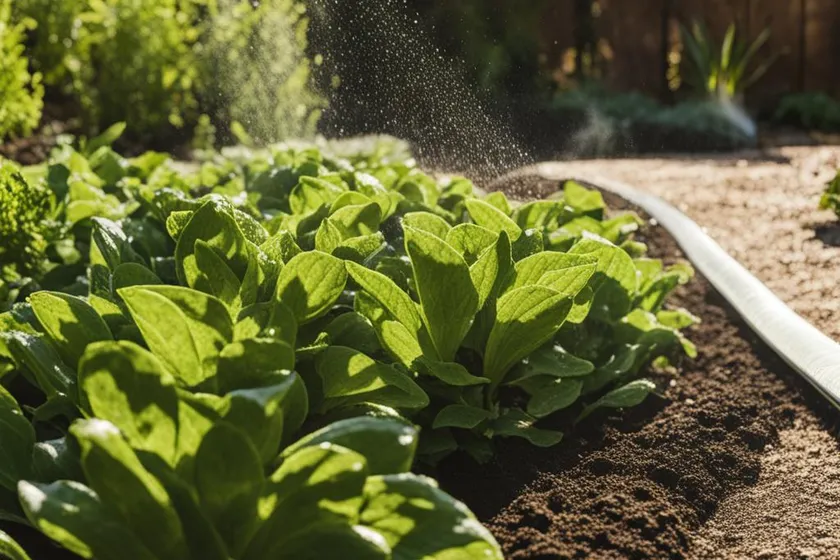
Using a soaker hose in your garden can be a great way to efficiently water your plants. To use a soaker hose, unroll it near the base of your plants and connect it to your regular garden hose or faucet. Typically, a watering duration of 30 minutes to an hour is recommended, but it’s important to check the soil moisture level and adjust the timing accordingly.
To ensure optimal results, it’s essential to understand how long to run a soaker hose in your garden. The duration depends on various factors like soil moisture, the specific needs of your plants, and the climate. By mastering the art of setting the right duration for running a soaker hose, you can ensure efficient watering and promote the health and growth of your garden.
Key Takeaways:
- Watering duration for a soaker hose is typically 30 minutes to an hour.
- Adjust the timing based on soil moisture levels and plant needs.
- Consider factors like climate, soil type, and plant types when determining the optimal duration.
- Regularly monitor and adjust the watering duration as needed.
- Mastering the art of running a soaker hose for the right duration ensures efficient and effective watering in your garden.
How to Use a Soaker Hose
Using a soaker hose in the garden is a simple and efficient way to water your plants. Follow these steps to make the most of your soaker hose:
- Unroll the hose: Start by unrolling the soaker hose near the base of your plants. Make sure it is positioned close to the roots for optimal water absorption.
- Check for kinks or twists: Before connecting the hose to your faucet or garden hose, check for any kinks or twists in the hose. These can disrupt water flow and reduce its effectiveness.
- Connect to water source: Once the hose is positioned correctly, connect it to your faucet or garden hose. It’s recommended to use a pressure regulator to ensure a consistent water flow.
- Turn on the water: Start by turning on the water at a low to moderate pressure. This allows the water to slowly seep out of the hose and into the soil.
- Adjust the timing: Let the soaker hose run for around 30 minutes to an hour. However, it’s important to check the soil moisture level and adjust the timing accordingly. If the soil is already moist, you may need to decrease the watering duration.
By following these steps, you can effectively use a soaker hose in your garden and ensure that your plants receive the water they need.
Benefits of Using a Soaker Hose
Soaker hoses offer several benefits compared to traditional sprinklers or hand watering. Here are a few reasons why you should consider using a soaker hose:
- Efficient water usage: Soaker hoses deliver water directly to the roots of your plants, minimizing water loss due to evaporation or runoff.
- Prevents leaf diseases: By keeping the foliage dry, soaker hoses help prevent the spread of leaf diseases that can occur with overhead watering.
- Uniform water distribution: The porous nature of soaker hoses ensures that water is evenly distributed along the entire length of the hose, providing consistent moisture to your plants.
- Time-saving: Soaker hoses require minimal effort and can be left unattended while they water your plants. This frees up your time to focus on other gardening tasks.
Using a soaker hose in your garden is a practical and effective solution for watering your plants. It can help save water, promote healthy plant growth, and make your gardening tasks more efficient.
Choosing the Right Soaker Hose
When it comes to selecting a soaker hose for your garden, there are several factors to consider. The length, diameter, material, water delivery rate, and fittings required all play a role in determining the right choice for your needs. Let’s take a closer look at each of these factors so you can make an informed decision.
Length
The length of the soaker hose is an important consideration. It should be based on the area of your garden that needs irrigation. Common options include 25, 50, or 100 feet. Measure your garden and choose a length that will provide adequate coverage.
Diameter
The diameter of the soaker hose affects water flow. Wider hoses deliver more water but can be heavier and more difficult to move around. Consider the water needs of your plants and the layout of your garden when choosing the diameter of your hose.
Material
Soaker hoses can be made from various materials. It’s important to choose one that is non-leaching and ideally made of a non-toxic material. This will ensure the safety of your plants and the quality of the water. Consider the durability and longevity of the material as well.
Water Delivery Rate
The water delivery rate of the soaker hose refers to how quickly it releases water. Different plants have varying water needs, so choose a hose with a delivery rate that matches those needs. This will help ensure that your plants receive the right amount of water without wasting any.
Fittings
Consider the fittings required to connect the soaker hose to your water source. Make sure the hose is compatible with your existing irrigation system or faucet. Check the quality of the fittings to ensure a secure connection and prevent any leaks.
By taking these factors into consideration, you can choose a soaker hose that meets your garden’s specific needs. Whether you have a small flower bed or a large vegetable garden, selecting the right hose will help you efficiently water your plants and promote healthy growth.
| Factor | Considerations |
|---|---|
| Length | Choose a length that provides adequate coverage for your garden. |
| Diameter | Consider the water needs of your plants and the layout of your garden when choosing the diameter. |
| Material | Choose a non-leaching, non-toxic material that is durable and long-lasting. |
| Water Delivery Rate | Match the water delivery rate to the needs of your plants to avoid under or over-watering. |
| Fittings | Ensure the hose is compatible with your existing irrigation system or faucet and has secure fittings to prevent leaks. |
How Long to Leave a Soaker Hose On
When it comes to determining how long to leave a soaker hose on, there are several factors to consider. The ideal watering duration for a soaker hose depends on the soil moisture level, water needs of the plants, climate, and soil type. To find the optimal runtime, I recommend conducting a simple test when you first start using the soaker hose.
Start by laying out the soaker hose, turning on the water, and letting it run for about an hour. Afterward, check the depth of the soil to see how far the water has penetrated. This will give you an idea of the watering range of the hose. From there, you can adjust the watering time based on your observations and the specific needs of your garden.
In general, established plants tend to do best when the soil is allowed to dry out slightly between waterings. This promotes healthy root growth and prevents waterlogging. However, it’s important to monitor the moisture levels and adjust your watering schedule accordingly. Different plants have different water needs, so it’s essential to tailor the watering duration to each plant’s requirements.
To summarize, the duration to leave a soaker hose on depends on factors such as soil moisture, plant needs, climate, and soil type. Start with a test run and adjust the watering time based on your observations and the specific needs of your garden. By finding the right balance, you can ensure optimal water delivery and promote healthy plant growth.
Tips for Maximizing Soaker Hose Efficiency
When it comes to optimizing the efficiency of your soaker hose, there are several tips and techniques you can implement to ensure that you’re getting the most out of your irrigation system. By maximizing soaker hose efficiency, you can effectively water your plants while minimizing water waste. Here are some strategies to consider:
Bury the soaker hose under a layer of organic mulch: By burying the soaker hose under a layer of organic mulch, you can reduce water evaporation and ensure that the water is delivered directly to the plant roots. This technique helps to retain moisture in the soil and provides a more efficient watering method.
Use a timer: Installing a timer on your outdoor faucet can help you set specific watering times. This is particularly useful during hot summer months or when you’re away from home. With a timer, you can ensure that your plants receive consistent and adequate water without the risk of overwatering.
Regularly check for clogs: It’s important to inspect your soaker hose regularly for clogs or blockages. If you notice reduced water flow or uneven watering, you may need to clear any debris from the hose. Back-flushing the hose can help remove any clogs and ensure optimal performance.
Monitor soil moisture levels: Keep an eye on the moisture levels in your soil to avoid overwatering or underwatering your plants. Use a moisture meter or simply check the soil with your finger to determine if watering is necessary. Adjust your watering schedule accordingly to meet the specific needs of your garden.
In summary, maximizing soaker hose efficiency involves burying the hose under mulch, using a timer, regularly checking for clogs, and monitoring soil moisture levels. By implementing these tips, you can improve the performance of your soaker hose and optimize watering in your garden.
The Importance of Proper Watering for Your Vegetable Garden
Proper watering is essential for the health and success of your vegetable garden. Water is a vital nutrient for plants, and it plays a crucial role in their growth, development, and overall productivity. Adequate water supply helps plants absorb essential nutrients from the soil, maintain turgidity, and perform vital biological processes such as photosynthesis. By providing the right amount of water, you can ensure that your vegetable plants thrive and produce a bountiful harvest.
Vegetable plants have varying watering needs depending on factors such as their stage of growth, type, and weather conditions. For example, young seedlings may require more frequent watering to establish their root systems, while mature plants may need less frequent but deeper watering to encourage deep root growth. Additionally, different vegetables have different moisture requirements. Leafy greens like lettuce and spinach prefer consistently moist soil, while plants like tomatoes and peppers can tolerate slight drying between waterings.
Monitoring the moisture levels in your soil is crucial in determining when and how much to water your vegetable garden. This can be done by regularly checking the soil’s moisture content using a moisture meter or simply by feeling the soil with your fingers. Aim for moist but not waterlogged soil, as excessive water can lead to root rot and other diseases. By being attentive to your plants’ water needs and adjusting your watering practices accordingly, you can create an optimal environment for healthy and thriving vegetable plants.
The Watering Needs of Vegetable Plants
| Vegetable Plant | Watering Needs |
|---|---|
| Lettuce | Consistent moisture; water often to keep soil evenly moist |
| Tomatoes | Deep watering every 3-5 days, allowing soil to slightly dry between waterings |
| Peppers | Deep watering every 5-7 days, allowing soil to slightly dry between waterings |
| Cucumbers | Regular watering to keep soil consistently moist; avoid waterlogging |
| Carrots | Light, frequent watering to prevent soil from drying out |
| Beans | Regular watering to keep soil consistently moist; avoid overwatering |
“Proper watering is crucial for the health and success of your vegetable garden. Understanding the water needs of different types of vegetables and adjusting your watering practices accordingly will help you cultivate vibrant and productive plants.”
Remember that factors such as climate, soil type, and container size can also influence watering needs. For example, plants in containers may require more frequent watering due to limited soil volume and increased evaporation. Additionally, hot and windy weather can cause water to evaporate more quickly, requiring more frequent watering. By paying attention to these factors and adapting your watering routine accordingly, you can ensure that your vegetable garden receives the optimal amount of water it needs to thrive.
Determining the Ideal Duration for Running a Soaker Hose in Your Vegetable Garden
When it comes to determining the ideal duration for running a soaker hose in your vegetable garden, there are several factors to consider. The water needs of different vegetable types, climatic conditions, and soil type all play a role in determining the appropriate watering time. Lettuce and spinach, for example, prefer consistent moisture and may require frequent watering, while tomatoes and peppers can tolerate slight drying between waterings.
A good starting point is to run your soaker hose for 15-30 minutes for newly planted seedlings. This allows for sufficient moisture without overwatering. For established vegetables, a watering duration of 30-60 minutes every two to three days is generally recommended. However, it’s important to monitor the moisture levels in the soil and adjust the watering time accordingly. The key is to strike a balance between providing enough water for your plants to thrive while avoiding waterlogging or drought stress.
To help determine the ideal duration for running a soaker hose in your vegetable garden, you can conduct a simple test. Lay out the hose, turn on the water, and let it run for an hour. Afterward, check the soil depth to see how far the water has reached. Based on your observations, you can adjust the watering time to ensure that the water penetrates the root zone adequately.
| Vegetable Type | Ideal Duration |
|---|---|
| Lettuce and Spinach | Frequent, consistent moisture |
| Tomatoes and Peppers | Slight drying between waterings |
| Carrots and Radishes | Moisture during germination; less frequent watering once established |
| Beans and Peas | Regular, even moisture |
Remember, these guidelines are a starting point, and it’s important to adjust the watering time based on the specific needs of your vegetable garden. Regularly monitor the moisture levels and make changes as necessary to ensure optimal growing conditions for your plants.
Tips for Maximizing Soaker Hose Efficiency in Your Vegetable Garden
- Consider burying the soaker hose under a layer of organic mulch to reduce water evaporation and promote even distribution.
- Use a timer or schedule reminders to ensure consistent watering, especially during hot months or when you’re away from home.
- Regularly check the soaker hose for any clogs and clear them by back-flushing if necessary.
- Monitor the moisture levels in the soil and adjust your watering schedule accordingly to avoid overwatering or underwatering your plants.
By following these tips and finding the ideal duration for running a soaker hose in your vegetable garden, you can ensure that your plants receive the right amount of water for optimal growth and yield.
Tips to Optimize Watering Efficiency in Your Vegetable Garden
In order to maximize the efficiency of watering in your vegetable garden, there are several tips and techniques you can utilize. By following these water-saving practices, you can ensure that your plants receive adequate moisture while minimizing water waste.
1. Mulching
Mulching is a simple yet effective way to optimize watering efficiency in your vegetable garden. Apply a layer of organic mulch around your plants to reduce evaporation and retain moisture in the soil. This will help to prevent water loss and keep the roots of your plants consistently hydrated. Additionally, mulch helps to control weed growth, keeping your garden beds neat and tidy.
2. Watering Schedule
Establish a consistent watering schedule for your vegetable garden. Set specific times for watering and stick to them, especially during hot and dry periods. Using a timer on your outdoor faucet can help you maintain a regular watering routine, even when you’re not able to be in the garden. This will ensure that your plants receive the necessary water without wasting any excess.
3. Adjusting Watering Depth
Pay attention to the moisture needs of your vegetable plants and adjust the watering depth accordingly. Some plants have shallow root systems and require more frequent watering, while others have deeper roots that can access water deeper in the soil. By customizing the watering depth for each plant, you can avoid overwatering and ensure that the water is reaching the roots where it is needed the most.
Implementing these water-saving tips in your vegetable garden can not only help to conserve water but also promote the health and productivity of your plants. By optimizing watering efficiency, you can create a sustainable and thriving garden that will yield bountiful harvests for seasons to come.
The Fundamentals of Garden Irrigation
When it comes to maintaining a healthy and thriving garden, understanding the fundamentals of garden irrigation is essential. By knowing the basics of garden watering, you can ensure that your plants receive the optimal amount of water they need to grow and thrive. Here are some essential practices to keep in mind:
1. Watering Frequency
One of the key aspects of garden irrigation is determining how often to water your plants. This will depend on factors such as the type of plants you have, the climate in your area, and the soil moisture level. Some plants may require more frequent watering, while others may be more drought-tolerant and require less water. Monitoring the moisture levels in your soil and adjusting your watering schedule accordingly is crucial to avoid overwatering or underwatering your plants.
2. Proper Watering Technique
Another important aspect of garden irrigation is using the right technique when watering your plants. It’s best to water at the base of the plants, rather than spraying water over the leaves. This helps ensure that the water reaches the roots where it’s needed most. Additionally, watering in the early morning or late afternoon is ideal, as it allows the plants to absorb the water before the heat of the day causes evaporation.
3. Soil Preparation
The quality of your soil plays a significant role in garden irrigation. Well-draining soil is essential to prevent waterlogging and root rot, while soil with good water-holding capacity helps retain moisture for the plants. Adding organic matter such as compost or mulch to the soil can improve its structure and water retention capabilities. Before planting, make sure to prepare the soil by loosening it and removing any weeds or debris that may hinder water absorption.
By understanding these fundamental practices of garden irrigation, you can ensure that your plants receive the water they need to thrive. Remember to monitor the moisture levels, adjust your watering schedule accordingly, and use proper watering techniques to promote healthy growth. With these practices in place, you’ll be well on your way to achieving a beautiful and flourishing garden.
Different Methods of Garden Irrigation
When it comes to irrigating your garden, there are several different methods you can choose from. Each method has its own advantages and disadvantages, so it’s important to consider your garden’s specific needs before deciding which one to use. Here are some of the most common garden irrigation methods:
Drip Irrigation
Drip irrigation is a popular choice for gardeners who want to conserve water and minimize evaporation. This method involves placing small tubes or pipes along the base of your plants, which deliver water directly to the roots. Drip irrigation systems can be automated and offer precise control over the amount of water your plants receive. However, they can be more expensive to install and maintain compared to other methods.
Soaker Hoses
Soaker hoses are a cost-effective and efficient way to irrigate your garden. These hoses are made with small pores that allow water to slowly seep out, delivering moisture directly to the soil around your plants’ roots. Soaker hoses are easy to install and can be customized to fit the size and shape of your garden. However, they may require adjustment to avoid overwatering certain areas.
Sprinkler Systems
Sprinkler systems are a popular choice for larger gardens or lawns. These systems use overhead sprinklers to distribute water in a spray pattern. Sprinkler systems are versatile and can cover large areas, making them ideal for gardens with a wide variety of plants. However, they can be less water-efficient than other methods, as some water may be lost to evaporation or wind.
It’s important to choose an irrigation method that suits the specific needs of your garden and plants. Consider factors such as water efficiency, cost, ease of installation, and maintenance requirements when making your decision. By implementing the right irrigation method, you can ensure that your garden receives the necessary moisture for healthy growth without wasting water.
Rainwater Harvesting and Other Conservation Techniques
When it comes to water conservation in the garden, rainwater harvesting is a sustainable and eco-friendly practice that can significantly reduce water usage and promote a healthier environment. By collecting and storing rainwater in barrels or tanks, you can harness nature’s gift and use it to irrigate your garden during dry periods. Rainwater harvesting not only helps in water conservation but also reduces the strain on municipal water supplies.
Another effective technique for conserving water in the garden is mulching. By applying a layer of organic mulch around your plants, you can minimize evaporation, control soil temperature, and suppress weed growth. Mulch acts as a protective barrier, preventing moisture loss and allowing the soil to retain water for a longer duration. This ensures that your plants receive a consistent water supply while reducing the need for frequent watering.
To further enhance water conservation practices, it’s important to monitor and assess your garden’s irrigation needs. Regularly check the moisture levels in the soil and adjust your watering schedule accordingly. Avoid overwatering by using a finger test to determine if the soil is adequately moist. Additionally, consider implementing water-efficient methods such as drip irrigation or soaker hoses, which deliver water directly to the roots of plants, minimizing waste and maximizing efficiency.
| Water Conservation Techniques | Description |
|---|---|
| Rainwater Harvesting | Collecting and storing rainwater for garden irrigation. |
| Mulching | Applying organic mulch to reduce evaporation and retain moisture in the soil. |
| Monitoring Soil Moisture | Regularly checking soil moisture levels and adjusting watering schedules accordingly. |
| Water-Efficient Methods | Utilizing drip irrigation or soaker hoses for targeted and efficient water delivery. |
By incorporating rainwater harvesting, mulching, and water-efficient techniques into your garden irrigation practices, you can play a vital role in conserving water resources while maintaining a thriving and sustainable garden.
Importance of Monitoring and Adjusting Irrigation Practices
Properly monitoring and adjusting your garden irrigation practices is crucial for maintaining healthy plants and ensuring efficient water usage. By paying attention to key indicators and making necessary adjustments, you can maintain proper moisture levels and promote optimum plant growth. Here are some essential tips for effectively monitoring and adjusting your garden irrigation:
1. Regularly Check Soil Moisture Levels: Use a moisture meter or simply stick your finger into the soil to assess the moisture content. This will help you determine if your plants need watering or if they are receiving too much moisture. The goal is to keep the soil consistently moist but not waterlogged.
2. Observe Plant Behavior: Pay attention to the health and appearance of your plants. Signs of overwatering include yellowing leaves, wilting despite sufficient moisture, and root rot. Underwatered plants may have dry, brittle leaves and show signs of dehydration. Adjust your watering practices accordingly to prevent damage to your plants.
3. Consider Environmental Factors: Take into account the weather conditions, such as temperature, wind, and rainfall, as they affect the rate of evaporation and plant water needs. Adjust your watering schedule or duration based on these factors to avoid over or underwatering.
Table: Signs of Overwatering and Underwatering
| Signs of Overwatering | Signs of Underwatering |
|---|---|
| Yellowing leaves | Dry, brittle leaves |
| Wilting despite sufficient moisture | Signs of dehydration |
| Root rot |
“Properly monitoring and adjusting your garden irrigation practices is crucial for maintaining healthy plants and ensuring efficient water usage.”
4. Adjust Irrigation Schedule: As the seasons change, adjust the frequency and duration of your watering to accommodate the changing needs of your plants. For example, during hot summer months, you may need to water more frequently to offset evaporation.
5. Implement Water Conservation Techniques: Consider using mulch to limit evaporation and retain moisture in the soil. You can also group plants with similar water requirements together to avoid over or underwatering. Rainwater harvesting is another effective technique to supplement your irrigation needs and reduce reliance on potable water sources.
By diligently monitoring and adjusting your garden irrigation practices, you can ensure that your plants receive the right amount of water, resulting in healthy growth and conservation of this precious resource. Remember to regularly assess soil moisture, observe plant behavior, consider environmental factors, and implement water-saving techniques to maintain proper moisture levels in your garden.
Individualizing Irrigation for Your Garden
When it comes to watering your garden, there is no one-size-fits-all approach. Each garden is unique, and it’s important to customize your irrigation practices to meet the specific needs of your plants. By personalizing your watering routine, you can optimize water usage, promote healthy plant growth, and ultimately create a thriving garden.
To personalize your irrigation practices, start by considering the specific watering needs of different plants in your garden. Some plants, like tomatoes and cucumbers, require more water, while others, like succulents, are more drought-resistant. By tailoring your watering routine to meet the individual needs of each plant, you can ensure that they receive the optimal amount of water for healthy growth.
Another important factor to consider is the environmental conditions within your garden. Take note of areas that receive more shade or areas that are more exposed to sunlight. These microclimates can affect how much water plants in these areas need. Adjust your watering routine accordingly to accommodate these variations and create a balanced moisture level throughout your garden.
| Plant | Watering Needs | Recommended Frequency |
|---|---|---|
| Tomatoes | High | Every 2-3 days |
| Succulents | Low | Once a week |
| Leafy greens | Moderate | Every other day |
Remember to monitor your garden regularly and adjust your watering routine as needed. Use your finger to check the moisture level of the soil. If it feels dry, it’s time to water. If it feels moist, hold off on watering for a little longer. By paying attention to the moisture levels and responding accordingly, you can avoid overwatering or underwatering your plants.
By taking the time to individualize your irrigation practices, you can create a customized watering routine that meets the unique needs of your garden. This personalized approach will not only help your plants thrive but also promote water conservation and a more sustainable gardening experience.
Basics of Water Conservation in Garden Irrigation
Water conservation is a crucial aspect of garden irrigation, ensuring sustainable water usage and reducing water waste. By implementing simple yet effective practices, you can make a positive impact on both the environment and your utility bills. Here are some key strategies to consider:
- Smart watering techniques: Use a soaker hose or drip irrigation system to deliver water directly to the plant roots, minimizing evaporation and runoff. These methods provide targeted and efficient watering, reducing water waste.
- Mulching: Apply a layer of organic mulch around your plants to retain soil moisture, suppress weed growth, and regulate soil temperature. Mulching not only conserves water but also reduces the need for frequent watering.
- Rainwater harvesting: Consider setting up rain barrels or a rainwater collection system to capture and store rainfall for later use in your garden. This eco-friendly practice helps reduce your reliance on treated water.
- Regular maintenance: Inspect your irrigation system for leaks, clogs, or other issues that can lead to water waste. Timely repairs and proper maintenance ensure efficient water delivery and minimize water loss.
By adopting these water conservation practices in your garden, you can make a positive impact on the environment while promoting healthy plant growth. Remember, every drop counts!
“Water is a precious resource, and conserving it in garden irrigation is essential for a sustainable future. By following water-saving practices, we can make a significant difference in preserving our environment.” – Ima Gardener
Conclusion
In conclusion, mastering how long to run a soaker hose in your garden is crucial for efficient and effective watering. By understanding the basics of using a soaker hose and choosing the right type for your garden, you can ensure optimal water delivery to your plants’ roots.
Remember to determine the appropriate duration based on factors such as soil moisture, plant needs, and climate conditions. Monitoring the soil moisture levels and adjusting your watering routine accordingly will help you avoid overwatering or underwatering your plants.
To maximize watering efficiency, consider using organic mulch to reduce evaporation and set specific watering times using a timer. Regularly check for any clogs in the soaker hose and clear them if necessary to ensure even water distribution.
By personalizing your irrigation practices and actively monitoring and adjusting your watering routine, you can maintain healthy plants, promote water conservation, and achieve a lush and thriving garden.
FAQ
How do I use a soaker hose in my garden?
To use a soaker hose, unroll it near the base of your plants and connect it to your regular garden hose or faucet. Let the soaker hose run for 30 minutes to an hour, adjusting the timing based on soil moisture.
What factors should I consider when choosing a soaker hose?
When choosing a soaker hose, consider factors such as length, diameter, material, water delivery rate, and fittings required. Choose a hose length based on the area of your garden that needs irrigation, and select a non-leaching, non-toxic material for the hose.
How long should I leave a soaker hose on?
The length of time to leave a soaker hose on depends on factors such as soil moisture, water needs of the plants, climate, and soil type. Start with running the hose for an hour and adjust the timing based on your observations.
How can I maximize the efficiency of my soaker hose?
To maximize efficiency, consider burying the soaker hose under a layer of organic mulch to reduce water evaporation. Use a timer on your faucet to set specific watering times, regularly check for clogs in the hose, and adjust watering schedules based on soil moisture levels.
How long should I run a soaker hose in my vegetable garden?
The ideal duration for running a soaker hose in your vegetable garden depends on factors such as the water needs of different vegetable types, climatic conditions, and soil type. Start with 15-30 minutes for seedlings and 30-60 minutes every two to three days for established vegetables.
How can I optimize watering efficiency in my vegetable garden?
To optimize watering efficiency, consider mulching around the plants, monitor soil moisture levels, set consistent watering schedules, and adjust watering practices based on the specific needs of your vegetable plants and changing weather conditions.
What are the fundamentals of garden irrigation?
The fundamentals of garden irrigation include understanding the watering requirements of different plants, selecting the right irrigation method, considering soil quality and climate, and implementing water conservation techniques.
What are the different methods of garden irrigation?
Different methods of garden irrigation include hand watering with a hose, using soaker hoses, drip irrigation systems, and sprinkler systems. Each method has its pros and cons, so choose one that best suits your garden’s needs.
How can I conserve water in my garden?
You can conserve water in your garden by setting up rain barrels for rainwater harvesting, using mulch to reduce evaporation, monitoring soil quality, and improving drainage and water-holding capacity. Adjust watering frequency and duration based on the seasonality of your garden.
Why is monitoring and adjusting irrigation practices important?
Monitoring and adjusting irrigation practices is important to maintain healthy plants. By paying attention to signs of overwatering or underwatering and making necessary adjustments, you can ensure optimal moisture levels for your plants.
How can I personalize irrigation for my garden?
To personalize irrigation for your garden, consider the specific watering needs of different plants, as well as environmental factors and microclimates within your garden. Tailor your watering routine to suit your plants’ needs and optimize water usage.
What are some basics of water conservation in garden irrigation?
Basics of water conservation in garden irrigation include using a nozzle to control water flow, checking for leaks in your irrigation system, utilizing rainwater harvesting, and implementing mulching to reduce evaporation and retain moisture.