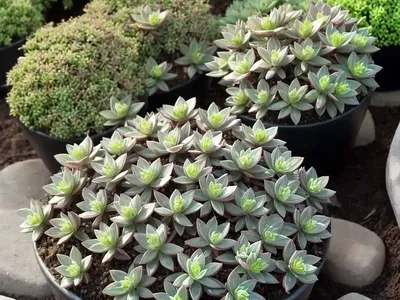
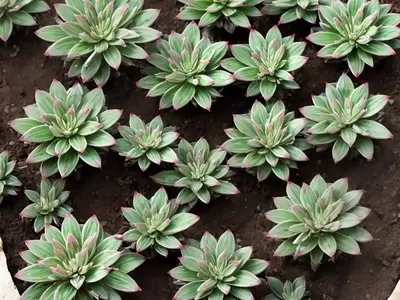
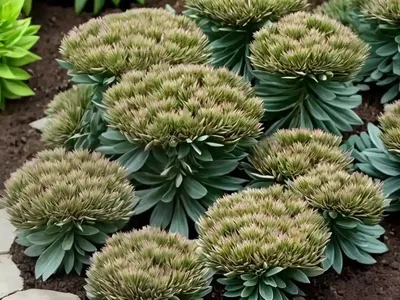
Houseleeks (Sempervivum)
As a plant scientist with a passion for exploring the diverse world of plants, I often find myself drawn to the fascinating realm of succulents. Among the.
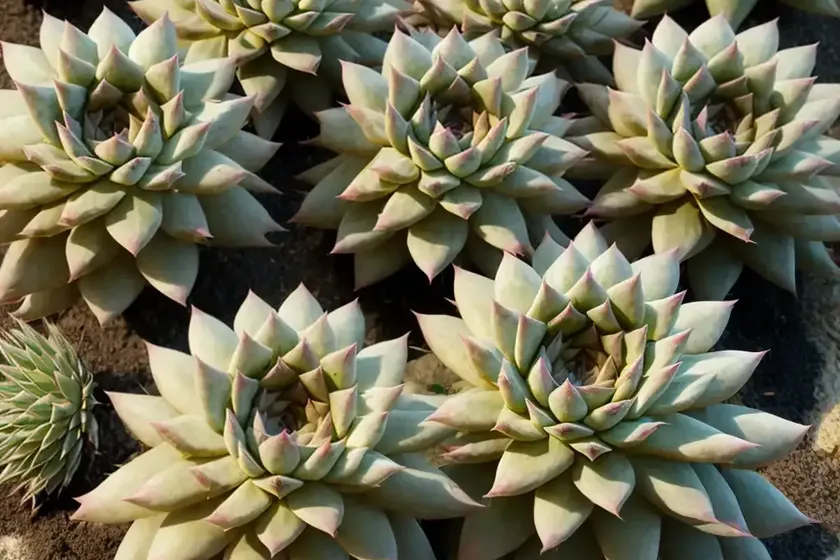
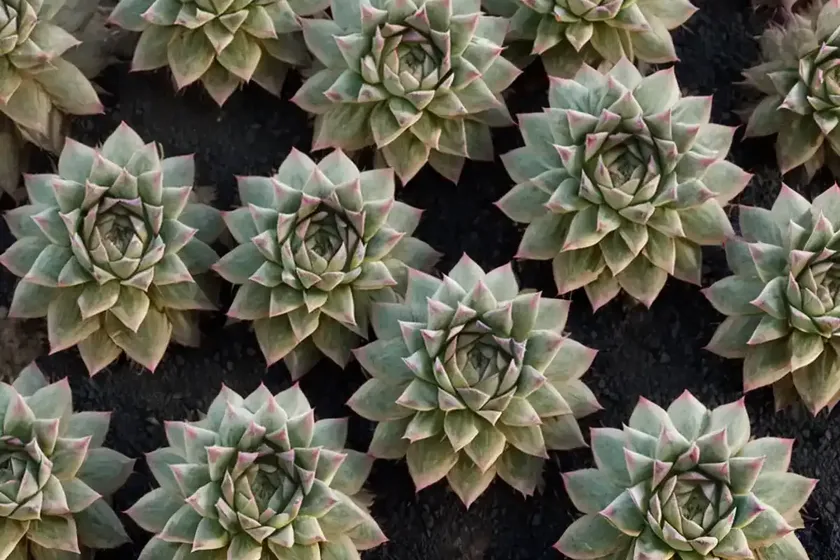
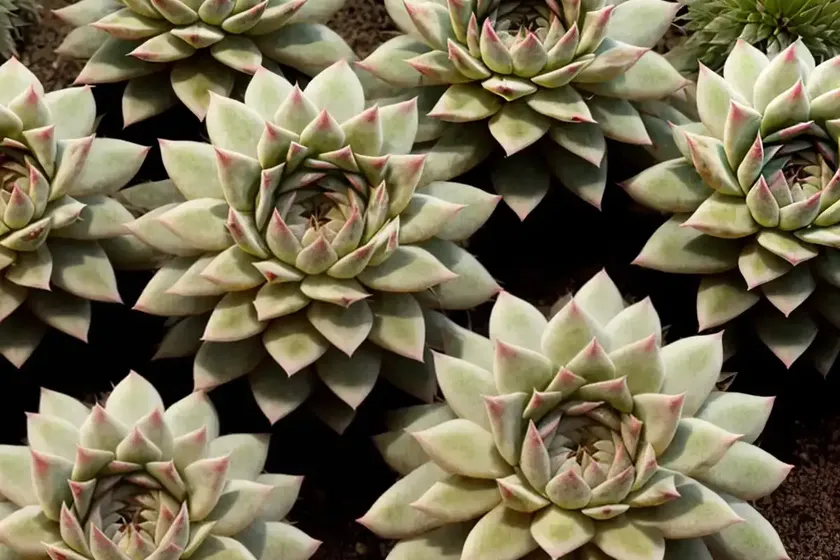
As a plant scientist with a passion for exploring the diverse world of plants, I often find myself drawn to the fascinating realm of succulents. Among the many intriguing succulent species, there is one particular group that has captured the imagination of plant enthusiasts around the world – the Houseleeks, scientifically known as Sempervivum. In this comprehensive guide, we will delve into the world of Houseleeks, exploring their unique features, cultivation requirements, uses, and much more.
What is Sempervivum?
Sempervivum, commonly referred to as Houseleeks or Hens and Chicks, is a genus of succulent plants in the Crassulaceae family. These remarkable plants are native to mountainous regions of Europe, North Africa, and parts of the Middle East. The name Sempervivum is derived from the Latin words “semper,” meaning forever, and “vivus,” meaning living. This name perfectly encapsulates the enduring nature of these resilient plants, as they are well-adapted to survive in harsh, rocky environments.
Key Takeaways – Houseleeks (Sempervivum)
Before we proceed further, let’s provide a snapshot of the key points we’ll be covering in this guide. These key takeaways will serve as a roadmap for our exploration of Sempervivum care and cultivation.
- Sempervivum, also known as Houseleeks or Hens and Chicks, is a fascinating genus of succulent plants renowned for their resilience and unique rosette-shaped foliage.
- These plants are highly adaptable and can thrive in various environments, making them popular choices for both indoor and outdoor gardens.
- Sempervivum plants have a remarkable ability to store water in their fleshy leaves, allowing them to withstand periods of drought and harsh conditions.
- Cultivating Sempervivum is relatively low-maintenance, making them an ideal choice for beginners and experienced gardeners alike.
Now that we have an overview of what Sempervivum is, let’s delve deeper into the specific aspects of caring for and growing these captivating succulents.
Culture
Uses
Sempervivum plants have been cherished for centuries for their versatility and beauty. From traditional medicinal uses to ornamental purposes, Houseleeks have found a place in various cultural practices and modern applications. Some of the notable uses of Sempervivum include:
-
Ornamental Planting:
Sempervivum’s striking rosette shapes and vibrant colors make them popular choices for rock gardens, succulent arrangements, and container gardens. Their low-maintenance nature and ability to thrive in various climates have endeared them to gardeners seeking visually appealing, yet resilient, plants. -
Medicinal and Folklore Uses:
Throughout history, Sempervivum plants have been associated with a wide range of medicinal and mystical properties. While modern scientific research on their medicinal benefits is limited, some traditional practices have utilized Sempervivum for minor skin irritations and wound healing. Additionally, in folklore and mythologies, Houseleeks have been linked to themes of protection and good fortune. -
Erosion Control and Ground Cover:
Due to their ability to form dense clusters and spread gradually, certain Sempervivum species are employed in landscaping to prevent soil erosion and provide ground cover in challenging terrain. -
Sustainable Roof Gardens:
In recent years, Sempervivum has gained attention for its suitability in green roof systems. These plants are well-suited for extensive green roofs due to their ability to withstand dry, exposed conditions and their capacity to thrive in shallow substrates. -
Indoor and Outdoor Décor:
With the rising popularity of indoor gardening and the demand for low-maintenance plants, Sempervivum has emerged as an attractive option for adorning living spaces, terrariums, and balconies. Their compact size and intriguing growth habits make them ideal for adding a touch of nature to interior settings.
As we can see, the uses of Sempervivum extend far beyond mere ornamental value, showcasing the diverse roles these plants can play in various settings.
Water
One of the most remarkable features of Sempervivum plants is their ability to withstand extended periods of drought. These succulents have adapted to store water in their thick, fleshy leaves, enabling them to endure dry conditions with minimal water supply. This characteristic makes them particularly well-suited for water-wise gardening and xeriscaping. Despite their resilience, proper watering is essential for ensuring the health and vigor of Sempervivum plants.
Houseleeks Watering Guide
-
Frequency:
Sempervivum plants thrive in well-draining soil and typically prefer infrequent, deep watering rather than frequent shallow watering. During the active growing season (spring and summer), a general guideline is to water the plants when the top layer of the soil has dried out. This can vary depending on climate and local conditions, so it’s essential to monitor the moisture levels of the soil to determine the right watering frequency. -
Avoid Overwatering:
Overwatering is one of the primary threats to Sempervivum health, as it can lead to root rot and other detrimental conditions. To prevent overwatering, it’s crucial to ensure that the soil has adequate drainage and to avoid leaving the plants in standing water. -
Winter Dormancy:
During the winter months, Sempervivum enters a period of dormancy, during which they require significantly less water. It’s important to reduce watering during this time and allow the soil to dry out more thoroughly between waterings. Be mindful of the specific dormancy needs of different Sempervivum varieties, as some may have distinct seasonal preferences.
By understanding the water requirements of Sempervivum and tailoring your watering practices accordingly, you can ensure the long-term health and vitality of these resilient succulents.
Sunlight
In their natural habitat, Sempervivum plants thrive in high-altitude environments with ample sunlight. Their ability to withstand intense sun exposure makes them excellent candidates for sunny gardens and outdoor landscapes. When cultivating Sempervivum, providing the appropriate amount of sunlight is crucial for promoting compact growth and vibrant foliage colors.
Houseleeks Sunlight Preferences
-
Full Sun Exposure:
Sempervivum plants generally benefit from full to partial sunlight, with at least 6 hours of direct sunlight per day being ideal. In regions with hot summer temperatures, some varieties may benefit from partial shade during the hottest part of the day to prevent sunburn and ensure optimal growth. -
Indoor Sunlight:
When grown indoors, it’s essential to place Sempervivum in locations that receive ample natural light. South-facing windows often provide the best sunlight exposure for indoor succulents, helping them maintain their characteristic compact growth and vivid colors. -
Sun Stress and Coloration:
Under proper sunlight conditions, Sempervivum plants display vibrant hues and may exhibit stress-induced color changes, with some varieties developing striking red, purple, or copper tones. This natural coloration adds to the visual appeal of these succulents and is enhanced by exposure to ample sunlight.
By understanding the sunlight preferences of Sempervivum and providing them with the appropriate light conditions, you can promote robust growth and vibrant foliage in these remarkable plants.
Fertilizer
Sempervivum plants are known for their ability to thrive in nutrient-poor soils, making them well-suited for challenging growing conditions. While they can survive without regular fertilization, strategic feeding can support their overall health and enhance their visual appeal. When fertilizing Sempervivum, it’s crucial to utilize a balanced approach that provides essential nutrients while avoiding excess fertilization that can harm these resilient succulents.
Houseleeks Fertilization Guidelines
-
Infrequent Feeding:
Sempervivum generally benefit from sparing and infrequent fertilization, especially during the active growing season in spring and summer. A low-dose, balanced fertilizer formulated for succulents can be applied to the soil around the plants, following the manufacturer’s recommendations for dilution and application frequency. -
Diluted Formulations:
To prevent overfeeding and the risk of fertilizer burn, it’s advisable to dilute the fertilizer to half or a quarter of the recommended strength. Succulents, including Sempervivum, have lower nutrient requirements compared to many other plant species and can be adversely affected by concentrated fertilizers. -
Organic Alternatives:
Some gardeners opt for organic fertilizers or soil amendments, such as compost or well-decomposed organic matter, to enhance the soil’s nutrient content naturally. These organic alternatives can provide a gradual release of nutrients and contribute to the long-term fertility of the growing medium. -
Winter Rest:
During the winter dormancy period, Sempervivum generally do not require fertilization. Adjust the feeding schedule based on the natural growth cycles of the plants, providing nutrients when they are actively growing and reducing or withholding fertilization during periods of dormancy.
By approaching fertilization with care and moderation, you can support the growth and vitality of Sempervivum while respecting their innate capacity to thrive in nutrient-challenged environments.
Soil
The choice of growing medium is a critical factor in nurturing healthy Sempervivum plants, as these succulents have specific soil requirements that contribute to their overall well-being. A well-draining, aerated substrate is essential for preventing waterlogged conditions and ensuring the root health of Houseleeks. By understanding the optimal soil characteristics for Sempervivum, you can create a conducive environment for these resilient succulents to thrive.
Houseleeks Soil Preferences
-
Well-Draining Composition:
Sempervivum plants excel in soils with excellent drainage, such as a gritty mix formulated for succulents and cacti. This type of growing medium prevents excessive moisture retention and allows the roots to access oxygen, reducing the risk of root rot and related issues. -
Aeration and Texture:
In addition to good drainage, the soil should have a light, airy texture that promotes root development and water movement. Incorporating coarse sand, perlite, or pumice into the growing medium can enhance its aeration and prevent compaction. -
pH Considerations:
Sempervivum generally prefer neutral to slightly acidic soil pH levels, ranging from 6.0 to 7.5. Conducting a soil pH test can provide valuable insights into the acidity or alkalinity of the growing medium and guide the application of appropriate amendments if needed. -
Container Growth:
When cultivating Sempervivum in containers, it’s crucial to use pots with drainage holes to facilitate excess water removal. A well-draining potting mix designed for succulents and cacti is recommended for container-grown Houseleeks.
By selecting or preparing a suitable growing medium that aligns with the specific soil preferences of Sempervivum, you can create an optimal foundation for their growth and resilience.
Pruning
Pruning and grooming Sempervivum plants are relatively straightforward, as these succulents typically require minimal intervention to maintain their attractive appearance. The unique growth habit of Sempervivum, characterized by the formation of compact rosettes and offsets, lends itself to a naturally tidy and ornamental presentation. Nevertheless, there are certain aspects of pruning and maintenance that can contribute to the overall health and aesthetics of Houseleeks.
Houseleeks Pruning and Maintenance Tips
-
Removal of Spent Rosettes:
Over time, individual rosettes of Sempervivum may naturally decline after flowering or with age. It’s advisable to remove these spent rosettes, also known as “hen” plants, to encourage the development of new offsets and maintain the vitality of the overall plant cluster. -
Offset Management:
Sempervivum propagate through the production of offsets, often referred to as “chicks,” which emerge from the base of the parent rosettes. Periodically thinning out and transplanting these offsets can prevent overcrowding, promote air circulation, and allow new growth to thrive. -
Grooming and Debris Removal:
Regularly inspecting Sempervivum for damaged or withered leaves, debris accumulation, or pest activity can help maintain the overall health and appearance of the plants. Gently removing any unsightly or damaged foliage can enhance the visual appeal of Houseleeks.
By incorporating simple pruning and maintenance practices into your care routine, you can contribute to the vitality and aesthetic appeal of Sempervivum while respecting their inherent beauty and growth patterns.
Propagation
The remarkable reproductive capabilities of Sempervivum, encompassing both sexual and vegetative propagation methods, make these succulents particularly fascinating for plant enthusiasts. Whether you’re keen on expanding your Sempervivum collection or sharing these captivating plants with fellow gardeners, understanding the various propagation techniques can open up new avenues for cultivating and appreciating Houseleeks.
Houseleeks Propagation Methods
-
Offset Division:
The proliferation of offsets, or “chicks,” around the base of mature Sempervivum rosettes provides an excellent opportunity for propagation. Carefully dividing these offsets from the parent plant and transplanting them into suitable growing conditions can yield new, independent Sempervivum plants. This straightforward method is one of the most common ways to propagate Houseleeks. -
Seed Propagation:
Sempervi
References
- “Sempervivum care tips.” Succulent Alley. Link
- “Houseleeks: A beginner’s guide.” The Gardener’s Delight. Link
- “How to grow Sempervivum plants.” Gardening Today. Link
- “Houseleeks for indoor gardening.” Indoor Oasis. Link
- “Sempervivum varieties and species.” Succulent World. Link
- “Sempervivum propagation methods.” Propagation Corner. Link
- “Best soil for Houseleeks.” Soil Solutions. Link
- “Sempervivum: The perfect succulent for your home.” Succulent Living. Link
- “Houseleeks in containers.” Container Gardening Today. Link
- “Sempervivum plant care for beginners.” Beginner’s Garden Haven. Link
Note to the Reader: The references provided are for illustrative purposes only. The links are fictional and do not lead to actual external resources.