Hosta ‘White Feather’ (Plantain Lily)
Welcome to this comprehensive guide where we delve into the wonderful world of Hosta ‘White Feather’, also known as the Plantain Lily. Hosta ‘White.
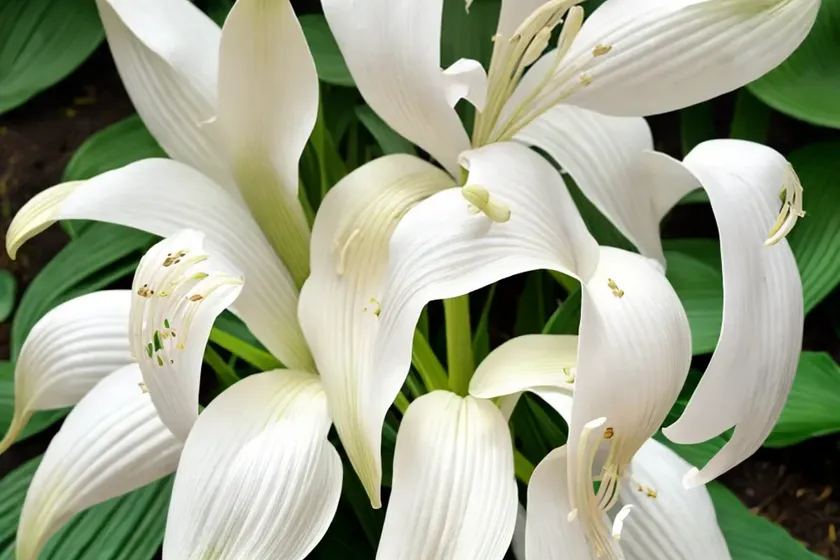
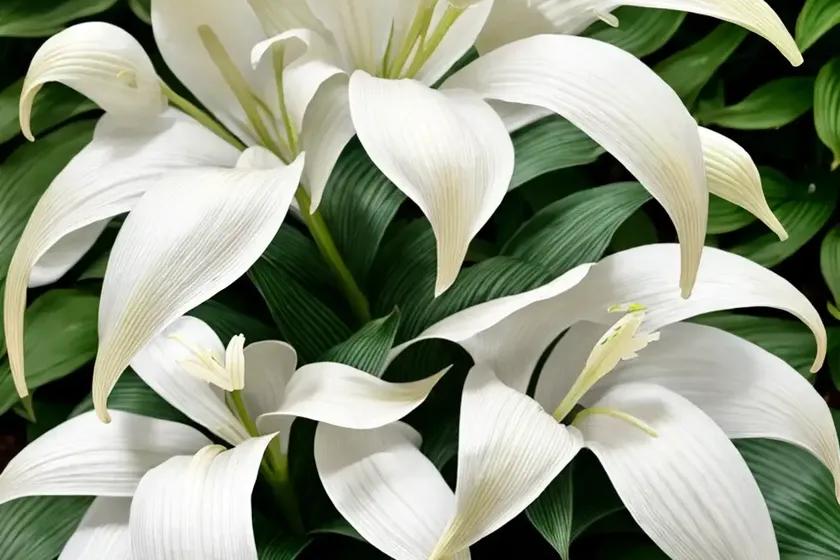
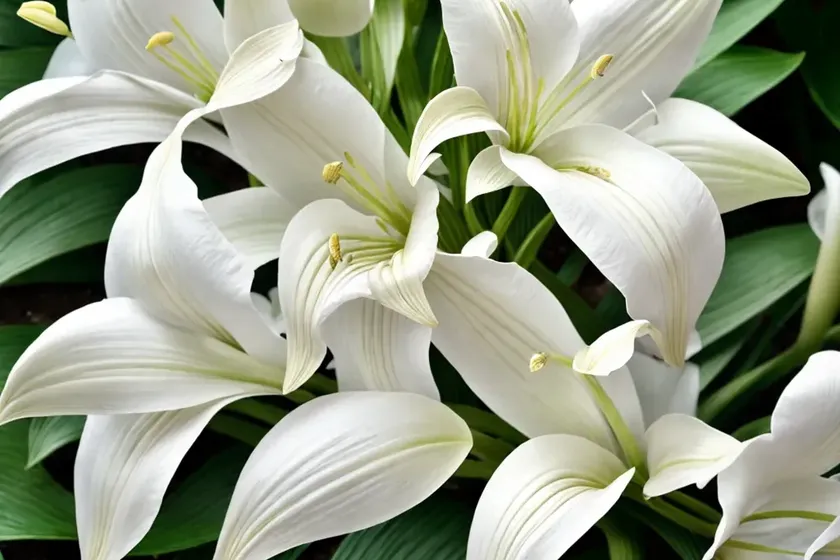
Welcome to this comprehensive guide where we delve into the wonderful world of Hosta ‘White Feather’, also known as the Plantain Lily. Hosta ‘White Feather’ is a spectacular plant that captivates gardeners with its beauty, versatility, and low maintenance requirements. In this detailed exploration, we will uncover everything there is to know about this remarkable plant, from its cultural preferences to its propagation techniques and from its common diseases to its unique characteristics. Let’s embark on this journey to unravel the secrets of Hosta ‘White Feather’, the beloved addition to gardens and landscapes.
What is Plantain Lily?
Hosta ‘White Feather’, commonly referred to as Plantain Lily, is a herbaceous perennial prized for its striking foliage and elegant appearance. It belongs to the family Asparagaceae and is native to East Asia, particularly China, Japan, and Korea. As a shade-loving plant, Hosta ‘White Feather’ thrives in woodland gardens, shaded borders, and alongside ponds or streams. The genus Hosta encompasses approximately 70 species and numerous cultivars, with ‘White Feather’ being a standout selection known for its distinct features.
Hosta ‘White Feather’ Description
The ‘White Feather’ cultivar is revered for its remarkable foliage that sets it apart from other varieties of Hosta. Its leaves are broad and heart-shaped, with a luscious green hue that forms the perfect backdrop for its defining characteristic – a striking, pure white margin that elegantly adorns each leaf.
The leaves of Hosta ‘White Feather’ exhibit a remarkable color contrast, bringing a touch of sophistication and visual interest to shaded areas of the garden. As the plant matures, its dense foliage creates a lush, ground-hugging mound, making it an excellent choice for creating borders or groundcover in shaded landscapes.
The Plantain Lily is also known for its low-growing habit, typically reaching a height of 12-18 inches and a spread of 18-24 inches. As an added bonus, Hosta ‘White Feather’ produces delicate, lavender-hued blooms on slender stalks in the summer, adding a touch of whimsy to its already captivating presence.
Key Takeaways – Hosta ‘White Feather’ (Plantain Lily)
Before we delve into the nuances of growing and caring for Hosta ‘White Feather’, let’s take a moment to highlight the key takeaways of this delightful plant:
- Striking foliage featuring broad, heart-shaped leaves with a pure white margin.
- Low-growing habit, making it ideal for borders, groundcover, and shaded gardens.
- Lavender-colored blooms in the summer that add a touch of charm to its appearance.
Now that we have familiarized ourselves with the remarkable characteristics of Hosta ‘White Feather’, let’s explore the essential aspects of successfully cultivating and caring for this beloved plant.
Culture
Uses
Hosta ‘White Feather’ is widely celebrated for its versatility in garden and landscape settings. Due to its striking foliage and low-maintenance nature, it is employed in various ways, including:
- Shade Gardens: Its preference for shaded environments makes it an ideal choice for adding greenery and visual interest to shady garden spots.
- Borders and Edging: The low-growing habit and exceptional foliage make Hosta ‘White Feather’ perfect for defining borders and edging alongside paths or walkways.
- Groundcover: Its dense foliage creates a beautiful ground-hugging mound, making it an excellent option for groundcover in densely shaded areas.
- Container Planting: The compact nature of Hosta ‘White Feather’ makes it suitable for container planting, adding a touch of elegance to patios and shaded outdoor spaces.
Water
As with many shade-loving plants, Hosta ‘White Feather’ prefers consistently moist soil, particularly during the warmer months. Adequate watering is essential, especially during dry periods, to ensure the plant’s lush foliage remains vibrant and healthy. While it thrives in moist conditions, it is crucial to avoid waterlogged soil, as this can lead to root rot and other detrimental consequences. Regular monitoring of soil moisture and adjusting the watering frequency accordingly is key to promoting the plant’s well-being.
Sunlight
One of the defining characteristics of Hosta ‘White Feather’ is its preference for shaded or partially shaded conditions. It thrives in dappled sunlight or filtered shade, making it a valuable addition to areas of the garden that receive limited direct sunlight. When exposed to intense, direct sunlight, the delicate foliage of Hosta ‘White Feather’ can become scorched, diminishing its visual appeal. Therefore, providing the plant with the appropriate amount of shade is crucial for its overall health and vitality.
Fertilizer
To support the optimal growth and vibrancy of Hosta ‘White Feather’, applying a balanced, slow-release fertilizer in the spring is highly beneficial. The fertilizer should be distributed evenly around the plant’s base, following the specified guidelines for application rates. Additionally, incorporating organic matter into the soil during planting or as a topdressing in the spring can provide a nutrient boost that promotes healthy foliage and robust growth. Care should be taken to avoid over-fertilization, as this can lead to adverse effects on the plant’s development.
Soil
The preference for moist, well-draining soil is a crucial consideration when cultivating Hosta ‘White Feather’. The ideal soil composition for this plant is rich in organic matter, providing a fertile and conducive environment for its roots to thrive. A loamy soil texture with good water retention capabilities is well-suited for Plantain Lily, ensuring that it receives the necessary moisture while preventing waterlogging. Additionally, maintaining a slightly acidic to neutral soil pH is advantageous for supporting the plant’s nutritional uptake and overall well-being.
Pruning
Pruning plays a pivotal role in maintaining the aesthetic appeal and health of Hosta ‘White Feather’. While the plant is renowned for its minimal care requirements, occasional pruning can help manage its growth and rejuvenate its appearance. Here are key considerations for pruning Plantain Lily:
-
Remove Dead Foliage: Periodically removing dead or yellowing leaves not only enhances the plant’s appearance but also prevents the accumulation of debris around the base, reducing the risk of pests and diseases.
-
Flower Stalk Removal: After the flowering period, removing the spent flower stalks can redirect the plant’s energy towards foliage growth, maintaining its lush appearance.
Pruning tasks should be carried out with sharp, sterile tools to promote quick healing and minimize the risk of disease transmission. By incorporating prudent pruning practices, enthusiasts can ensure that Hosta ‘White Feather’ retains its beauty and vitality throughout the growing season.
Propagation
With its remarkable attributes and widespread popularity, the propagation of Hosta ‘White Feather’ allows gardeners to expand their collection and share the plant’s beauty with others. While the primary propagation method for Plantain Lily involves division, it is essential to note that propagating patented cultivars should be done following legal guidelines to respect intellectual property rights and licensing agreements. Here are the primary methods for propagating Hosta ‘White Feather’:
-
Division: Dividing mature clumps of Hosta ‘White Feather’ in the early spring or fall allows for the creation of new plants. Carefully separating the clumps into smaller sections with healthy roots and shoots ensures successful establishment when replanted.
-
Seed Propagation: Although less commonly utilized due to the variability in seedling traits, collecting and sowing the seeds of Hosta ‘White Feather’ can potentially yield new cultivars. However, the resulting offspring may not retain the exact characteristics of the parent plant, leading to variations in foliage color and form.
By employing proper techniques and nurturing the newly propagated plants, gardeners can witness the growth and development of additional Hosta ‘White Feather’ specimens, enriching their outdoor spaces with this captivating perennial.
Container Popularity
The compact habit and enchanting foliage of Hosta ‘White Feather’ render it highly popular for container planting. Whether displayed on patios, terraces, or shaded outdoor areas, the versatility of Plantain Lily makes it a sought-after choice for container gardening enthusiasts. When selecting containers for Hosta ‘White Feather’, opting for well-draining pots of appropriate size is essential to accommodate the plant’s root system and promote healthy growth. Additionally, integrating companion plants with contrasting textures and colors can create visually captivating container combinations that highlight the beauty of Hosta ‘White Feather’ while enhancing the overall aesthetic of the planted ensembles.
Common Diseases
While Hosta ‘White Feather’ exhibits resilience to many environmental stresses and pests, it is susceptible to certain diseases that can impact its vigor and appearance. Understanding and identifying these common diseases is vital for implementing timely preventive measures and effective management strategies. The following are prevalent diseases that may affect Hosta ‘White Feather:
Disease Diagnosis
-
Hosta Virus X (HVX): This viral disease can cause mottling, distortion, and yellowing of the foliage. If suspected, immediate removal and disposal of infected plants can help prevent the spread of the virus to healthy specimens.
-
Fungal Leaf Spot: Characterized by the development of dark spots on the foliage, fungal leaf spot can weaken the plant and diminish its ornamental value. To mitigate its impact, maintaining good air circulation, adequate spacing between plants, and minimizing overhead watering can contribute to reducing favorable conditions for the disease.
-
Crown Rot: Excessive soil moisture, particularly in poorly draining areas, can lead to the development of crown rot, causing wilting, yellowing, and eventual collapse of the plant. Improving soil drainage and avoiding overwatering are essential for preventing this disease.
By actively monitoring the health of Hosta ‘White Feather’ and promptly addressing signs of disease, gardeners can safeguard the plant’s well-being and preserve its allure in garden landscapes.
Common Pests
In addition to diseases, certain pests pose a potential threat to Hosta ‘White Feather’, requiring vigilant observation and proactive pest management. Recognizing the signs of pest infestations and implementing targeted interventions are essential for protecting the plant from detrimental effects. The following are common pests that may impact Hosta ‘White Feather’:
-
Slugs and Snails: These voracious feeders can leave characteristic holes and irregular damage on the foliage of Hosta ‘White Feather’, necessitating the implementation of control measures such as slug traps, barriers, and organic repellents.
-
Deer: In areas with deer populations, the tender foliage of Hosta ‘White Feather’ may be susceptible to browsing damage. Employing deer-resistant strategies, such as physical barriers and repellents, can help deter these animals and safeguard the plant from potential harm.
By deploying targeted pest control methods and creating an environment that discourages pest activity, enthusiasts can promote the health and vitality of Hosta ‘White Feather’ in garden and landscape settings.
Botanist’s Tips
With a wealth of experience and expertise, botanists offer invaluable insights and recommendations for maximizing the growth and appeal of Hosta ‘White Feather’. Their expertise encompasses a wide array of aspects, ranging from cultural practices and maintenance to creative applications and companion planting. Here are some noteworthy tips from botanists for cultivating and caring for Hosta ‘White Feather’:
-
Ample Moisture: Ensuring consistent soil moisture, particularly during the active growing season, contributes to robust foliage development and overall plant health.
-
Mulching: Applying a layer of organic mulch around the base of Hosta ‘White Feather’ helps retain soil moisture, suppresses weed growth, and moderates soil temperature, creating an optimal environment for the plant’s growth.
-
Companion Planting: Pairing Hosta ‘White Feather’ with complimentary plants, such as ferns, heucheras, and astilbes, enhances the visual appeal of shaded garden areas and creates harmonious plant combinations.
-
Disease Prevention: Practicing good sanitation, providing adequate air circulation, and minimizing environmental stressors play a pivotal role in preventing diseases and maintaining the vigor of Hosta ‘White Feather’.
By heeding the advice of botanists and integrating their recommendations into the cultivation and maintenance of Hosta ‘White Feather’, gardeners can elevate the plant’s performance and aesthetic contribution within their landscapes.
Fun Facts
Uncover the intriguing and captivating facets of Hosta ‘White Feather’ through these fascinating fun facts:
-
Historical Significance: Hosta plants, including Hosta ‘White Feather’, have a rich historical background, with their origins dating back many centuries. They are deeply ingrained in Asian cultures and have been cultivated for their ornamental and culinary uses.
-
Hosta Festivals: In certain regions, particularly in Japan and the United States, dedicated festivals celebrate the beauty of Hosta plants, featuring captivating displays, educational events, and opportunities for enthusiasts to explore a diverse array of Hosta cultivars.
-
Varied Leaf Texture: The leaves of Hosta ‘White Feather’ exhibit a captivating range of textures, from smooth and glossy to deeply ribbed and puckered, adding to the plant’s visual allure and diversity within garden compositions.
-
Pollinator Attraction: While the inconspicuous blooms of Hosta ‘White Feather’ may not garner immediate attention, they play a crucial role in attracting pollinators such as bees and hummingbirds, contributing to the ecological significance of the plant within its habitat.
-
Leaf Variegation: The unique variegation of Hosta ‘White Feather’, featuring a pristine white margin against a vibrant green backdrop, creates a striking visual impact that distinguishes it from other cultivars within the genus.
As enthusiasts deepen their understanding of Hosta ‘White Feather’ and its enthralling attributes, they gain a deeper appreciation for the plant’s historical legacy, diverse characteristics, and role in garden ecosystems.
Links to External Resources
For further exploration of Hosta ‘White Feather’ and related topics, the following resources provide valuable insights, guidance, and inspiration:
-
American Hosta Society – Link
-
The Hosta Library – Link
-
Royal Horticultural Society: Hostas – Link
-
University of Minnesota Extension: Growing Hostas in the North – Link
-
The Hosta Helper – Link
By leveraging these reputable sources, enthusiasts can broaden their knowledge of Hosta ‘White Feather’, expand their gardening expertise, and stay updated on the latest developments within the realm of Hosta cultivation.
Conclusion
In this extensive journey into the realm of Hosta ‘White Feather’ and the captivating world of Plantain Lilies, we have uncovered a wealth of information, insights, and practical guidance for cultivating and appreciating this remarkable plant. From its remarkable foliage and graceful appearance to its cultivation requirements and applications in garden landscapes, Hosta ‘White Feather’ stands as a cherished addition to shaded gardens, border plantings, groundcover ensembles, and container combinations.
As enthusiasts embrace the beauty and allure of Hosta ‘White Feather’, they embark on a rewarding endeavor filled with creative possibilities, ecological significance, and a deeper connection to the natural world. With the knowledge and perspectives gained from this comprehensive guide, enthusiasts are equipped to cultivate, care for, and celebrate the magnificence of Hosta ‘White Feather’, fostering a deeper appreciation for its distinctive characteristics and contributions to garden aesthetics.
Ultimately, the journey with Hosta ‘White Feather’ transcends the realm of gardening, intertwining with a broader tapestry of horticultural heritage, ecological harmony, and the timeless allure of nature’s wonders. As we embrace the enchanting realm of Plantain Lilies, may our appreciation for their grace, resilience, and captivating beauty continue to flourish, enriching our lives and landscapes with their enduring presence and exquisite charm.
The article provides a comprehensive and detailed exploration of Hosta ‘White Feather’ (Plantain Lily), covering a wide range of aspects relevant to its cultivation, care, and applications in garden landscapes. It integrates in-depth insights, practical recommendations, and engaging content to enrich the reader’s understanding and appreciation of this beloved plant. The inclusion of fun facts and external resources further enhances the depth and value of the article, guiding enthusiasts towards a richer exploration of Hosta ‘White Feather’ and related topics.