Hosta ‘Waterslide’ (Plantain Lily)
Hosta ‘Waterslide’, also known as Plantain Lily, is a shade-loving perennial that is prized for its attractive foliage and versatility in garden design. In.
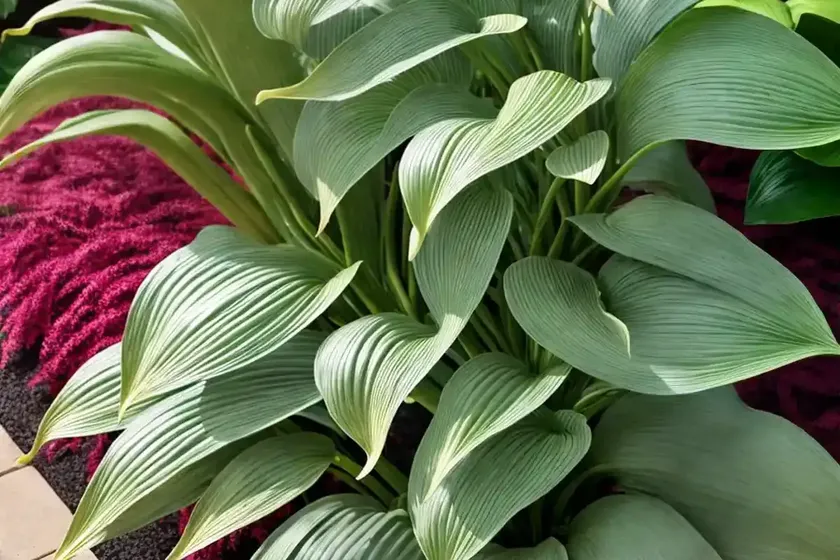
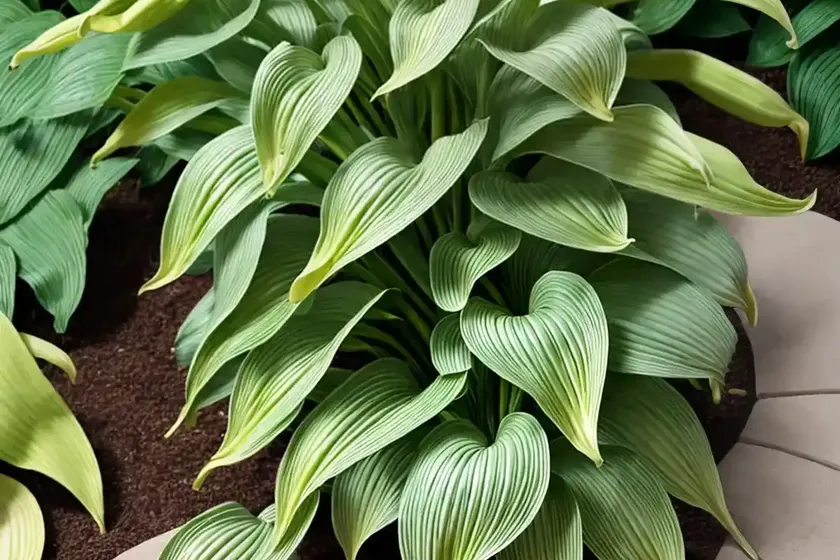
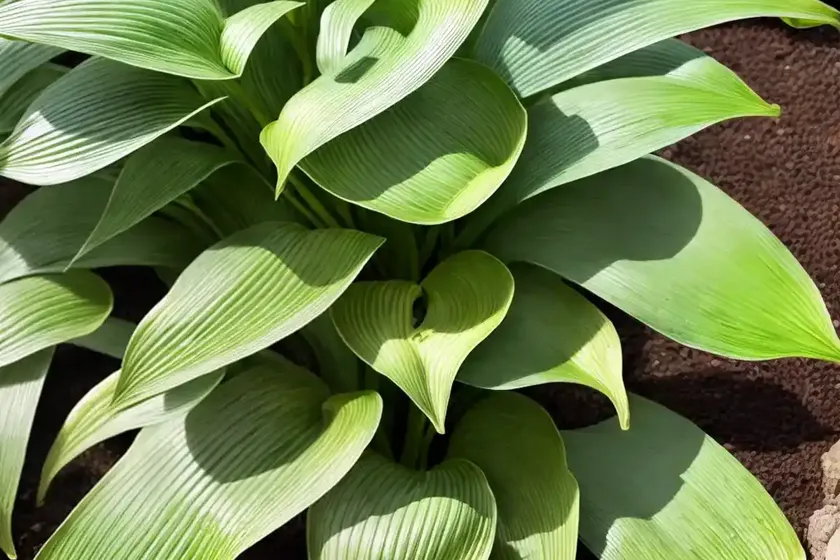
Hosta ‘Waterslide’, also known as Plantain Lily, is a shade-loving perennial that is prized for its attractive foliage and versatility in garden design. In this comprehensive guide, we will delve into the culture, uses, care tips, and landscaping potential of Hosta ‘Waterslide’. Additionally, we will explore its growth requirements, diseases, pests, and propagation methods, providing valuable insights for both seasoned gardeners and beginners.
What is Hosta ‘Waterslide’ (Plantain Lily)?
Hosta ‘Waterslide’ is a cultivar of the Hosta plant, a genus in the family Asparagaceae, native to northeast Asia. It is characterized by its lush foliage and ability to thrive in shaded areas, making it a popular choice for landscaping in gardens and urban spaces. The ‘Waterslide’ variety is specifically sought after for its vibrant colors, compact size, disease resistance, and distinctive foliage patterns.
Key Takeaways – Hosta ‘Waterslide’ (Plantain Lily)
Before delving deeper into the specifics of Hosta ‘Waterslide’, let’s highlight the key takeaways that will be covered in this guide:
- Culture:
-
The ideal growing conditions for Hosta ‘Waterslide’, including water, sunlight, soil, and fertilizer requirements.
-
Uses:
-
The versatile applications of Hosta ‘Waterslide’ in garden design, such as ground cover, edging, borders, rock gardens, and container plantings.
-
Care Tips:
-
Essential tips for plant care, including pruning, propagation, soil requirements, and watering needs.
-
Common Diseases and Pests:
-
Identification of common diseases, pest control measures, and disease resistance of Hosta ‘Waterslide’.
-
Botanist’s Tips:
-
Expert tips and recommendations for cultivating and maintaining Hosta ‘Waterslide’ in various environmental conditions.
-
Fun Facts:
-
Intriguing and lesser-known facts about Hosta ‘Waterslide’ that add to its allure.
-
Links to External Resources:
- Additional references and resources for further exploration of Hosta ‘Waterslide’ and related topics.
Now, let’s embark on a journey to discover the enchanting world of Hosta ‘Waterslide’ and unlock the secrets to nurturing and showcasing this remarkable plant in your garden.
Culture
Water
Ensuring adequate water supply is crucial for the health and vitality of Hosta ‘Waterslide’. Maintaining consistently moist soil, without waterlogging, is key to supporting its lush foliage and vibrant growth. During hot and dry periods, regular watering is essential to prevent the soil from drying out completely. However, it’s important to strike a balance, as overwatering can lead to root rot and other detrimental conditions.
To optimize the water requirements of Hosta ‘Waterslide’, consider the following guidelines:
-
Regular Monitoring: Check the moisture levels of the soil regularly, especially during warm and dry periods.
-
Mulching: Applying a layer of organic mulch around the base of the plant helps to retain soil moisture and reduces the need for frequent watering.
-
Deep Watering: When watering, ensure that the soil is thoroughly moistened to encourage deep root growth and resilience to dry spells.
Sunlight
As a shade-loving plant, Hosta ‘Waterslide’ thrives in moderate to full shade. In regions with intense sunlight, it is crucial to provide adequate shade or dappled light to prevent the foliage from scorching and to maintain the plant’s overall health. When selecting the ideal location for planting Hosta ‘Waterslide’, consider the following factors:
-
Shade Requirements: Identify areas in your garden that receive filtered sunlight or partial shade, such as beneath deciduous trees or alongside north-facing walls.
-
Protection from Midday Sun: Shield the plant from direct sun exposure during the hottest part of the day, especially in climates with intense summer heat.
Fertilizer
Applying a balanced fertilizer can support the growth and appearance of Hosta ‘Waterslide’, promoting robust foliage and vibrant colors. Given its preference for nutrient-rich soil, using a slow-release fertilizer designed for shade-loving plants can provide the necessary nutrients for sustained growth. When fertilizing Hosta ‘Waterslide’, consider the following recommendations:
-
Timing: Apply fertilizer in early spring before new growth emerges, and consider a second application in midsummer to sustain the plant’s vigor.
-
Avoiding Excess Nitrogen: While nitrogen is essential for foliage development, excessive nitrogen levels can lead to soft, lush growth that is more susceptible to damage from pests and diseases.
Soil
The ideal soil conditions for Hosta ‘Waterslide’ are well-draining, rich in organic matter, and slightly acidic to neutral pH. Amending the soil with compost and organic matter enhances its structure and fertility, creating an optimal environment for the plant to thrive. When preparing the soil for Hosta ‘Waterslide’, consider the following guidelines:
-
Loose and Aerated Soil: Ensure that the soil is loose and friable to facilitate root penetration and oxygenation.
-
Organic Amendments: Incorporate compost, leaf mold, or well-rotted manure into the soil to enhance its nutrient content and water retention capabilities.
Also, we offer Comprehensive Gardening Services. in your town, to maintain your garden’s health and beauty.
Uses
Hosta ‘Waterslide’ boasts a wide range of applications in garden design, providing versatility and aesthetic appeal. Whether used as a ground cover, border accent, or focal point in a shaded garden, its distinctive foliage and compact size make it a valuable addition to any landscape. Explore the diverse uses of Hosta ‘Waterslide’ in various settings:
-
Ground Cover: Its spreading habit and lush foliage make Hosta ‘Waterslide’ an excellent choice for creating a dense and visually appealing ground cover in shaded areas.
-
Edging and Borders: Designate pathways, flower beds, or garden borders with the orderly and attractive foliage of Hosta ‘Waterslide’, adding definition and interest to the landscape.
-
Rock Gardens: In combination with other shade-tolerant plants, Hosta ‘Waterslide’ contributes to the lush and verdant ambiance of rock gardens and shaded alcoves.
-
Container Plantings: Showcase the unique foliage patterns and vibrant colors of Hosta ‘Waterslide’ in containers placed on patios, balconies, or shaded outdoor spaces.
Pruning
Pruning helps maintain the vigor and aesthetic appeal of Hosta ‘Waterslide’, preventing overcrowding and promoting healthy growth. While Hosta ‘Waterslide’ does not require extensive pruning, removing spent flower scapes and trimming damaged or withered leaves can enhance the plant’s overall appearance. Consider the following pruning tips for Hosta ‘Waterslide’:
-
Removing Flower Scapes: Once the blooms have faded, trim the flower scapes near the base of the plant, directing the plant’s energy back into foliage growth.
-
Trimming Withered Leaves: Throughout the growing season, trim any discolored or withered leaves to encourage the emergence of new, healthy foliage.
Propagation
Hosta ‘Waterslide’ can be propagated through several methods, including division, seed germination, and tissue culture. Division, in particular, is a popular and effective means of multiplying existing plants and creating new specimens. When propagating Hosta ‘Waterslide’ through division, follow these steps for optimal results:
-
Spring Division: Divide mature clumps of Hosta ‘Waterslide’ in early spring before new growth emerges, ensuring that each division possesses healthy roots and sufficient foliage.
-
Soil Preparation: Plant the divisions in well-prepared soil, enriched with organic matter and positioned in shaded or semi-shaded locations for optimal establishment.
Container Popularity
Due to its compact size and aesthetic appeal, Hosta ‘Waterslide’ is a popular choice for container gardening. When cultivating Hosta ‘Waterslide’ in containers, consider the following factors to ensure its success:
-
Container Size: Select a container that accommodates the plant’s root system with room for future growth, ensuring adequate drainage to prevent waterlogging.
-
Potting Mix: Use a high-quality potting mix that provides excellent drainage and moisture retention, tailored for shade-loving plants.
-
Sheltered Placement: Position the container in a shaded or partially shaded area, protecting it from direct sunlight and minimizing heat stress.
Common Diseases
While Hosta ‘Waterslide’ exhibits robust disease resistance, it is susceptible to certain common pathogens and environmental stressors. Being vigilant and proactive in disease prevention and early intervention is essential for maintaining the health and vitality of the plant. The following are some common diseases that can affect Hosta ‘Waterslide’:
-
Fungal Leaf Spot: Caused by various fungal pathogens, leaf spot presents as dark lesions or spots on the foliage, potentially leading to leaf yellowing and defoliation.
-
Crown Rot: Overly wet or poorly drained soil can lead to crown rot, resulting in the decay of the plant’s central growth point and potential death of the plant.
-
Slug Damage: Slugs are known to feed on the lush foliage of Hosta ‘Waterslide’, leaving behind irregular holes and damage that detract from the plant’s overall appearance.
Disease Diagnosis
Early diagnosis of diseases is crucial for effective management and mitigation of potential damage to Hosta ‘Waterslide’. By recognizing the symptoms and characteristics of common diseases, gardeners can take proactive measures to address the issues promptly and minimize their impact. Consider the following diagnostic indicators for common diseases:
-
Fungal Leaf Spot: Look for dark, irregular spots or lesions on the leaves, often accompanied by yellowing and browning of affected tissue.
-
Crown Rot: Check for wilting, browning of the crown, and soft, water-soaked areas at the base of the plant, indicating the presence of crown rot.
-
Slug Damage: Examine the foliage for irregular holes and ragged edges, often indicative of slug feeding activity, particularly during damp and humid conditions.
Common Pests
In addition to being susceptible to slug damage, Hosta ‘Waterslide’ may encounter other common pests that can diminish its visual appeal and compromise its overall health. Identifying and addressing pest infestations in a timely manner is essential for preserving the pristine appearance of the plant. The following are common pests that may affect Hosta ‘Waterslide’:
-
Deer: In areas with deer populations, Hosta ‘Waterslide’ may be susceptible to browsing damage, as deer are known to graze on the foliage and tender shoots.
-
Snails and Slugs: These pests are attracted to the lush and moist foliage of Hosta ‘Waterslide’ and can cause unsightly damage if not effectively controlled.
-
Spider Mites: During dry and hot conditions, spider mites may infest Hosta ‘Waterslide’, causing stippling and discoloration of the leaves due to their feeding activity.
Botanist’s Tips
As a plant scientist with a passion for Hosta ‘Waterslide’, I have gathered invaluable insights and tips for cultivating and caring for this remarkable plant. Through years of research and hands-on experience, I have identified several key recommendations for maximizing the growth and appeal of Hosta ‘Waterslide’:
-
Seasonal Care: Adjust watering and fertilization practices based on seasonal changes, ensuring that Hosta ‘Waterslide’ receives the necessary support for each stage of growth and development.
-
Mulching Benefits: Apply organic mulch around the base of Hosta ‘Waterslide’ to conserve soil moisture, control weed growth, and provide a steady supply of nutrients.
-
Companion Planting: Pair Hosta ‘Waterslide’ with complementary shade-loving plants to create visually stunning and harmonious garden compositions, maximizing the appeal of the landscape.
Fun Facts
As we explore the world of Hosta ‘Waterslide’, it’s fascinating to uncover some lesser-known yet captivating facts about this unique plant. These fun facts not only enrich our appreciation for Hosta ‘Waterslide’ but also offer a glimpse into the intricate marvels of the natural world. Let’s delve into some intriguing fun facts about Hosta ‘Waterslide’:
-
Leaf Textures: Hosta ‘Waterslide’ exhibits a diverse array of leaf textures, ranging from smooth and glossy to heavily ribbed and rugose, adding depth and visual interest to its foliage.
-
Variegated Forms: Alongside its vibrant green foliage, Hosta ‘Waterslide’ is available in a multitude of variegated forms, featuring contrasting colors and patterns that captivate the eye.
-
Pollinator-Friendly Blooms: While Hosta ‘Waterslide’ is primarily grown for its foliage, it also produces delicate, bell-shaped flowers that attract pollinators, contributing to the ecological vibrancy of the garden.
Links to External Resources
Here are some valuable external resources that provide further insights and information about Hosta ‘Waterslide’ and related topics:
-
American Hosta Society – https://www.americanhostasociety.org/
-
The Hosta Library – http://www.hostalibrary.org/
-
University of Minnesota Extension – Growing Hostas in the North – https://extension.umn.edu/planting-and-growing-guides/growing-hostas-north
With these resources, you can delve deeper into the world of Hosta ‘Waterslide’ and expand your knowledge of shade-loving plants, garden design, and horticultural best practices.
In conclusion, Hosta ‘Waterslide’ (Plantain Lily) stands as a remarkable addition to any garden, offering an exquisite combination of stunning foliage, versatility, and low maintenance requirements. By understanding its culture, uses, care tips, and unique attributes, you can unlock the full potential of this captivating shade-loving plant and elevate the beauty of your outdoor spaces.
References
-
Adkins, J. The Gardener’s Guide to Growing Hostas. Timber Press, 2008.
-
Gilbert, S. Hosta, Storey Publishing, 2014.
-
American Hosta Society – https://www.americanhostasociety.org/
-
The Hosta Library – http://www.hostalibrary.org/
-
University of Minnesota Extension – Growing Hostas in the North – https://extension.umn.edu/planting-and-growing-guides/growing-hostas-north
-
Chen, F., et al. “Understanding Hosta Virus X.”
The Plant Health Instructor, 2008, doi: 10.1094/PHI-I-2008-1015-01.