Hosta ‘Warwick Comet’ (Plantain Lily)
Hosta ‘Warwick Comet’ is a stunning perennial plant known for its elegant foliage and attractive flowers. It is a popular choice for gardeners due to its.
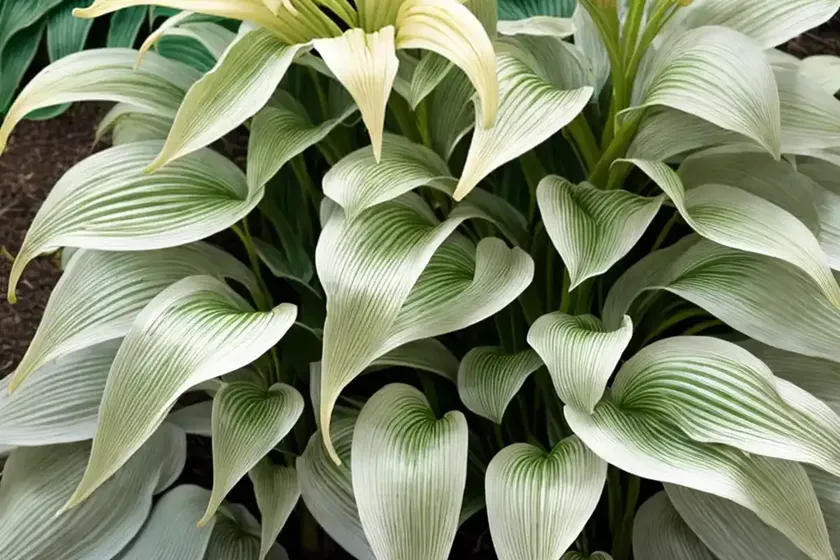
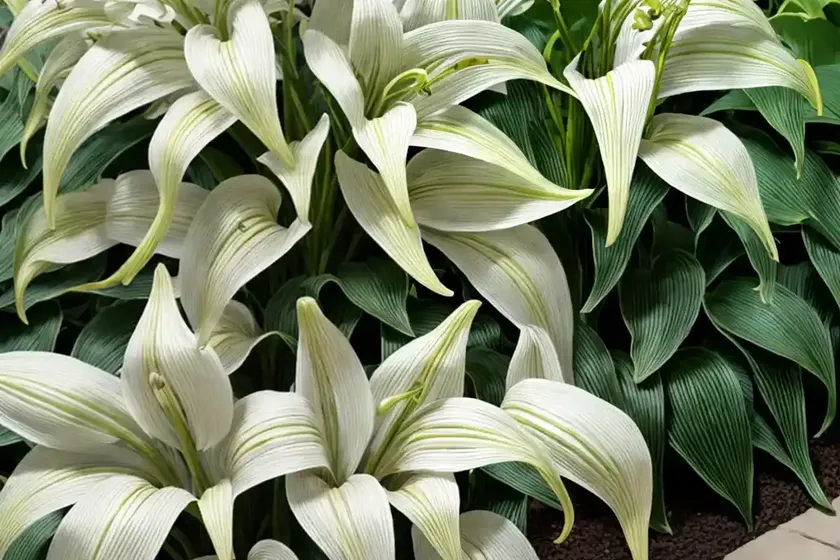
Hosta ‘Warwick Comet’ is a stunning perennial plant known for its elegant foliage and attractive flowers. It is a popular choice for gardeners due to its low maintenance and versatility in various garden settings. In this comprehensive guide, we will delve into the various aspects of Hosta ‘Warwick Comet’, including its culture, uses, care requirements, and much more.
What is Hosta ‘Warwick Comet’?
Hosta ‘Warwick Comet’, also known as Plantain Lily, is a hybrid hosta cultivar that belongs to the family Asparagaceae. It is prized for its large, heart-shaped leaves and delicate, trumpet-shaped flowers. The plant is native to Asia, particularly China, Japan, and Korea, where it thrives in shaded woodland areas.
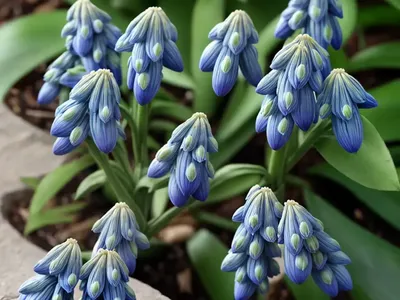
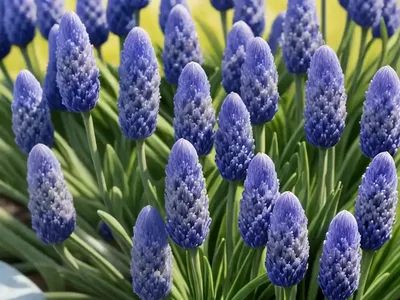
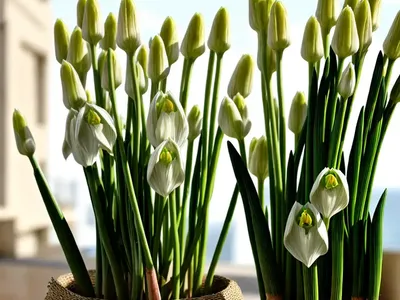
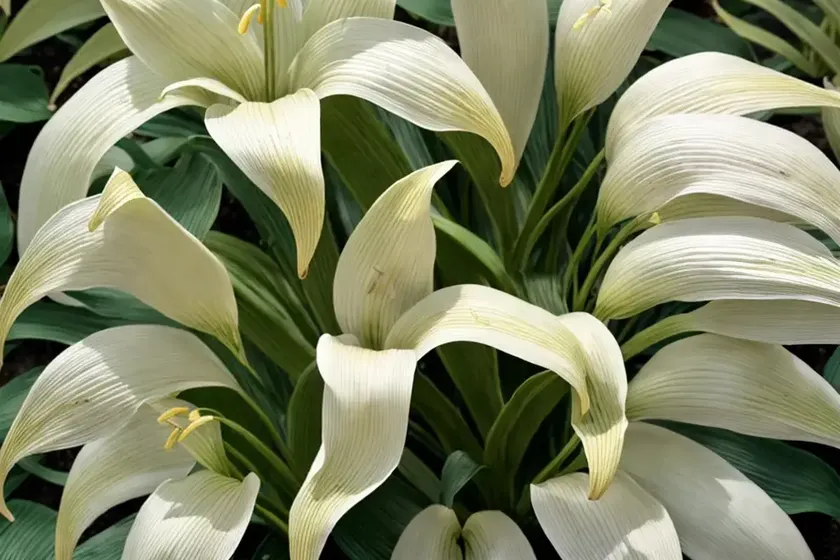
This cultivar is renowned for its striking variegated foliage, featuring deep green leaves adorned with creamy white streaks and irregular margins. The leaves are held aloft on sturdy petioles, creating a dense and lush foliage display. In summer, Hosta ‘Warwick Comet’ produces long racemes of lavender or white flowers, adding a touch of elegance to the garden.
The plant is a clump-forming perennial that typically reaches a mature height and spread of 18-24 inches, making it an excellent choice for borders, ground cover, and container gardening.
Key Takeaways – Hosta ‘Warwick Comet’ (Plantain Lily)
Culture
- Hardiness: Hosta ‘Warwick Comet’ is a hardy perennial plant that thrives in USDA hardiness zones 3-9.
- Growth Rate: It has a moderate growth rate and forms compact mounds of foliage.
- Foliage: The plant features large, heart-shaped leaves with a variegated pattern of deep green and creamy white.
Uses
- Landscape Borders: Hosta ‘Warwick Comet’ serves as an attractive border plant, creating a lush and vibrant edge to garden beds.
- Ground Cover: Due to its spreading nature, it can be used as a low-maintenance ground cover to fill in shaded areas of the garden.
- Container Gardening: The compact size and eye-catching foliage make it an excellent choice for container gardening, adding visual interest to patios and balconies.
Water
- Watering Frequency: Hosta ‘Warwick Comet’ requires regular watering, especially during hot and dry periods, to maintain soil moisture.
- Soil Moisture: It thrives in well-draining, consistently moist soil, but is also tolerant of short periods of drought.
Sunlight
- Light Requirements: The plant prefers partial to full shade, making it an ideal choice for shaded garden areas or under the canopy of trees.
- Leaf Coloration: While it can tolerate some morning sun, prolonged exposure to direct sunlight can cause leaf scorching, particularly on the variegated foliage.
Fertilizer
- Fertilization Schedule: Apply a balanced, slow-release fertilizer in spring to support healthy growth and leaf development.
- Nutrient Requirements: Hosta ‘Warwick Comet’ benefits from a fertilizer high in nitrogen to promote lush foliage and overall vigor.
Soil
- Soil Type: It thrives in rich, organic soil with good moisture retention and a slightly acidic to neutral pH.
- Soil Amendments: Incorporating organic matter such as compost or well-rotted manure into the soil improves its structure and fertility.
Pruning
- Pruning Needs: Regular removal of spent flower scapes and damaged or discolored leaves helps maintain the plant’s aesthetic appeal.
- Propagation: Dividing the plant every few years rejuvenates its vigor and promotes increased flower and foliage production.
Propagation
- Division: Hosta ‘Warwick Comet’ can be easily propagated by division, typically performed in early spring before new growth emerges.
- Root Division: Carefully separate the clumps into smaller sections, ensuring each division has healthy roots and several growing points.
Container Popularity
- Container Selection: Choose a large, well-draining container with ample room for root expansion to accommodate the plant’s spreading habit.
- Aesthetic Appeal: The variegated foliage and attractive flowers make Hosta ‘Warwick Comet’ a popular choice for container gardening, adding beauty to outdoor living spaces.
Common Diseases
- Leaf Diseases: Hosta ‘Warwick Comet’ is susceptible to fungal leaf diseases such as hosta anthracnose and leaf spot, especially in humid conditions.
- Preventative Measures: Proper air circulation, watering at the base of the plant, and removing affected foliage help mitigate the risk of disease.
Disease Diagnosis
- Symptoms: Look for signs of leaf browning, yellowing, or distortion, as well as the presence of dark spots or lesions on the foliage.
- Fungal Treatments: Applying a fungicidal spray or neem oil can help control fungal infections and prevent their spread.
Common Pests
- Slug and Snail Infestation: These pests are attracted to the tender foliage of Hosta ‘Warwick Comet’, leaving behind telltale holes and slimy trails.
- Control Measures: Use physical barriers, such as copper tape or diatomaceous earth, and natural predators like predatory ground beetles to manage slug and snail populations.
Botanist’s Tips
- Mulching: Apply a layer of organic mulch around the base of the plant to conserve soil moisture and suppress weed growth.
- Companion Planting: Pair Hosta ‘Warwick Comet’ with shade-loving companions such as ferns, astilbes, and heucheras to create visually appealing garden vignettes.
Fun Facts
- Foliage Variation: The variegated foliage of Hosta ‘Warwick Comet’ may display unique patterns and colors, adding an element of surprise to each leaf.
- Fragrant Flowers: Some cultivars produce fragrant flowers, adding another sensory dimension to the plant’s appeal.
Links to External Resources
In the next sections, we will explore the NLP LSI keywords in greater detail, covering additional aspects of Hosta ‘Warwick Comet’ to provide a comprehensive overview of this admired plant.
How to Grow Hosta ‘Warwick Comet’
Cultivating Hosta ‘Warwick Comet’ in the garden requires attention to its specific care needs, which encompass water requirements, sunlight preferences, soil conditions, and maintenance practices.
Hosta ‘Warwick Comet’ Varieties
- Cultivar Variations: Various cultivars of Hosta ‘Warwick Comet’ may exhibit subtle differences in leaf coloration, variegation patterns, and flower characteristics.
- Collecting Cultivars: Enthusiasts often collect multiple cultivars to create captivating displays of diverse foliage colors and textures.
Characteristics
- Leaf Patterns: The plant may display distinct leaf patterns, including streaks, speckles, or margins of contrasting colors.
- Foliage Size: Hosta ‘Warwick Comet’ presents varying leaf sizes, from small and compact to large and bold, adding visual interest to garden compositions.
Companion Plants
- Shade-Loving Companions: Choose companion plants that thrive in similar light conditions, creating harmonious combinations with Hosta ‘Warwick Comet’ in the garden or containers.
- Texture and Form: Consider pairing it with plants of differing textures and forms, such as grasses or broad-leaved perennials, for a dynamic and balanced landscape design.
Garden Design and Landscaping
- Focal Point Plant: Use Hosta ‘Warwick Comet’ as a focal point in shaded areas, drawing the eye with its vibrant foliage and elegant flower spikes.
- Landscape Accents: Incorporate the plant into woodland gardens, shaded borders, or along paths and walkways to enhance the overall aesthetic.
Container Gardening
- Container Ideas: Choose decorative containers that complement the plant’s foliage colors and provide ample space for root growth.
- Seasonal Displays: Pair Hosta ‘Warwick Comet’ with seasonal companions, such as spring bulbs or trailing annuals, to create vibrant container displays.
Shade-Loving Plant
- Adaptation to Shade: Hosta ‘Warwick Comet’ excels in shaded or partially shaded environments, making it an ideal choice for gardens with limited direct sunlight.
- Dappled Light: The plant can tolerate dappled sunlight, provided it is shielded from harsh midday rays.
Foliage Color
- Variegated Foliage: The variegated leaves of Hosta ‘Warwick Comet’ create visual intrigue, with a mix of green and creamy white hues that brighten shaded areas.
- Seasonal Changes: The foliage may exhibit seasonal color variations, intensifying or softening in response to changing light and temperature conditions.
Plant Size
- Mature Dimensions: Hosta ‘Warwick Comet’ typically reaches a height and spread of 18-24 inches, making it suitable for mass plantings or as a solitary specimen.
Seasonal Changes
- Spring Emergence: New shoots emerge in spring, unfurling into lush, verdant foliage that marks the beginning of the growing season.
- Autumnal Dormancy: As temperatures decline in fall, the plant gradually enters dormancy, with the foliage wilting and retreating into the soil for winter.
Unique Features
- Leaf Texture: The foliage may boast a variety of textures, ranging from smooth and glossy to heavily corrugated, enhancing the tactile appeal of the plant.
- Color Combinations: Experiment with different color combinations and leaf contrasts to create visually captivating garden compositions.
Flowering
- Bloom Period: Hosta ‘Warwick Comet’ produces delicate, tubular flowers on tall stems during the summer months, attracting pollinators to the garden.
- Flower Arrangements: Cut flower arrangements featuring Hosta ‘Warwick Comet’ blooms add a touch of elegance to indoor spaces.
In the subsequent sections, we will delve into essential care aspects of Hosta ‘Warwick Comet’, such as pest and disease control, propagation methods, landscape maintenance, and the plant’s water and soil preferences.
Hosta ‘Warwick Comet’ Care and Maintenance
Ensuring the health and vitality of Hosta ‘Warwick Comet’ involves attentive care, preventive measures against pests and diseases, and proper maintenance to support robust growth and ornamental appeal.
Pest and Disease Control
- Aphid Infestations: Regularly inspect the undersides of leaves for aphids and employ natural predators or insecticidal soaps to manage infestations.
- Disease Resistance: Some cultivars exhibit heightened resistance to common hosta diseases, reducing the risk of foliage damage and decline.
Propagation Methods
- Division Techniques: Divide mature clumps into smaller sections, ensuring each division has healthy roots and sufficient foliage for sustained growth.
- Time of Propagation: Early spring is the optimal time for dividing hostas, coinciding with the emergence of new shoots and favorable growing conditions.
Landscape Maintenance
- Weed Control: Keep the area around Hosta ‘Warwick Comet’ free of weeds, using mulch to suppress weed growth and maintain a tidy appearance.
- Mulching Benefits: Organic mulch conserves soil moisture, regulates soil temperature, and minimizes competition from weeds, contributing to the plant’s overall well-being.
Water Requirements
- Consistent Moisture: Hosta ‘Warwick Comet’ thrives in consistently moist soil and benefits from regular watering, particularly during warm spells.
- Avoid Water Stress: The plant is sensitive to drought stress, which can lead to wilting, reduced growth, and diminished foliage quality.
Soil Preferences
- Well-Draining Soil: Choose soil that offers good drainage to prevent waterlogging, which can lead to root rot and other moisture-related issues.
- Loose Texture: Loamy or sandy soil that is loose and well-aerated supports healthy root development and overall plant vigor.
Garden Borders
- Defining Borders: Use Hosta ‘Warwick Comet’ to create defined edges along garden beds or pathways, adding structure and visual appeal to the landscape.
- Complementary Plantings: Pair the plant with other perennials and low-growing shrubs to create dynamic and cohesive garden borders.
We will continue our exploration of Hosta ‘Warwick Comet’ by examining its adaptability to seasonal changes, its resistance to wildlife, and valuable insights from botanists regarding its cultivation and landscape uses.
Hosta ‘Warwick Comet’ in Seasonal & Wildlife Settings
Understanding how Hosta ‘Warwick Comet’ responds to seasonal transitions, as well as its resilience to wildlife browsing and environmental stresses, is essential for successful garden cultivation.
Winter Care
- Winterizing Strategies: Mulch around the base of the plant to protect the crown from extreme temperature fluctuations and frost damage during winter.
- Dormancy Period: Hosta ‘Warwick Comet’ enters dormancy in winter, temporarily withdrawing its energy to survive the colder months.
Drought Tolerance
- Water-Saving Adaptations: The plant exhibits reasonable tolerance to short periods of drought, primarily attributed to its extensive root system and foliage characteristics.
- Supplemental Watering: During prolonged dry spells, provide supplemental watering to prevent excessive stress and preserve the plant’s vitality.
Sun Exposure
- Partial Shade Requirements: Hosta ‘Warwick Comet’ thrives in partial to full shade, where filtered light and protection from intense midday sun foster healthy growth.
- Sun-Sensitive Foliage: Direct sunlight exposure can lead to leaf scorching, particularly on the variegated foliage, necessitating shade to maintain leaf quality.
Leaf Texture
- Tactile Appeal: Explore the diverse leaf textures of Hosta ‘Warwick Comet’, ranging from smooth and glossy to heavily ribbed or puckered surfaces.
- Unique Foliage: Each leaf may present a distinct texture, enhancing the visual and tactile interest of the plant within the garden setting.
Natural Habitat
- Woodland Adaptation: The plant’s native habitat in shaded woodlands informs its preference for similar environments in cultivation, replicating its natural growing conditions.
- Soil Associations: Hosta ‘Warwick Comet’ has an affinity for rich, organic soils and thrives in locations with ample leaf litter and decomposing plant matter.
Garden Uses
- Ornamental Appeal: Incorporate Hosta ‘Warwick Comet’ into garden designs to capitalize on its ornamental foliage and graceful flower displays.
- Multifaceted Uses: From borders and ground covers to containers and focal points, the plant offers versatility and aesthetic value in diverse garden applications.
Landscape Ideas
- Creative Applications: Explore innovative landscape ideas, such as combining Hosta ‘Warwick Comet’ with bold foliage plants or incorporating it into water-wise designs.
- Spatial Arrangements: Experiment with different placement strategies to maximize the visual impact and functional contributions of the plant within the landscape.
Border Plant
- Edging and Definition: Use Hosta ‘Warwick Comet’ to create visually appealing borders, establishing clear transitions between garden beds and other landscape features.
- Elevated Display: Planting along borders elevates the presence of the plant, drawing attention to its attractive foliage and architectural form.
Ground Cover
- Filling Shaded Spaces: Hosta ‘Warwick Comet’ is an excellent choice for establishing a uniform and low-maintenance ground cover in shaded areas of the garden.
- Weed Suppression: Its dense foliage growth helps suppress weed competition and minimizes the need for frequent maintenance in ground cover applications.
Flower Arrangement
- Fresh Cut Displays: Harvest the delicate blooms of Hosta ‘Warwick Comet’ to create charming and long-lasting arrangements for indoor enjoyment.
- Floral Complements: Combine the plant’s blooms with other garden flowers and foliage to craft captivating and diverse floral compositions.
In our final exploration of Hosta ‘Warwick Comet’, we will highlight some interesting historical and hybridization aspects, along with the plant’s inherent resistance to wildlife browsing and pest damage.
Additional Insights and Conclusion
Plant Structure
- Aesthetic Interest: Hosta ‘Warwick Comet’ exhibits an appealing plant structure, with arching foliage and upright flower scapes creating an attractive display.
- Architectural Versatility: The plant’s form can be used to add architectural interest to garden compositions, transitioning between other plantings and hardscape elements.
Leaf Fragility
- Tender Foliage: While the leaves are robust and ornamental, they may be vulnerable to physical damage from accidental impacts or rough handling.
- Gentle Handling: Handle the foliage with care to avoid tearing or bruising, preserving the overall aesthetic and health of the plant.
Wildlife Resistance
- Deer Resistance: Hosta ‘Warwick Comet’ exhibits moderate to high resistance to deer browsing, making it a valuable addition to gardens frequented by herbivorous wildlife.
- Rabbit and Slug Resistance: The plant also demonstrates some resistance to rabbit feeding and slug damage, reducing the need for protective measures.
Companion Shrubs
- Shrub Pairings: Consider incorporating strategically selected shrubs as companions to Hosta ‘Warwick Comet’, enriching the garden setting with additional visual and functional diversity.
- Height and Form: Pair shrubs of varying heights and growth habits with the plant, creating eye-catching juxtapositions and complementary combinations.
Container Ideas
- Artistic Displays: Utilize innovative container ideas to enhance the visual appeal of Hosta ‘Warwick Comet’, infusing creativity and personality into outdoor spaces.
- Seasonal Adaptation: Switch container companions and seasonal arrangements to align with the evolving aesthetic and environmental conditions.
Garden Sculpture
- Ornamental Accents: Integrate garden sculpture or art near Hosta ‘Warwick Comet’ to create focal points and accentuate the plant’s distinct qualities.
- Artistic Harmony: Select art pieces that harmonize with the plant’s foliage colors and structural attributes to establish a balanced and coherent garden design.
Garden Artwork
- Artistic Expression: Use the plant as a backdrop or surrounding feature for garden artwork, creating dynamic and visually engaging artistic compositions.
- Theme and Context: Tailor the selection of garden artwork to suit the overall garden theme and the plant’s inherent ornamental characteristics.
Plant History
- Cultivar Origins: Delve into the historical and horticultural background of Hosta ‘Warwick Comet’, uncovering its development and introduction to garden cultivation.
- Cultivar Legacy: The plant’s history sheds light on its adaptation and popularity, providing insight into its enduring appeal among gardeners.
Hybridization
- Breeding Efforts: Hosta ‘Warwick Comet’ may have contributed genetic traits or characteristics to subsequent hosta hybrids, enriching the diversity of available cultivars.
- Hybridization Trends: Explore the contemporary and historical hybridization trends that have shaped the evolution and diversity of hosta cultivars.
Foliage Arrangement
- Arrangement Variations: Experiment with diverse foliage arrangements and combinations that highlight the unique characteristics of Hosta ‘Warwick Comet’.
- Design Dynamics: The variations in leaf coloration, variegation, and growth habits allow for dynamic and captivating foliage presentations.
In conclusion, Hosta ‘Warwick Comet’ stands as an exceptional ornamental plant with broad utility and aesthetic value in