Hosta ‘Victory’ (Plantain Lily)
Hosta ‘Victory’ is a popular ornamental plant known for its attractive foliage and easy-care nature. As a plant scientist, I am excited to delve into the.
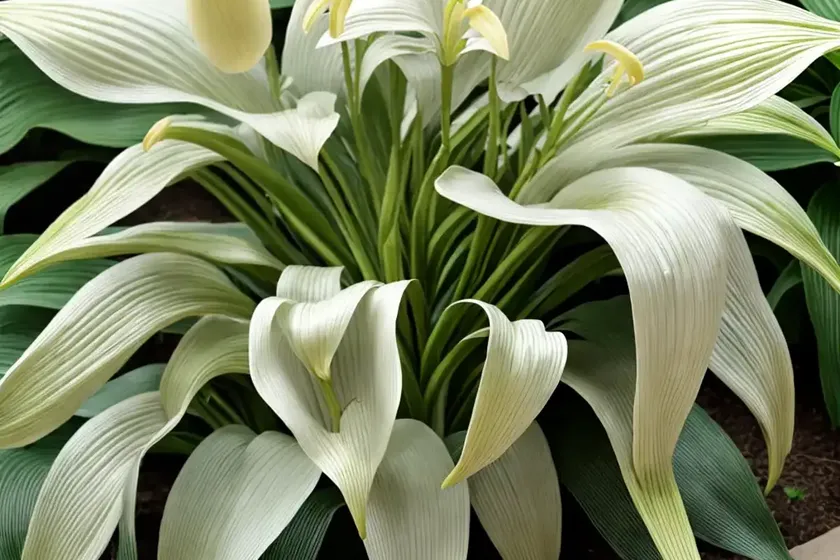
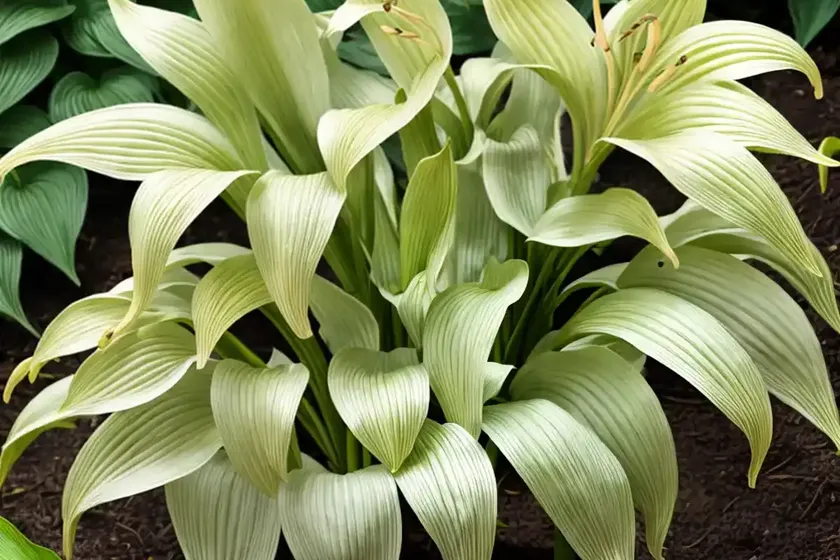
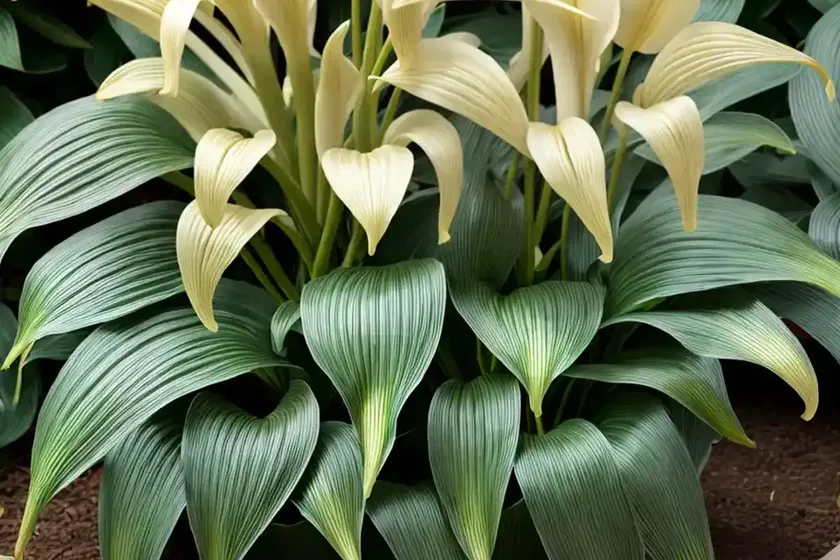
Hosta ‘Victory’ is a popular ornamental plant known for its attractive foliage and easy-care nature. As a plant scientist, I am excited to delve into the details of this stunning plant and provide a comprehensive guide for enthusiasts and gardeners. In this guide, we will explore the botanical characteristics, culture, uses, maintenance tips, common diseases, and much more about Hosta ‘Victory’.
What is Hosta ‘Victory’ (Plantain Lily)?
Hosta ‘Victory’, commonly known as Plantain Lily, is a herbaceous perennial valued for its lush foliage and delicate blooms. Belonging to the family Asparagaceae, Hosta ‘Victory’ is a cultivar that has gained popularity among gardeners and landscapers for its vibrant and versatile characteristics. This cultivar is esteemed for its low-maintenance requirements and adaptability to diverse growing conditions, making it a favored choice for garden borders, containers, and shaded landscapes.
With its heart-shaped leaves, attractive foliage patterns, and occasional flower spikes, Hosta ‘Victory’ adds elegance and visual interest to outdoor spaces. Whether used as a standalone specimen, a ground cover, or in mixed plantings, this plant offers versatility and aesthetic appeal. Let’s explore the key aspects of Hosta ‘Victory’, including its culture, uses, maintenance, and more in detail.
Key Takeaways – Hosta ‘Victory’ (Plantain Lily)
Culture
The culture of Hosta ‘Victory’ encompasses various factors crucial for its successful growth and development. From sunlight requirements to soil preferences, understanding the ideal culture for this plant is essential for cultivating healthy and thriving specimens.
-
Water: Hosta ‘Victory’ thrives in consistently moist soil, especially during the active growing season. While it prefers well-draining soil, it’s important to ensure adequate moisture to support robust foliage and root development.
-
Sunlight: Appreciating partial to full shade, Hosta ‘Victory’ excels in locations with limited direct sunlight. Shaded garden beds, woodland settings, and areas with dappled light are ideal for promoting optimal growth and leaf coloration.
-
Fertilizer: Regular fertilization can contribute to the overall vigor and performance of Hosta ‘Victory’. A balanced, slow-release fertilizer applied in spring and possibly again in midsummer can support healthy foliage and potential flower production.
-
Soil: Well-draining, humus-rich soil with slightly acidic to neutral pH is preferred for Hosta ‘Victory’. Amending the soil with organic matter can enhance its texture and fertility, providing an ideal substrate for the plant’s root system.
-
Pruning: While not essential, removing spent flower stems and yellowing foliage can promote a tidy appearance and redirect the plant’s energy towards new growth. Additionally, dividing mature clumps every few years can help rejuvenate the plant and prevent overcrowding.
Uses
Understanding the diverse uses of Hosta ‘Victory’ enables gardeners to capitalize on its ornamental value and functional attributes. From landscaping to container gardening, this plant offers numerous possibilities for enhancing outdoor spaces.
-
Garden Borders: Hosta ‘Victory’ makes an excellent choice for border plantings, where its foliage can create attractive edging and define garden beds. Its low-growing habit and foliage texture contribute to landscape aesthetics.
-
Containers: Utilizing Hosta ‘Victory’ in containers allows for portability and flexibility in garden design. Whether displayed alone in a decorative pot or combined with other shade-loving plants, it can elevate the appeal of patios, balconies, and shaded outdoor areas.
-
Ground Cover: With its spreading nature and dense foliage, Hosta ‘Victory’ can serve as a ground cover in shaded areas under trees or alongside pathways. Its ability to suppress weed growth and fill in empty spaces makes it a practical ground cover option.
Maintenance
Effective maintenance practices are integral to sustaining the health and vitality of Hosta ‘Victory’. Comprising watering, pest control, and prudent care, maintenance efforts can help preserve the plant’s vigor and visual allure.
-
Watering: Monitoring soil moisture and providing adequate water, especially during hot and dry periods, is crucial for the well-being of Hosta ‘Victory’. A consistent watering regimen can prevent drought stress and ensure lush, resilient foliage.
-
Pest Control: Vigilance against common pests such as slugs, snails, and certain insects is essential for protecting Hosta ‘Victory’ from potential damage. Natural or targeted control methods can effectively manage pest infestations while safeguarding the plant.
-
Propagation: Propagating Hosta ‘Victory’ through division or seed sowing offers opportunities to expand plantings and rejuvenate established clumps. Dividing mature specimens in early spring or fall can facilitate the multiplication of this cultivar.
These key takeaways set the stage for a detailed exploration of Hosta ‘Victory’, encompassing its care, attributes, and interactions within the garden environment. Let’s delve into each aspect to gain a comprehensive understanding of this captivating plant.
Hosta ‘Victory’ Care
The care regimen for Hosta ‘Victory’ is foundational to its successful cultivation and incorporates various elements that contribute to its well-being. Understanding the specific care requirements for this plant is essential for sustaining its vigor and ornamental appeal.
Water
Water is an essential component of Hosta ‘Victory’s care routine, contributing to its hydration, nutrient uptake, and overall physiological functions. Adequate and appropriate watering practices are essential for supporting the plant’s growth and maintaining its visual allure.
-
Watering Needs: Hosta ‘Victory’ thrives in consistently moist soil, necessitating regular watering to sustain optimal moisture levels. During periods of heat or drought, supplementary watering can prevent soil dryness and associated stress.
-
Watering Frequency: While the exact frequency of watering may vary based on factors such as climate, soil type, and container size, a general guideline is to water Hosta ‘Victory’ when the top inch of soil feels dry. Deep, thorough watering at the base of the plant is preferable to promote strong root development.
-
Watering Methods: Directing water at the plant’s base using a gentle flow can ensure effective uptake without causing soil erosion or foliage damage. Avoiding overhead watering can minimize foliar diseases and maintain the cleanliness of the plant’s leaves.
Sunlight
Hosta ‘Victory’ has specific requirements concerning sunlight exposure, and understanding its preferences enables gardeners to optimize its placement for thriving growth and aesthetic impact.
-
Sunlight Requirements: Hosting ‘Victory’ is prized for its shade tolerance and performs admirably in locations with partial to full shade. Avoiding prolonged exposure to direct sunlight is crucial to prevent leaf scorch and preserve the plant’s foliage quality.
-
Shaded Environments: Shaded garden beds, woodland settings, and areas with filtered or dappled light are ideal for accommodating Hosta ‘Victory’. These environments provide the necessary light conditions for optimal growth and leaf coloration, imparting an understated elegance to the landscape.
Fertilizer
Fertilization plays a significant role in supporting the nutrient requirements of Hosta ‘Victory’ and enhancing its overall vigor and appeal.
-
Fertilizer Selection: A balanced, slow-release fertilizer formulated for ornamental perennials is suitable for nourishing Hosta ‘Victory’. Selecting a fertilizer with a balanced ratio of essential nutrients, such as 10-10-10 or 12-12-12, can provide comprehensive nourishment.
-
Application Timing: Applying fertilizer in early spring as new growth emerges can fortify the plant for the upcoming growing season. A subsequent application in midsummer can sustain the plant’s nutritional needs and bolster its resilience.
-
Application Method: Evenly broadcasting the fertilizer around the base of the plant and lightly incorporating it into the soil surface can ensure uniform nutrient distribution and uptake. Avoiding direct contact with the foliage or crowns of the plant is advisable to prevent potential burn or damage.
Soil
The soil environment significantly impacts the growth, development, and overall health of Hosta ‘Victory’, underscoring the importance of soil care and maintenance.
-
Soil Texture: Well-draining, humus-rich soil with a loamy consistency is conducive to the optimal growth of Hosta ‘Victory’. Amending heavy or compacted soil with organic matter, such as compost or peat moss, can improve its structure and drainage.
-
Soil pH: Hosta ‘Victory’ thrives in slightly acidic to neutral soil with a pH range of 6.0 to 7.5. Monitoring and adjusting the soil pH as needed can create an environment conducive to the plant’s nutrient uptake and overall well-being.
-
Mulching: Applying a layer of organic mulch, such as shredded bark or leaf mold, around the base of Hosta ‘Victory’ can conserve soil moisture, suppress weed growth, and moderate soil temperatures. Mulching also contributes to the overall aesthetic appeal of the planting area.
Pruning
Pruning or trimming Hosta ‘Victory’ serves both aesthetic and functional purposes, contributing to the plant’s tidiness, vigor, and longevity.
-
Flower Stem Removal: Removing spent flower stems after blooming not only enhances the plant’s visual appeal but also redirects its energy towards vegetative growth. Snipping the flower stems at their base allows the plant to conserve resources for foliage development.
-
Foliage Cleanup: Periodically removing yellowing or damaged foliage can maintain the plant’s cleanliness and prevent the accumulation of debris. Tidying up the foliage promotes a neat appearance and reduces potential disease susceptibility.
-
Division: Dividing mature Hosta ‘Victory’ clumps every few years can rejuvenate the plant, prevent overcrowding, and facilitate the production of new, healthy shoots. Dividing in early spring or fall, when the plant is dormant or emerging from dormancy, can ensure successful establishment of divided segments.
Propagation Methods for Hosta ‘Victory’
Propagating Hosta ‘Victory’ enables enthusiasts to expand their plantings, share specimens with others, and rejuvenate established clumps. Understanding the various propagation methods and their associated techniques equips gardeners with the knowledge to propagate this cultivar successfully.
Division
Division is one of the primary methods for propagating Hosta ‘Victory’ and involves separating the plant’s clumps into individual segments to create new plantings.
-
Timing: Early spring or fall, when the plant is either dormant or transitioning into dormancy, is an opportune time for dividing Hosta ‘Victory’. The cooler temperatures and reduced demand for active growth promote successful division and establishment.
-
Procedure:
- Carefully dig up the established clump, taking care to preserve the root system and associated soil.
- Using a sharp, clean tool, such as a garden spade or knife, divide the clump into smaller segments, ensuring that each division possesses healthy roots and foliage.
-
Plant the divided segments at the desired locations, ensuring adequate spacing and soil preparation to support their establishment.
-
Aftercare: Upon division and transplanting, ensuring consistent moisture and gentle care can facilitate the establishment and subsequent growth of the divided segments. Monitoring their progress and providing appropriate care supports their integration into the garden landscape.
Seed Propagation
While less commonly practiced than division, propagating Hosta ‘Victory’ from seeds offers an alternative method for generating new plants and exploring genetic variability.
-
Seed Collection: Collecting ripe seed pods from the plant after flowering enables the acquisition of viable seeds for propagation. Allowing the pods to mature on the plant until they change color and become slightly dry is indicative of their readiness for harvesting.
-
Germination: Sowing the collected seeds in a well-prepared seed-starting medium and maintaining consistent moisture and warmth can foster their germination. Providing an environment conducive to seedling development, such as a controlled indoor setting, can support successful germination.
-
Transplanting: Once the seedlings have developed true leaves and exhibited sufficient vigor, carefully transplanting them into individual containers or prepared garden beds promotes their continued growth and eventual establishment.
Tissue Culture
Tissue culture, a propagation method commonly employed in commercial settings, offers a means of rapidly multiplying and establishing plants under controlled conditions.
-
Laboratory Techniques: Initiating tissue culture propagation involves obtaining small, sterile plant tissue samples from selected parent plants and introducing them into a specialized growth medium in a laboratory setting. The sterile and carefully controlled environment supports the growth and multiplication of the tissue samples.
-
Shoot Multiplication: The establishment of shoot multiplication cultures allows for the rapid proliferation of new plantlets from the initial tissue samples. Under precise environmental conditions and nutrient supplementation, the multiplication process progresses, generating numerous plantlets for subsequent acclimatization and transfer to conventional growing conditions.
-
Acclimatization: Once the multiplied plantlets have developed robust root systems and foliage, acclimatizing them to standard growing conditions facilitates their adaptation and integration into the intended landscape or production setting.
Common Diseases of Hosta ‘Victory’
Hosta ‘Victory’, while generally resilient, is susceptible to certain diseases that can impact its health and appearance. Recognizing and effectively managing these diseases is essential for preserving the plant’s vigor and ornamental value.
Disease Diagnosis
Detecting and identifying common diseases affecting Hosta ‘Victory’ allows for targeted intervention and appropriate management strategies to mitigate their impact.
-
Fungal Diseases: Anthracnose and leaf spot diseases caused by various fungal pathogens can manifest as discolored or spotted foliage, affecting the visual appeal and vigor of the plant.
-
Viral Infections: Viral diseases such as Hosta Virus X (HVX) can induce mottling, distortion, and stunting of the plant’s foliage, compromising its overall health and vitality.
-
Bacterial Issues: Bacterial infections, though less common, can lead to symptoms such as rotting, wilting, and general decline in affected plant parts, necessitating prompt intervention to prevent further spread.
Disease Management
Implementing proactive and targeted disease management practices can minimize the impact of diseases on Hosta ‘Victory’ and promote its sustained well-being.
-
Cultural Practices: Maintaining good cultural practices, such as appropriate watering, soil amendment, and adequate spacing between plants, can create conditions less conducive to disease development and spread.
-
Sanitation: Regularly removing and disposing of affected plant debris, practicing cleanliness in garden tools, and minimizing potential disease reservoirs can curtail the spread of diseases within the planting area.
-
Disease-Resistant Varieties: Selecting and cultivating disease-resistant varieties of Hosta ‘Victory’ can mitigate the risk of common diseases and promote the overall health and longevity of the plant.
-
Prompt Intervention: Upon observing disease symptoms, prompt intervention through targeted treatments, such as fungicides for fungal diseases or isolating infected plants, can prevent further escalation of the issue.
Common Pests Affecting Hosta ‘Victory’
Insect pests and small organisms can detrimentally impact the health and aesthetics of Hosta ‘Victory’, necessitating vigilance and proactive pest management practices to safeguard the plant.
Pest Identification
Identifying common pests that may target Hosta ‘Victory’ enables prompt intervention and the implementation of appropriate pest control measures.
-
Slugs and Snails: These mollusks can cause significant damage to the foliage of Hosta ‘Victory’, resulting in ragged or chewed leaves and compromising the plant’s visual appeal.
-
Aphids: These small, sap-feeding insects can congregate on the undersides of the plant’s leaves, leading to distorted growth, stunted development, and a decline in overall plant vigor.
-
Hosta Virus X: While technically a viral issue, Hosta Virus X can be transmitted through the feeding activities of piercing and sucking insects such as aphids, leading to its systemic spread within the plant population.
Pest Control
Deploying effective pest control measures can prevent or mitigate the impact of pests on Hosta ‘Victory’ and uphold the plant’s health and ornamental value.
-
Natural Predators: Encouraging and conserving natural predators of pests, such as predatory insects and birds, can contribute to pest management without the need for chemical interventions.
-
Barriers and Traps: Implementing physical barriers, such as copper bands or diatomaceous earth, around Hosta ‘Victory’ can deter slugs and snails, reducing the likelihood of foliar damage.
-
Horticultural Oil: Applying horticultural oil or insecticidal soap to control aphid populations can provide effective pest management while minimizing adverse effects on beneficial organisms.
-
Disease Prevention: Employing practices that promote overall plant vigor, such as proper watering, adequate nutrition, and minimizing stressors, can enhance the plant’s resilience to pest pressure and potential pathogen transmission.
Hosta ‘Victory’ Gardening Tips from a Botanist
Drawing upon scientific expertise and practical insights, a botanist offers valuable gardening tips for cultivating and caring for Hosta ‘Victory’, enriching the gardening experience and supporting the sustained health and beauty of this plant.
Tip 1: Selecting Companion Plants
When integrating Hosta ‘Victory’ into garden compositions, consider selecting companion plants that complement its foliage, thrive in similar light and soil conditions, and contribute to a cohesive and harmonious landscape design. Shade-loving perennials, such as ferns, heucheras, and brunneras, can serve as appealing companions and enhance the visual impact of Hosta ‘Victory’ plantings.
Tip 2: Seasonal Care Considerations
Adapt the care and maintenance of Hosta ‘Victory’ based on seasonal variations and specific environmental conditions. Adjusting watering frequency, applying seasonal fertilization, and maintenance tasks, such as pruning or dividing, in alignment with the plant’s seasonal requirements can optimize its performance and longevity.
Tip 3: Soil Enrichment and Preparation
Prior to planting Hosta ‘Victory’, enrich the soil with organic matter, such as compost or well-rotted manure, to augment its fertility and structure. By preparing a nourishing and well-draining soil bed, you can provide an advantageous foundation for the plant’s establishment and subsequent growth.
Tip 4: Vigilance Against Pests and Diseases
Regularly inspecting Hosta ‘Victory’ for signs of pest infestations, disease symptoms, and other aberrations enables early detection and immediate intervention to mitigate potential issues. Incorporating prophylactic measures, such as promoting natural predators and implementing cultural practices that discourage pests and diseases, supports the plant’s well-being.
Tip 5: Aesthetic Considerations in Garden Design
Leverage the diverse foliage colors, textures, and forms of Hosta ‘Victory’ to create visually captivating and textured garden compositions. Embracing its versatility, you can design compelling landscapes, shaded borders, and themed plantings that highlight the ornamental attributes of this cultivar and contribute to aesthetically pleasing outdoor spaces.
Fun Facts about Hosta ‘Victory’
Uncovering intriguing facts and noteworthy characteristics adds depth and fascination to the understanding and appreciation of Hosta ‘Victory’. From historical anecdotes to captivating botanical traits, these fun facts provide insight into the allure and significance of this cultivar.
Fact 1: Origin and Naming
Hosta ‘Victory’ has roots in the world of horticulture, originating from selective breeding efforts and cultivar development. The cultivar’s distinctive name, ‘Victory’, evokes a sense of triumph and acclaim, reflecting its esteemed status among gardeners and enthusiasts.