Hosta ‘Neptune’ (Plantain Lily): A Complete Guide to Care and Cultivation
Hosta ‘Neptune’ is a mesmerizing perennial plant that has captured the hearts of gardeners with its striking foliage and vibrant blooms. Its beauty, coupled with its low maintenance requirements, makes it a popular choice for garden landscapes, borders, and containers. In this comprehensive guide, we will delve into the details of caring for and cultivating Hosta ‘Neptune’, covering everything from its cultural requirements to its role in landscaping.
What is Hosta ‘Neptune’ (Plantain Lily)?
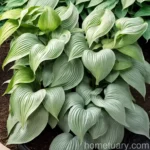
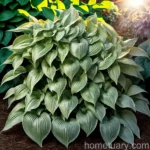
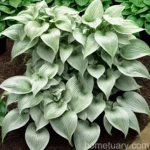
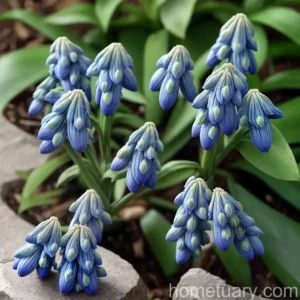
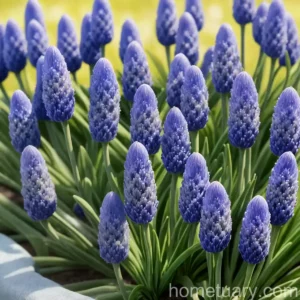
Hosta ‘Neptune’, a member of the Hosta genus, is a herbaceous perennial prized for its attractive, variegated foliage and elegant, lavender-colored flowers. Belonging to the family Asparagaceae, this plant is native to East Asia and is commonly known as the Plantain Lily. The name “Neptune” is derived from its mesmerizing, sea-inspired coloration, featuring blue-green leaves that are complemented by creamy margins. Its clump-forming habit and relatively compact size make it an ideal choice for various garden settings.
Key Takeaways – Hosta ‘Neptune’ (Plantain Lily)
Before we delve into the specifics, here are the key takeaways about Hosta ‘Neptune’ that we will explore in detail:
- Culture
- Uses
- Water
- Sunlight
- Fertilizer
- Soil
- Pruning
- Propagation
- Container Popularity
- Common Diseases
- Disease Diagnosis
- Common Pests
- Botanist’s Tips
- Fun Facts
- Links to External Resources
Culture
Hosta ‘Neptune’ thrives in a culture that mimics its natural habitat, creating ideal conditions for its lush growth and prolific flowering. Let’s explore the cultural requirements for cultivating Hosta ‘Neptune’, including its preferred environment and maintenance needs.
Uses
The versatility of Hosta ‘Neptune’ makes it a valuable addition to gardens, offering various uses and applications. Here are some common uses of this striking plant:
- Landscape Display: Hosta ‘Neptune’ serves as an enchanting landscape plant, adding texture and color to garden beds and borders.
- Container Gardening: Its compact size and ornamental foliage make it well-suited for container planting, adding visual interest to patios, balconies, and outdoor living spaces.
- Ground Cover: When planted in mass, Hosta ‘Neptune’ can create a beautiful ground cover, bringing a sense of tranquility to shaded areas.
Water
As with many shade-loving plants, Hosta ‘Neptune’ has specific water requirements that are essential for its health and vigor. Proper watering practices are crucial in maintaining optimal moisture levels for the plant’s growth.
- Regular Watering: Hosta ‘Neptune’ thrives in consistently moist soil, necessitating regular watering, especially during dry spells or periods of high temperatures.
- Avoid Waterlogging: While it prefers moist conditions, it is essential to prevent waterlogging, as excessively wet soil can lead to root rot and other detrimental effects.
Sunlight
Hosta ‘Neptune’ is renowned for its shade tolerance, making it an excellent choice for gardens with limited sunlight. Understanding its sunlight preferences is fundamental in ensuring its thriving growth.
- Partial Shade to Full Shade: Hosta ‘Neptune’ exhibits its best performance when grown in areas with partial to full shade, protected from the intense midday sun.
- Morning Sunlight: While it thrives in shade, some morning sunlight can benefit the plant, contributing to its overall vigor and coloration.
Fertilizer
Applying the appropriate fertilizers at the right time is crucial for enhancing the growth and blooming potential of Hosta ‘Neptune’. Understanding its fertilizer requirements is essential for promoting its health and vitality.
- Balanced Fertilizer: Providing a balanced, slow-release fertilizer in the early spring can support the plant’s vigorous growth and encourage the development of vibrant foliage.
- Avoid Excessive Nitrogen: While fertilization is essential, excessive nitrogen can lead to an abundance of foliage at the expense of flowers, so it is important to use a balanced fertilizer that supports overall plant health and flowering.
Soil
The soil composition and structure significantly impact the growth and well-being of Hosta ‘Neptune’. Understanding its soil preferences and making appropriate amendments are critical for its successful cultivation.
- Moist, Well-Draining Soil: Hosta ‘Neptune’ thrives in moist, well-draining soil with a rich organic content, providing the necessary nutrients and water retention for its development.
- pH Preference: It prefers slightly acidic to neutral soil, with a pH range between 6.0 and 7.5, ensuring optimal nutrient uptake and overall vitality.
Pruning
Pruning is an integral part of maintaining the aesthetic appeal and health of Hosta ‘Neptune’, promoting tidiness and encouraging new growth. Understanding the proper pruning techniques is crucial for its long-term success.
- Deadheading Flowers: Removing spent flowers can promote prolonged blooming and prevent the plant from expending energy on seed production.
- Trimming Foliage: Trimming discolored or damaged foliage helps maintain the plant’s visual appeal and prevents the spread of diseases or pests.
Propagation
Expanding your Hosta ‘Neptune’ collection or sharing its beauty with others can be achieved through propagation. Understanding the various propagation methods is essential for successfully multiplying this captivating plant.
- Division: Division is a common and effective method for propagating Hosta ‘Neptune’, typically done in the early spring or fall by separating the plant’s rhizomes and replanting them in suitable locations.
- Leaf Cuttings: While less common, leaf cuttings can be used for propagation, requiring careful attention to humidity and soil moisture to support root development.
Container Popularity
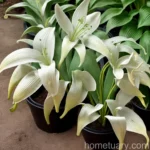
Hosta ‘Neptune’ is a popular choice for container gardening, offering a captivating presence and low maintenance requirements. Its use in containers allows for versatile placement and creative displays, enhancing outdoor spaces with its ornamental foliage.
- Container Selection: Choose a spacious container with adequate drainage holes, allowing for proper root aeration and water drainage.
- Container Companions: When selecting companion plants for container arrangements, consider shade-loving species that complement the visual appeal of Hosta ‘Neptune’, creating harmonious displays.
Common Diseases
Hosta ‘Neptune’ is generally resilient to most diseases, but it can be susceptible to specific issues that can affect its vitality and visual appeal. Understanding common diseases and their management is vital for preserving the plant’s health.
- Fungal Diseases: Hosta ‘Neptune’ may be prone to fungal diseases such as leaf spot and crown rot, especially in conditions of excessive moisture and poor air circulation.
- Preventative Measures: Ensuring proper air circulation, avoiding overhead watering, and maintaining good garden hygiene can help prevent the onset of fungal diseases.
Disease Diagnosis
Early detection and intervention are key in effectively managing potential diseases that may affect Hosta ‘Neptune’. Being able to identify symptoms and signs of diseases allows for timely action and treatment.
- Leaf Inspection: Regularly inspect the foliage for discoloration, lesions, or unusual patterns, which can indicate the presence of fungal or bacterial diseases.
- Professional Consultation: If uncertain about disease diagnosis or treatment, seek professional advice from local horticulturists or extension services for accurate guidance.
Common Pests
While generally resilient, Hosta ‘Neptune’ can occasionally encounter pest pressures that necessitate attention and control measures. Understanding common pests and their management is crucial for preserving the plant’s vitality.
- Slug and Snail Infestations: These pests are a common nuisance for Hosta ‘Neptune’, feeding on its lush foliage and leaving behind unsightly damage.
- Natural Predators: Encouraging natural predators such as birds and frogs can help control slug and snail populations, reducing the impact of their feeding activity.
Botanist’s Tips
Drawing from expert insights and practical recommendations, here are some valuable tips for cultivating and caring for Hosta ‘Neptune’ to ensure its optimal growth and visual appeal.
- Mulching: Applying a layer of organic mulch around the base of Hosta ‘Neptune’ helps retain soil moisture, suppresses weed growth, and moderates soil temperature, contributing to its overall well-being.
- Companion Planting: Pair Hosta ‘Neptune’ with shade-tolerant companions such as Heuchera, Ferns, and Tiarellas to create visually pleasing and harmonious garden displays.
Fun Facts
Learn some fascinating and intriguing facts about Hosta ‘Neptune’, shedding light on its unique features and captivating attributes that make it a favorite among gardeners.
- Variegated Foliage: The distinctive variegation of Hosta ‘Neptune’ adds visual interest and texture to shaded areas, creating an enchanting display of colors and patterns.
- Lavender Blooms: The elegant, lavender-colored flowers of Hosta ‘Neptune’ emerge in mid to late summer, adding a delightful touch to garden landscapes.
Links to External Resources
For further information and detailed insights into the care and cultivation of Hosta ‘Neptune’, explore the following resources:
Hosta ‘Neptune’ stands as a captivating and versatile addition to garden landscapes, offering a symphony of colors and textures. By understanding its cultural requirements, maintenance needs, and potential issues, gardeners can foster its remarkable beauty and create enchanting displays that celebrate the allure of this charming perennial plant. Whether as a solo specimen, part of a lush ground cover, or an ornate container display, Hosta ‘Neptune’ continues to enthrall and inspire with its timeless elegance and understated charm.
References:
- Hosta ‘Neptune’ image by Walters Gardens, Inc.
- The American Hosta Society. (n.d.). https://www.americanhostasociety.org/
- Royal Horticultural Society. (n.d.). Hosta – Plantain Lily. https://www.rhs.org.uk/advice/profile?PID=1020