Plant Scientist’s Guide to Hosta (Hosta (Tardiana Group) ‘Dorset Blue’)
Introduction
Welcome to the ultimate guide to hosta, specifically the Hosta (Tardiana Group) ‘Dorset Blue’! As a plant scientist, I am thrilled to delve into the intricate world of this shade-loving perennial. In this comprehensive article, we will explore the culture, uses, care, propagation, and maintenance of the Hosta (Tardiana Group) ‘Dorset Blue.’ Whether you are a seasoned gardener or just starting your journey with hostas, this guide is designed to provide you with valuable insights and practical tips for cultivating and caring for this beautiful plant.
Let’s begin by understanding what hosta is and then delve into the fascinating details of Hosta (Tardiana Group) ‘Dorset Blue’ and its cultivation requirements.
What Is Hosta?
Hosta, commonly known as plantain lily, is a genus of perennial plants native to East Asia, particularly China, Japan, and Korea. Renowned for their striking foliage, hostas have become a popular choice among gardeners for adding texture, color, and elegance to shaded areas. With a wide range of cultivars available, hostas offer an array of leaf sizes, shapes, and colors, making them versatile additions to various garden styles and designs.
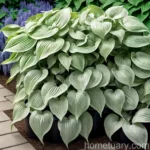
One of the captivating cultivars within the Hosta genus is the Hosta (Tardiana Group) ‘Dorset Blue.’ This cultivar, known for its stunning blue leaves and compact habit, is a favorite among garden enthusiasts seeking to incorporate unique foliage into their landscape or container gardens.
Key Takeaways – Hosta (Hosta (Tardiana Group) ‘Dorset Blue’)
Before we delve into the specifics of the Hosta (Tardiana Group) ‘Dorset Blue,’ let’s outline the key takeaways that will guide our exploration:
- Scientific Name: Hosta (Tardiana Group) ‘Dorset Blue’
- Common Name: Dorset Blue Hosta
- Group: Tardiana Group
- Foliage Color: Blue
- Light Requirements: Partial to full shade
- Watering Needs: Moist, well-drained soil
- Growth Habit: Compact
- Uses: Ground cover, container plant, ornamental foliage
Now that we have outlined the essential aspects of Hosta (Tardiana Group) ‘Dorset Blue,’ let’s delve deeper into its culture, uses, and maintenance requirements.
Culture
The culture of Hosta (Tardiana Group) ‘Dorset Blue’ encompasses various aspects, including its water, sunlight, fertilizer, soil, pruning, and propagation preferences. Understanding these cultural requirements is vital for successfully cultivating and caring for this distinctive hosta cultivar.
Water
The water requirements of Hosta (Tardiana Group) ‘Dorset Blue’ are crucial for maintaining the health and vigor of the plant. As a moisture-loving perennial, this hosta thrives in consistently moist soil. However, it’s essential to ensure that the soil is well-drained to prevent waterlogging, which can lead to root rot and other moisture-related issues.
Sunlight
Hosta (Tardiana Group) ‘Dorset Blue’ is categorized as a shade-loving plant, preferring partial to full shade conditions. This makes it an ideal choice for shaded garden beds, woodland areas, or north-facing landscapes where direct sunlight is limited. When selecting a planting location for this cultivar, it is important to prioritize areas with dappled or filtered light to promote optimal growth and leaf coloration.
Fertilizer
Appropriate fertilization plays a significant role in nurturing the foliage and overall health of Hosta (Tardiana Group) ‘Dorset Blue.’ A balanced, slow-release fertilizer applied in early spring can provide the necessary nutrients for robust growth and vibrant foliage. Additionally, organic amendments such as compost or well-decomposed manure can contribute to the long-term soil fertility and health of the hosta plant.
Soil
The soil requirements for Hosta (Tardiana Group) ‘Dorset Blue’ revolve around well-drained, humus-rich soil with a slightly acidic to neutral pH. Amending the soil with organic matter, such as peat moss or compost, can improve its texture and fertility, creating an optimal environment for the hosta’s root development and nutrient uptake.
Pruning
Unlike some ornamental plants, hostas do not require extensive pruning. However, removing faded or damaged leaves and spent flower stalks can enhance the plant’s appearance and promote air circulation. Pruning should be performed with clean, sharp garden shears to minimize stress and potential damage to the foliage.
Propagation
The propagation of Hosta (Tardiana Group) ‘Dorset Blue’ can be achieved through several methods, including division, seed sowing, and tissue culture. Division, which involves separating the plant’s rhizomes to create new individuals, is the most common and reliable technique for multiplying this hosta cultivar. As the plant matures, dividing the clumps every few years can rejuvenate its vigor and prevent overcrowding.
Uses
The uses of Hosta (Tardiana Group) ‘Dorset Blue’ are diverse, ranging from its role as an ornamental foliage plant to its suitability for container gardening and ground cover applications. Understanding the potential uses of this cultivar will enable gardeners to maximize its aesthetic value and functional attributes in various settings.
Ornamental Foliage
Hosta (Tardiana Group) ‘Dorset Blue’ is prized for its striking blue foliage, making it a valuable addition to ornamental garden beds, borders, and landscape designs. The unique coloration and leaf shape of this hosta cultivar can create visual interest and contrast when paired with other plants, enhancing the overall aesthetic appeal of the garden.
Container Plant
The compact growth habit of Hosta (Tardiana Group) ‘Dorset Blue’ makes it well-suited for container gardening. Whether displayed on patios, balconies, or in shaded urban settings, this hosta cultivar can thrive in containers, providing a captivating focal point with its distinctive blue-leaved foliage.
Ground Cover
In shaded or woodland areas where traditional ground covers may struggle, Hosta (Tardiana Group) ‘Dorset Blue’ can serve as an effective ground cover plant. Its dense growth habit and low maintenance requirements make it an excellent choice for creating lush carpets of foliage under trees or in areas where sunlight is limited.
Now that we have explored the cultural aspects and uses of Hosta (Tardiana Group) ‘Dorset Blue,’ let’s delve into the specifics of care, maintenance, and common considerations for this captivating hosta cultivar.
Common Diseases
As a plant scientist, it is crucial to recognize and understand the potential diseases that can affect Hosta (Tardiana Group) ‘Dorset Blue.’ By being aware of these common ailments, gardeners can implement proactive measures to protect their hostas and maintain their health and vitality.
Disease Diagnosis
Hosta plants, including the ‘Dorset Blue’ cultivar, are susceptible to various diseases, many of which are fungal in nature. Some of the common diseases that may affect hostas include:
- Fungal Leaf Spot: Characterized by dark, water-soaked spots on the foliage, fungal leaf spot can lead to leaf discoloration and defoliation if left untreated.
- Crown Rot: Excessive moisture and poor drainage can contribute to crown rot, a condition that causes the plant’s crown and rhizomes to decay, leading to wilting and eventual plant death.
- Powdery Mildew: A fungal disease that results in a white, powdery coating on the leaf surfaces, powdery mildew can impact the overall vigor and aesthetics of the hosta plant.
By regularly inspecting the foliage, practicing good sanitation, and providing proper cultural conditions, gardeners can mitigate the risk of these diseases and maintain the health of Hosta (Tardiana Group) ‘Dorset Blue.’
Common Pests
In addition to diseases, hostas, including the ‘Dorset Blue’ cultivar, can be susceptible to pest infestations. Understanding the common pests that may target these plants is essential for implementing effective pest management strategies and preserving the plant’s vitality.
Some of the common pests that may affect Hosta (Tardiana Group) ‘Dorset Blue’ include:
- Slugs and Snails: These voracious feeders can cause substantial damage to the hosta foliage, resulting in ragged or holes in the leaves.
- Deer: In areas with high deer populations, hostas are often susceptible to browsing damage, particularly during the growing season.
- Garden Flea Beetles: These tiny, jumping beetles can inflict damage to hosta foliage by creating small, irregular holes in the leaves.
Implementing physical barriers, natural deterrents, and targeted pest control measures can help safeguard Hosta (Tardiana Group) ‘Dorset Blue’ from these common pests and minimize potential damage.
Botanist’s Tips
To further enrich our understanding of Hosta (Tardiana Group) ‘Dorset Blue’ and its cultivation, I am delighted to share some insightful tips for successfully growing and caring for this captivating hosta cultivar:
- Mulch Matters: Applying a layer of organic mulch around the base of the plant can help conserve soil moisture, suppress weed growth, and insulate the root zone during extreme temperatures.
- Companion Planting: Pairing Hosta (Tardiana Group) ‘Dorset Blue’ with complementary shade-loving plants, such as ferns, astilbes, and heucheras, can create visually appealing and harmonious garden compositions.
- Seasonal Care: Providing adequate moisture during the summer months and preparing the hosta for winter dormancy by gradually reducing water and avoiding late-season fertilization are essential seasonal care practices.
By incorporating these botanist’s tips into the care and maintenance of Hosta (Tardiana Group) ‘Dorset Blue,’ gardeners can foster robust growth and enhance the plant’s ornamental value within their landscape.
Fun Facts
As we wrap up our exploration of Hosta (Tardiana Group) ‘Dorset Blue,’ let’s take a moment to appreciate some fascinating and fun facts about this captivating hosta cultivar:
- The blue coloration of the foliage is a rare and sought-after trait among hostas, making ‘Dorset Blue’ a prized addition to shade gardens.
- The Tardiana Group, to which ‘Dorset Blue’ belongs, comprises hosta cultivars known for their compact habits, making them ideal for smaller garden spaces and container plantings.
- Hostas, including ‘Dorset Blue,’ are known for their attractive flower spikes, which typically emerge in mid to late summer, adding a vertical element to the plant’s overall appearance.
These fun facts showcase the unique characteristics and allure of Hosta (Tardiana Group) ‘Dorset Blue,’ underscoring its appeal as a versatile and captivating plant for diverse garden settings.
Links to External Resources
For further information and resources on hostas, including the Hosta (Tardiana Group) ‘Dorset Blue,’ I recommend exploring the following external links:
- American Hosta Society: https://www.americanhostasociety.org/
- The Hosta Library: https://www.hostalibrary.org/
- Royal Horticultural Society (RHS): https://www.rhs.org.uk/
- University of Minnesota Extension – Growing Hostas: https://extension.umn.edu/planting-and-growing-guides/growing-hostas
These reputable resources offer a wealth of information, tips, and insights into the world of hostas, providing valuable guidance for enthusiasts and horticulturists alike.
In conclusion, Hosta (Tardiana Group) ‘Dorset Blue’ stands as a striking and esteemed member of the hosta family, offering captivating blue foliage, versatility in landscaping, and an array of cultural and maintenance requirements. By embracing the knowledge and recommendations shared in this comprehensive guide, gardeners can embark on a fulfilling journey of cultivating, caring for, and appreciating the beauty of this exceptional hosta cultivar.
I hope this article serves as a valuable resource and inspires a newfound appreciation for the allure and charm of Hosta (Tardiana Group) ‘Dorset Blue’ in the realm of ornamental gardening.
Happy gardening!
For more interesting and informative content, please visit my blog.
Keywords: Hosta plant, Hosta Tardiana Group, Hosta Dorset Blue, Tardiana Group Hosta, Dorset Blue Hosta, Blue-leaved Hosta, Hosta varieties, Shade-loving Hosta, Perennial Hosta, Garden Hosta, Hosta foliage, Hosta care, Hosta gardening, Hosta landscaping, Hosta cultivars, Hosta leaves, Hosta plant family, Hosta flower, Hosta shade plant, Hosta ground cover, Hosta plant features, Hosta flower spikes, Hosta shade requirements, Hosta leaf coloration, Hosta plant size, Hosta plant care tips, Hosta garden design, Low-maintenance Hosta, Hosta foliage color, Hosta garden ideas, Hosta plant characteristics, Hosta ornamental plants, Variegated Hosta, Hosta leaf shape, Hosta plant diseases, Hosta plant pests, Hosta garden maintenance, Hosta summer care, Hosta winter care, Hosta planting guide, Hosta container gardening, Hosta plant arrangement, Hosta companion plants, Hosta plant propagation, Hosta plant division, Hosta plant landscaping ideas, Hosta plant fertilization, Hosta plant water requirements, Hosta plant sunlight needs, Hosta plant root system.