Plant Profile: Sunflower (Helianthus ‘Happy Days’)

Sunflowers (Helianthus) are iconic, bright, and cheerful plants that captivate our attention with their large, daisy-like flowerheads and vibrant yellow petals. Among the numerous sunflower varieties, the ‘Happy Days’ cultivar stands out for its delightful name and captivating characteristics. In this article, we’ll delve into the cultivation, care, and fascinating aspects of the sunflower variety Helianthus ‘Happy Days’.
What is Sunflower (Helianthus ‘Happy Days’)?
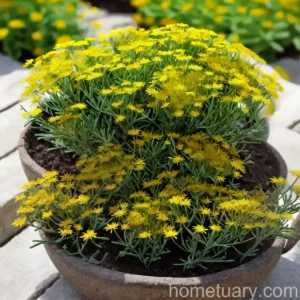
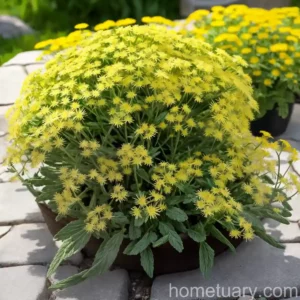
Sunflower (Helianthus ‘Happy Days’) is a captivating variety renowned for its compact growth habit and its ability to produce an abundance of brilliant, golden-yellow blooms. This cultivar is a single-stemmed sunflower, making it an ideal choice for smaller garden spaces and container plantings.
Key Takeaways – Sunflower (Helianthus ‘Happy Days’)
Before we delve into the specifics of growing and caring for Helianthus ‘Happy Days’, here are the key points we’ll explore in this article:
- Sunflower variety Happy Days
- Growing Happy Days sunflowers
- Sunflower care tips for Happy Days variety
- Helianthus ‘Happy Days’ planting guide
- Companion plants for Helianthus ‘Happy Days’
- Common pests and diseases of Happy Days sunflowers
- How to propagate Happy Days sunflowers
- Sunflower mythology and folklore surrounding Helianthus ‘Happy Days’
Now, let’s embark on a journey to explore the vibrant and joyous world of Helianthus ‘Happy Days’ sunflowers.
Culture
Water
Sunflowers, including the ‘Happy Days’ variety, require regular watering, especially during dry spells. It’s essential to keep the soil consistently moist, particularly during the plant’s early stages of growth and the flowering period. However, like most plants, they are susceptible to waterlogging and thus require well-draining soil to prevent root rot.
Sunlight
Being sun-loving plants, sunflowers thrive in full sunlight, requiring at least 6-8 hours of direct sun daily. When selecting the planting location for Helianthus ‘Happy Days’, ensure it receives ample sunlight to promote robust growth and abundant flowering.
Fertilizer
To support healthy growth and prolific blooming, sunflowers benefit from well-balanced fertilization. Prior to planting, incorporate organic matter into the soil to provide essential nutrients. Additionally, periodic applications of fertilizer during the growth stages can further enhance their vitality and floral display.
Soil
Sunflowers, including the ‘Happy Days’ variety, thrive in well-draining, loamy soil. It’s essential to ensure that the soil is enriched with organic matter and has a slightly acidic to neutral pH level, ideally in the range of 6.0 to 7.5.
Uses
Ornamental Value
The vibrant and striking blooms of Helianthus ‘Happy Days’ add a touch of cheer and brightness to any garden landscape. Their attractive appearance and charming disposition make them ideal for ornamental purposes, whether grown in garden beds or as potted specimens.
Pollinator Attraction
Sunflowers, including the ‘Happy Days’ variety, are immensely popular for their ability to attract and support pollinators, including bees and butterflies. Their nectar-rich blooms serve as an invaluable food source for these beneficial insects, contributing to the overall health and biodiversity of the garden ecosystem.
Pruning
Pruning is generally not necessary for the ‘Happy Days’ sunflower variety. However, deadheading spent blooms can encourage the plant to produce more flowers and extend the blooming period. Additionally, removing damaged or diseased foliage can improve the overall appearance and health of the plant.
Propagation
The propagation of Helianthus ‘Happy Days’ can be achieved through the collection and germination of its seeds. When the flowerheads have matured and the seeds have developed, they can be harvested and stored for subsequent planting. Sowing these seeds in the desired location, following the last frost date, can lead to the successful propagation of new ‘Happy Days’ sunflowers.
Container Popularity
The compact growth habit of Helianthus ‘Happy Days’ makes it well-suited for container cultivation. Its cheerful blooms can brighten up patios, balconies, and other outdoor spaces, adding a touch of sunflower splendor to areas with limited planting space.
Container Common Diseases
When grown in containers, sunflowers, including the ‘Happy Days’ variety, may be susceptible to certain diseases, including:
- Powdery Mildew
- A fungal disease that manifests as a white, powdery coating on the foliage, leading to stunted growth and decreased flowering.
- Botrytis Blight
- This disease can cause the occurrence of brown lesions on the leaves and stems, eventually leading to the wilting and decline of the plant.
Disease Diagnosis
- Powdery Mildew Diagnosis
- Symptoms: White, powdery patches on leaves and stems
-
Treatment: Application of fungicidal sprays, improving air circulation, and ensuring proper watering practices
-
Botrytis Blight Diagnosis
- Symptoms: Brown lesions on leaves and stems
- Treatment: Pruning affected plant parts, providing proper air circulation, and avoiding overwatering
Common Pests
Although robust and resilient, ‘Happy Days’ sunflowers may encounter certain pests, including:
- Aphids
-
Aphids are small, sap-sucking insects that can cluster on the undersides of leaves, causing yellowing and distortion of foliage.
-
Sunflower Moth
-
The larvae of the sunflower moth can damage sunflower heads by feeding on the developing seeds, leading to reduced seed quality and yield.
-
Thrips
- Thrips are tiny, slender insects that can cause stippling and silvering of the leaves, resulting in a decline in the plant’s overall vigor.
Botanist’s Tips
To ensure the successful growth and cultivation of Helianthus ‘Happy Days’, consider the following expert tips:
- Regular Monitoring
-
Keep a close eye on the plant for any signs of pests, diseases, or nutrient deficiencies, intervening promptly if any issues arise.
-
Mulching
-
Apply a layer of organic mulch around the base of the plant to retain moisture, regulate soil temperature, and suppress weed growth.
-
Support
- If growing taller varieties of sunflowers, consider providing support, such as stakes or trellises, to prevent bending or toppling due to strong winds.
Fun Facts
- Sunflowers are known for their heliotropic behavior, as their flowerheads track the movement of the sun across the sky, a phenomenon known as solar tracking.
- The central disk of the sunflower, composed of numerous tiny flowers, serves as a rich source of nectar and pollen for visiting pollinators.
- Sunflower oil, extracted from sunflower seeds, is widely used in cooking, as a source of biodiesel, and as a base for various skincare products.
Links to External Resources
For further information on the cultivation and care of Helianthus ‘Happy Days’ sunflowers, consider exploring the following resources:
- Royal Horticultural Society – Sunflower Cultivation
- UC Statewide IPM Program – Sunflower Insect Pests
- Sunflower Production Guide – North Dakota State University
- University of Minnesota Extension – Growing Sunflowers in the Garden
In conclusion, Helianthus ‘Happy Days’ embodies the exuberance and charm associated with sunflowers, offering a delightful addition to any garden or landscape. By embracing the cultivation and care practices outlined in this article, individuals can relish the radiant beauty and uplifting presence of these captivating sunflowers, ensuring a continuous celebration of joy and vitality in their outdoor spaces.