All About Hosta ‘Liberty’
Hostas are immensely popular plants in the gardening world, and one standout variety is the Hosta ‘Liberty.’ Whether you’re a seasoned gardener or just starting to explore the world of plants, Hosta ‘Liberty’ is a fascinating specimen to learn about and cultivate in your garden. In this comprehensive guide, we will delve into the characteristics of Hosta ‘Liberty,’ its cultural requirements, uses, maintenance, and much more. So, let’s embark on an exciting journey to discover the allure of Hosta ‘Liberty’!
What is Hosta ‘Liberty’?
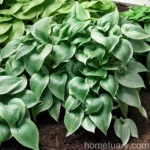
Hosta ‘Liberty’ is a striking cultivar known for its large, bold foliage and elegant appearance. This perennial plant is a part of the Hosta genus, which comprises over 70 species and numerous cultivars, each with its own unique charm. Hosta ‘Liberty’ is a result of careful breeding and selection, offering distinct features that set it apart from other hosta varieties.
Key Takeaways
Before we delve deeper, let’s take a quick look at the essential aspects we’ll be covering in this guide:
- Hosta ‘Liberty’ is a popular variety known for its large, bold foliage.
- Understanding the cultural requirements is crucial for successful growth.
- The plant has various uses and can thrive in different settings.
- Careful attention to watering, sunlight, fertilization, and soil is important for its maintenance.
- Pruning, propagation, and container gardening are integral aspects of Hosta ‘Liberty’ care.
- Being aware of common diseases and pests that affect this plant is crucial for effective management.
- Botanist’s tips, fun facts, and external resources will enhance your knowledge and gardening experience.
Now, let’s explore each of these aspects in detail to gain a comprehensive understanding of nurturing Hosta ‘Liberty’ effectively.
Culture
Understanding the cultural requirements of Hosta ‘Liberty’ is fundamental for ensuring its robust growth and development. Let’s explore the essential cultural factors for this captivating plant.
Uses
Hosta ‘Liberty’ serves various purposes in gardening and landscaping, making it a versatile and valuable addition to any outdoor space. Its uses include:
-
Ornamental Plant – The striking foliage and overall aesthetic appeal make Hosta ‘Liberty’ a popular choice for ornamental plantings. Its vibrant display adds beauty and elegance to gardens, borders, and landscapes.
-
Shade Garden Accent – Due to its preference for partially shaded environments, Hosta ‘Liberty’ is an ideal candidate for accentuating shade gardens. Its lush foliage brings texture and color to areas with limited sunlight.
-
Container Planting – Hosta ‘Liberty’ adapts well to container gardening, allowing enthusiasts to enjoy its beauty on patios, balconies, and other outdoor spaces.
-
Erosion Control – When planted en masse, Hosta ‘Liberty’ contributes to erosion control and ground coverage, making it a practical solution for stabilizing soil in various settings.
Understanding the diverse uses of Hosta ‘Liberty’ can help you envision the plant’s role in your gardening endeavors and create strategic placement plans for optimal visual impact.
Water
Proper watering is crucial for the health and vitality of Hosta ‘Liberty.’ While these plants generally thrive in moist soil, it’s essential to strike a balance to prevent waterlogged conditions. Here are some key considerations for watering Hosta ‘Liberty’:
-
Moisture Requirements – Hosta ‘Liberty’ prefers consistently moist soil, especially during the growing season. Adequate moisture levels contribute to robust foliage and overall vigor.
-
Drainage – Ensuring good drainage is essential to prevent water stagnation, which can lead to root rot and other detrimental effects. Choose well-draining soil and consider raised planting beds if drainage is a concern in your garden.
-
Watering Frequency – Observing the soil moisture and responding to the plant’s needs is crucial. In hot, dry weather, more frequent watering may be necessary to maintain optimal soil moisture levels.
-
Avoiding Overhead Watering – When possible, it’s best to water Hosta ‘Liberty’ at the soil level to minimize the risk of foliar diseases and fungal issues.
By understanding the water requirements of Hosta ‘Liberty’ and implementing appropriate watering practices, you can promote its health and longevity in your garden.
Sunlight
Hosta ‘Liberty’ thrives in partially shaded to shaded conditions, displaying its best growth and foliage coloration in such settings. Here are some key points to consider regarding sunlight exposure for this plant:
-
Partial Shade Preference – Ideally, providing dappled or filtered sunlight is beneficial for Hosta ‘Liberty.’ Partial shade mimics its natural habitat and promotes vigorous growth.
-
Protection from Harsh Sun – While some hosta varieties tolerate more sunlight, Hosta ‘Liberty’ is sensitive to intense, direct sunlight, which can lead to leaf scorching and diminished overall health.
-
Morning Sun and Afternoon Shade – If your garden offers a combination of morning sun and afternoon shade, it can create an ideal environment for the optimal growth of Hosta ‘Liberty.’
Understanding and accommodating the sunlight preferences of Hosta ‘Liberty’ are crucial for maintaining its vitality and ensuring the longevity of its foliage display.
Fertilizer
Fertilization plays a vital role in supplying essential nutrients to Hosta ‘Liberty,’ supporting its growth, flowering, and overall health. Here are important considerations for fertilizing this captivating plant:
-
Nutrient Requirements – Hosta ‘Liberty’ benefits from a balanced and complete fertilizer that provides essential macronutrients and micronutrients. Nitrogen, phosphorus, and potassium are crucial for robust foliage and overall vigor.
-
Timing – Applying fertilizer in early spring as new growth emerges is beneficial. A second application in early summer can further support the plant’s nutritional needs.
-
Avoiding Excessive Fertilization – While proper fertilization is important, excessive use of fertilizers can lead to salt buildup in the soil and may negatively impact the plant’s health.
-
Organic Options – Organic fertilizers, such as compost and well-decomposed manure, can be valuable options for nourishing Hosta ‘Liberty’ while improving soil structure.
By understanding the nutrient requirements and appropriate fertilization practices, you can promote the optimal growth and vibrancy of Hosta ‘Liberty’ in your garden.
Soil
The soil conditions significantly influence the growth and well-being of Hosta ‘Liberty.’ Understanding the soil preferences and making necessary amendments can contribute to the plant’s overall health. Here are crucial aspects to consider regarding soil for this captivating plant:
-
Well-Draining Soil – Hosta ‘Liberty’ thrives in soil that offers good drainage, preventing waterlogging and ensuring healthy root development.
-
Organic Matter Content – Amending the soil with organic matter, such as compost or well-rotted leaves, can enhance its fertility and structure, providing an optimal growing medium for Hosta ‘Liberty.’
-
pH Level – Hosta ‘Liberty’ prefers slightly acidic to neutral soil with a pH range of 6.0 to 7.5. Conducting a soil test can help determine the pH level and guide you in making necessary adjustments.
-
Mulching – Applying a layer of mulch around the base of Hosta ‘Liberty’ helps retain soil moisture, suppresses weed growth, and provides insulation against temperature fluctuations.
By addressing the soil requirements and creating a favorable growing environment, you can facilitate the robust growth and longevity of Hosta ‘Liberty’ in your garden or landscape.
Pruning
Pruning is an essential aspect of maintaining the aesthetics and health of Hosta ‘Liberty.’ Though hostas are relatively low-maintenance, proper pruning practices can enhance their appearance and promote vigorous growth. Here are key considerations for pruning this captivating plant:
-
Removal of Faded Foliage – Regularly removing faded or damaged foliage not only improves the plant’s appearance but also reduces the risk of disease and pest issues.
-
Division – Periodically dividing mature hosta clumps rejuvenates the plant, promotes better air circulation, and prevents overcrowding, ultimately enhancing its vigor and longevity.
-
Spring Clean-Up – Performing a thorough spring clean-up by removing any debris and dead foliage supports the emergence of new growth and contributes to a neat and tidy appearance.
-
Minimalist Approach – While pruning is important, hostas generally don’t require extensive pruning, and a minimalist approach is often sufficient to maintain their visual appeal.
Understanding the significance of pruning and implementing appropriate techniques can contribute to the overall health and beauty of Hosta ‘Liberty’ in your garden.
Propagation
For those looking to expand their collection of Hosta ‘Liberty’ or share this beautiful variety with fellow gardening enthusiasts, propagation offers an exciting opportunity. Here are the primary methods for propagating Hosta ‘Liberty’:
-
Division – Division is the most common and straightforward method for propagating hostas, including Hosta ‘Liberty.’ It involves separating the plant into smaller divisions, each with healthy roots and shoots, and replanting them to establish new specimens.
-
Propagation from Offsets – Hosta ‘Liberty’ produces offsets, also known as daughter plants, around the base of the main clump. These offsets can be carefully detached and transplanted to propagate new plants.
-
Propagation from Seed – While less common due to the variability in seed-grown plants, propagating Hosta ‘Liberty’ from seeds can be an exciting and experimental endeavor for enthusiasts.
By learning and applying the appropriate propagation methods, you can multiply the presence of Hosta ‘Liberty’ in your garden or share its charm with others, contributing to the widespread appreciation of this captivating variety.
Container Popularity
The adaptability of Hosta ‘Liberty’ to container gardening makes it a popular choice for enthusiasts with limited space or those seeking to feature this stunning plant on patios, balconies, and other outdoor areas. Here are key aspects of its popularity in container gardening:
-
Aesthetic Appeal – The bold foliage and elegant presence of Hosta ‘Liberty’ make it an attractive addition to containers, contributing to visually captivating displays.
-
Versatile Placement – Containers offer flexibility in placing Hosta ‘Liberty’ in various settings, allowing enthusiasts to create visually appealing arrangements and strategic focal points.
-
Space Optimization – For gardeners with limited garden space, container gardening provides an opportunity to cultivate Hosta ‘Liberty’ and enjoy its beauty without the constraints of traditional in-ground planting.
By understanding and leveraging the popularity of Hosta ‘Liberty’ in container gardening, you can explore new creative possibilities and integrate this captivating plant into diverse outdoor spaces.
Common Diseases
Hosta ‘Liberty’ is generally resistant to diseases, but certain issues can affect its health and appearance if left unchecked. Here are common diseases that may impact this captivating plant:
-
Crown Rot – Excessive moisture, poor drainage, or soil compaction can contribute to crown rot, leading to wilting, yellowing foliage, and eventual plant decline.
-
Hosta Virus X (HVX) – Hosta Virus X is a significant concern for hosta enthusiasts, causing distinct patterns of yellow and green variegation and negatively affecting the plant’s vigor.
-
Fungal Leaf Spot – Fungal leaf spot diseases, such as anthracnose and botrytis, can cause unsightly lesions on Hosta ‘Liberty’ foliage, diminishing its visual appeal.
-
Slime Mold – While not a true disease, slime mold can appear on hosta leaves, creating a disconcerting and unattractive sight.
Understanding the signs, symptoms, and preventive measures for common diseases affecting Hosta ‘Liberty’ is crucial for maintaining its health and proactively addressing any issues that may arise.
Disease Diagnosis
Diagnosing and addressing diseases promptly is essential for safeguarding the well-being of Hosta ‘Liberty’ and preserving its aesthetic appeal. Here are key steps for disease diagnosis:
-
Visual Inspection – Regularly inspecting the foliage, stems, and overall appearance of Hosta ‘Liberty’ can help detect any signs of disease or distress.
-
Leaf Symptoms – Pay attention to yellowing, browning, spotting, and unusual patterns on the leaves, as these can indicate potential disease issues.
-
Professional Consultation – Seeking advice from local horticultural experts or plant pathologists can provide valuable insights and guidance in diagnosing and managing specific diseases affecting hostas.
-
Timely Intervention – Addressing any suspected disease issues promptly through appropriate treatments, cultural adjustments, or plant removal can minimize the impact and prevent further spread.
By being vigilant and proactive in diagnosing and addressing diseases, you can safeguard the health and vitality of Hosta ‘Liberty’ in your garden, ensuring its continued beauty and appeal.
Common Pests
While Hosta ‘Liberty’ is relatively resistant to pests, certain insects and animals may pose a threat to its well-being. Here are common pests that may affect this captivating plant:
-
Slugs and Snails – These mollusks are notorious for feeding on hosta foliage, leaving behind unsightly holes and damage.
-
Deer – In areas with a deer population, protection measures may be necessary to prevent deer from browsing on Hosta ‘Liberty,’ particularly in regions where deer are known to forage on plants.
-
Voles – Voles can cause damage to hosta roots and underground structures, potentially impacting the health and stability of the plant.
-
Caterpillars – Certain caterpillar species may feed on hosta foliage, leading to defoliation and aesthetically unappealing damage.
Applying appropriate pest management strategies and implementing protective measures can help safeguard Hosta ‘Liberty’ from potential pest threats, ensuring its continued growth and visual allure.
Botanist’s Tips
Bringing expert insights and practical guidance into your hosta gardening endeavors can elevate the experience and contribute to successful outcomes. Here are valuable tips from botanists and seasoned gardeners for cultivating Hosta ‘Liberty’:
-
Planting Depth – When planting Hosta ‘Liberty,’ ensure that the crown is positioned at the soil level, allowing for proper establishment and growth.
-
Mulching Benefits – Applying mulch around Hosta ‘Liberty’ serves multiple functions, including moisture retention, weed suppression, and insulation against temperature extremes. Use organic mulch for optimal benefits.
-
Air Circulation – Providing adequate spacing between hosta plants promotes good air circulation, reducing the risk of fungal diseases and enhancing overall plant health.
-
Spring Maintenance – Conducting thorough spring clean-up, including removing debris, pruning faded foliage, and addressing any overwintering issues, supports the emerging growth of Hosta ‘Liberty’ and contributes to its visual appeal.
-
Companion Planting – Selecting compatible companion plants, such as ferns, astilbes, and heucheras, can complement the beauty of Hosta ‘Liberty’ and create harmonious garden compositions.
By incorporating valuable botanist’s tips into your hosta gardening practices, you can optimize the growth, health, and visual impact of Hosta ‘Liberty’ in your outdoor spaces.
Fun Facts
Discovering intriguing and fun facts about Hosta ‘Liberty’ adds an extra layer of appreciation for this captivating variety. Here are some engaging and interesting facts about Hosta ‘Liberty’ to expand your knowledge:
-
Foliage Variation – Hosta ‘Liberty’ exhibits beautiful variegation, with broad green leaves adorned with striking white margins, creating an eye-catching display.
-
Hybrid Origins – Hosta ‘Liberty’ is a hybrid variety resulting from careful breeding and selection, showcasing the horticultural artistry and creativity in developing new plant introductions.
-
Flower Aesthetics – While primarily grown for its foliage, Hosta ‘Liberty’ also produces attractive lavender to lilac-colored flowers on tall stalks, adding a delightful floral element to its ornamental appeal.
-
Historical Significance – The widespread popularity of hostas and their diverse cultivars reflects their rich history in horticulture, with dedicated enthusiasts and breeders contributing to their continued diversity and allure.
-
Versatile Landscaping – With its adaptability to various settings and its suitability for both formal and naturalistic landscapes, Hosta ‘Liberty’ offers versatile opportunities for creative landscaping expressions.
By uncovering these fun and fascinating facts, you can deepen your connection with Hosta ‘Liberty’ and gain a newfound appreciation for its unique qualities and contributions to the gardening world.
Links to External Resources
To expand your knowledge and explore additional insights into Hosta ‘Liberty’ and hosta gardening in general, consider tapping into valuable external resources for further learning and inspiration:
-
American Hosta Society – The American Hosta Society offers a wealth of information on hostas, including cultivation guides, recommended varieties, and educational resources.
-
The Hosta Library – This comprehensive online resource provides an extensive collection of hosta photos, variety descriptions, and in-depth articles to enrich your understanding of hostas and their diverse cultivars.
-
University Extension Services – University extension services provide valuable research-based insights into plant care and maintenance, offering practical guidance for cultivating hostas, including Hosta ‘Liberty.’
-
Garden Forums and Communities – Engaging in gardening forums and online communities can connect you with fellow hosta enthusiasts, enabling the exchange of gardening tips, experiences, and recommendations for Hosta ‘Liberty’ care and cultivation.
By exploring these external resources, you can enrich your understanding of Hosta ‘Liberty’ and join a vibrant community of plant enthusiasts, further enhancing your gardening journey with valuable insights and shared experiences.
Conclusion
Hosta ‘Liberty’ stands as a captivating example of the beauty and diversity within the hosta genus, offering a striking presence and versatile uses in gardening and landscaping. By understanding its cultural requirements, uses, maintenance practices, and much more, you can embark on a rewarding journey of nurturing and enjoying the elegance of Hosta ‘Liberty’ in your outdoor spaces. As you delve into the world of hosta gardening, leveraging the insights and tips shared in this guide will empower you to cultivate and appreciate Hosta ‘Liberty’ to its fullest potential, fostering a deeper connection with this enchanting plant variety.
Remember that the journey of gardening is not only about nurturing plants but also about fostering a deeper connection with nature and the beauty it brings into our lives. Embrace the joy of hosta gardening and let Hosta ‘Liberty’ grace your garden with its elegant allure.
Happy gardening!