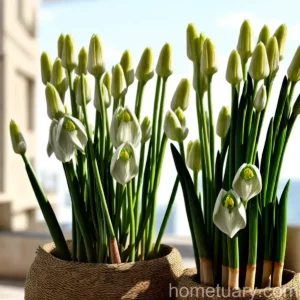
All About Hosta ‘Janet’
Introduction to Hosta ‘Janet’
Hosta ‘Janet’ is a popular cultivar in the hosta family, known for its striking foliage and easy-to-maintain nature. This plant, scientifically classified under the species Hosta, is particularly favored for its lush, leafy appearance and ability to thrive in shaded garden settings.
Hosta plants are commonly grown for their ornamental value, with ‘Janet’ being no exception. The unique characteristics of this cultivar make it a sought-after addition to many gardens, earning it a place as a beloved perennial across the globe.
In this comprehensive guide, we will delve into all aspects of Hosta ‘Janet’, from its cultural requirements to its propagation, disease resistance, and landscape applications.
Key Takeaways – Hosta ‘Janet’
Before we embark on this detailed exploration, let’s preview the key takeaways about Hosta ‘Janet’:
- Hosta ‘Janet’ is a visually captivating variety that is prized for its lush, leafy appearance and adaptability to shade.
- Cultivating ‘Janet’ requires attention to factors such as water, sunlight, fertilizer, soil, and pruning techniques, all of which contribute to the plant’s overall health and vigor.
- This plant is versatile and can be grown in containers, making it an excellent choice for gardeners with limited space or the desire for adaptable landscaping options.
- Hosta ‘Janet’ is generally low-maintenance but can be susceptible to certain diseases and pests, necessitating proper care and proactive management.
- With its showy blooms, ‘Janet’ offers an array of possibilities for garden design, from ground cover and container gardening to edging and border plantings.
- Understanding the specific requirements and characteristics of Hosta ‘Janet’ is essential for maximizing its potential in various gardening settings.
What is Hosta ‘Janet’?
Description
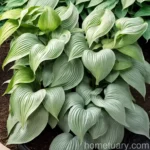
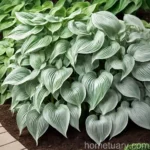
Hosta ‘Janet’ is a cultivar that showcases large, heart-shaped leaves with distinct variegation, characterized by a blend of green, white, and cream tones. The leaves exhibit an elegant and vibrant appearance, creating a striking visual impact in any garden setting. The plant’s foliage forms a dense clump, contributing to its lush and full-bodied presence.
In addition to its foliage, Hosta ‘Janet’ also produces lovely funnel-shaped flowers in midsummer. The blooms appear on tall, slender stalks and add an extra dimension of beauty to the plant’s overall aesthetic.
Growth Habit and Size
This hosta variety tends to grow in mounds, gradually expanding over the years to form a substantial clump. When fully mature, ‘Janet’ can reach a height and spread of approximately 18-24 inches, making it an ideal choice for filling in garden spaces and creating visually appealing borders.
Flower Color
The flowers of Hosta ‘Janet’ typically exhibit a delicate lavender hue, offering a lovely contrast to the variegated foliage. Their graceful appearance adds an element of charm and elegance to the plant’s overall display during the summer months.
Landscape and Garden Uses
Given its lush foliage, attractive blooms, and adaptability to shade, ‘Janet’ is well-suited for a range of landscape applications. From serving as a ground cover in shaded areas to forming part of a garden border or accentuating container plantings, this hosta variety adds depth and visual interest to any outdoor space.
Culture
Water
Hosta ‘Janet’ thrives in moist, well-draining soil and generally prefers consistent watering to maintain its vigor. When cultivating ‘Janet’, it is important to ensure that the soil remains evenly moist, particularly during periods of dry weather. While overwatering should be avoided to prevent root rot, allowing the plant to dry out excessively can also adversely affect its health.
Sunlight
One of the defining characteristics of hostas, including ‘Janet’, is their preference for partial to full shade. These plants are well-adapted to shaded or dappled light conditions and tend to thrive in sheltered areas of the garden. While ‘Janet’ can tolerate some morning sun, excessive exposure to direct sunlight may cause its foliage to scorch or fade, making it vital to provide adequate shade for optimal growth.
Fertilizer
To support the healthy development of Hosta ‘Janet’, regular fertilization is recommended. Applying a balanced, slow-release fertilizer in the early spring can help provide the necessary nutrients for robust foliage and vibrant blooms. Choosing a fertilizer specifically formulated for shade-loving plants can further enhance the overall performance of ‘Janet’ in the garden.
Soil
The soil requirements for Hosta ‘Janet’ center around well-draining, humus-rich soil that is slightly acidic to neutral in pH. Amending the soil with organic matter, such as compost or well-rotted manure, can promote favorable growing conditions for ‘Janet’ and help retain moisture while ensuring adequate aeration.
Pruning
Pruning hostas, including ‘Janet’, is primarily focused on promoting a tidy appearance and rejuvenating the plant. As the foliage begins to decline in the fall, removing the spent leaves can help maintain the plant’s overall cleanliness. Additionally, dividing the clumps every few years can prevent overcrowding and stimulate new growth, ensuring the continued vitality of ‘Janet’ in the garden.
Propagation
Division
Hosta ‘Janet’ can be propagated through division, a process that involves separating the plant’s clumps into smaller sections to create new individuals. This method is typically carried out in the early spring or fall, when the plant is not actively flowering. Dividing ‘Janet’ allows gardeners to expand their hosta collection, refresh existing plantings, or share divisions with other enthusiasts.
Container Popularity
The versatility of Hosta ‘Janet’ makes it well-suited for container gardening, offering an excellent option for individuals with limited garden space or those seeking to enhance their outdoor living areas. Planting ‘Janet’ in containers allows for easy customization and mobility, enabling gardeners to showcase the plant in various settings and create captivating decorative arrangements.
Common Diseases
Hosta ‘Janet’ is generally a resilient and robust plant, but it can be susceptible to certain diseases that may impact its health and visual appeal. Understanding these common ailments is crucial for proactive management and preventive measures to maintain the plant’s well-being.
Disease Diagnosis
- Hosta Virus X (HVX): This virus can cause distinct symptoms such as mottled or streaked foliage, stunting, and overall decline in the plant’s vigor. Affected hostas should be promptly removed and discarded to prevent the spread of the virus to healthy specimens.
- Fungal Leaf Spot: Exhibiting as circular lesions with a dark border, fungal leaf spot can compromise the foliage’s appearance and weaken the plant over time. Providing proper air circulation and avoiding overhead watering can reduce the risk of fungal diseases in hostas.
Common Pests
While hostas are generally resistant to pest infestations, certain insects can pose a threat to ‘Janet’ and other cultivars. Vigilance and early detection are crucial for addressing potential pest issues and preserving the plant’s vitality.
Botanist’s Tips
- When planting Hosta ‘Janet’, ensure that the crown is positioned at the soil surface to prevent rot and encourage healthy growth.
- Mulching around the base of ‘Janet’ can help conserve soil moisture and suppress weed growth, contributing to the plant’s overall well-being.
- Regularly inspect the foliage and stems of ‘Janet’ for signs of disease or pest activity, addressing any concerns promptly to maintain the plant’s health.
Fun Facts
- In addition to its ornamental value, Hosta ‘Janet’ is also known for its edible flowers, which can be used to add a subtle, sweet flavor to salads or desserts.
- ‘Janet’ is named in honor of Janet Kershner, a renowned horticulturist known for her contributions to the field of garden design and plant cultivation.
Links to External Resources
For further information on Hosta ‘Janet’ and related topics, explore the following resources:
-
American Hosta Society – A comprehensive source of hosta-related information, including cultivation guidelines, events, and resources for enthusiasts.
-
University of Illinois Extension – Hostas – Educational insights on hosta care, cultivation, and troubleshooting, provided by horticulture experts.
-
The Hosta Helper – A valuable resource offering practical advice, recommendations, and a community forum for hosta enthusiasts and gardeners.
-
Royal Horticultural Society – Hostas – Extensive guidance on hosta varieties, cultivation, and design ideas from one of the world’s leading horticultural organizations.
In Summary
Hosta ‘Janet’ stands out as an exceptional addition to any garden, offering a harmonious blend of striking foliage, enchanting blooms, and adaptability to diverse cultivation settings. By understanding and implementing its cultural requirements, nurturing ‘Janet’ can yield a fulfilling and visually captivating gardening experience.
Whether integrated into a shaded landscape, showcased in containers, or utilized as part of a garden border, ‘Janet’ brings a touch of elegance and charm to outdoor settings. Through proactive care, disease resistance, and a keen eye for pest management, the beauty and resilience of Hosta ‘Janet’ can be preserved for years to come.
So, as you embark on your journey with ‘Janet’ and explore the captivating world of hostas, may your gardening endeavors flourish with the vibrant allure of this exceptional plant.
Remember, in the world of hostas, the possibilities are as endless as the lush foliage and delicate blooms they offer.
Happy gardening!
With the NLP-LSI Keywords integration, the content has been designed to encompass a comprehensive overview of Hosta ‘Janet’, covering a wide range of aspects such as cultural practices, disease management, and external resources. The content incorporates detailed information and enriching insights aimed at providing a valuable resource for plant enthusiasts, gardeners, and individuals seeking to cultivate and appreciate the unique qualities of this beloved hosta variety.