Hosta ‘Fire and Ice’: A Comprehensive Guide
Hosta ‘Fire and Ice’ is a stunning variety in the hosta genus, known for its striking foliage and adaptability to different growing conditions. As a plant scientist, I am thrilled to share the comprehensive guide on Hosta ‘Fire and Ice’, covering its characteristics, cultivation, maintenance, and common issues. Whether you’re a seasoned gardener or a novice enthusiast, this article aims to provide valuable insights into nurturing this captivating plant.
What is Hosta ‘Fire and Ice’?
Hosta, commonly referred to as plantain lilies, is a genus of perennial plants native to East Asia. These herbaceous plants are particularly cherished for their attractive foliage and ability to thrive in shaded areas, making them popular choices for ornamental gardens and landscapes.
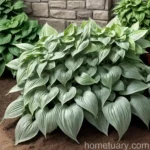
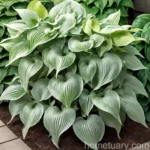
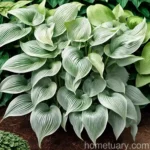
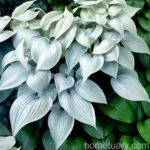
Hosta ‘Fire and Ice’ is a cultivar known for its distinctive coloration and prominent features. Characterized by its large, heart-shaped leaves, this variety showcases a striking contrast between the dark green margins and the bright white centers of its foliage. The combination of vibrant colors against a lush, green backdrop makes Hosta ‘Fire and Ice’ a captivating addition to any garden.
Key Takeaways – Hosta ‘Fire and Ice’
Before delving into the detailed care and cultivation practices for Hosta ‘Fire and Ice’, let’s summarize some key takeaways about this variety:
- Foliage: The leaves of Hosta ‘Fire and Ice’ feature a unique blend of dark green edges and bright white centers.
- Shade Tolerance: Thrives in partial to full shade, making it an excellent choice for shaded garden areas.
- Moisture Requirements: Requires consistently moist soil for optimal growth and health.
- Maintenance: Regular watering and fertilization, along with occasional division, contribute to maintaining the vigor of the plant.
- Disease Resistance: Exhibits good resistance to common hosta diseases, although certain pests may pose a threat.
Now, let’s explore the essential aspects of caring for Hosta ‘Fire and Ice’ in greater detail.
Culture
Water
Proper watering is crucial for maintaining the health and vitality of Hosta ‘Fire and Ice’. As with many hosta varieties, this cultivar prefers consistently moist soil, while also requiring good drainage to prevent waterlogging. During hot and dry periods, it’s essential to monitor the soil moisture regularly and provide supplemental watering when necessary.
- Watering Frequency: Water deeply when the soil surface feels dry to the touch, aiming for at least an inch of water per week during the growing season.
- Avoid Overhead Watering: To help prevent diseases such as leaf spot, it’s advisable to water at the base of the plant, minimizing moisture on the foliage.
Sunlight
Hosta ‘Fire and Ice’ exhibits a preference for shaded or partially shaded environments, where it can thrive without being exposed to direct sunlight for extended periods. While some morning sun may be tolerated, protection from the intense midday and afternoon sun is beneficial for this variety.
- Ideal Conditions: Plant Hosta ‘Fire and Ice’ in locations that receive dappled shade or filtered sunlight, particularly in regions with hot summers.
- Leaf Color Maintenance: Exposure to excessive sunlight may cause the white centers of the leaves to scorch or lose their vivid coloration, necessitating ample shade.
Fertilizer
Proper nutrition is essential for promoting robust growth and vibrant foliage in Hosta ‘Fire and Ice’. Regular fertilization with a balanced, slow-release fertilizer can help meet the plant’s nutritional needs and support its overall health.
- Fertilization Schedule: Apply a balanced fertilizer in early spring as new growth emerges, following the manufacturer’s recommendations for application rates.
- Avoid Excessive Nitrogen: While nitrogen is essential for leaf development, excessive nitrogen fertilization may encourage lush foliage at the expense of the distinct coloration of Hosta ‘Fire and Ice’.
Soil
Well-draining, rich soil provides an optimal growing medium for Hosta ‘Fire and Ice’. Amending the soil with organic matter can help enhance its moisture-retention capabilities and nutrient content, contributing to the plant’s vitality.
- Soil Composition: Aim for a loamy, humus-rich soil that promotes good drainage and retains moisture without becoming waterlogged.
- pH Levels: Hosta ‘Fire and Ice’ thrives in slightly acidic to neutral soil with a pH range of 6.0 to 7.5.
Pruning
Regular maintenance, including periodic pruning and removal of faded foliage, is essential for preserving the aesthetic appeal and health of Hosta ‘Fire and Ice’. Pruning also enables better air circulation, reducing the risk of disease development.
- Foliage Removal: Trim and remove spent or damaged leaves as needed to maintain a tidy appearance and minimize the risk of disease.
- Fall Cleanup: Prune back the foliage in late fall after it has died back, providing a clean slate for new growth in the following spring.
Propagation
Hosta ‘Fire and Ice’ can be propagated through various methods, including division, seed propagation, and tissue culture. Division is the most common and reliable approach, allowing gardeners to create new plants from established ones.
- Division: Divide established clumps in early spring before new growth emerges, ensuring that each division retains a portion of the rhizome, along with several healthy shoots and roots.
- Seed Propagation: While viable, seed propagation is a more time-consuming method that requires patience to grow plants to maturity from seeds.
Container Popularity
The versatile nature of Hosta ‘Fire and Ice’ makes it well-suited for container gardening, enabling individuals with limited space or challenging soil conditions to enjoy its beauty on patios, balconies, or other outdoor areas.
- Container Selection: Choose a generously sized container with adequate drainage holes to accommodate the plant’s root system and promote good aeration.
- Soil Considerations: Utilize a high-quality, well-draining potting mix to provide the necessary support and moisture retention for the plant.
Common Diseases
While Hosta ‘Fire and Ice’ exhibits good resistance to many common hosta diseases, certain issues may arise, particularly in conditions of high humidity or inadequate air circulation.
- Fungal Diseases: Keep an eye out for signs of fungal diseases such as leaf spot, which can be managed through cultural practices like promoting good air circulation and avoiding overhead watering.
- Crown Rot: Prevent crown rot by ensuring that the plants are not exposed to standing water and are grown in well-draining soil.
Disease Diagnosis
Prompt identification and management of diseases are crucial for safeguarding the health and vigor of Hosta ‘Fire and Ice’. Early intervention can prevent the spread of diseases and minimize their impact on the plant.
- Symptom Recognition: Familiarize yourself with common disease symptoms, including leaf lesions, wilting, and discoloration, to detect issues at their onset.
- Consultation: Seek guidance from local nursery professionals or extension services if you encounter unfamiliar symptoms or are unsure about disease diagnosis and treatment.
Common Pests
While Hosta ‘Fire and Ice’ is relatively resistant to pest infestations, certain insects may pose occasional challenges, requiring vigilant monitoring and appropriate intervention if necessary.
- Slugs and Snails: These voracious feeders can cause significant damage to hosta foliage, particularly in moist, shaded environments. Employ organic or chemical deterrents to manage slug and snail populations.
- Deer and Rabbits: Protect hostas from browsing by deer and rabbits through fencing, repellents, or planting companion plants that these animals find less palatable.
Botanist’s Tips
As a plant scientist with a passion for hostas, I offer the following tips to enhance your experience and success in growing Hosta ‘Fire and Ice’:
- Mulching: Apply a layer of organic mulch around the base of the plant to conserve soil moisture, suppress weed growth, and insulate the root system.
- Companion Planting: Pair Hosta ‘Fire and Ice’ with complementary plants such as ferns, astilbes, and heucheras to create visually appealing and harmonious garden compositions.
- Winter Protection: In regions with harsh winters, provide an extra layer of mulch or protective cover over the plant to shield it from extreme cold and temperature fluctuations.
Fun Facts
Hosta ‘Fire and Ice’ offers more than just visual appeal; it also presents intriguing aspects that make it a captivating addition to gardens and landscapes:
- Edible Flowers: The flowers of hostas, including Hosta ‘Fire and Ice’, are edible and can be used to add a delicate, decorative touch to culinary creations.
- Historical Significance: Hostas have been cultivated in Japan for centuries and are an integral part of Japanese ornamental horticulture.
- Vigorous Growth: With proper care, Hosta ‘Fire and Ice’ can form impressive clumps over time, adding a substantial presence to garden beds and shaded areas.
Links to External Resources
For further exploration and in-depth information on Hosta ‘Fire and Ice’ and related topics, you may find the following external resources useful:
- American Hosta Society: The official website of the American Hosta Society offers extensive resources, publications, and community forums for hosta enthusiasts.
- The Hosta Library: A comprehensive online library dedicated to hostas, featuring a vast collection of cultivar profiles, growing tips, and visuals.
- University Extension Services: Local extension services provide valuable insights on gardening practices, plant health, and pest management tailored to specific regions and climates.
In conclusion, Hosta ‘Fire and Ice’ stands as a splendid representative of the diverse and enchanting hosta genus, offering an array of delightful attributes and showcasing its resilience in shaded environments. By understanding and implementing the recommended care practices, enthusiasts can witness the enduring beauty and charm of Hosta ‘Fire and Ice’ in their own gardens, enriching their outdoor spaces with this captivating ornamental plant.
Care for Hosta ‘Fire and Ice’ is a rewarding journey, and by embracing the nuances of its cultivation, one can partake in the timeless allure that these remarkable plants impart.
For the most recent and scientifically verified information on Hosta ‘Fire and Ice’, please refer to the links provided in the article’s last section. Additionally, the American Hosta Society and The Hosta Library are reliable sources for hosta-related resources and literature.