Plant Profile: Bigleaf Hydrangea (Hydrangea macrophylla DOUBLE DELIGHTS PERFECTION)
Imagine a garden with lush greenery and a burst of colorful blooms that captivate the eyes and uplift the spirit. Amongst these enchanting plants, the bigleaf hydrangea (Hydrangea macrophylla DOUBLE DELIGHTS PERFECTION) stands out as a stunning addition, offering splendid foliage and captivating blossoms. In this comprehensive guide, I will delve into the fascinating world of the bigleaf hydrangea – from its culture and uses to its care requirements and propagation methods. By the end of this journey, you will gain a profound understanding of this remarkable plant and be equipped with the knowledge to cultivate and enjoy its beauty in your garden.
What is the Bigleaf Hydrangea (Hydrangea macrophylla DOUBLE DELIGHTS PERFECTION)?
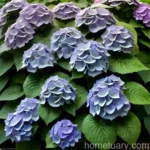
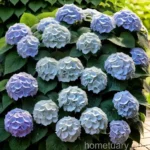
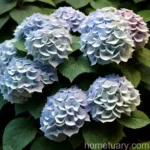
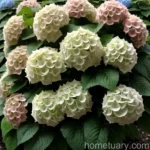
The bigleaf hydrangea, scientifically known as Hydrangea macrophylla, is a mesmerizing flowering plant revered for its large, showy blossoms and lush foliage. One of the most captivating varieties within this species is the DOUBLE DELIGHTS PERFECTION, renowned for its abundant, double-flowered blooms that adorn the plant during the blooming season. The unique floral display of the DOUBLE DELIGHTS PERFECTION showcases a blend of delicate colors, creating an awe-inspiring spectacle in any garden or landscape.
Key Takeaways – Bigleaf Hydrangea (Hydrangea macrophylla DOUBLE DELIGHTS PERFECTION)
- Scientific Name: Hydrangea macrophylla DOUBLE DELIGHTS PERFECTION
- Common Name: Bigleaf Hydrangea
- Flower Type: Double-flowered
- Notable Feature: Abundant, showy blossoms with a blend of delicate colors
- Growth Habit: Deciduous shrub
- Sunlight Requirement: Partial shade to filtered sun
- Soil Preference: Moist, well-draining soil rich in organic matter
Culture of Bigleaf Hydrangea (Hydrangea macrophylla)
One of the keys to successfully cultivating the bigleaf hydrangea lies in understanding its cultural requirements, including its water, sunlight, fertilizer, soil, and pruning preferences. Let’s explore each of these aspects in detail.
Water
Proper watering is essential for the health and vigor of the bigleaf hydrangea. These plants thrive in moist soil and benefit from regular watering, especially during dry spells. However, it’s important to avoid overwatering, which can lead to root rot and other detrimental issues.
- The soil should be consistently moist, but not waterlogged, especially during the plant’s active growth period.
- Apply water at the base of the plant to ensure deep penetration and encourage the development of a robust root system.
Sunlight
Bigleaf hydrangeas prefer partial shade to filtered sun, especially in regions with hot summers. While they can tolerate morning sun, they benefit from protection against intense afternoon sunlight, which can scorch their delicate foliage and blossoms.
- Plant them in locations that receive dappled sunlight or light shade, particularly during the hottest part of the day.
- Adding a layer of organic mulch around the base of the plant can help retain moisture and protect the roots from excessive heat.
Fertilizer
Feeding the bigleaf hydrangea with the appropriate fertilizer is crucial for promoting healthy growth and abundant blooms. A balanced, slow-release fertilizer formulated for flowering shrubs is ideal for meeting the plant’s nutritional needs.
- Apply fertilizer in spring before new growth emerges, ensuring even distribution around the plant’s drip line.
- Avoid using excessive amounts of fertilizer, as this can lead to excessive foliage growth at the expense of flower production.
Soil
The soil in which the bigleaf hydrangea is planted plays a significant role in its overall health and vitality. Acidic to slightly acidic, well-draining soil rich in organic matter is ideal for these plants.
- Amend the soil with organic matter such as compost or well-rotted manure to improve its texture and fertility.
- Maintain slightly acidic soil conditions with a pH range of 5.2 to 6.5, which supports optimal nutrient uptake and overall plant health.
Pruning Bigleaf Hydrangea (Hydrangea macrophylla)
Pruning is an essential aspect of maintaining the bigleaf hydrangea’s form and promoting abundant flowering. Understanding the proper pruning techniques for this plant is crucial for achieving spectacular blooms and healthy growth.
Pruning Method
- Deadheading Spent Blooms: Remove faded or spent blooms to encourage the production of new flower buds and prolong the blooming period.
- Removing Weak or Diseased Stems: Regularly inspect the plant for weak, damaged, or diseased stems and promptly remove them to enhance overall vigor and appearance.
- Rejuvenation Pruning: To rejuvenate an overgrown or sparse shrub, perform rejuvenation pruning by cutting back one-third of the oldest stems close to the ground. This stimulates new growth and enhances the plant’s overall structure.
Propagation of Bigleaf Hydrangea (Hydrangea macrophylla)
Propagating the bigleaf hydrangea opens up a world of possibilities for expanding your plant collection or sharing its beauty with others. With the right approach, you can successfully propagate this stunning shrub through various methods, including stem cuttings and layering.
Stem Cuttings
- Selecting and Preparing Cuttings: Choose healthy, non-flowering stems and snip 6 to 8-inch sections just below a leaf node. Remove the lower leaves to expose a node, which will facilitate root formation.
- Rooting Medium: Plant the cuttings in a well-draining rooting medium and place them in a warm, humid environment with indirect light.
- Root Formation: Keep the cuttings consistently moist and provide bottom heat, if possible, to encourage the development of roots. Within a few weeks to a couple of months, the cuttings should root and can be transplanted into individual pots.
Layering
- Selecting a Branch: Identify a healthy, flexible branch close to the ground and make a shallow wound on the underside. Dust the area with rooting hormone to stimulate root growth.
- Encouraging Rooting: Secure the wounded section of the branch in contact with the soil and cover it with additional soil, ensuring that the wounded area is submerged.
- Root Development: Over time, roots will develop at the wounded area, and once they are sufficiently established, the new plant can be carefully separated from the parent shrub and transplanted to a permanent location.
Bigleaf Hydrangea (Hydrangea macrophylla) in Containers
The bigleaf hydrangea’s versatility extends to container gardening, making it an excellent choice for patios, balconies, and small gardens. When cultivating these plants in containers, several considerations should be taken into account to ensure their health and vitality.
Container Selection
- Size and Drainage: Select a container that provides ample space for root development and features drainage holes to prevent waterlogged soil.
- Material: Opt for a container made of a durable material such as ceramic, plastic, or fiberglass, which will provide insulation and stability for the plant.
Soil and Watering
- Potting Mix: Use a well-draining potting mix formulated for acid-loving plants, ensuring that it provides adequate aeration and moisture retention.
- Watering Frequency: Check the moisture levels regularly and water the plant when the top inch of the soil feels dry to the touch, ensuring that excess water can freely drain from the container.
Sunlight and Climate
- Sun Exposure: Position the container in an area that receives dappled sunlight or partial shade, protecting it from intense midday sun.
- Climate Consideration: In regions with harsh winters, move the container to a sheltered location or insulate it to protect the plant’s roots from freezing temperatures.
Popularity of Bigleaf Hydrangea Cultivars
The bigleaf hydrangea, especially sought-after cultivars such as DOUBLE DELIGHTS PERFECTION, has captured the admiration of gardeners and plant enthusiasts worldwide. With its captivating blossoms and adaptability, this plant continues to be a beloved addition to gardens, landscapes, and floral arrangements.
Notable Cultivars
- Cityline Berlin: Recognized for its compact size and vibrant pink or blue flowers, depending on soil pH.
- Endless Summer: Celebrated for its repeat blooming ability, offering continuous floral displays throughout the growing season.
- Nikko Blue: Revered for its large, vivid blue blossoms that add a striking visual impact to any garden.
Landscape Use
- Foundation Plantings: Bigleaf hydrangeas are often used as foundation plantings near homes and structures, adding a touch of elegance and color to the landscape.
- Mixed Borders: Their lush foliage and showy blooms make them an ideal choice for mixed borders, where they can complement and enhance the visual appeal of other plants.
- Container Gardening: As discussed earlier, these plants thrive in containers, making them a popular choice for container gardening on patios, balconies, and terraces.
Floral Arrangements
- Cut Flowers: The large, vibrant blooms of bigleaf hydrangeas are frequently incorporated into cut flower arrangements, adding a touch of elegance and charm to floral designs.
Common Diseases of Bigleaf Hydrangea (Hydrangea macrophylla)
Like any plant, bigleaf hydrangeas are susceptible to certain diseases and conditions that can impact their health and appearance. Understanding these common diseases and their associated symptoms is crucial for timely intervention and effective management.
Disease Diagnosis
- Powdery Mildew: Recognizable by the powdery white growth on leaves, powdery mildew can lead to leaf distortion and reduced vigor in affected plants.
- Gray Mold: Caused by the fungus Botrytis cinerea, this disease results in the development of grayish mold on blossoms and stems, often leading to flower blight and dieback.
- Leaf Spot: Leaf spot diseases manifest as dark, circular lesions on the foliage, impacting the plant’s overall aesthetic appeal and potentially weakening its health.
Common Pests Affecting Bigleaf Hydrangea (Hydrangea macrophylla)
In addition to diseases, bigleaf hydrangeas can also fall prey to insect pests that can compromise their vitality and beauty. Familiarizing yourself with these common pests and their control methods is essential for safeguarding your plants.
Common Pests
- Aphids: These tiny, sap-sucking insects can congregate on tender shoots and buds, causing distortion and reduced vigor in affected plants.
- Spider Mites: Often appearing in hot, dry conditions, spider mites can cause stippling and webbing on the foliage, leading to reduced photosynthetic capability.
- Scale Insects: With their protective waxy coating, scale insects can latch onto stems and branches, sapping nutrients from the plant and weakening its health.
Pest Management
- Natural Predators: Encouraging the presence of natural predators such as ladybugs and lacewings can help control aphid and spider mite populations.
- Horticultural Oils: Applying horticultural oils can effectively smother and control scale insects, reducing their impact on the plant.
Botanist’s Tips for Growing Bigleaf Hydrangea (Hydrangea macrophylla)
As a plant scientist deeply enamored with the bigleaf hydrangea, I would like to share several valuable tips for cultivating and caring for these remarkable plants. These insights draw from years of research and practical experience, providing you with expert guidance for ensuring the flourishing of your bigleaf hydrangeas.
1. Soil Preparation
- Amending the Soil: Prior to planting, amend the soil with organic matter such as compost or well-rotted manure to enhance its texture and fertility, providing an optimal foundation for the plant’s growth.
2. Pruning Techniques
- Pruning Timing: Perform pruning immediately after the plant has finished flowering, as this allows for the development of new growth and flower buds for the following year.
3. pH Monitoring
- Soil pH Testing: Regularly test the soil pH to ensure it remains within the slightly acidic range of 5.2 to 6.5, as this directly impacts the availability of essential nutrients to the plant.
4. Cold Protection
- Winter Mulching: Apply a layer of protective mulch around the base of the plant in late fall to insulate the roots and protect them from freezing temperatures.
5. Watering Method
- Deep Watering: Provide deep watering to encourage robust root development and foster resilience against dry spells and heat stress.
Fun Facts about Bigleaf Hydrangea (Hydrangea macrophylla)
As we embrace the allure of bigleaf hydrangeas, let’s uncover some intriguing and delightful facts about these enchanting plants that enrich our appreciation for their beauty and significance in the botanical world.
- Color-Changing Blooms: The flower color of bigleaf hydrangeas is influenced by the soil pH, with acidic conditions yielding blue flowers and alkaline soils producing pink blooms.
- Deciduous Nature: Bigleaf hydrangeas are deciduous shrubs, shedding their leaves in fall and transitioning into their dormant phase for the winter.
- Historical Significance: In traditional folklore and ancient cultures, hydrangeas have been associated with diverse meanings and symbolism, from gratitude and heartfelt emotions to perseverance and abundance.
- Native Habitat: Hydrangea macrophylla is indigenous to Japan and Korea, where it thrives in woodland edges and mountainous regions, embodying a natural sense of elegance and resilience.
Links to External Resources
To expand your knowledge and access additional insights about bigleaf hydrangeas, the following external resources provide valuable information and guidance for enthusiasts, gardeners, and plant scientists.
- American Hydrangea Society: The American Hydrangea Society offers a wealth of resources, including articles, publications, and events focused on the beauty and cultivation of hydrangeas.
- The Royal Horticultural Society: The RHS provides comprehensive guidance on growing and caring for hydrangeas, including tips on soil preparation, planting, and pest management.
- University of Georgia Extension – Hydrangea: A Southern Tradition: This publication delves into the cultural significance and cultivation techniques for hydrangeas, with a focus on their appeal in the Southern United States.
Conclusion
In this exploration of the bigleaf hydrangea (Hydrangea macrophylla DOUBLE DELIGHTS PERFECTION), we have ventured into the realm of this captivating plant’s culture, uses, care requirements, and propagation methods. As we immerse ourselves in the dynamic world of horticulture, it’s abundantly clear that the bigleaf hydrangea continues to enchant and inspire with its remarkable beauty and versatile nature. Whether adorning gardens, enhancing landscapes, or gracing floral arrangements, this plant stands as a testament to the timeless allure of botanical wonders, inviting us to cultivate, cherish, and celebrate the splendor of nature.
References
- “Hydrangea macrophylla DOUBLE DELIGHTS PERFECTION” – Missouri Botanical Garden – Plant Database
- “Hydrangea macrophylla” – Royal Horticultural Society – Hydrangea Species
- “Pests and Diseases of Hydrangeas” – University of Connecticut Plant Database – Hydrangea Troubleshooting