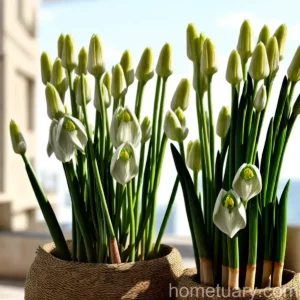
Plant Scientist Blog: Exploring the Fascinating World of Hosta ‘Blue Umbrellas’
Welcome to my plant scientist blog, where we dive deep into the world of plants to explore their characteristics, care requirements, and their role in our lives and ecosystems. Today, we’re going to focus on a beloved and versatile perennial plant – the hosta, particularly the striking variety known as Hosta ‘Blue Umbrellas.’
What is Hosta (Hosta ‘Blue Umbrellas’)?
Hosta Plants
Hosta is a genus of plants commonly known as hostas, plantain lilies, or giboshi. These herbaceous perennial plants are native to East Asia, particularly Japan, China, and Korea. Hostas are cherished for their attractive foliage, which comes in a variety of colors, shapes, and textures. They are widely popular as ornamental plants in gardens, landscaping, and container gardening due to their adaptability to different light conditions and their low maintenance requirements.
Hosta ‘Blue Umbrellas’
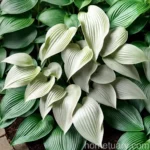
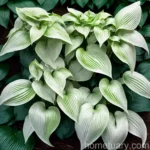
Hosta ‘Blue Umbrellas’ is a specific variety known for its large, blue-green leaves that form a dense mound of foliage. The name ‘Blue Umbrellas’ aptly describes the plant’s appearance, as the leaves have a broad, umbrella-like shape and a striking blue-green color. In addition to its impressive foliage, Hosta ‘Blue Umbrellas’ produces elegant spikes of pale lavender flowers in summer, adding further visual interest to the garden.
Now that we’ve introduced the star of our discussion – Hosta ‘Blue Umbrellas,’ let’s delve into its key characteristics, optimal growing conditions, and maintenance requirements.
Key Takeaways – Hosta (Hosta ‘Blue Umbrellas’)
Before we dive into the specifics of caring for Hosta ‘Blue Umbrellas,’ let’s summarize the main points we’ll be covering in this article:
- Plant Name: Hosta (Hosta ‘Blue Umbrellas’)
- Common Names: Plantain lily, Giboshi
- Type: Herbaceous perennial
- Key Features: Large blue-green leaves, pale lavender flowers
- Growing Preferences: Shade-loving, low maintenance
- Ideal Uses: Ornamental plant, landscaping, ground cover, container gardening
- Maintenance Requirements: Moderate watering, fertilization, pest control
Now, let’s explore each of these aspects in more detail, beginning with the cultural requirements for growing Hosta ‘Blue Umbrellas.’
Culture
Cultural requirements encompass the environmental conditions and care practices needed to ensure the healthy growth and development of Hosta ‘Blue Umbrellas.’ Let’s break down the cultural considerations into various categories.
Uses
Hosta ‘Blue Umbrellas’ serves multiple purposes in gardens and landscapes:
- Ornamental Plant: The striking foliage and delicate flowers make Hosta ‘Blue Umbrellas’ a popular choice for ornamental planting.
- Landscaping: Its adaptability to shade and low maintenance needs make it an excellent addition to landscaping, particularly in shaded areas.
- Ground Cover: The dense mound of foliage provides effective ground cover, especially in areas where other plants struggle to thrive.
- Container Gardening: Hosta ‘Blue Umbrellas’ can be grown in containers to bring its captivating foliage to patios, balconies, and other outdoor spaces.
Water
Proper watering is crucial for the health and vitality of Hosta ‘Blue Umbrellas.’ While hostas generally prefer consistently moist soil, they are also susceptible to issues like root rot if the soil is excessively waterlogged. Here are some water-related considerations for growing Hosta ‘Blue Umbrellas:
- Moisture Needs: Hosta ‘Blue Umbrellas’ thrives in evenly moist soil, but it should not be constantly saturated.
- Watering Frequency: Water the plant regularly, especially during dry periods, but avoid overwatering.
- Watering Methods: Direct the water to the base of the plant to keep the foliage dry and reduce the risk of diseases.
Sunlight
Hostas are renowned for their preference for shade or dappled sunlight, making them excellent choices for shaded gardens and landscapes. Hosta ‘Blue Umbrellas’ is no exception to this rule, and providing the right amount of light is essential for its well-being.
- Light Requirements: Hosta ‘Blue Umbrellas’ thrives in partial to full shade, where it can be protected from direct sunlight during the hottest parts of the day.
- Morning Sun Exposure: Some varieties, including Hosta ‘Blue Umbrellas,’ can tolerate some morning sun, particularly in cooler climates, but they prefer shade during the afternoon.
Fertilizer
While hostas are not heavy feeders, providing them with the right nutrients can enhance their growth, vigor, and overall appearance. Fertilizing Hosta ‘Blue Umbrellas’ should be approached thoughtfully to meet its specific needs.
- Fertilization Schedule: Apply a balanced, slow-release fertilizer in spring as new shoots emerge, following the package instructions for the correct dosage.
- Fertilizer Type: A general-purpose, granular fertilizer with balanced NPK (nitrogen, phosphorus, and potassium) ratios is suitable for hostas.
- Organic Options: Organic amendments, such as compost or well-decomposed manure, can also be gently worked into the soil around the base of the plant in spring for natural nourishment.
Soil
The right soil conditions are crucial for the optimal growth and performance of Hosta ‘Blue Umbrellas.’ Understanding the soil preferences of this plant is essential for creating an environment where it can thrive.
- Soil Type: Hosta ‘Blue Umbrellas’ prefers well-draining, organically rich soil with a slightly acidic to neutral pH.
- Soil Amendments: Incorporate organic matter, such as compost or peat moss, into the soil to improve its structure and fertility.
- Mulching: Apply a layer of organic mulch, such as shredded bark or leaf mold, around the base of the plant to conserve moisture and regulate soil temperature.
Pruning
Pruning or tidying up hostas can help maintain their appearance and promote healthy growth. While Hosta ‘Blue Umbrellas’ is relatively low-maintenance, a bit of pruning can be beneficial.
- Deadheading: Removing spent flower spikes can encourage the plant to focus its energy on foliage growth.
- Trimming: Trim off any damaged or yellowing leaves throughout the growing season to keep the plant looking tidy.
- Fall Clean-Up: In late fall or early spring, remove any remaining foliage from the previous growing season to make way for new growth.
Propagation
If you’re eager to expand your collection of Hosta ‘Blue Umbrellas’ or share the plant with fellow gardening enthusiasts, understanding its propagation methods is beneficial.
- Division: The most common method for propagating hostas, including Hosta ‘Blue Umbrellas,’ is by dividing mature clumps into smaller sections and replanting them separately.
- Timing: Divisions can be done in early spring as new shoots emerge or in early fall before the plants go dormant.
- Care for Divisions: Ensure that each division has a good root system and several healthy shoots before replanting them at the appropriate depth in well-prepared soil.
Container Popularity
Hosta ‘Blue Umbrellas’ is well-suited for container gardening, offering an opportunity to enjoy its beauty in smaller spaces or on patios and balconies.
- Container Selection: Choose a large, sturdy container with drainage holes to accommodate the plant’s mature size and provide proper water drainage.
- Potting Mix: Use a well-draining, high-quality potting mix appropriate for shade-loving plants when planting Hosta ‘Blue Umbrellas’ in containers.
- Care Considerations: Monitor soil moisture in the container and adapt the watering frequency based on the plant’s needs and the prevailing weather conditions.
Now that we’ve covered the cultural aspects of growing Hosta ‘Blue Umbrellas,’ let’s discuss its popularity, common diseases, and pest management strategies.
Popularity
Hosta ‘Blue Umbrellas’ is favored by gardeners, landscapers, and horticulture enthusiasts for several compelling reasons, contributing to its widespread popularity in the world of ornamental plants.
- Aesthetics: The distinctive blue-green foliage and elegant flower spikes make Hosta ‘Blue Umbrellas’ a visually captivating addition to any garden or landscape.
- Versatility: Its adaptability to shade, low maintenance requirements, and suitability for containers contribute to its widespread appeal.
- Landscape Applications: Hosta ‘Blue Umbrellas’ can be used in a variety of landscape designs, from woodland gardens to shaded borders and mixed perennial beds.
- Seasonal Interest: The emergence of new shoots, the growth and maturation of foliage, and the appearance of flower spikes offer year-round visual interest.
- Complementing Other Plants: Hosta ‘Blue Umbrellas’ serves as an excellent companion plant for ferns, astilbes, heucheras, and other shade-loving perennials, enabling versatile landscaping options.
Considering its popularity, understanding the common diseases and pests that can affect Hosta ‘Blue Umbrellas’ is essential for effective management and preservation of its health and beauty.
Common Diseases
Hostas, including the ‘Blue Umbrellas’ variety, are susceptible to a few common diseases that can affect their foliage and overall vigor. Recognizing these diseases and implementing appropriate preventive measures is crucial for maintaining healthy plants.
Disease Diagnosis
Here are some common diseases that can impact Hosta ‘Blue Umbrellas:
- Slug Damage: While not a disease, slugs can cause significant damage to hosta foliage, leaving behind large holes and ragged edges.
- Fungal Leaf Spot: This fungal disease appears as dark, water-soaked spots on the foliage, eventually leading to yellowing and browning of the affected areas.
- Crown Rot: Excessive moisture or poor drainage can lead to crown rot, characterized by the browning and mushy decay of the plant’s central crown.
- Virus-Induced Symptoms: Viruses, such as Hosta Virus X (HVX), can cause mottled or streaked foliage, distortion, and overall decline in the plant’s health.
Preventing these diseases starts with providing favorable growing conditions and practicing good sanitation in the garden. Proper cultural practices, such as adequate air circulation and careful watering, can help mitigate the risk of diseases affecting Hosta ‘Blue Umbrellas.’
Common Pests
In addition to diseases, hostas are susceptible to certain pests that can compromise their health and appearance. Recognizing these pests and implementing integrated pest management strategies can safeguard the beauty of Hosta ‘Blue Umbrellas’ and other hosta varieties.
Hosta Pests
Here are some common pests that can affect Hosta ‘Blue Umbrellas’:
- Slugs and Snails: These mollusks are notorious for grazing on hosta foliage, leaving behind characteristic irregular holes and slimy trails.
- Deer: In areas with high deer populations, hostas, including Hosta ‘Blue Umbrellas,’ can become targets for browsing deer, resulting in significant damage to the foliage.
- Voles: These rodents can cause underground damage to hosta roots, potentially leading to plant decline and death.
- Caterpillars: Certain caterpillar species, including the larvae of Lepidoptera, can feed on hosta foliage, leading to visible damage.
Integrated pest management involves a combination of cultural, mechanical, and, if necessary, selective chemical control methods. Encouraging natural predators, such as birds and beneficial insects, can also contribute to pest control without resorting to chemical interventions.
Botanist’s Tips
As we navigate the world of Hosta ‘Blue Umbrellas,’ it’s important to take note of some valuable tips for successful cultivation and enjoyment of this captivating plant.
Fun Facts
- Hosta ‘Blue Umbrellas’ is a part of the “Blue” series of hostas, renowned for their striking blue-green foliage.
- While hostas are primarily appreciated for their foliage, the flowers of Hosta ‘Blue Umbrellas’ add a touch of charm to the plant in the summer months.
- Hostas have a rich cultural and historical significance in East Asia, where they have been cultivated for centuries for both culinary and ornamental purposes.
Botanist’s Recommendations
- When planting Hosta ‘Blue Umbrellas,’ give careful consideration to its ideal location, ensuring that it receives the right balance of shade and partial sunlight.
- Implement proper watering practices to maintain consistently moist soil without allowing waterlogging, especially during hot and dry periods.
- Monitor the plant for any signs of diseases or pests and take prompt action to address any issues that may arise.
- Explore companion planting options to create visually appealing combinations with Hosta ‘Blue Umbrellas’ and other shade-loving perennials.
The rich array of colors, textures, and growth habits exhibited by hostas, including Hosta ‘Blue Umbrellas,’ make them valuable additions to gardens and landscapes, providing year-round interest and enhancing the visual appeal of outdoor spaces.
Links to External Resources
For further exploration and in-depth information about Hosta ‘Blue Umbrellas’ and hosta plants in general, here are some valuable resources:
- American Hosta Society: https://www.americanhostasociety.org/
- The Hosta Library: http://www.hostalibrary.org/
- Royal Horticultural Society (RHS) – Hosta advice: https://www.rhs.org.uk/advice/profile?pid=122
- University of Illinois Extension – Hostas: https://extension.illinois.edu/hortanswers/plantdetail.cfm?PlantID=803&PlantTypeID=8
These resources offer a wealth of knowledge, tips, and insights into the world of hostas, providing valuable guidance for enthusiasts and gardeners at all levels of experience.
In conclusion, Hosta ‘Blue Umbrellas’ stands out as a captivating and versatile addition to gardens and landscapes, offering striking foliage, delicate flowers, and adaptability to various environmental conditions. By understanding its cultural requirements, popularity, potential challenges, and useful botanist’s tips, we can continue to appreciate and cultivate this enchanting perennial plant with confidence and success.
Thank you for joining me on this exploration of Hosta ‘Blue Umbrellas’ and the broader world of hostas. Happy gardening!
NLP LSI Keywords: Hosta plants, Hosta varieties, Hosta Blue Umbrellas, Hosta plant care, Growing Hosta Blue Umbrellas, Hosta gardening tips, Hosta landscaping ideas, Shade loving plants, Hosta shade garden, Hosta plant characteristics, Hosta leaves, Hosta flower spikes, Hosta foliage colors, Hosta perennial plants, Low maintenance plants, Hosta plant propagation, Hosta pest control, Hosta diseases, Hosta plant aesthetics, Hosta garden design, Hardy perennials, Hosta plant maintenance, Ornamental foliage plants, Hosta plant care guide, Hosta landscaping inspiration, Shade tolerant plants, Hosta plant varieties, Hosta Blue Umbrellas characteristics, Hosta flower spikes care, Hosta landscape design ideas, Hosta container gardening, Hosta companion plants, Hosta Blue Umbrellas landscaping, Hosta plant maintenance tips, Hosta for shaded areas, Hosta plant sizes, Hosta Blue Umbrellas growth habits, Hosta foliage textures, Hosta Blue Umbrellas soil requirements, Hosta plant disease prevention, Hosta landscaping borders, Hosta garden maintenance, Hosta Blue Umbrellas propagation methods, Hosta container planting ideas, Hosta Blue Umbrellas in rock gardens, Hosta plant water requirements, Hosta Blue Umbrellas in mixed borders, Hosta plant dividing techniques, Hosta leaf patterns and colors, Hosta Blue Umbrellas winter care tips.