Hosta ‘Fragrant Bouquet’ (Plantain Lily)
Hosta ‘Fragrant Bouquet’, also known as Plantain Lily, is a beloved perennial that is cherished for its striking foliage and lovely fragrance. As a plant.
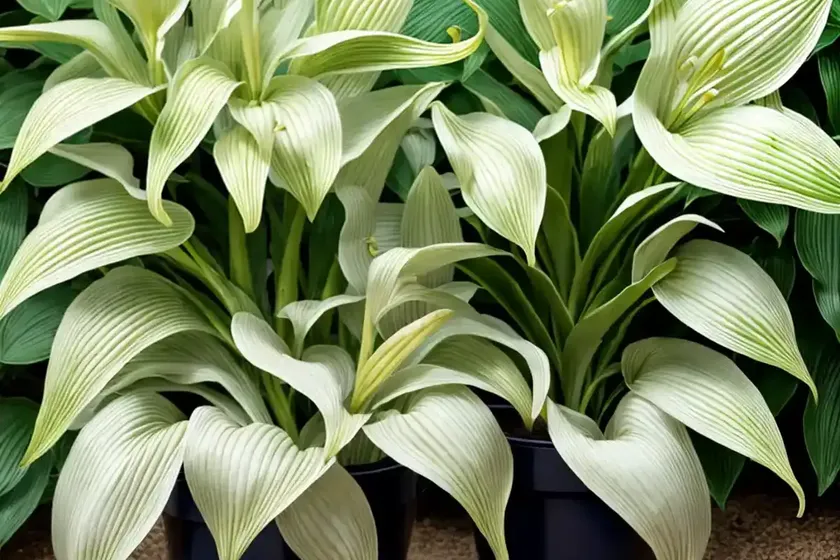
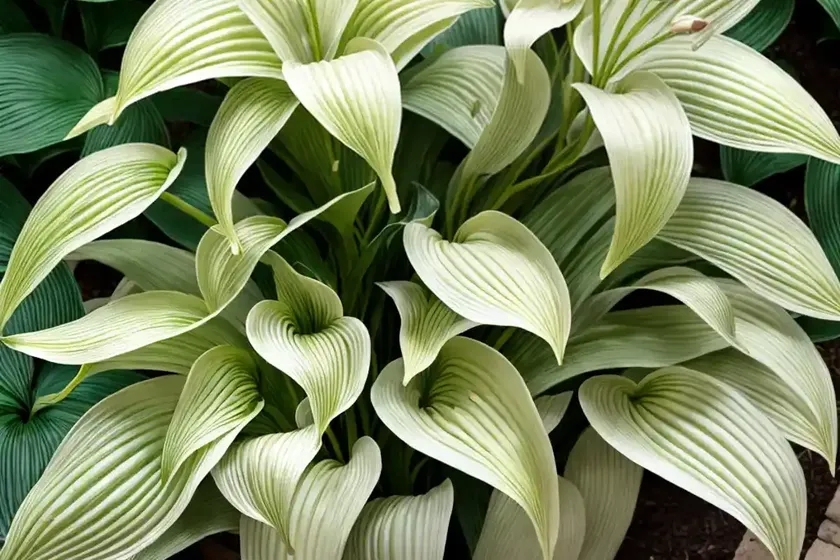
Hosta ‘Fragrant Bouquet’, also known as Plantain Lily, is a beloved perennial that is cherished for its striking foliage and lovely fragrance. As a plant scientist, I have studied this species extensively and am excited to share a comprehensive guide to help you care for and appreciate this delightful plant. In this guide, we will explore the culture, uses, maintenance, and fascinating characteristics of Hosta ‘Fragrant Bouquet’ to assist both novice and experienced gardeners in cultivating and enjoying this captivating plant.
What is Hosta ‘Fragrant Bouquet’ (Plantain Lily)?
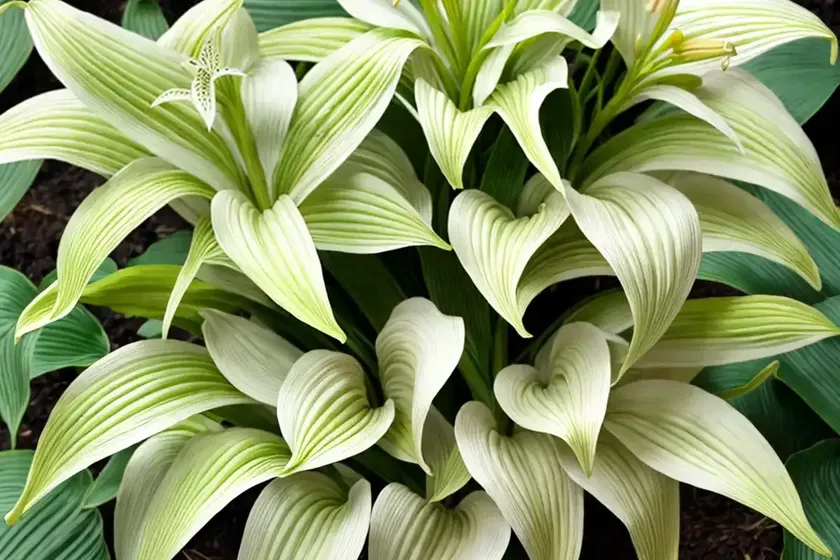
Hosta ‘Fragrant Bouquet’ is a shade-loving perennial plant that belongs to the family Asparagaceae. This cultivar is renowned for its lush, variegated foliage and delightful fragrance. The vibrant green leaves feature chartreuse margins and emit a pleasant fragrance, adding an extra dimension of sensory appeal to the garden. In addition to its aromatic leaves, Hosta ‘Fragrant Bouquet’ blooms gracefully with lavender-hued flowers in the summer, attracting bees and butterflies to the garden.
This plant is a stunning addition to shade gardens, woodland areas, and mixed borders, where its bright foliage lends a touch of elegance and charm to the surroundings. With proper care and maintenance, Hosta ‘Fragrant Bouquet’ can thrive for many years, rewarding gardeners with its beauty and captivating scent.
Key Takeaways – Hosta ‘Fragrant Bouquet’ (Plantain Lily)
Before delving into the specific details of cultivation and care, let’s explore some key takeaways regarding Hosta ‘Fragrant Bouquet’:
- Common Name: Hosta ‘Fragrant Bouquet’ (Plantain Lily)
- Family: Asparagaceae
- Foliage: Variegated, green leaves with chartreuse margins
- Flowers: Lavender-colored, fragrant blooms in summer
- Fragrance: Leaves emit a delightful fragrance
- Growth Habit: Clump-forming, mounding habit
- Ideal Location: Shade gardens, woodland areas, mixed borders
- Attributes: Low maintenance, perennial, attractive to bees and butterflies
With these key points in mind, let’s move on to explore the cultural requirements and specific care guidelines for Hosta ‘Fragrant Bouquet’.
Culture
Understanding the cultural needs of Hosta ‘Fragrant Bouquet’ is essential for creating a hospitable environment where the plant can thrive. From sunlight preferences to soil requirements, let’s delve into the details of providing the optimal conditions for this captivating perennial.
Sunlight
Hosta ‘Fragrant Bouquet’ is renowned for its preference for partial to full shade. While it can tolerate some morning sun, it thrives in dappled or filtered shade, making it an excellent choice for shaded areas in the garden. When selecting a planting location, it’s crucial to consider the availability of shade and the intensity of sunlight, as excessive direct sun exposure can cause leaf scorch and impact the overall health of the plant.
Water
Proper watering is critical for the well-being of Hosta ‘Fragrant Bouquet’. This plant thrives in moist, well-drained soil and benefits from regular watering to maintain adequate moisture levels. While it is essential to keep the soil consistently moist, it’s equally important to avoid waterlogged conditions, as excessive moisture can lead to root rot and other complications. During hot and dry periods, providing supplemental water can help ensure the plant’s hydration needs are met.
Soil
The soil composition plays a significant role in the growth and development of Hosta ‘Fragrant Bouquet’. This cultivar thrives in fertile, humus-rich soil with good drainage. Amending the soil with organic matter such as compost or well-rotted manure can enhance its texture and fertility, creating an optimal growing medium for the plant. Additionally, maintaining a slightly acidic to neutral pH level in the soil is beneficial for the overall health of Hosta ‘Fragrant Bouquet’.
Fertilizer
Proper fertilization can support the vigorous growth and ornamental appeal of Hosta ‘Fragrant Bouquet’. Applying a balanced, slow-release fertilizer in the spring as new growth emerges can provide essential nutrients for the plant’s development. Look for a fertilizer with a formulation such as 10-10-10 or 12-12-12, ensuring that it contains a balanced ratio of nitrogen, phosphorus, and potassium. Avoid over-fertilization, as excessive nitrogen can lead to lush foliage at the expense of flower production.
Uses
Hosta ‘Fragrant Bouquet’ offers a wide range of uses in landscaping and gardening, thanks to its captivating foliage and delightful fragrance. Understanding the various applications of this plant can inspire creative designs and enhance the overall aesthetic of outdoor spaces.
-
Shade Gardens: As a shade-loving perennial, Hosta ‘Fragrant Bouquet’ serves as an excellent choice for creating visually appealing and low-maintenance shade gardens. Its vibrant foliage can brighten up shady areas, adding texture and color to the landscape.
-
Woodland Areas: The naturalistic charm of Hosta ‘Fragrant Bouquet’ makes it a valuable addition to woodland gardens. Its ability to thrive in shaded environments aligns perfectly with the ambiance of woodland settings, where it can contribute to the serene and picturesque atmosphere.
-
Mixed Borders: Incorporating Hosta ‘Fragrant Bouquet’ into mixed borders can yield visually stunning results. Its variegated foliage adds visual interest and complements a wide range of companion plants, creating dynamic and harmonious plant combinations.
-
Container Gardening: Due to its adaptability to container cultivation, Hosta ‘Fragrant Bouquet’ can be featured in container gardens on patios, balconies, or other outdoor spaces. Its compact size and decorative foliage make it an attractive choice for container plantings.
Pruning
Pruning plays a crucial role in maintaining the health and appearance of Hosta ‘Fragrant Bouquet’. By engaging in proper pruning practices, gardeners can promote vigorous growth, control the size of the plant, and remove any damaged or unsightly foliage.
Foliage Cleanup
Regularly removing old or damaged leaves can help keep Hosta ‘Fragrant Bouquet’ looking tidy and revitalized. As the foliage ages, it may develop blemishes or discolorations, detracting from the overall aesthetic appeal of the plant. By carefully trimming away the affected leaves, gardeners can maintain a fresh and vibrant appearance for the plant.
Flower Stalk Removal
After the flowering period, trimming or removing the spent flower stalks can prevent the plant from expending unnecessary energy on seed production. This practice allows the plant to redirect its resources towards foliage growth, supporting its overall vigor and vitality.
Division
Over time, mature clumps of Hosta ‘Fragrant Bouquet’ may benefit from division to rejuvenate their growth and prevent overcrowding. Dividing the plant every few years can promote improved vigor and enhance the visual impact of the foliage. When dividing the clumps, it’s essential to ensure that each division has an adequate portion of roots and foliage to support its successful establishment.
Propagation
Expanding your collection of Hosta ‘Fragrant Bouquet’ can be a rewarding endeavor, and propagation offers an effective means of attaining new plants. Understanding the methods of propagation is essential for successfully cultivating additional specimens to enrich your garden or share with fellow enthusiasts.
Division
Division stands out as one of the most common and straightforward methods for propagating Hosta ‘Fragrant Bouquet’. This process involves separating the plant’s rhizomes into smaller divisions, each containing a portion of roots and foliage. Dividing the clumps in the early spring before new growth emerges can facilitate the establishment of the divisions in their new planting locations.
Seed Propagation
While less commonly utilized for Hosta ‘Fragrant Bouquet’, seed propagation represents another viable option for creating new plants. Collecting the seeds from mature seedpods and sowing them in a suitable growing medium can yield seedlings that will develop into distinct individuals, showcasing unique combinations of traits derived from their parental lineage.
Container Popularity
Hosta ‘Fragrant Bouquet’ has garnered significant popularity among gardeners who appreciate its versatility and ornamental attributes in container gardening. The cultivar’s suitability for container cultivation stems from its compact size, decorative foliage, and shade tolerance, making it an excellent choice for adorning outdoor living spaces with greenery and fragrance.
Advantages of Container Cultivation
-
Versatility: Hosta ‘Fragrant Bouquet’ can thrive in various types of containers, ranging from traditional pots to decorative planters, allowing gardeners to showcase its beauty in diverse settings.
-
Space-Saving: For individuals with limited garden space, cultivating Hosta ‘Fragrant Bouquet’ in containers presents an effective way to introduce foliage and fragrance without the need for expansive planting areas.
-
Portability: Containers offer the flexibility of relocating the plants as needed, whether for optimizing growing conditions or creating dynamic arrangements in different areas of the garden.
Common Diseases
While Hosta ‘Fragrant Bouquet’ is generally resilient, it is essential to be mindful of potential diseases that can affect its health. By understanding the common diseases and their symptoms, gardeners can take proactive measures to mitigate the risk of infection and safeguard the well-being of their plants.
Leaf Spot
Leaf spot, caused by fungal pathogens, can manifest as dark spots or lesions on the foliage of Hosta ‘Fragrant Bouquet’. This condition can lead to unsightly blemishes and compromise the overall attractiveness of the plant. Fostering good air circulation and avoiding overhead watering can help prevent the development and spread of leaf spot.
Crown Rot
Excessive moisture or poorly drained soil can create favorable conditions for crown rot, a fungal disease that affects the crown and roots of the plant. Symptoms include wilting, yellowing, and decay of the affected tissues. To mitigate the risk of crown rot, ensuring proper drainage and avoiding waterlogging are essential cultural practices.
Slug and Snail Damage
Hosta ‘Fragrant Bouquet’ is susceptible to damage from slugs and snails, which can feed on the foliage and leave behind unsightly trails. Implementing slug and snail control measures, such as physical barriers or organic repellents, can help protect the plant from these common pests.
Disease Diagnosis
Diagnosing diseases in Hosta ‘Fragrant Bouquet’ involves careful observation of the plant’s symptoms and an understanding of the common pathogens that may affect its health. By recognizing the signs of diseases early on, gardeners can take prompt action to address the issues and prevent their escalation.
Visual Inspection
Regularly inspecting the foliage and overall appearance of the plant can provide valuable insights into its health. Look for any abnormal discolorations, lesions, or signs of decay that may indicate the presence of diseases or pests.
Symptom Recognition
Familiarizing yourself with the typical symptoms of common diseases, such as leaf spot and crown rot, can enable you to identify potential problems and take appropriate measures to address them effectively.
Pathogen Identification
When encountering unfamiliar or persistent symptoms, consulting with plant health experts or utilizing diagnostic resources can aid in accurately identifying the specific pathogens responsible for the observed issues.
Common Pests
In addition to diseases, Hosta ‘Fragrant Bouquet’ may encounter various pests that can impact its foliage and overall vitality. Understanding the common pests and their behaviors is essential for implementing effective pest management strategies and safeguarding the plant from potential damage.
Slugs and Snails
Slugs and snails are notorious for their voracious appetite for Hosta foliage, leaving behind ragged edges and distinctive slime trails. Employing deterrents, such as copper barriers or iron phosphate-based baits, can help protect the plant from these nuisance pests.
Deer
In areas populated by deer, Hosta ‘Fragrant Bouquet’ may face browsing damage from these herbivorous mammals. Fencing and repellents offer viable solutions for minimizing the risk of deer-related damage and preserving the plant’s ornamental foliage.
Aphids
Aphids, tiny sap-sucking insects, can infest the foliage of Hosta ‘Fragrant Bouquet’ and cause distortion or discoloration of the leaves. Introducing natural predators, such as ladybugs or lacewings, can assist in controlling aphid populations and maintaining the plant’s health.
Botanist’s Tips
As a plant scientist deeply familiar with the characteristics and cultivation of Hosta ‘Fragrant Bouquet’, I have curated a set of botanical insights and recommendations to support your successful stewardship of this enchanting plant:
-
Optimal Planting Time: Spring and early fall are ideal for establishing Hosta ‘Fragrant Bouquet’, providing favorable conditions for root establishment and minimizing heat stress.
-
Mulching: Applying a layer of organic mulch around the base of the plant can help conserve soil moisture, regulate temperature, and suppress weed growth, creating a conducive environment for the plant’s growth.
-
Mulch Depth: Aim for a mulch depth of 2-3 inches, ensuring that the mulch layer extends across the root zone without directly contacting the plant’s stems or foliage.
-
Grooming: Regularly grooming the plant by removing spent flowers, damaged foliage, and debris can elevate its visual appeal and contribute to a tidy and well-maintained appearance.
-
Companion Planting: Consider pairing Hosta ‘Fragrant Bouquet’ with shade-tolerant companions, such as ferns, astilbe, and coral bells, to create visually harmonious and thriving plant combinations.
-
Winter Protection: In regions with harsh winters, providing winter protection, such as mulching and sheltering from drying winds, can help safeguard Hosta ‘Fragrant Bouquet’ from potential cold-related damage.
Fun Facts
Fragrant Foliage
Hosta ‘Fragrant Bouquet’ stands out for its fragrant foliage, a distinctive trait that sets it apart from many other hosta varieties. When evening descends, the gentle fragrance emitted by the leaves adds an enchanting element to moonlit garden strolls and outdoor gatherings.
Wildlife Attraction
The lavender-colored blooms of Hosta ‘Fragrant Bouquet’ attract bees and butterflies, contributing to the pollination of nearby plants and fostering a thriving ecosystem within the garden.
Historical Significance
The origins of Hosta ‘Fragrant Bouquet’ can be traced to selective breeding efforts aimed at enhancing the fragrance and ornamental appeal of hosta plants, resulting in the development of this captivating cultivar.
Links to External Resources
To further expand your knowledge and explore additional insights into Hosta ‘Fragrant Bouquet’ and related topics, consider accessing the following resources:
-
American Hosta Society – An organization dedicated to promoting knowledge of hostas and encouraging the cultivation and enjoyment of these plants.
-
The Hosta Library – A comprehensive online resource offering a wealth of information on hostas, including cultivar descriptions, images, and cultivation tips.
-
Gardeners’ World Magazine – A reputable publication featuring articles and guides on gardening, horticulture, and plant care, with valuable insights on growing hostas.
With the information and guidance provided in this comprehensive guide, you are well-equipped to embark on a fulfilling journey of cultivating, appreciating, and enjoying the captivating beauty of Hosta ‘Fragrant Bouquet’ in your outdoor spaces.
Whether adorning a shaded garden, enriching a woodland landscape, or gracing a decorative container, this delightful perennial is sure to captivate your senses and elevate the allure of your garden with its fragrant foliage and enchanting blooms.
As always, I encourage you to continue exploring the world of plant science and horticulture, discovering new plant varieties, and embracing the intrinsic joy of nurturing and celebrating the wonders of nature within your own green sanctuary. Happy gardening!