Hosta ‘Drop-Dead Gorgeous’ (Plantain Lily): A Complete Guide for Cultivation and Care
When it comes to gardening, the hosta ‘Drop-Dead Gorgeous’ or Plantain Lily is a popular choice that adds both beauty and elegance to any landscape. Hostas are known for their attractive foliage, which comes in a wide range of colors, shapes, and textures. They are versatile plants that can thrive in various environments, making them an ideal option for both experienced and novice gardeners.
In this comprehensive guide, we will explore everything you need to know about growing and caring for the Hosta ‘Drop-Dead Gorgeous’, also known as the Plantain Lily. From its characteristics and ideal growing conditions to tips for propagation and common pests and diseases, we aim to provide you with all the information required to cultivate and maintain this stunning plant successfully.
What is Hosta ‘Drop-Dead Gorgeous’ (Plantain Lily)?
Hosta ‘Drop-Dead Gorgeous’ is a cultivar of the Plantain Lily, which is a herbaceous perennial plant that is native to Japan, China, and Korea. It is a member of the Asparagaceae family and is widely cultivated for its ornamental foliage. The ‘Drop-Dead Gorgeous’ variety is particularly prized for its striking foliage and elegant appearance, making it a sought-after addition to gardens and landscapes.
Key Takeaways – Hosta ‘Drop-Dead Gorgeous’ (Plantain Lily)
Before delving into the specifics of cultivation and care, let’s take a look at the key takeaways associated with the Hosta ‘Drop-Dead Gorgeous’, also known as the Plantain Lily:
-
Plantain Lily Varieties: The Plantain Lily is available in a wide range of cultivars, each offering unique foliage colors, textures, and growth habits. The ‘Drop-Dead Gorgeous’ variety, in particular, is revered for its captivating appearance.
-
Shade-Loving Plant: Hosta ‘Drop-Dead Gorgeous’ is well-suited to shady environments and can thrive in areas with limited direct sunlight.
-
Perennial: As a perennial plant, the Hosta ‘Drop-Dead Gorgeous’ returns year after year, providing long-lasting beauty in garden landscapes.
-
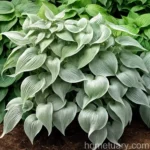
Foliage: The striking foliage of Hosta ‘Drop-Dead Gorgeous’ is the standout feature of this plant, with an array of colors, sizes, and textures available.
-
Low-Maintenance: Despite their stunning appearance, Hostas are relatively low-maintenance plants, making them an excellent choice for gardeners seeking easy-to-care-for additions to their landscapes.
Now that we have an overview of the key aspects of the Hosta ‘Drop-Dead Gorgeous’, let’s dive into the specifics of cultivating and caring for this beautiful plant.
Culture
Cultivating Hosta ‘Drop-Dead Gorgeous’ successfully requires an understanding of its ideal growing conditions, propagation methods, and maintenance techniques. Here, we will explore the culture of this plant in detail to help you ensure its optimal growth and beauty in your garden or landscape.
Uses
Hosta ‘Drop-Dead Gorgeous’ is prized for its ornamental value and is commonly used in various garden settings, including:
- Shade Gardens: Its preference for shade makes it an excellent choice for adding color and texture to shaded garden areas.
- Landscaping: Hostas are frequently used in landscaping to create attractive borders, underplanting for taller shrubs and trees, and as ground covers in naturalized areas.
- Containers: The ‘Drop-Dead Gorgeous’ variety is also well-suited for container gardening, allowing individuals with limited garden space to enjoy its beauty on patios, balconies, and other outdoor areas.
Water
Proper watering is crucial to the health and vitality of Hosta ‘Drop-Dead Gorgeous’. While they are relatively adaptable to different moisture levels, consistent watering is essential, especially during periods of heat or drought. Here are some water-related care tips for this plant:
- Consistent Moisture: Hostas prefer consistently moist soil, so regular watering, especially during dry spells, is essential to promote healthy growth.
- Avoid Waterlogging: While they require moisture, it’s important to ensure that the soil is well-drained to prevent waterlogging, which can lead to root rot and other issues.
- Mulching: Applying a layer of organic mulch around the base of the plant can help retain soil moisture, regulate soil temperature, and reduce water loss through evaporation.
Sunlight
Hosta ‘Drop-Dead Gorgeous’ is renowned for its ability to thrive in shaded or partially shaded environments. However, understanding its sunlight requirements can help you optimize its growth and overall appearance:
- Shade Tolerance: This variety prefers partial to full shade, making it an excellent choice for areas of the garden that receive limited direct sunlight.
- Sun-Scorch Protection: While some hostas can tolerate more sun, the ‘Drop-Dead Gorgeous’ variety may benefit from protection against intense afternoon sun, which can cause leaf scorch in some instances.
Fertilizer
Applying the right fertilizer can significantly impact the health and vigor of Hosta ‘Drop-Dead Gorgeous’. By understanding its fertilizer needs, you can ensure that the plant receives essential nutrients for optimal growth.
- Balanced Fertilizer: Using a balanced, slow-release fertilizer in spring can provide the necessary nutrients for healthy foliage development and overall plant vigor.
- Avoid Excessive Nitrogen: While hostas benefit from fertilization, excessive nitrogen can lead to an overgrowth of foliage at the expense of flower production.
Soil
The soil composition and quality play a crucial role in the successful cultivation of Hosta ‘Drop-Dead Gorgeous’. Understanding the ideal soil conditions for this plant is essential for maintaining its health and vitality:
- Well-Drained Soil: Hostas thrive in well-drained, moisture-retentive soil that provides a balance between water retention and drainage.
- Organic Matter: Amending the soil with organic matter, such as compost or well-rotted manure, can improve its structure, fertility, and moisture-holding capacity.
Pruning
Pruning and maintenance practices contribute to the overall appearance and health of Hosta ‘Drop-Dead Gorgeous’, ensuring that the plant remains attractive and vigorous. Here are some key pruning and maintenance tips for this variety:
- Foliage Removal: Removing dead or yellowing leaves can enhance the plant’s appearance and prevent the spread of diseases. It is best to prune away damaged or unsightly foliage as needed.
- Flower Removal: Deadheading spent flowers can redirect the plant’s energy towards foliage growth and may help prolong the plant’s overall visual appeal.
Propagation
Propagating Hosta ‘Drop-Dead Gorgeous’ allows you to expand your plant collection or share its beauty with others. Understanding the methods of propagation can help you successfully propagate this variety:
- Division: Hostas are commonly propagated through division, which involves separating the rhizomes or clumps of the plant to create new individuals.
- Timing: Spring is an ideal time for dividing and transplanting hostas, as it allows the divided plants to establish themselves before the onset of summer.
Container Popularity
Hosta ‘Drop-Dead Gorgeous’ is a popular choice for container gardening, offering a versatile and low-maintenance option for adding ornamental foliage to outdoor spaces. Its suitability for containers opens up various possibilities for incorporating this plant into your garden or patio.
- Container Selection: Choose a container with adequate drainage holes and sufficient space to accommodate the mature size of the plant.
- Potting Mix: Use a well-draining potting mix that provides adequate moisture retention while preventing waterlogged conditions.
Common Diseases and Pests
Despite being relatively low-maintenance, Hosta ‘Drop-Dead Gorgeous’ is susceptible to certain diseases and pests that can affect its growth and visual appeal. Understanding these issues and their proper diagnosis is crucial for effective management and prevention.
Disease Diagnosis
Hostas can be affected by various diseases, including foliar nematodes, crown rot, and fungal leaf spot diseases. Here are some common signs and symptoms to look out for:
- Foliar Nematodes: Yellowing, browning, and streaking of the leaves, often accompanied by distorted growth and reduced vigor.
- Crown Rot: Wilting, browning, and decay of the plant’s crown, often leading to the overall decline of the plant.
- Fungal Leaf Spot Diseases: Circular or irregular spots on the leaves, often accompanied by discoloration and weakening of the affected foliage.
Common Pests
Hosta ‘Drop-Dead Gorgeous’ can also fall victim to various pests that may affect its health and appearance. Common pests include slugs, snails, and certain insects. Here are some signs of pest infestation to watch for:
- Slug and Snail Damage: Irregular holes and chewing damage on the foliage, along with the presence of slime trails and visible pests during nighttime or damp conditions.
- Insect Infestation: Damage from pests such as aphids, thrips, and spider mites, which may cause discoloration, stippling, or distortion of the leaves.
Botanist’s Tips
As a plant scientist, I would like to share some insights and tips for cultivating and caring for Hosta ‘Drop-Dead Gorgeous’ based on my expertise and research. These tips are designed to help you make the most of your gardening experience with this stunning plant:
- Mulching: Applying a layer of organic mulch around the base of the plant can help conserve soil moisture, suppress weed growth, and enhance the overall appearance of the planting area.
- Companion Planting: Pairing Hosta ‘Drop-Dead Gorgeous’ with other shade-loving plants, such as ferns, heucheras, or tiarellas, can create visually appealing and diverse garden compositions.
- Watering Practices: Watering hostas in the morning can allow the foliage to dry out during the day, reducing the risk of disease development, particularly in humid environments.
Fun Facts
Here are some interesting and lesser-known facts about Hosta ‘Drop-Dead Gorgeous’ and the Plantain Lily family:
- Edible Flowers: While primarily grown for ornamental purposes, some hosta varieties produce edible flowers that can add a subtle sweetness to salads or desserts.
- Longevity: Hostas are long-lived perennials, and many varieties can thrive for decades when provided with suitable growing conditions and care.
Links to External Resources
For additional information on Hosta ‘Drop-Dead Gorgeous’ and Plantain Lily cultivation, please explore the following reliable resources:
- The American Hosta Society: https://www.americanhostasociety.org/
- The Hosta Library: https://www.hostalibrary.org/
- The Royal Horticultural Society: https://www.rhs.org.uk/
By leveraging the insights offered by these resources, you can further enhance your knowledge and understanding of Hosta ‘Drop-Dead Gorgeous’, ensuring successful cultivation and care in your garden or landscape.
In conclusion, Hosta ‘Drop-Dead Gorgeous’ is a captivating and versatile plant that offers an array of options for bringing elegance and beauty to garden landscapes. Whether grown in shaded garden beds, incorporated into landscaping designs, or showcased in containers, its stunning foliage and low-maintenance nature make it a delightful addition to any outdoor setting. By applying the cultivation and care tips outlined in this guide and exploring reliable external resources, you can cultivate and enjoy the enduring allure of Hosta ‘Drop-Dead Gorgeous’ to its fullest potential.