Horse Mint (Monarda)
When we think about a beautiful and environmentally beneficial addition to our gardens, Horse Mint, commonly known as Monarda, is a plant that comes to.
Introduction to Horse Mint
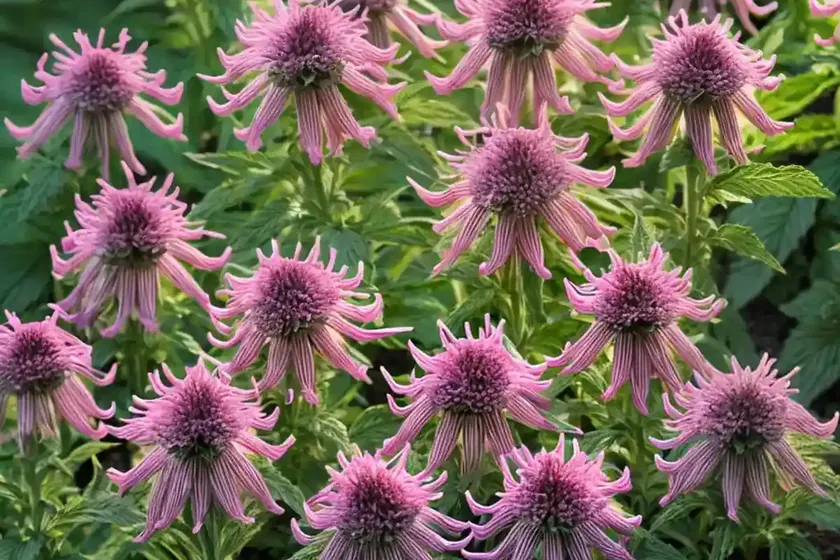
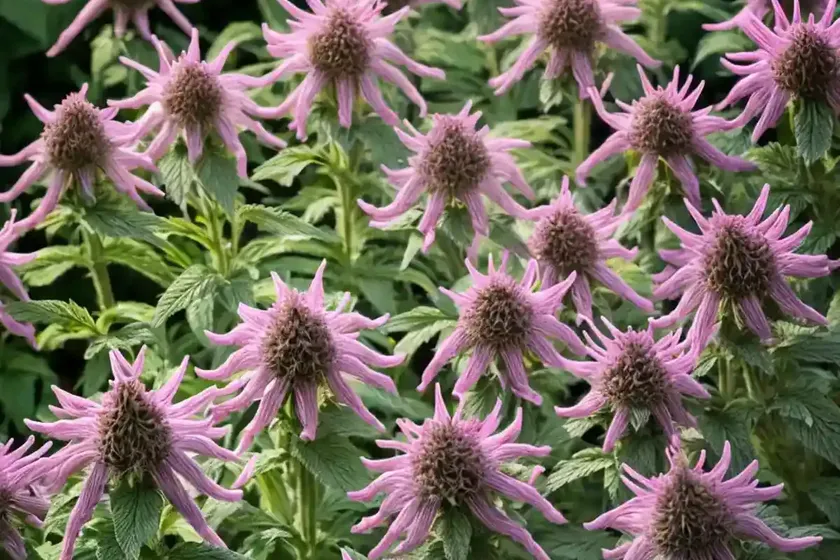
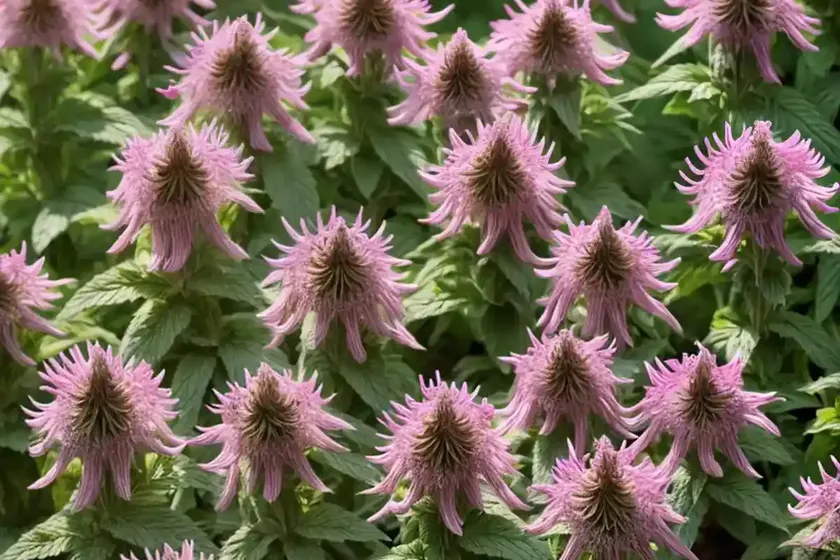
When we think about a beautiful and environmentally beneficial addition to our gardens, Horse Mint, commonly known as Monarda, is a plant that comes to mind. This stunning flowering plant belongs to the mint family, Lamiaceae, and is native to North America. Monarda is a diverse genus that includes about 16 species, all of which share some common characteristics such as square stems, aromatic leaves, and tubular-shaped flowers. One of the most well-known species of Monarda is Monarda fistulosa, also known as Bee Balm. This plant has a rich history of traditional uses, medicinal properties, and is a favorite among pollinators.
In this comprehensive guide, we will explore the intricate details of the vibrant Horse Mint (Monarda) and delve into its cultivation, uses, benefits, and much more. By the end of this article, you will have gained an in-depth understanding of this magnificent plant and be equipped with the knowledge to grow and care for it effectively.
Key Takeaways – Horse Mint (Monarda)
Culture
Horse Mint, or Monarda, is a herbaceous perennial that thrives in a variety of conditions. Understanding its cultural requirements is essential for its successful growth and development.
- Hardiness Zone: Monarda is well-adapted to USDA hardiness zones 3 to 9, making it suitable for a wide geographical range.
- Preferred Growing Organically: Monarda prefers growing in organic conditions, which aids in enhancing its aromatic and medicinal properties.
Uses
The uses of Horse Mint extend far beyond its aesthetic appeal. This plant holds significant value in various applications, from culinary to herbal remedies.
- Culinary Uses: The leaves of Monarda possess a delightful minty flavor, making them a popular addition to salads, teas, and various culinary delights.
- Medicinal Properties: Monarda has a rich history of traditional medicinal uses. It has been used to address a wide range of health concerns, from colds and flu to skin conditions.
Water
Proper water management is crucial for the healthy growth and development of Horse Mint.
- Watering Frequency: Monarda thrives in well-draining soil and requires regular watering, especially during dry spells.
Sunlight
Sunlight plays a pivotal role in determining the overall health and vitality of Horse Mint.
- Light Requirements: Monarda flourishes in areas with full sun to partial shade, making it adaptable to a range of garden conditions.
Fertilizer
Understanding the fertilization needs of Monarda is vital for ensuring its optimal growth.
- Fertilizer Application: Monarda benefits from a balanced fertilizer application in the early spring to support healthy foliage and vibrant blooms.
Soil
The soil composition greatly influences the overall health and resilience of Horse Mint.
- Preferred Soil Type: Monarda thrives in well-drained, loamy soil with a slightly acidic to neutral pH.
Pruning
Effective pruning promotes the longevity and blooming capacity of Monarda.
- Pruning Techniques: Regular deadheading and selective pruning after the blooming season aid in encouraging continuous blooms and maintaining plant vigor.
Propagation
Exploring the propagation methods of Monarda opens up opportunities for expanding its presence in the garden.
- Propagation Techniques: Monarda can be propagated through division, stem cuttings, or seeds, allowing for flexibility in expanding its cultivation.
Container Popularity
Monarda’s adaptability to container gardening makes it a versatile and appealing choice for a range of garden setups.
- Container Gardening: Monarda can thrive in containers, providing an excellent option for those with limited garden space or those desiring a portable garden feature.
Container Common Diseases
Understanding and addressing common diseases in container-grown Monarda is essential for its sustained health.
- Disease Management: Vigilant monitoring and appropriate cultural practices can effectively mitigate common diseases such as powdery mildew and leaf spot.
Disease Diagnosis
Recognizing symptoms of common diseases in Monarda equips gardeners with the knowledge to address and manage potential health issues effectively.
- Symptom Recognition: Early detection of unusual leaf discoloration or powdery residues aids in prompt disease diagnosis and management.
Common Pests
Monarda may face challenges from various pests, requiring proactive pest management measures.
- Pest Identification: Identifying common pests such as aphids, spider mites, and caterpillars enables targeted pest control strategies for safeguarding Monarda’s health.
Botanist’s Tips
Insights from botanists offer valuable guidance for cultivating and caring for Monarda.
- Expert Recommendations: Botanists often emphasize the benefits of incorporating native plants such as Monarda into garden landscapes for their ecological significance and adaptability.
Fun Facts
Discovering fascinating facts about Monarda adds to the allure and admiration for this captivating plant.
- Antimicrobial Properties: Monarda exhibits natural antimicrobial properties, earning it the nickname “Oswego tea” for its use during the Revolutionary War to prevent scurvy.
Links to External Resources
External resources provide additional information and guidance for enthusiasts and gardeners interested in exploring Monarda further.
- The Plant-Lover’s Guide to Monarda (Horse Mint)
- Monarda fistulosa: Profile of a Medicinal Plant
- Herb Society – Monarda
- Monarda Pests and Diseases
- Growing Monarda (Bee Balm)
- The Native Plant Trust: Monarda fistulosa
Plant Name: Horse Mint (Monarda)
Monarda Fistulosa
Monarda fistulosa, also known as Wild Bergamot, is a species of flowering plant in the mint family, Lamiaceae. This native North American plant is known for its unique fragrance, attracting pollinators and adding a burst of color to the landscape.
Bee Balm Plant
Monarda is commonly referred to as bee balm due to its attraction to bees and other pollinators. The vibrant flowers of Monarda serve as a rich source of nectar, making it a valuable addition to pollinator gardens.
Horse Mint Benefits
The benefits of Horse Mint extend across ecological, culinary, and medicinal domains, making it a highly sought-after plant for a range of applications.
Monarda in Gardening
The incorporation of Monarda into gardening setups contributes to the diversity and vibrancy of garden landscapes, while also supporting beneficial insect populations.
Horse Mint Uses
The uses of Horse Mint encompass culinary, medicinal, and ornamental applications, highlighting its multifaceted appeal and value.
Monarda Medicinal Properties
Monarda possesses a rich array of medicinal properties, making it a popular choice for herbal remedies and alternative medicine practices.
Monarda for Pollinators
The pollinator-attracting qualities of Monarda make it a prized addition to gardens seeking to support the local ecosystem and biodiversity.
Horse Mint Varieties
The diverse varieties of Monarda offer a spectrum of colors, growth habits, and fragrance profiles, providing opportunities for gardeners to explore and experiment with different selections.
Monarda as a Herbal Remedy
The traditional uses of Monarda as a herbal remedy underscore its historical significance and ongoing relevance in natural health practices.
Growing Monarda
Cultivating Monarda in home gardens presents an enriching opportunity to connect with nature and witness the captivating beauty of this remarkable plant.
Horse Mint for Bees
The affinity of bees for Monarda reinforces its role as a key plant in fostering pollinator populations and supporting overall ecosystem health.
Monarda Essential Oil
The extraction of essential oil from Monarda offers a concentrated form for aromatherapeutic and medicinal uses, harnessing its aromatic and beneficial properties.
Horse Mint Care Tips
Effective care practices for Horse Mint ensure its sustained health and vibrancy, promoting abundant blooms and foliage.
Monarda Flowering Season
The vibrant flowering season of Monarda contributes to the visual splendor and allure of garden landscapes, attracting admirers and pollinators alike.
Horse Mint in Landscaping
Incorporating Monarda into landscaping initiatives enhances the aesthetic appeal and ecological functionality of outdoor spaces, elevating their overall charm and value.
Monarda for Tea
The leaves and flowers of Monarda can be utilized for creating delightful herbal teas, enriching the sensory experience and providing health benefits.
Horse Mint Culinary Uses
The minty flavor and aromatic qualities of Monarda leaves make them a cherished addition to a variety of culinary creations, adding a refreshing and distinctive touch.
Monarda Attract Butterflies
The nectar-rich flowers of Monarda attract butterflies, contributing to the enchanting display of nature and the joyful flutter of these delicate creatures.
Horse Mint Planting Guide
A comprehensive planting guide for Horse Mint aids in ensuring successful establishment and sustained growth, enabling gardeners to maximize its potential.
Monarda Fragrant Flowers
The fragrant blooms of Monarda infuse the garden with delightful scents, creating an olfactory tapestry that complements the visual allure.
Horse Mint Drought-Tolerant
The drought-tolerant nature of Horse Mint enables it to thrive in challenging environmental conditions, making it a resilient and adaptable garden plant.
Monarda Natural Pest Control
Monarda exhibits natural pest-repelling qualities, providing an organic and eco-friendly solution for managing pests in gardens and landscapes.
Horse Mint Companion Plants
Selecting suitable companion plants for Horse Mint maximizes its growth and health while enhancing the overall aesthetic and ecological balance of garden spaces.
Monarda for Cold and Flu
The medicinal properties of Monarda make it a favored choice for addressing cold and flu symptoms, offering natural relief and support for wellness.
Horse Mint DIY Remedies
Horse Mint lends itself to an array of DIY remedies, ranging from herbal infusions to topical applications, empowering individuals to utilize its natural benefits.
Monarda Native Species
The native status of Monarda underscores its ecological significance and adaptive qualities, making it an ideal candidate for sustainable and native landscaping initiatives.
Horse Mint in Traditional Medicine
Monarda holds a revered position in traditional medicine practices, with a rich history of use by indigenous cultures for wellness and vitality.
Monarda for Wildlife
The role of Monarda in supporting wildlife habitats and biodiversity underscores its ecological value and contribution to environmental conservation efforts.
Horse Mint Propagation Methods
Understanding the propagation methods of Monarda enables gardeners to expand its presence and share its beauty with others, fostering a sense of community and stewardship.
Monarda Herbal Tea Recipe
Creating a herbal tea from Monarda leaves and flowers offers a delightful and healthful beverage option, celebrating the bountiful gifts of nature.
Horse Mint in Pots and Containers
The adaptability of Monarda to pots and containers makes it a versatile and dynamic addition to patios, balconies, and indoor garden spaces.
Monarda as a Ground Cover
The spreading habit of certain Monarda varieties makes them suitable for serving as an attractive and low-maintenance ground cover, enhancing landscape aesthetics.
Horse Mint Culinary Recipes
Incorporating Monarda into culinary recipes elevates the flavor profile and nutritional value of dishes, adding a touch of freshness and uniqueness.
Monarda Common Pests and Diseases
Addressing common pests and diseases that affect Monarda enables proactive management and protection, ensuring its sustained health and vitality.
Horse Mint for Aromatherapy
Harnessing the aromatic qualities of Monarda for aromatherapy and relaxation promotes well-being and emotional balance, creating a harmonious sensory experience.
Monarda Natural Dye
The flowers and leaves of Monarda can be utilized for creating natural dyes, infusing textiles and crafts with vibrant colors derived from nature.
Horse Mint Native Habitat
Exploring the native habitat of Monarda offers insights into its ecological niche and natural preferences, informing cultivation practices and ecological restoration efforts.
Monarda for Attracting Hummingbirds
The nectar-rich blooms of Monarda are prized for attracting hummingbirds, infusing gardens with vibrant energy and avian splendor.
Horse Mint Folklore and Symbolism
The folklore and symbolism associated with Horse Mint add depth and meaning to its presence, enriching cultural and historical narratives.
Monarda Landscape Design Ideas
Incorporating Monarda into landscape design projects enriches the visual appeal and ecological functionality of outdoor spaces, fostering a sense of harmony and vitality.
Horse Mint in Cut Flower Arrangements
The colorful and aromatic blooms of Monarda lend themselves beautifully to cut flower arrangements, adding a touch of natural elegance to indoor spaces.
Monarda for Attracting Beneficial Insects
The role of Monarda in attracting beneficial insects underscores its ecological value and contribution to sustainable gardening practices.
Horse Mint Gardening Tips and Tricks
Insights and tips from experienced gardeners illuminate effective strategies for cultivating and caring for Monarda, nurturing a sense of community and shared knowledge.
Monarda in Butterfly Gardens
The presence of Monarda in butterfly gardens enriches the habitat and supports the life cycle of these enchanting pollinators, creating a sanctuary for beauty and biodiversity.
Horse Mint Wildlife Habitat Value
The role of Horse Mint in supporting wildlife habitats underscores its ecological significance and contribution to fostering a harmonious and sustainable ecosystem.
Monarda Plant Sizes and Varieties
The diverse sizes and varieties of Monarda offer opportunities for creating dynamic and visually captivating garden displays, catering to a range of preferences and space limitations.
Horse Mint Herbal Remedies for Skin Conditions
The herbal remedies derived from Monarda offer natural and gentle solutions for addressing a variety of skin conditions, supporting skin health and vitality.
Monarda Attracting Bees and Butterflies to Your Garden
The affinity of bees and butterflies for Monarda enriches the garden environment and contributes to the overall health and vitality of the ecosystem.
Horse Mint in Traditional Native American Medicine
The use of Horse Mint in traditional Native American medicine highlights its cultural and historical significance, honoring indigenous wisdom and heritage.
Monarda as a Beautiful and Fragrant Garden Addition
The beauty and fragrance of Monarda make it a cherished addition to garden landscapes, infusing outdoor spaces with charm and sensory delight.
In conclusion, Horse Mint, or Monarda, stands as a testament to nature’s grace, offering abundant beauty, ecological benefits, and diverse applications. Whether adorning gardens, enriching culinary creations, or offering its healing touch, Monarda captivates and enriches our lives. Embracing the captivating allure and bountiful gifts of Monarda, we cultivate an enduring relationship with nature, fostering harmony, vitality, and a deeper appreciation for the wonders that flourish around us.
References:
1. National Gardening Association. “Plant Care Guides: How to Grow and Care for Bee Balm Plants (Monarda)”. Available online: https://garden.org/plants/group/monarda/
2. Herb Society. “Bee Balm (Monarda)”. Available online: https://www.herbsociety.org/herbs/photos-a-z/monarda.html
3. North Carolina State Extension. “Monarda Pests and Diseases”. Available online: https://content.ces.ncsu.edu/monarda-pests-and-diseases
4. Michigan State University. “Bee Balm (Monarda): A Favorite Plant for Pollinators”. Available online: https://www.canr.msu.edu/resources/bee-balm-monarda-a-favorite-plant-for-pollinators


