Understanding the Horned Violet (Viola Cornuta)
Horned violet, scientifically known as Viola cornuta, is a charming and resilient flowering plant that captivates with its delicate blooms and easy-to-care-for nature. This plant, native to the Pyrenees Mountains and cultivated worldwide, holds significant cultural uses and symbolism alongside its established place in gardening and landscaping. In this comprehensive guide, we will delve into the various aspects of caring for horned violets, including their culture, uses, water, sunlight, fertilizer, soil, pruning, propagation, container preferences, popularity, common diseases, common pests, and botanist’s tips.
What is the Horned Violet (Viola Cornuta)?
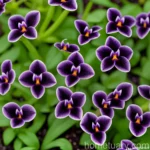
The horned violet, or Viola cornuta, is a member of the Violaceae family and is frequently referred to as the tufted or horned pansy due to the distinct “horns” extending from the back of its petals. Characterized by its petite size and abundant flowers, this plant typically reaches up to 6-8 inches in height and spreads out to form a lush carpet of blossoms. The horned violet presents a delightful array of flower colors, including shades of blue, purple, yellow, and white, which contribute to its allure as a desirable ornamental plant.
Key Takeaways – Horned Violet (Viola Cornuta)
Before we proceed with a detailed discussion of the various aspects of caring for horned violets, let’s explore the key takeaways that define its care and characteristics.
Culture
- Thrives in cool climates
- Well-suited for garden beds, borders, or containers
- Adapted to various soil types
Uses
- Ornamental landscaping
- Edging and ground cover
- Floral arrangements and indoor decoration
Water
- Consistent moisture during the growing season
- Avoid waterlogged conditions
Sunlight
- Prefers partial shade to full sun
- Tolerant of light frosts
Fertilizer
- Balanced, slow-release fertilizer during the growing season
Soil
- Well-draining, fertile soil
- Neutral to slightly acidic pH
Pruning
- Regular deadheading to promote continuous blooming
- Trimming for shape and size control
Propagation
- Easily propagated from seed or division
- Division in late summer or early autumn
Container Popularity
- Ideal for container gardening
- Suitable for window boxes, hanging baskets, and patio planters
Common Diseases
- Susceptible to powdery mildew
- Potential fungal leaf spots
Common Pests
- Aphids
- Spider mites
Botanist’s Tips
- Provide adequate air circulation
- Mulch to maintain soil moisture and temperature
Now, let’s delve into each of these aspects in detail to gain a comprehensive understanding of how to nurture and appreciate the beauty of horned violets.
Viola Cornuta Care
Viola Cornuta Planting Guide
When it comes to planting horned violets, it’s essential to consider the environmental conditions and growing preferences of these delightful plants. Here are the key steps for planting and caring for Viola cornuta.
Planting Time
- Plant in early spring for a long blooming period
- Fall planting is also suitable in regions with mild winters
Planting Depth
- Set plants at the same depth as they were in the nursery container
- Ensure the crown of the plant is level with the soil surface
Spacing
- Space plants 6-8 inches apart for compact growth
- Provide adequate spacing for air circulation
Watering After Planting
- Water newly planted horned violets thoroughly
- Maintain soil moisture to aid establishment
Horned Violet Characteristics
Flower Colors
- Shades of blue, purple, yellow, and white
- Some varieties may feature bicolor blooms
Foliage
- Dark green, heart-shaped leaves
- Compact growth habit
Growth Habit
- Low-growing and spreading
- Forms a dense mat of flowers and foliage
Viola Cornuta Varieties
- ‘Sorbet’ Series: A popular selection featuring a wide range of colors and bi-colored blooms
- ‘Twix’ Series: Known for its vigorous growth and early flowering
- ‘Rebecca’ Series: Notable for its striking bicolor flowers and compact habit
Tips for Growing Horned Violets
Soil Requirements
- Well-draining, fertile soil
- Neutral to slightly acidic pH (6.0-7.0)
Sunlight Preferences
- Partial shade to full sun
- Will tolerate light frosts
Watering Needs
- Consistent moisture during the growing season
- Avoid waterlogged conditions
Disease Prevention
- Provide good air circulation
- Avoid overhead watering to reduce humidity
Horned Violet Propagation Methods
Propagation from Seed
- Sow seeds indoors 8-10 weeks before the last frost date
- Transplant seedlings outdoors in spring
Division
- Divide established clumps in late summer or early autumn
- Replant divisions in prepared soil with adequate moisture
Viola Cornuta Soil Requirements
- Well-draining, fertile soil
- Neutral to slightly acidic pH
- Incorporate organic matter for improved soil structure
Horned Violet Sunlight Preferences
- Prefers partial shade to full sun
- Tolerant of light frosts
- Provide protection from intense midday sun in hotter climates
Horned Violet Watering Needs
- Requires consistent moisture during the growing season
- Avoid overwatering and waterlogged conditions
Viola Cornuta Disease Prevention
- Adequate air circulation to minimize humidity
- Regular inspection for signs of disease
Horned Violet Pest Control
- Monitor for aphids and spider mites
- Use insecticidal soap for control if needed
Viola Cornuta Companion Plants
- Pair with spring-blooming bulbs such as daffodils and tulips
- Combine with other cool-season annuals like pansies and violas
Horned Violet Indoor Cultivation
- Grow in bright, indirect light indoors
- Provide consistent moisture and avoid drafts
Viola Cornuta Outdoor Cultivation
- Ideal for garden beds, borders, and rock gardens
- Suitable for edging and ground cover in partial shade locations
Horned Violet Pruning Techniques
- Regular deadheading for continuous blooming
- Prune straggly or yellowing foliage to maintain appearance
Viola Cornuta Flower Arrangement Tips
- Cut long stems for small, delicate floral arrangements
- Combine with other spring blooms for a charming bouquet
Horned Violet Container Gardening
- Well-suited for container gardening
- Plant in window boxes, hanging baskets, or patio planters
Viola Cornuta Flower Colors
- An extensive range of flower colors, including blue, purple, yellow, and white
- Some varieties feature striking bicolor blooms
Horned Violet Medicinal Uses
- Historically used for mild medicinal purposes
- Modern uses primarily centered on ornamental and aesthetic value
Viola Cornuta Folklore and Symbolism
- Associated with sentiments of remembrance and affection
- Held symbolic representation in Victorian-era flower language
Horned Violet Wildlife Attraction
- Attracts beneficial pollinators such as bees and butterflies
- Provides habitat and forage for small garden wildlife
Viola Cornuta Fragrance
- Delicate, sweet fragrance
- Notable for its subtle, pleasing scent
Horned Violet Landscape Design Ideas
- Use as a low-border plant for visual interest
- Combine with other early spring bloomers for a vibrant landscape
Viola Cornuta Hardiness Zones
- Hardy in zones 6-9
- May tolerate colder temperatures with adequate protection
Horned Violet Gardening Tips
- Mulch to maintain soil moisture and temperature
- Provide consistent, even moisture during the growing season
Viola Cornuta Unique Characteristics
- Striking bi-colored blooms available in various varieties
- Compact growth habit and extensive flower production
Horned Violet Pollination Methods
- Attracts pollinators like bees and butterflies
- Insect-pollinated, with flowers producing nectar and pollen
Viola Cornuta Soil pH Requirements
- Neutral to slightly acidic soil (pH 6.0-7.0)
- Incorporate organic matter for improved soil structure
Horned Violet Native Habitat
- Native to the Pyrenees Mountains in Europe
- Cultivated and adapted to various regions worldwide
Viola Cornuta Winter Care
- Mulch to insulate soil and provide protection
- Protect from harsh winter conditions in colder regions
Horned Violet Plant Size
- Generally reaches 6-8 inches in height
- Spreads to form a lush carpet of flowers and foliage
Viola Cornuta Fertilizer Recommendations
- Apply balanced, slow-release fertilizer during the growing season
- Avoid excessive nitrogen, which may promote lush foliage at the expense of flowers
Horned Violet Leaf Shape
- Heart-shaped, dark green leaves
- Compact and dense foliage growth
Viola Cornuta Natural Remedies
- Historical use in traditional herbal remedies
- Modern uses primarily focused on ornamental purposes
Horned Violet Growth Stages
- Germination and establishment
- Vigorous growth and abundant flowering
- Seed set and dormancy in colder weather
Viola Cornuta Container Care
- Provide adequate moisture and prevent waterlogging
- Choose containers with drainage holes for proper soil drainage
Horned Violet Foliage Colors
- Dark green, glossy foliage
- Provides a beautiful contrast to the abundant flowers
Viola Cornuta Landscaping Ideas
- Use as a low maintenance ground cover
- Combine with other early spring bloomers for a colorful display
Horned Violet Water Requirements
- Consistent moisture during the growing season
- Avoid waterlogged conditions, which may lead to root rot
Viola Cornuta Insect Attractant
- Attracts beneficial insects like bees and butterflies
- Supports a healthy and diverse garden ecosystem
Horned Violet Seasonal Maintenance
- Regular deadheading for continuous blooms
- Check for signs of pests and diseases
Viola Cornuta Historical Significance
- Deep-rooted cultural and symbolic significance
- Used in historical literature, art, and traditions
Horned Violet Garden Styling
- Ideal for cottage gardens and traditional landscapes
- Complements early spring-themed garden designs
Viola Cornuta Drought Tolerance
- Moderate drought tolerance once established
- Water during prolonged dry periods for optimal performance
Horned Violet Companion Flowers
- Pair with spring-blooming bulbs and annuals
- Combine with other early season flowers for a vibrant garden display
Viola Cornuta Habitat Preservation
- Not endangered, but conserving natural habitats is beneficial
- Cultivating in home gardens contributes to conservation efforts
Horned Violet Flower Symbolism
- Symbolizes sentiments of remembrance and fidelity
- Held cultural and historic symbolism with sentimental value
Viola Cornuta Pest Prevention
- Regular monitoring for pests
- Use appropriate measures for pest control when necessary
With a detailed understanding of the care and characteristics of horned violets, you can appreciate the charm and resilience of these delightful plants while cultivating them to their full potential. Whether you are a seasoned gardener or a novice enthusiast, the guidance provided in this comprehensive guide will empower you to nurture and appreciate the beauty of Viola cornuta in your garden or landscape.
Fun Facts
- While commonly known as the horned violet, Viola cornuta is also referred to as tufted or horned pansy due to its distinct floral appearance.
- The horned violet has a rich history and cultural significance, with associations to sentiments of remembrance and affection.
- The charming fragrance of horned violets adds an inviting and serene ambiance to gardens and outdoor spaces.