Holy Basil (Ocimum Tenuiflorum)
Plants have been used for various purposes for centuries, such as for culinary, medicinal, and spiritual applications. Among the extensive list of plants.
Introduction
Plants have been used for various purposes for centuries, such as for culinary, medicinal, and spiritual applications. Among the extensive list of plants with diverse uses, Holy Basil, scientifically known as Ocimum tenuiflorum, holds a significant place due to its wide range of applications in Ayurveda, traditional medicine, cooking, and religious ceremonies. In this comprehensive guide, we will explore the various aspects of Holy Basil, including its cultural significance, uses, cultivation, care, and much more.
What is Holy Basil (Ocimum tenuiflorum)?
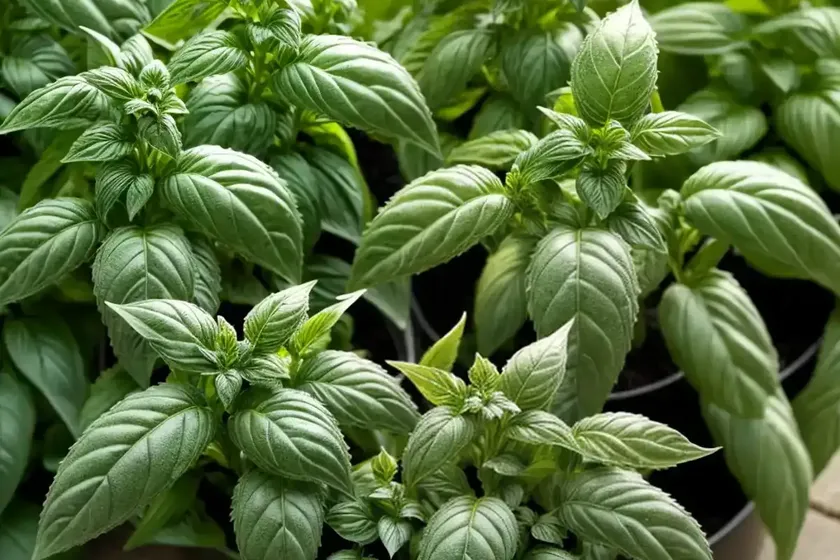
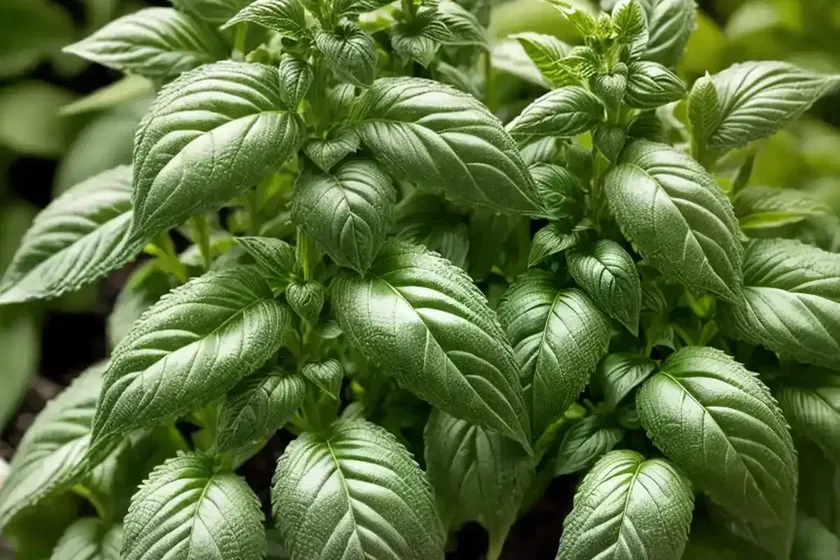
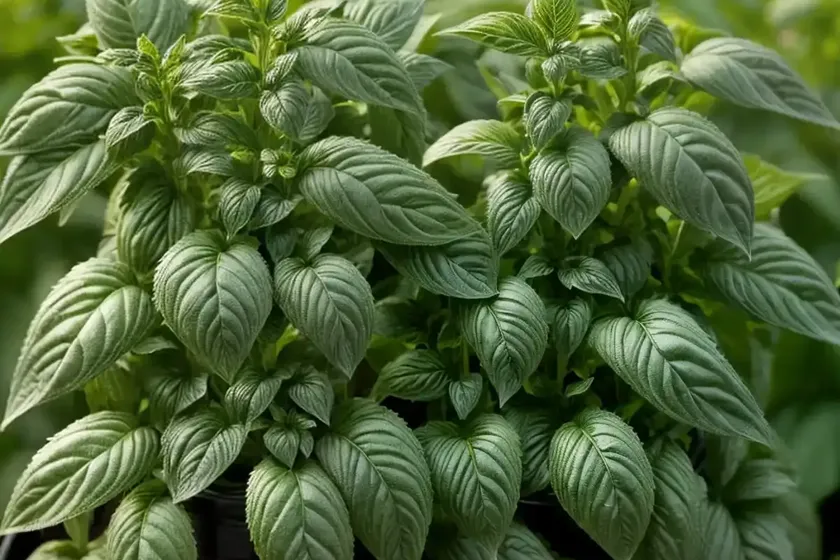
Holy Basil, also referred to as Tulsi, is an aromatic plant native to the Indian subcontinent and Southeast Asia. It is a member of the Lamiaceae family, which includes many other culinary herbs such as mint, rosemary, and oregano. This herbaceous plant is characterized by its fragrant leaves and distinctive taste, making it a popular choice in a wide range of culinary dishes.
Beyond its culinary applications, Holy Basil is deeply ingrained in the cultural and religious traditions of the regions where it is grown. It is revered as a sacred plant in Hinduism and is often cultivated near homes and temples. The name “Tulsi” itself means “the incomparable one” in Sanskrit, emphasizing the plant’s revered status.
Key Takeaways – Holy Basil (Ocimum tenuiflorum)
Before delving into the detailed aspects of Holy Basil, let’s take a quick look at the key takeaways for this remarkable plant.
Holy Basil (Ocimum tenuiflorum)
- Cultural and religious significance in Hinduism and Southeast Asian traditions
- Extensive use in Ayurvedic medicine for its various health benefits
- Aromatic leaves with a unique blend of peppery, clove-like flavors
- A popular herb in culinary preparations and herbal teas
Now, let’s explore the comprehensive guide to the cultivation, care, and uses of Holy Basil.
Culture
Understanding the cultural and religious significance of Holy Basil is essential to appreciate its value to the communities where it is cultivated. The plant is deeply intertwined with the spiritual and daily lives of the people in regions where it is grown.
Religious Significance
In Hinduism, Holy Basil holds a revered position and is considered to be a manifestation of the goddess Lakshmi. It is often cultivated in traditional Hindu households where it is kept in a prominent location and worshipped daily. The plant is also associated with various religious ceremonies and is used extensively in rituals and prayers.
Traditional Practices
Beyond Hinduism, Holy Basil is also valued in the traditions of other cultures in Southeast Asia. It is believed to possess protective qualities and is often grown near the entrances of homes to ward off negative energies. Additionally, the plant is considered auspicious and is used in ceremonial garlands and offerings.
Medicinal Importance
The traditional medicinal practices in these regions also recognize the therapeutic properties of Holy Basil. It is revered for its ability to promote general well-being and is used in the treatment of various ailments.
Uses
Holy Basil is valued for its diverse uses spanning culinary, medicinal, and spiritual domains. Let’s explore some of the primary applications of this remarkable plant.
Culinary Uses
The aromatic leaves of Holy Basil are a staple in many Southeast Asian cuisines, where they are used to impart a unique flavor to various dishes. The peppery, clove-like taste of the leaves adds a distinct profile to curries, stir-fries, and soups. Additionally, the leaves are used to make herbal teas, lending a refreshing and aromatic quality to the brew.
Medicinal Uses
In Ayurvedic medicine, Holy Basil is considered a potent herb with a wide range of health benefits. It is used to alleviate respiratory conditions, support immune health, and promote overall wellness. The leaves are often consumed as an herbal supplement or incorporated into various formulations to harness its medicinal properties.
Spiritual Significance
Holy Basil holds a revered status in various religious and spiritual practices. It is used in the preparation of ceremonial garlands, offerings, and in the purifying rituals associated with Hindu ceremonies. The plant is also believed to bring positive energy and blessings, making it an integral part of many sacred traditions.
Water
Proper watering is essential to the healthy growth of Holy Basil. Understanding the water requirements of the plant is crucial for maintaining optimal growing conditions.
Watering Guidelines
- Holy Basil thrives in well-drained soil and prefers moderately moist conditions.
- Water the plant when the top inch of the soil feels dry to the touch.
- Avoid overwatering, as this can lead to root rot and other issues.
- During hot and dry periods, increase the frequency of watering to ensure the plant remains adequately hydrated.
Sunlight
Like many other plants, Holy Basil has specific sunlight requirements to support its growth and development.
Sunlight Preferences
- Holy Basil thrives in full sunlight, requiring at least 6-8 hours of direct sunlight daily.
- In regions with intense afternoon sun and high temperatures, providing some shade during the hottest part of the day can prevent the plant from wilting or scorching.
- Lack of adequate sunlight may result in leggy growth and decreased essential oil production in the leaves.
Fertilizer
Proper nutrition is essential for the healthy and vigorous growth of Holy Basil. Utilizing the right fertilization strategy can support the plant’s nutritional needs.
Fertilization Recommendations
- Use a balanced, all-purpose fertilizer with a higher nitrogen content to promote lush foliage growth.
- Apply the fertilizer every 4-6 weeks during the growing season, following the manufacturer’s instructions for dilution and application.
- Avoid excessive fertilization, as this can lead to an imbalance in growth and reduced essential oil production in the leaves.
- Organic options such as compost tea or well-rotted manure can also provide a rich source of nutrients for Holy Basil.
Soil
The choice of soil plays a crucial role in determining the overall health and productivity of Holy Basil.
Soil Requirements
- Holy Basil flourishes in well-drained, loamy soil with a slightly acidic to neutral pH range of 6.0-7.0.
- Adding organic matter such as compost or aged manure to the soil can improve its structure, moisture retention, and nutrient content.
- Heavy or compacted soils should be amended with sand or perlite to enhance drainage and prevent waterlogged conditions.
Pruning
Regular pruning is beneficial for maintaining the compact growth habit of Holy Basil and promoting a steady supply of fresh leaves.
Pruning Techniques
- Pinch back the growing tips of the plant regularly to encourage branching and bushier growth.
- Remove any flower buds as they form to redirect the plant’s energy into leaf production.
- Harvesting the upper leaves frequently also serves as a form of pruning and encourages new growth from the lower parts of the plant.
Propagation
To expand your collection of Holy Basil or share the plant with others, propagation techniques can be employed to create new plants from existing ones.
Propagation Methods
- Holy Basil can be easily propagated from seeds, cuttings, or by layering.
- Seeds should be sown in well-prepared soil and kept consistently moist until germination occurs.
- Stem cuttings taken from healthy plants can be rooted in water or a well-draining potting mix to develop into new plants.
- Layering involves encouraging a stem to root while still attached to the parent plant, after which it can be separated and potted as an individual specimen.
Container Popularity
The versatile growth habits of Holy Basil make it well-suited for container cultivation, allowing enthusiasts with limited space to enjoy its offerings.
Container Cultivation
- Select a spacious container with adequate drainage holes to accommodate the root system of the Holy Basil plant.
- Use a high-quality potting mix rich in organic matter to provide the necessary nutrition and aeration for the plant.
- Position the container in a sunny location and ensure consistent moisture levels to support the plant’s growth.
Common Diseases
Understanding the potential diseases that can affect Holy Basil is crucial for implementing preventive measures and early intervention.
Disease Susceptibility
- Holy Basil is susceptible to fungal diseases such as powdery mildew and Fusarium wilt, particularly in humid and poorly ventilated conditions.
- Overwatering and waterlogged soils can lead to root rot and other related issues, impacting the overall health of the plant.
- Regular monitoring for signs of disease and prompt action can help mitigate the impact of these challenges.
Disease Diagnosis
Detecting and diagnosing diseases in Holy Basil involves closely observing the plant for specific symptoms and signs of distress.
Symptoms and Signs
- Powdery mildew presents as a white, powdery coating on the leaves, often leading to leaf distortion and reduced vigor.
- Fusarium wilt causes wilting of the plant, often with yellowing and browning of the lower leaves as the disease progresses.
- Root rot manifests as soft, discolored roots and a general decline in the plant’s health.
Common Pests
Pests can pose a threat to the health and vitality of Holy Basil, necessitating vigilance and proactive measures to mitigate their impact.
Pest Challenges
- Aphids, spider mites, and whiteflies are common pests that can infest Holy Basil, causing damage to the foliage and affecting the plant’s overall health.
- Regular inspection of the plant for signs of pest activity and the use of natural predators or insecticidal soaps can help manage pest populations effectively.
Botanist’s Tips
Drawing on the expertise of botanists and experienced gardeners can provide valuable insights and recommendations for successfully cultivating Holy Basil.
Expert Advice
- Ensure proper air circulation around the plant to minimize the risk of fungal diseases.
- Incorporate a layer of mulch around the base of the plant to conserve moisture and regulate soil temperature.
- Encourage beneficial pollinators such as bees and butterflies to visit the Holy Basil flowers, supporting the health of the plant and contributing to the ecosystem.
Fun Facts
Adding some intriguing and lesser-known facts about Holy Basil can further enrich our understanding and appreciation of this plant.
Fascinating Insights
- Holy Basil is often associated with the legend of Lord Krishna, where the plant is said to have originated from a drop of sweat from his brow.
- The distinct aroma and flavor of Holy Basil are attributed to the presence of compounds such as eugenol, which contribute to its unique sensory qualities.
Links to External Resources
For further exploration of Holy Basil and related topics, consider exploring the following external resources:
– National Center for Biotechnology Information (NCBI): Access scientific articles and research papers on the properties and uses of Holy Basil.
– The Ayurvedic Institute: Learn more about the traditional uses of Holy Basil in Ayurvedic medicine and holistic wellness practices.
– Horticulture Research International: Explore cultivation and propagation techniques for Holy Basil and related plants.
Conclusion
The significance of Holy Basil extends far beyond its culinary and ornamental value, encompassing aspects of culture, tradition, and holistic well-being. As a plant deeply rooted in the heritage of the Indian subcontinent and Southeast Asia, it continues to captivate enthusiasts and researchers alike with its diverse applications and rich history. By delving into its cultural significance, uses, and cultivation practices, we can develop a deeper appreciation for the remarkable attributes of Holy Basil and the profound impact it has had on various aspects of human life.
By embracing the wisdom of traditional practices and integrating it with modern horticultural knowledge, we can ensure the preservation and continued appreciation of Holy Basil for generations to come.
Keywords: Ocimum tenuiflorum uses, Holy Basil benefits, Ocimum tenuiflorum cultivation, Holy Basil plant care, Ocimum tenuiflorum varieties, Holy Basil herbal properties, Ocimum tenuiflorum essential oil, Holy Basil recipes, Ocimum tenuiflorum health benefits, Holy Basil tea, Ocimum tenuiflorum religious significance, Holy Basil leaves, Ocimum tenuiflorum uses in Ayurveda, Holy Basil plant facts, Ocimum tenuiflorum growing conditions, Holy Basil medicinal uses, Ocimum tenuiflorum side effects, Holy Basil culinary uses, Ocimum tenuiflorum spiritual benefits, Holy Basil home remedies, Ocimum tenuiflorum propagation methods, Holy Basil for stress relief, Ocimum tenuiflorum in traditional medicine, Holy Basil for immune health, Ocimum tenuiflorum in Indian cuisine, Holy Basil in religious ceremonies, Ocimum tenuiflorum for anxiety, Holy Basil plant symbolism, Ocimum tenuiflorum tea recipe, Holy Basil for respiratory health, Ocimum tenuiflorum leaf benefits, Holy Basil essential oil uses, Ocimum tenuiflorum plant properties, Holy Basil for skin care, Ocimum tenuiflorum sacred plant, Holy Basil for digestive health, Ocimum tenuiflorum in Thai cuisine, Holy Basil natural remedies, Ocimum tenuiflorum culinary herb, Holy Basil immune-boosting properties, Ocimum tenuiflorum spiritual herb, Holy Basil traditional medicine, Ocimum tenuiflorum anti-inflammatory effects, Holy Basil for sleep improvement, Ocimum tenuiflorum aromatic leaves, Holy Basil in Ayurvedic treatments, Ocimum tenuiflorum antioxidant properties, Holy Basil for hormonal balance, Ocimum tenuiflorum leaf tea benefits, Holy Basil plant symbolism in different cultures


