Hibiscus Syriacus White Chiffon� (Rose Of Sharon)
Hibiscus syriacus, commonly known as Rose of Sharon, is a stunning flowering shrub that is beloved by gardeners for its beautiful blooms and low.
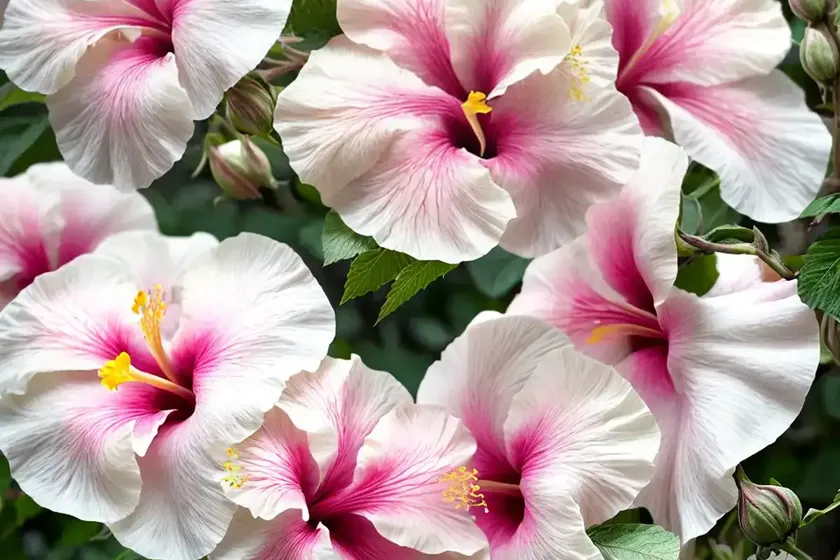
Hibiscus syriacus, commonly known as Rose of Sharon, is a stunning flowering shrub that is beloved by gardeners for its beautiful blooms and low maintenance requirements. One of its most popular cultivars is the “White Chiffon,” known for its delicate, white, and frilly flowers. In this comprehensive guide, we will delve into everything you need to know about this beautiful plant, from its characteristics and care to its landscape uses and propagation techniques.
What is Hibiscus Syriacus White Chiffon?
Plant Description
The Hibiscus syriacus White Chiffon, also known as the Rose of Sharon White Chiffon, is a deciduous flowering shrub that belongs to the family Malvaceae. This plant is renowned for its elegant, ruffled white flowers with a prominent red eye at the center, creating a striking contrast that adds a touch of sophistication to any garden landscape. The White Chiffon variety is a cultivar of the Hibiscus syriacus species and is known for its showy, sterile flowers that bloom prolifically from mid-summer to early fall.
Origin
The Hibiscus syriacus species is native to Asia, specifically China and India, and has been cultivated for centuries due to its ornamental value. The White Chiffon cultivar, in particular, has gained popularity for its unique floral display and easy-to-care-for nature.
Growth Habit
Hibiscus syriacus White Chiffon typically grows as a multi-stemmed, upright shrub with a rounded habit, reaching a mature height of 8 to 12 feet and a spread of 6 to 10 feet. This makes it an excellent choice for mixed borders, hedges, or standalone ornamental plantings. The plant’s green foliage provides an attractive backdrop to the abundant white blossoms, further enhancing its aesthetic appeal.
Key Takeaways – Hibiscus Syriacus White Chiffon
Before we delve into the specifics of caring for Hibiscus syriacus White Chiffon, let’s take a look at the key takeaways for this beautiful shrub:
- Common Name: Hibiscus syriacus White Chiffon (Rose of Sharon White Chiffon)
- Botanical Name: Hibiscus syriacus ‘White Chiffon’
- Plant Type: Deciduous flowering shrub
- Flower Color: White with a red eye
- Bloom Time: Mid-summer to early fall
- Mature Height: 8 to 12 feet
- Mature Spread: 6 to 10 feet
- Growth Rate: Moderate
- Water Needs: Average
- Sunlight Requirements: Full sun to part shade
- Soil Type: Well-drained, fertile
- Hardiness Zones: 5 to 9
- Landscape Uses: Borders, hedges, standalone ornamental plantings
With these key points in mind, let’s explore the specific care requirements and cultivation guidelines for Hibiscus syriacus White Chiffon.
Culture
Uses
Hibiscus syriacus White Chiffon is primarily cultivated for its ornamental value. Its showy flowers and attractive foliage make it an ideal choice for various landscape applications, including:
- Mixed Borders: The shrub can be used to add vertical interest and seasonal color to mixed borders and perennial gardens.
- Hedges: When planted in multiples, White Chiffon can be shaped into a beautiful flowering hedge, providing a natural screen and enhancing the aesthetics of the outdoor space.
- Stand-Alone Ornamental Plantings: Planted as a specimen plant, White Chiffon serves as a stunning focal point in the garden, especially when in full bloom.
Water
White Chiffon rose of Sharon has moderate water needs. During the establishment phase, it’s important to water the plant regularly to promote healthy root development. Once established, it can tolerate periods of moderate drought but will benefit from occasional deep watering during prolonged dry spells, especially in hot summer months.
Sunlight
For optimal growth and flowering, Hibiscus syriacus White Chiffon requires full sun to part shade. It performs best when exposed to at least 6 to 8 hours of direct sunlight daily. In regions with intense summer heat, providing some afternoon shade can help prevent heat stress and prolong the longevity of the delicate blossoms.
Fertilizer
White Chiffon rose of Sharon benefits from a balanced, slow-release fertilizer formulated for flowering shrubs. A general-purpose fertilizer with an N-P-K ratio of 10-10-10 or 12-12-12 can be applied in early spring before new growth emerges. Avoid over-fertilization, as excessive nutrients can lead to lush foliage at the expense of flower production.
Soil
The ideal soil for Hibiscus syriacus White Chiffon is well-drained, fertile, and slightly acidic to neutral (pH 6.0 to 7.0). Amending the soil with organic matter such as compost or well-rotted manure prior to planting can improve both drainage and nutrient retention. Additionally, maintaining a layer of organic mulch around the base of the shrub helps conserve soil moisture and suppress weed growth.
Pruning
Pruning Techniques
Pruning is an essential aspect of White Chiffon rose of Sharon care, as it helps maintain a healthy growth habit, encourages prolific blooming, and removes dead or damaged wood. Here are some key pruning techniques for this beautiful shrub:
- Spring Pruning: In early spring, before new growth emerges, lightly prune the shrub to remove any dead, diseased, or crossing branches. This is also the ideal time to shape the plant and promote a dense, bushy form.
- Deadheading: After the initial flush of blooms, regularly deadhead spent flowers by snipping them off just below the base. This encourages the plant to produce new flower buds and prolongs the blooming period.
- Renewal Pruning: Periodically, consider more drastic renewal pruning to rejuvenate older plants. Every few years, remove one-third of the oldest stems at ground level to stimulate vigorous new growth and maintain the shrub’s overall vitality.
Propagation
Hibiscus syriacus White Chiffon can be propagated through several methods, including:
– Softwood Cuttings: In early summer, take 4- to 6-inch cuttings from new, green growth. Remove the lower leaves and place the cuttings in a well-draining rooting medium. With proper care, they should develop roots within a few weeks.
– Layering: Bend a low-hanging, flexible stem of the shrub to the ground and cover a portion of it with soil. After several months, the buried section should develop roots, at which point it can be separated from the parent plant and transplanted.
– Seed Propagation: While less common, White Chiffon rose of Sharon can be grown from seeds. However, keep in mind that this method may result in variations from the parent plant, as the cultivar’s specific characteristics may not be retained.
Container Popularity
For gardeners with limited space or those looking to add a touch of elegance to patios, balconies, or outdoor living areas, White Chiffon rose of Sharon can be cultivated in containers. When grown in pots, it’s important to select a spacious container with adequate drainage holes to prevent waterlogging. Regular watering and fertilization are essential for container-grown specimens, as they are more reliant on the resources provided within their confined environment.
Common Diseases and Pests
Disease Diagnosis
Hibiscus syriacus White Chiffon is generally resistant to most common plant diseases when grown in optimal conditions. However, it may occasionally encounter the following issues:
- Leaf Spot: Fungal infections can lead to the development of dark, concentric lesions on the plant’s leaves. To prevent the spread of the disease, promptly remove and destroy affected foliage and avoid overhead watering.
- Powdery Mildew: This fungal disease presents as a white, powdery coating on the leaves, often resulting from poor air circulation and high humidity. Addressing these environmental factors and applying fungicidal sprays as needed can help manage the issue.
Common Pests
White Chiffon rose of Sharon is relatively resistant to pest infestations. When pest issues do arise, they are typically caused by:
- Aphids: These small, soft-bodied insects can congregate on the undersides of leaves, sucking sap from the plant and potentially causing leaf distortion and yellowing. Insecticidal soaps or horticultural oils can effectively control aphid populations without harming beneficial insects.
- Japanese Beetles: The metallic green and bronze adults of this beetle species can skeletonize the leaves of Hibiscus syriacus. Handpicking the beetles or using traps can help manage their numbers and protect the plant from extensive damage.
Botanist’s Tips
Hibiscus syriacus White Chiffon Maintenance
Regular maintenance practices, including proper watering, fertilization, and pruning, are key to ensuring the health and vitality of White Chiffon rose of Sharon. Additionally, being attentive to the plant’s environmental needs, such as sunlight and soil conditions, contributes to its overall well-being and promotes abundant flowering.
Fun Facts
- The name “Hibiscus” is derived from the Greek word “hibiskos,” which originally referred to the marsh mallow plant.
- Hibiscus syriacus is the national flower of South Korea, where it is known as “Mugunghwa.”
- The Rose of Sharon is referenced in the Bible and is symbolic of beauty and glory in various religious and cultural contexts.
Links to External Resources
For further information on Hibiscus syriacus White Chiffon care, cultivation, and landscape uses, consider exploring the following informative resources:
- The American Hibiscus Society: An organization dedicated to the cultivation and appreciation of hibiscus plants, including resources and articles on specific cultivars.
- Missouri Botanical Garden Plant Finder: Detailed plant profile and care guidelines for Hibiscus syriacus ‘White Chiffon,’ provided by the renowned Missouri Botanical Garden.
In conclusion, Hibiscus syriacus White Chiffon, with its stunning white flowers and low maintenance requirements, is a beautiful addition to any garden. By providing the appropriate care, including adequate sunlight, regular watering, and occasional pruning, you can enjoy the captivating beauty of this elegant shrub throughout the growing season.
Whether used as a focal point in a mixed border or as a charming container specimen, the White Chiffon rose of Sharon is sure to enhance the visual appeal of your outdoor space, while also attracting the admiration of onlookers with its delicate blooms and graceful form.
Remember to embrace the botanist’s tips, explore the external resources, and share the fun facts with fellow gardening enthusiasts to foster a greater appreciation for this exceptional plant.
Refer to this comprehensive guide as you cultivate and care for your own Hibiscus syriacus White Chiffon, and revel in the natural elegance and charm it brings to your garden landscape.
References
- American Hibiscus Society. (n.d.). American Hibiscus Society – Promoting the Hibiscus. https://www.americanhibiscus.org/
- Missouri Botanical Garden. (n.d.). Hibiscus syriacus ‘White Chiffon’ – Plant Finder. http://www.missouribotanicalgarden.org/plantfinder/plant-finder-details.aspx?taxonid=276623&isprofile=0&


