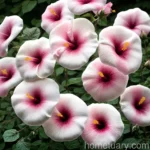
Hibiscus syriacus Lil’ Kim: The Rose of Sharon
Hibiscus syriacus Lil’ Kim, known as the Rose of Sharon, is a beautiful flowering shrub that belongs to the Malvaceae family. This stunning plant is a beloved addition to gardens and landscapes around the world, admired for its elegant blooms and easy-to-care-for nature. In this comprehensive guide, we will delve deep into the enchanting world of Hibiscus syriacus Lil’ Kim, exploring its characteristics, care requirements, uses, and much more.
What is Hibiscus syriacus Lil’ Kim?
Hibiscus syriacus Lil’ Kim, also known as the Rose of Sharon, is a deciduous shrub that originated in East Asia. It is a popular ornamental plant especially favored for its beautiful, showy flowers. The plant is known for its compact form, profuse blooms, and high disease resistance, making it a sought-after choice for landscapes and gardens.
Key Takeaways – Hibiscus syriacus Lil’ Kim:
- Botanical Name: Hibiscus syriacus Lil’ Kim
- Common Name: Rose of Sharon
- Family: Malvaceae
- Plant Type: Deciduous shrub
- Bloom Time: Summer to early fall
- Mature Size: 3-5 feet in height and 3-4 feet in width
- Exposure: Full sun to part shade
- Watering: Moderate
- USDA Hardiness Zones: 5-9
Now that we have a brief introduction to this delightful plant, let’s dive into the specifics of caring for and cultivating the Hibiscus syriacus Lil’ Kim.
Culture
Uses
The Rose of Sharon is commonly used as a decorative and ornamental plant. Its striking, trumpet-shaped flowers make it a perfect choice for adding color and interest to landscapes, gardens, and even containers. The plant’s compact size and profuse blooming habit also make it an excellent choice for hedges, borders, and mass plantings.
Water
Watering Requirements:
– Hibiscus syriacus Lil’ Kim prefers consistently moist but well-draining soil.
– Water the plant deeply once a week, providing around 1 inch of water during each watering session, especially during the hot summer months.
– However, ensure that the plant is not sitting in waterlogged soil, as this can lead to root rot.
Sunlight
Sunlight Requirements:
– For optimal growth and blooming, Hibiscus syriacus Lil’ Kim requires full sun to part shade.
– It thrives in locations that receive at least 6-8 hours of sunlight per day.
Fertilizer
Fertilizing Tips:
– Fertilize the plant in early spring with a balanced, slow-release fertilizer to promote healthy growth and prolific flowering.
– Avoid excessive use of high-nitrogen fertilizers, as this may lead to excessive foliage growth at the expense of flower production.
Soil
Soil Preferences:
– The Rose of Sharon thrives in well-draining, fertile soil.
– It can tolerate a wide range of soil types but prefers slightly acidic to neutral soil with a pH range of 6.0-7.0.
Pruning
Hibiscus syriacus Lil’ Kim requires minimal pruning, mainly for shaping and removing dead or damaged branches. It is best to prune the plant in late winter or early spring before new growth emerges. Remove any crossing or crowded branches to improve air circulation and maintain an open, healthy plant structure. Additionally, spent flowers can be deadheaded to encourage continuous blooming.
Propagation
The Rose of Sharon can be propagated through several methods, including seed sowing, softwood cuttings, and hardwood cuttings. Softwood cuttings are best taken in early summer, while hardwood cuttings can be collected in late winter or early spring. Seeds can be collected from mature seed pods and sown in the spring after stratification.
Container Popularity
Hibiscus syriacus Lil’ Kim is well-suited for container gardening due to its compact size and ornamental value. When grown in containers, ensure that the plant receives adequate sunlight and regular watering. Additionally, choose a well-draining potting mix and provide sufficient space for the root system to thrive.
Common Diseases
Disease Diagnosis
The Rose of Sharon is relatively resistant to diseases, but it can occasionally suffer from fungal diseases such as powdery mildew and leaf spot. These diseases can be identified by the presence of powdery white spots on the leaves or the formation of brown or black spots. Proper cultural practices, such as avoiding overhead watering and providing good air circulation, can help prevent these diseases.
Common Pests
Hibiscus syriacus Lil’ Kim may attract common garden pests such as aphids, scale insects, and spider mites. Regular inspection of the plant can help detect pest infestations early. Insecticidal soaps or horticultural oils can be used to control minor pest issues, while severe infestations may require the use of specific insecticides.
Botanist’s Tips
- Mulching: Apply a layer of organic mulch, such as shredded bark or compost, around the base of the plant to conserve soil moisture and suppress weed growth.
- Winter Protection: In regions with harsh winters, consider providing winter protection by mulching the base of the plant and wrapping it with burlap to shield it from extreme cold and frost.
- Deadheading: Regular deadheading of faded blooms can encourage the plant to produce more flowers, prolonging the blooming period.
- Companion Planting: Pair Hibiscus syriacus Lil’ Kim with other flowering shrubs and perennials to create visually appealing and diverse landscapes.
Fun Facts
- The name “Lil’ Kim” in Hibiscus syriacus Lil’ Kim pays homage to the compact and petite nature of this variety, making it a charming addition to any garden.
- The Rose of Sharon holds cultural significance in various traditions and has been cultivated for centuries for its beauty and symbolism.
Links to External Resources
For further information and resources on Hibiscus syriacus Lil’ Kim and other related topics, feel free to explore the following links:
With its captivating blooms, ease of care, and versatility in various gardening settings, Hibiscus syriacus Lil’ Kim continues to enchant plant enthusiasts and gardeners alike. Whether used as a focal point in a garden bed or a stunning potted specimen, the Rose of Sharon adds a touch of elegance and beauty to any outdoor space. By understanding its specific care requirements and appreciating its ornamental value, we can embrace the allure of this exquisite plant and enjoy its charismatic presence in our green spaces.
If you have any more questions related to Hibiscus syriacus Lil’ Kim or other plants, feel free to reach out to me. I’m passionate about sharing knowledge and insights about plants and gardening.