Hibiscus (Hibiscus Rosa-sinensis)
Hibiscus (Hibiscus rosa-sinensis) is a stunning flowering plant that is beloved by gardeners and plant enthusiasts around the world. With its large.
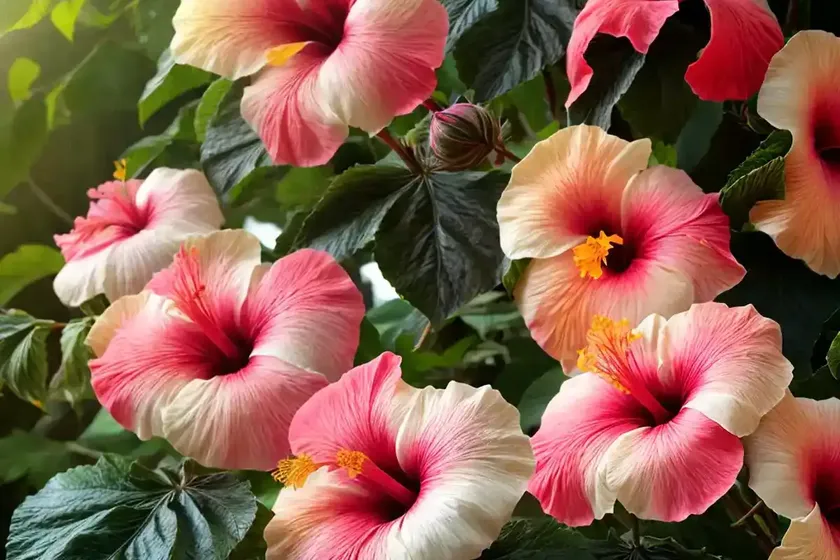
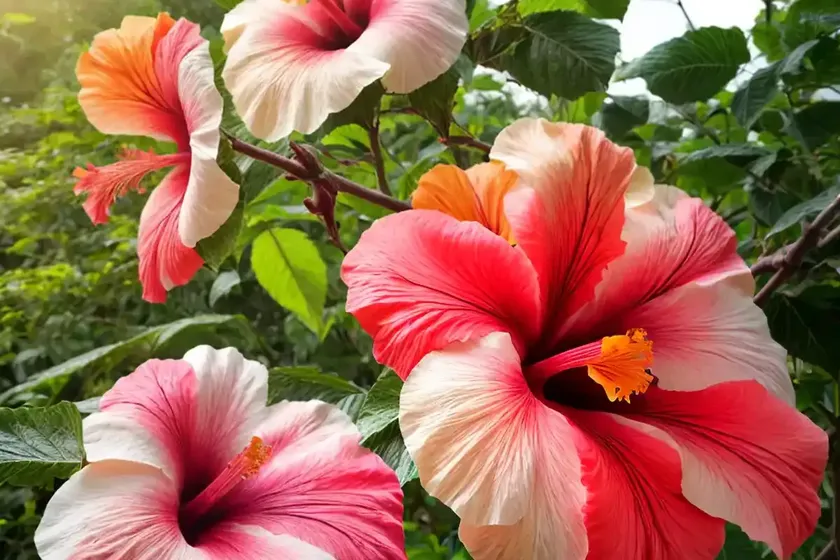
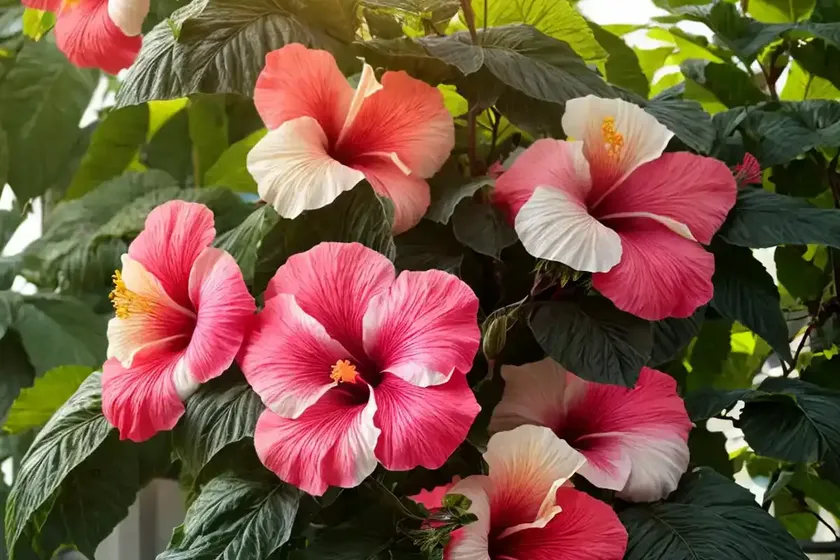
Hibiscus (Hibiscus rosa-sinensis) is a stunning flowering plant that is beloved by gardeners and plant enthusiasts around the world. With its large, vibrant blooms and lush foliage, hibiscus adds a tropical touch to any garden or indoor space. In this comprehensive guide, we will explore everything you need to know about caring for hibiscus, from its cultural requirements to common pests and diseases, as well as tips for propagation and container growing.
What is Hibiscus (Hibiscus rosa-sinensis)?
Hibiscus rosa-sinensis, also known as the Chinese hibiscus, is a member of the Malvaceae family and is native to East Asia. This evergreen shrub is prized for its large, showy flowers, which come in a wide range of colors, including red, pink, orange, yellow, and white. The flowers of the hibiscus plant are typically trumpet-shaped and can measure up to 6 inches in diameter. The glossy, dark green leaves of the hibiscus add to its ornamental appeal, making it a popular choice for gardens, landscapes, and indoor spaces.
Key Takeaways – Hibiscus (Hibiscus rosa-sinensis)
Before delving into the specifics of hibiscus care, let’s summarize some key takeaways about this beautiful plant:
- Hibiscus is a tropical flowering plant with large, showy blooms in various colors.
- It belongs to the Malvaceae family and is native to East Asia.
- Hibiscus is prized for its ornamental value and is commonly used in gardens, landscapes, and indoor spaces.
- Proper care, including watering, sunlight exposure, fertilization, and pruning, is essential for maintaining the health and vibrancy of hibiscus plants.
Culture
Uses
The hibiscus plant serves both ornamental and practical purposes. Its vibrant flowers make it a popular choice for adding color and visual interest to gardens, landscapes, and indoor settings. Additionally, hibiscus is utilized for its medicinal properties, culinary purposes, and as a source of natural dyes.
Water
Proper watering is crucial for the health and vitality of hibiscus plants. While hibiscus requires consistently moist soil, it is essential to avoid overwatering, which can lead to root rot and other issues. The frequency of watering may vary depending on factors such as climate, soil type, and container size.
Sunlight
Hibiscus thrives in full sun, requiring at least 6-8 hours of direct sunlight per day. However, it is important to provide some shade during the hottest part of the day, particularly in regions with intense summer heat. Insufficient sunlight can result in reduced blooming and overall plant vigor.
Fertilizer
Regular fertilization is essential for promoting healthy growth and abundant flowering in hibiscus plants. A balanced, water-soluble fertilizer formulated for blooming plants is recommended during the growing season. It is important to follow the specific recommendations provided by the fertilizer manufacturer to avoid over-fertilization.
Soil
Well-draining, slightly acidic soil with a pH range of 6.0-6.5 is ideal for hibiscus plants. Amending the soil with organic matter, such as compost or peat moss, can improve its texture and fertility. Additionally, mulching around the base of the plant helps to retain moisture and suppress weed growth.
Pruning
Pruning is an important aspect of hibiscus care, allowing for the removal of spent blooms, shaping of the plant, and the promotion of new growth. Pruning should be carried out in late winter or early spring, before the active growing season begins. It is important to use sharp, clean pruning shears to prevent damage to the plant.
Propagation
Hibiscus can be propagated through various methods, including stem cuttings, seeds, and air layering. Stem cuttings are a popular and reliable way to propagate hibiscus, and they should be taken from new, healthy growth for the best results. Proper care and attention should be given to newly propagated hibiscus plants to ensure successful establishment.
Container Popularity
Hibiscus plants are well-suited for container growing, allowing individuals without garden space to enjoy their beauty on patios, balconies, and indoors. When grown in containers, hibiscus may have slightly different cultural requirements, particularly in terms of watering and fertilization.
Common Diseases
Hibiscus plants can be susceptible to certain diseases, and prompt identification and treatment are essential for preventing widespread damage. Some common diseases that affect hibiscus include:
- Leaf Spot: Characterized by the appearance of dark, water-soaked spots on the leaves, often leading to leaf drop and reduced plant vigor. Fungal diseases such as anthracnose and cercospora leaf spot can affect hibiscus.
- Powdery Mildew: A fungal disease that presents as a white, powdery coating on the leaves and stems, potentially causing leaf distortion and premature leaf drop.
- Root Rot: Typically caused by overwatering and poorly drained soil, root rot can lead to yellowing of the leaves, wilting, and stunted growth.
- Bud Drop: Environmental stressors such as fluctuating temperatures and inadequate sunlight can result in the dropping of flower buds before they fully open.
Disease Diagnosis
When diagnosing diseases in hibiscus plants, it is important to closely observe the symptoms and consider factors such as environmental conditions, cultural practices, and recent changes in the plant’s surroundings. Proper diagnosis of the specific disease affecting the plant is crucial for implementing an effective treatment plan.
Common Pests
Several pests can pose a threat to hibiscus plants, impacting their overall health and blooming potential. Common pests that may affect hibiscus include:
- Aphids: Small, soft-bodied insects that can be found on the undersides of leaves, causing leaf distortion and the secretion of sticky honeydew.
- Whiteflies: Tiny, white insects that congregate on the undersides of leaves and can weaken the plant by sucking sap and transmitting viral diseases.
- Spider Mites: These arachnids can cause stippling on the leaves, webbing, and overall decline in plant health.
- Thrips: Thrips feed on flower buds and leaves, leaving behind silvery scars and causing distortion of new growth.
Botanist’s Tips
In addition to the essential care guidelines mentioned above, here are some additional tips from botanists and horticultural experts for successfully growing and maintaining hibiscus plants:
- Periodically inspect the undersides of leaves for signs of pests and diseases, as early detection allows for prompt treatment.
- Provide adequate air circulation around hibiscus plants to mitigate the risk of fungal diseases.
- Avoid overhead watering, as wet foliage can contribute to the development of fungal issues.
- Consider the specific climatic conditions in your region when determining the most suitable hibiscus varieties for your garden or indoor space.
Fun Facts
- Hibiscus flowers are not only visually stunning but are also edible and can be used to garnish salads, desserts, and beverages.
- Certain species of hibiscus are used in herbal teas and have been associated with various health benefits, including potentially lowering blood pressure.
- The hibiscus flower holds cultural significance in many regions, often symbolizing beauty, love, and femininity in different traditions around the world.
Links to External Resources
For further information on hibiscus care, varieties, and related topics, consider exploring the following links to reputable external resources:
- American Hibiscus Society
- University of Florida IFAS Extension – Hibiscus Care
- The Royal Horticultural Society – Hibiscus
In conclusion, hibiscus (Hibiscus rosa-sinensis) is a captivating plant that adds color, vibrancy, and a tropical feel to any garden or indoor space. By following the recommended cultural practices, addressing common pests and diseases, and considering the tips provided by botanists and horticultural experts, you can enjoy the beauty of hibiscus and ensure its long-term health and vitality. Whether you are a seasoned gardener or just beginning your plant care journey, hibiscus is a delightful addition to any collection, offering an array of stunning blooms and a touch of exotic allure.
Happy gardening! 🌺


