Plant Scientist Blog: Exploring Hibiscus ‘Ballet Slippers’ (Rose Mallow)
Welcome to our extensive guide on Hibiscus ‘Ballet Slippers,’ a stunning member of the Rose Mallow family. Whether you are a seasoned enthusiast or new to the world of hibiscus, this blog post will provide in-depth insights into the cultivation, care, and fascinating characteristics of this captivating plant. Let’s delve into the enchanting world of Hibiscus ‘Ballet Slippers’ and discover the secrets of nurturing this extraordinary botanical wonder.
What is Hibiscus ‘Ballet Slippers’ (Rose Mallow)?
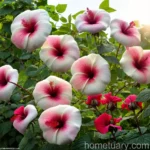
Hibiscus ‘Ballet Slippers,’ scientifically known as Hibiscus moscheutos, is a cultivar of the Rose Mallow plant. This perennial beauty is renowned for its large, showy flowers and is a favorite among gardeners and horticulturists. The ‘Ballet Slippers’ variety is characterized by its delicate, pale pink blooms with a distinctive red eye at the center, creating a captivating display in gardens and landscapes.
Key Takeaways – Hibiscus ‘Ballet Slippers’ (Rose Mallow)
Before we explore the detailed aspects of growing and caring for Hibiscus ‘Ballet Slippers,’ here are the key takeaways about this magnificent plant:
- Common Name: Hibiscus ‘Ballet Slippers’ (Rose Mallow)
- Scientific Name: Hibiscus moscheutos
- Characteristics: Large pale pink flowers with a red eye
- Type: Perennial
- Cultivar: ‘Ballet Slippers’
- Uses: Landscaping, ornamental gardens
Now that we have introduced Hibiscus ‘Ballet Slippers,’ let’s journey into its culture, care, and the many fascinating uses of this exquisite plant.
Culture
Water
Hibiscus ‘Ballet Slippers’ thrives in moist soil, and it is essential to ensure consistent watering, particularly during the hot summer months. Adequate moisture is crucial for the plant’s growth and flowering. Ideally, the soil should be well-draining to prevent waterlogging, which can lead to root rot.
For established plants, a deep watering once or twice a week should be sufficient, but this may vary depending on the local climate and soil conditions. Mulching around the base of the plant can help retain soil moisture and regulate temperature.
Sunlight
In terms of sunlight requirements, Hibiscus ‘Ballet Slippers’ flourishes in full sun. It requires a minimum of six to eight hours of direct sunlight each day to produce an abundance of blooms and maintain healthy foliage. When planted in partial shade, the plant may still bloom, but the flowering may not be as prolific.
It is important to position the plant in a location that receives ample sunlight to optimize its growth and flowering potential.
Fertilizer
Fertilizing Hibiscus ‘Ballet Slippers’ is essential for promoting vigorous growth and abundant blooms. A balanced, slow-release fertilizer with a higher potassium content can be applied during the growing season to support flower production. It is advisable to follow the manufacturer’s instructions regarding application rates and frequency.
Additionally, incorporating organic matter into the soil when planting or during regular maintenance can provide essential nutrients and improve the overall health of the plant.
Soil
Hibiscus ‘Ballet Slippers’ thrives in well-draining, nutrient-rich soil. A slightly acidic to neutral pH level is generally ideal for optimal growth. Amending the soil with compost or well-rotted manure can enhance its fertility and texture, creating a conducive environment for the plant’s development.
Pruning
Pruning plays a crucial role in shaping the growth habit of Hibiscus ‘Ballet Slippers’ and encouraging prolific flowering. Regular removal of spent blooms and the occasional selective trimming of leggy or damaged stems can help maintain a tidy appearance and stimulate new growth.
In regions with colder climates, it is advisable to prune the plant in late winter or early spring to encourage fresh growth as the weather warms. Avoid heavy pruning during the fall, as this may leave the plant vulnerable to winter damage.
Propagation
Propagating Hibiscus ‘Ballet Slippers’ can be achieved through various methods, including:
-
Cuttings: Softwood or semi-hardwood cuttings can be harvested and rooted in a suitable growing medium to create new plants. The use of a rooting hormone can enhance the success rate of propagation via cuttings.
-
Division: Established clumps of Hibiscus ‘Ballet Slippers’ can be carefully divided during the plant’s dormant phase, with each division containing viable roots and shoots for replanting.
-
Seeds: Collecting and germinating seeds from mature Hibiscus ‘Ballet Slippers’ plants can also yield new offspring. However, keep in mind that seeds may not produce true replicas of the parent plant due to genetic variations.
Container Popularity
Hibiscus ‘Ballet Slippers’ is well-suited for container cultivation, allowing gardeners with limited space to enjoy its beauty on patios, balconies, and other confined areas. When grown in containers, the plant requires adequate space for its roots and should be provided with a well-draining potting mix to prevent waterlogging.
Container-grown Hibiscus ‘Ballet Slippers’ may necessitate more frequent watering and periodic fertilization due to the limited capacity of the growing medium. Additionally, placing the containers in a sunny location will support the plant’s growth and blooming potential.
Common Diseases
While Hibiscus ‘Ballet Slippers’ is generally resilient, it can be susceptible to certain diseases under unfavorable conditions. Here are some common diseases that may affect the plant:
-
Leaf Spot: Fungal diseases such as Cercospora or Septoria can cause unsightly spots on the leaves, leading to defoliation if left unmanaged.
-
Powdery Mildew: The presence of powdery mildew is characterized by a powdery white coating on the foliage, impacting the plant’s overall health.
-
Root Rot: Overly wet or poorly drained soil can predispose the plant to root rot, causing wilting and decline in the affected plant.
Disease Diagnosis
Early detection and prompt treatment are vital in managing diseases that may afflict Hibiscus ‘Ballet Slippers.’ Regularly inspecting the plant for any signs of discoloration, lesions, or abnormal growth can aid in timely intervention.
Upon noticing any symptoms indicative of a potential disease, it is advisable to consult a plant healthcare professional or extension service for accurate diagnosis and tailored treatment recommendations.
Common Pests
Hibiscus ‘Ballet Slippers’ may attract various pests, including:
-
Aphids: These small, sap-sucking insects can cluster on the tender shoots and buds, potentially causing distortion and yellowing of the affected plant parts.
-
Whiteflies: These tiny, moth-like insects congregate on the undersides of the leaves, where they feed on the plant’s sap and excrete sticky honeydew, leading to sooty mold growth.
-
Japanese Beetles: These voracious pests can devour the foliage and flowers of Hibiscus ‘Ballet Slippers,’ causing extensive damage if present in large numbers.
Botanist’s Tips
As a botanist deeply fascinated by the captivating world of Hibiscus ‘Ballet Slippers’ and alluring plant varieties, here are some insightful tips for cultivating and nurturing these botanical gems:
-
Mulching: Applying a layer of organic mulch around the base of the plant helps conserve soil moisture, suppresses weeds, and moderates soil temperature, promoting optimal growing conditions for the plant.
-
Pollinator Attraction: Embrace the beauty and ecological significance of Hibiscus ‘Ballet Slippers’ by incorporating it into pollinator-friendly gardens to attract bees, butterflies, and hummingbirds, thereby contributing to biodiversity and conservation efforts.
-
Winter Protection: In regions experiencing harsh winters, providing adequate protection, such as mulching and insulation, can safeguard Hibiscus ‘Ballet Slippers’ from cold-induced damage, ensuring its vitality in the following growing season.
Fun Facts
Hibiscus ‘Ballet Slippers’ is not only a stunning ornamental plant but also harbors various intriguing aspects. Here are some enchanting and enlightening fun facts about this captivating species:
-
The flowers of Hibiscus ‘Ballet Slippers’ are not only visually striking but are also edible. They can be used to add a delightful splash of color and flavor to salads and desserts.
-
Apart from its horticultural significance, Hibiscus ‘Ballet Slippers’ is cherished for its cultural symbolism in different parts of the world, representing beauty, love, and grace in diverse traditions and customs.
Links to External Resources
For further exploration and in-depth information on Hibiscus ‘Ballet Slippers’ and related topics, here are some valuable external resources and references to broaden your understanding of this captivating plant:
-
American Hibiscus Society: A comprehensive resource dedicated to fostering the appreciation and cultivation of hibiscus plants, offering valuable insights and educational materials.
-
Royal Horticultural Society (RHS): Explore the RHS guide on growing hibiscus, including valuable tips on cultivation, care, and recommended varieties.
-
University of Florida IFAS Extension: An insightful resource providing practical guidance on growing and managing hibiscus plants, including ‘Ballet Slippers’ and other varieties.
-
Missouri Botanical Garden: Discover detailed botanical information and growing recommendations for Hibiscus ‘Ballet Slippers’ at the Missouri Botanical Garden’s comprehensive plant database.
-
HortChat: Delve into specialized tips and expert advice on the care and cultivation of hibiscus plants, encompassing ‘Ballet Slippers’ and other popular varieties.
In conclusion, Hibiscus ‘Ballet Slippers’ (Rose Mallow) encapsulates a fusion of botanical elegance, cultural significance, and ecological appeal. By embracing the art of nurturing this splendid plant, we embark on a journey of enriching our lives and landscapes with its resplendent beauty and timeless allure. Whether gracing gardens, containers, or floricultural exhibitions, the captivating presence of ‘Ballet Slippers’ Hibiscus is sure to leave an indelible impression, captivating hearts and minds with its mesmerizing blooms.
As we celebrate the enchanting world of hibiscus, let’s continue to cherish and preserve these botanical treasures, honoring the profound mystique and natural splendor they bestow upon our lives. With each delicate petal and verdant leaf, Hibiscus ‘Ballet Slippers’ whispers a timeless tale of elegance, resilience, and the enduring beauty of nature.
This blog post is dedicated to the enduring fascination and enchantment of Hibiscus ‘Ballet Slippers’ (Rose Mallow), celebrating its timeless allure and captivating grace in the botanical tapestry of our world.