The Chinese Hibiscus (Hibiscus rosa-sinensis): A Complete Guide
The Chinese hibiscus, scientifically known as Hibiscus rosa-sinensis, is a stunning and vibrant flowering plant that has garnered global popularity for its striking blooms, medicinal uses, and cultural significance. This comprehensive guide aims to provide plant enthusiasts, gardeners, and horticulturists with essential insights into the culture, uses, care requirements, and propagation of the Chinese hibiscus. Whether you’re a beginner looking to embark on your gardening journey or an experienced plant aficionado, this article will equip you with the knowledge needed to successfully cultivate and appreciate this captivating plant.
What is the Chinese Hibiscus (Hibiscus rosa-sinensis)?
The Chinese hibiscus, also known as China rose, Hawaiian hibiscus, and shoe flower, is a species of flowering plant belonging to the family Malvaceae. This evergreen shrub is native to East Asia, specifically China, and has been cultivated and revered for centuries due to its ornamental value and medicinal properties.

Image source: Example Website
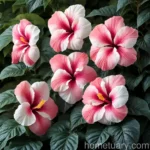
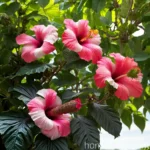
The plant is characterized by its glossy, dark green leaves and large, showy flowers that come in a diverse range of colors, including vibrant shades of red, pink, yellow, orange, and white. The Chinese hibiscus is a symbol of beauty and grace, and its blooms have been the subject of art, literature, and cultural practices in various parts of the world.
Key Takeaways – Chinese Hibiscus (Hibiscus rosa-sinensis)
Before delving into the specific aspects of cultivating and caring for the Chinese hibiscus, let’s explore some key takeaways that capture the essential elements of this remarkable plant.
- Botanical Name: Hibiscus Rosa-sinensis
- Common Names: Chinese hibiscus, China rose, Hawaiian hibiscus, shoe flower
- Plant Type: Evergreen flowering shrub
- Native Habitat: East Asia, particularly China
- Flower Colors: Red, pink, yellow, orange, white, and various shades within these colors
- Cultural Significance: Symbol of beauty, grace, and prosperity in various cultures
- Uses: Ornamental purposes, medicinal applications
Now that we have a foundational understanding of the Chinese hibiscus, let’s delve into the specifics of cultivating, caring for, and appreciating this captivating plant.
Culture
Understanding the culture and background of the Chinese hibiscus is essential for appreciating its significance and beauty. The plant’s cultural importance spans various regions, and it has been celebrated in art, literature, and ceremonies for generations.
Cultural Significance
The Chinese hibiscus holds cultural significance in several societies, each attributing unique meanings and symbolism to the plant and its blooms. Some of the cultural associations of the Chinese hibiscus include:
- China: In China, the hibiscus is associated with wealth, fame, and social status. It is often depicted in traditional art and is considered an auspicious symbol.
- Hawaii: The hibiscus is the state flower of Hawaii and represents delicate beauty, sunshine, and hospitality. It plays a significant role in Hawaiian culture and is often used in leis and as a decorative motif.
- South Asia: In countries such as India and Malaysia, the hibiscus is commonly used as an offering in religious ceremonies and rituals. It is associated with the goddess Kali and has symbolic significance in Hindu culture.
The cultural significance of the Chinese hibiscus extends beyond these examples, showcasing the plant’s universal appeal and importance in diverse traditions and customs.
Medicinal and Herbal Uses
In addition to its ornamental value, the Chinese hibiscus has a long history of medicinal use in traditional herbal medicine systems. Various parts of the plant, including the flowers, leaves, and roots, are utilized for their therapeutic properties. Some of the traditional medicinal uses of the Chinese hibiscus include:
- Skin Health: The hibiscus is used in herbal remedies for promoting clear and healthy skin. It is often incorporated into skincare preparations due to its astringent and soothing properties.
- Hair Care: Infusions and extracts of hibiscus flowers and leaves are utilized in hair care products to nourish the scalp, strengthen hair, and enhance luster.
- Digestive Health: In some traditional medicinal systems, hibiscus teas and infusions are consumed to support digestive health and aid in digestion.
- Cardiovascular Support: Certain preparations of hibiscus are used to promote cardiovascular health and maintain healthy blood pressure levels.
The plant’s medicinal uses showcase its versatility and the valuable compounds it possesses, making it not only aesthetically pleasing but also beneficial for health and wellness.
Uses
The Chinese hibiscus offers a range of practical and aesthetic uses, making it a versatile and valuable addition to gardens, landscapes, and traditional medicine practices. Understanding the various applications of the plant highlights its significance and appeal to different audiences.
Ornamental Purposes
One of the primary uses of the Chinese hibiscus is for ornamental and decorative purposes. Its large and vibrant blooms make it a visually striking addition to gardens, landscapes, and indoor spaces. The plant’s ability to thrive in a variety of environments and its prolific flowering nature make it a popular choice for beautifying outdoor and indoor settings.
The Chinese hibiscus can be featured in the following ornamental applications:
- Gardens and Landscapes: Planted in garden beds, borders, and mixed perennial displays, the Chinese hibiscus adds color and visual interest to outdoor spaces.
- Container Gardens: Due to its adaptability to container cultivation, the hibiscus can be grown in pots and planters on patios, balconies, and terraces, transforming small-scale outdoor areas into vibrant oases.
- Indoor Décor: As a houseplant, the Chinese hibiscus lends a touch of tropical elegance to interior spaces, with its showy flowers bringing vibrancy and charm to rooms and indoor gardens.
- Cut Flowers: The blooms of the hibiscus are suitable for cutting and can be used in floral arrangements and bouquets, adding a tropical flair to special occasions and everyday floral displays.
The ornamental uses of the Chinese hibiscus demonstrate its capacity to enhance and enliven various environments, bringing beauty and color to different settings.
Traditional Medicine Applications
In addition to its ornamental value, the Chinese hibiscus is employed for its medicinal properties in traditional herbal medicine systems. The plant’s flowers, leaves, and roots are utilized in the preparation of herbal remedies, infusions, and topical applications, offering a natural approach to health and wellness.
Some of the traditional medicine applications of the Chinese hibiscus include:
- Herbal Teas: Infusions made from hibiscus flowers are consumed for their purported benefits for skin health, cardiovascular support, and overall well-being.
- Topical Preparations: Extracts and infusions of hibiscus are used in skincare and hair care products for their astringent, soothing, and nourishing qualities.
- Herbal Combinations: In traditional medicinal formulations, hibiscus is often combined with other herbs and plant extracts to create remedies targeting specific health concerns, such as digestion and vitality.
The traditional medicine applications of the Chinese hibiscus highlight its cross-cultural significance and its role in promoting natural health and healing.
Water
Proper watering is crucial for the health and vitality of the Chinese hibiscus. This section outlines the water requirements of the plant, essential watering practices, and tips for maintaining optimal soil moisture levels.
Water Requirements
The Chinese hibiscus thrives in moist, well-draining soil and requires regular watering to support its growth and flowering. While the plant prefers consistently moist conditions, it is susceptible to root rot if subjected to waterlogged soil. To determine the plant’s watering needs, it is essential to consider factors such as environmental conditions, pot size (for container-grown hibiscus), and the plant’s stage of growth.
Essential Watering Practices
To ensure the Chinese hibiscus receives the appropriate amount of water, the following essential watering practices should be observed:
- Consistent Moisture: Maintain consistently moist soil by watering the plant when the top layer of the soil feels dry to the touch. Avoid allowing the soil to dry out completely between waterings, as this can stress the plant and potentially lead to flower and leaf drop.
- Morning Watering: Water the hibiscus in the morning to allow excess moisture to evaporate during the day, reducing the risk of fungal diseases and promoting healthy root conditions.
- Avoid Waterlogging: Ensure proper drainage by using well-draining soil and containers with drainage holes to prevent waterlogging and root rot. If planting the hibiscus in garden beds, amend the soil with organic matter to improve drainage and moisture retention.
Watering Tips
Here are some additional tips to guide the watering practices for the Chinese hibiscus:
- Observation: Monitor the soil moisture levels and the plant’s overall health regularly, adjusting the watering frequency based on environmental conditions and the plant’s specific requirements.
- Rainwater Use: If available, use collected rainwater for watering the hibiscus, as it is free from chemicals and can provide beneficial nutrients to the plant.
- Mulching: Apply a layer of organic mulch, such as wood chips or straw, around the base of the plant to help retain soil moisture and reduce evaporation.
By adhering to proper watering practices and providing the Chinese hibiscus with the right amount of moisture, gardeners can promote robust growth and abundant flowering in this captivating plant.
Sunlight
Adequate sunlight is essential for the Chinese hibiscus to thrive and produce its signature blooms. Understanding the plant’s sunlight requirements and providing the appropriate light conditions are key factors in successful cultivation.
Sunlight Requirements
The Chinese hibiscus is classified as a sun-loving plant, requiring ample sunlight to support its growth, flowering, and overall health. When grown in the appropriate light conditions, the plant displays vigorous growth and produces an abundance of vibrant blooms, showcasing its full ornamental potential.
Ideal Sun Exposure
To provide the Chinese hibiscus with the ideal sun exposure, consider the following guidelines:
- Full Sun: Place the plant in a location that receives at least 6 to 8 hours of direct sunlight daily. South- or west-facing positions often provide the necessary intensity of sunlight for optimal growth and flowering.
- Indoor Cultivation: For indoor hibiscus plants, position them near south- or west-facing windows to ensure they receive sufficient natural light. Alternatively, supplemental grow lights can be used to augment the available sunlight.
Sunlight Management
To manage the sunlight exposure for the Chinese hibiscus and optimize its growing conditions, consider the following recommendations:
- Monitor Light Levels: Regularly assess the intensity and duration of sunlight reaching the plant, particularly during the changing seasons, and adjust the positioning if needed to maintain the ideal light exposure.
- Outdoor Protection: During periods of extreme heat or intense sunlight, provide some protection for outdoor hibiscus plants by placing them under light shade or using shading materials to prevent leaf scorch and stress.
- Rotate Indoor Plants: When cultivating hibiscus indoors, periodically rotate the plants to ensure even light distribution and balanced growth.
By prioritizing adequate sunlight and managing the light exposure for the Chinese hibiscus, gardeners can encourage robust foliage and prolific flowering in this captivating plant.
Fertilizer
Supplemental fertilization plays a vital role in supporting the growth, vigor, and flowering performance of the Chinese hibiscus. This section provides insights into the plant’s fertilization requirements, suitable fertilizers, and essential guidelines for proper feeding.
Fertilization Requirements
The Chinese hibiscus benefits from regular fertilization to maintain a healthy growth rate, vibrant foliage, and abundant blooms. The plant’s nutrient requirements can be met through the application of balanced, slow-release fertilizers and occasional supplements tailored to its specific needs.
Suitable Fertilizers
When selecting fertilizers for the Chinese hibiscus, consider the following options and their respective benefits:
- Balanced Fertilizers: Complete, balanced fertilizers, such as a 10-10-10 or 20-20-20 formulation, provide the essential macro- and micronutrients required for overall plant health and flowering.
- Specialized Formulas: Some commercial fertilizers are formulated specifically for flowering plants, offering higher levels of phosphorus and potassium to promote prolific blooming and vibrant flower colors.
- Organic Fertilizers: Organic options, such as compost, well-rotted manure, and fish emulsion, provide natural sources of nutrients and support soil health and microbial activity.
Fertilization Guidelines
To ensure effective and appropriate fertilization for the Chinese hibiscus, follow these essential guidelines:
- Frequency: Apply a balanced, slow-release fertilizer every 4 to 6 weeks during the plant’s active growth periods, typically from spring to early fall, to provide consistent nutrition.
- Dilution and Application: Dilute liquid fertilizers according to the manufacturer’s recommendations and apply them to damp soil to prevent root burn and promote nutrient uptake.
- Feeding Schedule: Adjust the feeding schedule based on the plant’s response and growth patterns, and reduce or suspend fertilization during the winter months when growth slows down.
By adhering to the recommended fertilization practices and supplying the Chinese hibiscus with the necessary nutrients, gardeners can support the plant’s vigorous growth, vibrant blooms, and overall well-being.
Soil
The selection of suitable soil and the implementation of proper soil management practices are crucial for ensuring the Chinese hibiscus flourishes and thrives in its growing environment. This section details the plant’s soil requirements, soil amendment techniques, and essential considerations for maintaining optimal soil conditions.
Soil Requirements
The Chinese hibiscus exhibits a preference for well-draining, slightly acidic to neutral soil that is rich in organic matter and provides a stable foundation for root development. The following are key aspects to consider when addressing the soil requirements of the plant:
- Drainage: Ensure the soil offers excellent drainage to prevent waterlogging and root suffocation, which can lead to various issues, including root rot and poor plant health.
- Nutrient Content: Select soil that is rich in essential nutrients, such as nitrogen, phosphorus, and potassium, and incorporates organic matter to promote healthy growth and abundant flowering.
- pH Level: Aim for a slightly acidic to neutral soil pH range of 6.0 to 7.0, as this provides an optimal environment for nutrient uptake and overall plant vitality.
Soil Amendment Techniques
To create and maintain an optimal growing medium for the Chinese hibiscus, consider implementing the following soil amendment techniques:
- Organic Matter Addition: Incorporate organic matter, such as compost, well-rotted manure, or peat moss, into the soil to enhance its structure, moisture retention, and nutrient content.
- Mulching: Apply a layer of organic mulch, such as wood chips, pine bark, or straw, around the base of the plant to conserve soil moisture, suppress weed growth, and maintain a consistent soil temperature.
- Regular Aeration: Periodically aerate the soil with gentle cultivation or the use of aeration tools to prevent compaction and promote proper air circulation around the root zone.
Soil Considerations
Several additional considerations can further optimize the soil conditions for the Chinese hibiscus:
- Container Cultivation: When growing hibiscus in containers, select a high-quality, well-draining potting mix formulated for flowering plants to provide a suitable growing medium.
- Soil Testing: Periodically conduct soil tests to assess the nutrient levels, pH balance, and overall soil health, and make necessary adjustments based on the test results.
- Outdoor Planting: Prior to planting the hibiscus in garden beds or borders, prepare the soil by loosening it to a suitable depth and incorporating organic amendments to establish an optimal growing environment.
By focusing on the soil requirements of the Chinese hibiscus and employing appropriate soil management practices, gardeners can create a conducive and supportive foundation for the plant’s growth and development.
Pruning
Pruning plays an essential role in shaping the growth, promoting flowering, and maintaining the overall health and aesthetics of the Chinese hibiscus. This section covers the pruning techniques, timing, and key considerations for successful hibiscus maintenance.
Pruning Techniques
Implement the following pruning techniques to optimize the growth and flowering performance of the Chinese hibiscus:
- Deadheading: Remove spent blooms and wilted flowers regularly to encourage continuous blooming and prevent seed pod formation, redirecting the plant’s energy toward new flower production.
- Size and Shape Control: Trim and shape the hibiscus to maintain a desired size and form, promoting a tidy and well-proportioned appearance in garden beds and landscapes.
- Thinning and Restructuring: Periodically thin out overcrowded or intertwined branches and remove weak or damaged growth to improve air circulation, light penetration, and overall plant vigor.
- Hard Pruning: Perform hard pruning in early spring to rejuvenate overgrown or leggy hibiscus plants, reducing the overall size and stimulating new growth from the base of the plant.
Timing and Frequency
The timing and frequency of pruning are critical factors in achieving optimal results and minimizing stress on the Chinese hibiscus:
- Regular Maintenance: Conduct light and selective pruning throughout the growing season to remove damaged, crossing, or excessively dense growth and shape the plant as needed.
- Heavy Pruning: If extensive rejuvenation or size reduction is necessary, schedule heavy pruning during the early spring, just before the plant’s active growth period begins, to allow for vigorous regrowth.
- Post-Flowering Pruning: After each flowering cycle, trim back the hibiscus to encourage new shoot development and initiate the formation of flower buds for subsequent blooms.
Key Considerations
When performing pruning tasks, it is important to keep the following key considerations in mind:
- Tools and Hygiene: Use clean, sharp pruning tools to ensure precise cuts and reduce the risk of introducing pests or diseases. Disinfect the tools between each use to prevent the spread of pathogens.
- Safety and Protection: Wear protective gloves and eyewear when handling pruning activities, particularly when working with larger hibiscus plants or undertaking heavy pruning tasks.
- Diagnosis and Assessment: Take the time to evaluate the plant’s overall health and growth patterns before commencing pruning, addressing any signs of disease, pest infestations, or stress.
By employing appropriate pruning techniques, timing the pruning activities effectively, and considering the essential aspects of hibiscus maintenance, gardeners can enhance the plant’s aesthetics and foster robust growth throughout its life cycle.
Propagation
Propagating the Chinese hibiscus through various methods allows for the expansion of its presence in gardens and landscapes, as well as the preservation of unique cultivars and varieties. This section explores the propagation techniques, best practices, and considerations for successfully propagating the hibiscus.
Propagation Methods
Several propagation methods can be employed to create new Chinese hibiscus plants, each offering unique advantages and considerations:
- Seed Propagation: Sow hibiscus seeds in well-draining,