Heuchera ‘Wild Rose’ (Coral Bells)
Heuchera ‘Wild Rose’, commonly known as Coral Bells, is a beautiful flowering perennial plant that belongs to the Saxifragaceae family. This plant is.
What is Heuchera ‘Wild Rose’ (Coral Bells)?
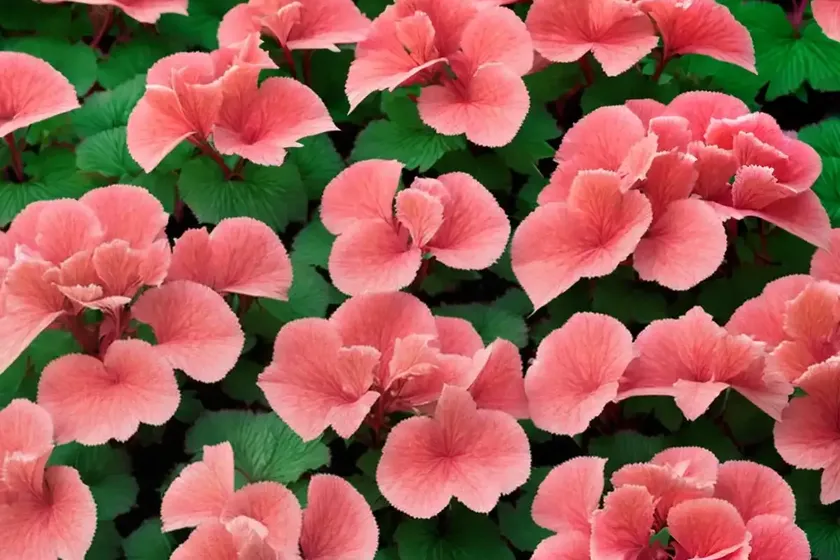
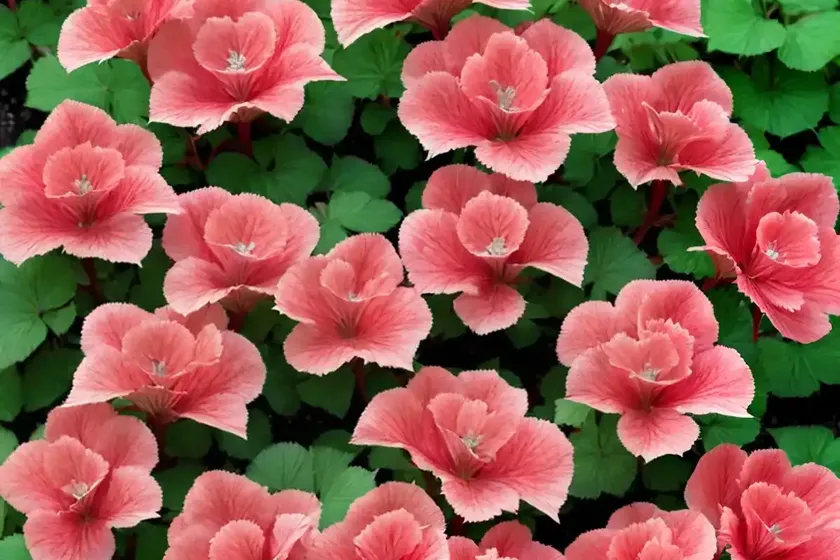
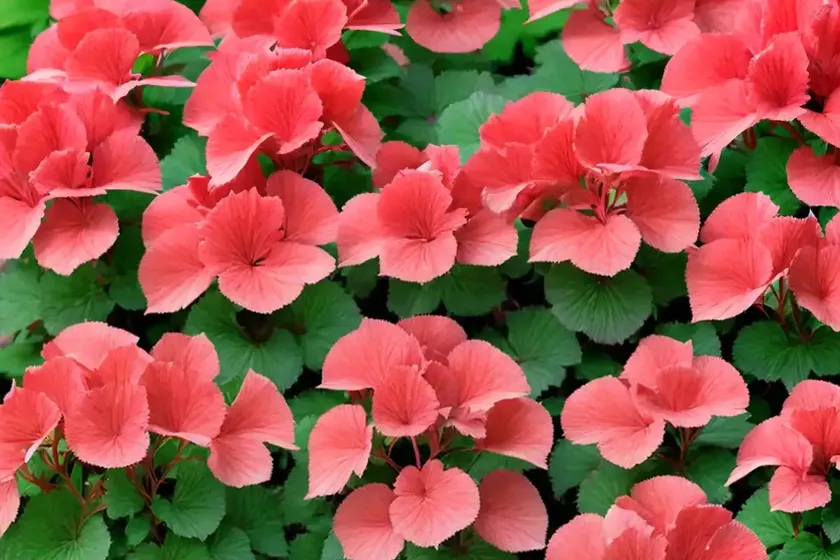
Heuchera ‘Wild Rose’, commonly known as Coral Bells, is a beautiful flowering perennial plant that belongs to the Saxifragaceae family. This plant is renowned for its delicate, bell-shaped flowers and stunning foliage. Heuchera ‘Wild Rose’ is a popular choice among gardeners due to its versatility, low maintenance requirements, and ability to attract pollinators. It is a native to North America and is often used in landscaping and ornamental gardening.
Key Takeaways – Heuchera ‘Wild Rose’ (Coral Bells)
Before we delve into the detailed aspects of Heuchera ‘Wild Rose’, let’s explore the key takeaways that we will cover in this comprehensive guide:
- Plant Information and Varieties: Understanding the essential information related to Heuchera ‘Wild Rose’ and its various popular varieties.
- Growing and Cultivation: Learning about the optimal conditions for growing Heuchera ‘Wild Rose’ in gardens, containers, and other settings.
- Care and Maintenance: Exploring the specific care guidelines, including watering, sunlight, soil requirements, and disease control.
- Landscaping and Design Ideas: Discovering creative landscaping ideas and the unique characteristics of Coral Bells ‘Wild Rose’.
- Pest and Disease Management: Understanding the common pests and diseases affecting Heuchera ‘Wild Rose’ and effective control measures.
- Medicinal Properties and Other Benefits: Exploring the potential medicinal properties and additional benefits associated with Heuchera ‘Wild Rose’.
- DIY Projects and Gardening Tips: Uncovering innovative DIY projects and valuable tips for cultivating Heuchera ‘Wild Rose’ effectively.
Now, let’s embark on a detailed journey into the world of Heuchera ‘Wild Rose’ and gain a deeper understanding of this captivating plant.
Plant Information and Varieties
Plant Description
Heuchera ‘Wild Rose’ is characterized by its vibrant, deeply-lobed foliage and airy panicles of tiny, bell-shaped flowers. The foliage of ‘Wild Rose’ exhibits a stunning coloration, ranging from shades of rose-pink to deep purple. This remarkable variation in leaf color adds a captivating element to garden landscapes. The foliage is semi-evergreen and remains attractive throughout the year.
The delicate flowers of Heuchera ‘Wild Rose’ bloom on slender, wiry stems, attracting a myriad of pollinators, including bees and butterflies. The overall growth habit of this plant is compact, making it an ideal choice for borders, rock gardens, and mixed perennial beds.
Varieties
Heuchera ‘Wild Rose’ is a part of the extensive Coral Bells family, which encompasses a diverse array of cultivars and varieties. Some popular varieties that share similarities with ‘Wild Rose’ include:
-
Heuchera ‘Midnight Rose’: Known for its dramatic, dark foliage speckled with hot pink spots, this variety pairs beautifully with ‘Wild Rose’ to create a striking contrast in garden beds.
-
Heuchera ‘Marmalade’: Renowned for its stunning apricot-colored foliage, ‘Marmalade’ complements the rose-pink hues of ‘Wild Rose’ and adds warmth to garden compositions.
-
Heuchera ‘Black Pearl’: This variety displays intensely dark, almost black foliage, creating a bold visual statement. When juxtaposed with ‘Wild Rose’, it contributes to a visually impactful display.
Growing and Cultivation
Culture
Heuchera ‘Wild Rose’ thrives in moderate to cool climates and is adaptable to various soil types, including sandy, loamy, and well-drained soils. This plant achieves its best performance in locations with sufficient air circulation, as it is susceptible to certain fungal diseases in overly humid conditions. ‘Wild Rose’ benefits from regular watering, especially during dry periods, to maintain adequate soil moisture levels.
Uses
The versatility of Heuchera ‘Wild Rose’ makes it suitable for a wide range of garden settings and landscaping applications. Some popular uses of ‘Wild Rose’ include:
-
Edging Plants: Due to its compact growth habit and vibrant foliage, ‘Wild Rose’ is an excellent choice for defining garden borders and pathways.
-
Container Planting: This variety of Coral Bells is well-suited for container gardening, adding a splash of color and texture to patios, balconies, and other outdoor spaces.
-
Mixed Perennial Beds: ‘Wild Rose’ complements a variety of flowering perennials and ornamental grasses, making it a valuable addition to mixed perennial beds and cottage gardens.
-
Pollinator Gardens: The nectar-rich flowers of ‘Wild Rose’ attract pollinators, making it an integral component of pollinator-friendly garden designs.
Water
Proper watering is essential for the health and vigor of Heuchera ‘Wild Rose’. While this plant is moderately drought-tolerant once established, consistent moisture is crucial, particularly during periods of heat and dryness. Adequate watering helps prevent the foliage from wilting and maintains the overall well-being of the plant. It is recommended to water ‘Wild Rose’ deeply to encourage robust root development.
Sunlight
Heuchera ‘Wild Rose’ thrives in partial to full shade, making it an ideal choice for shaded gardens and woodland settings. Partial shade with dappled sunlight is particularly favorable for this plant, as it allows the foliage to display its rich coloration and prevents scorching of the leaves. In regions with intense sunlight, providing afternoon shade can help protect ‘Wild Rose’ from excessive sun exposure.
Fertilizer
Applying a balanced, slow-release fertilizer in the spring can promote healthy growth and vibrant foliage in Heuchera ‘Wild Rose’. A fertilizer with a formulation such as 10-10-10 or 10-5-5 can provide the necessary nutrients without promoting excessive vegetative growth. It is essential to follow the manufacturer’s recommendations regarding application rates and frequency to avoid over-fertilization, which can negatively impact the plant.
Soil
The soil requirements for Heuchera ‘Wild Rose’ encompass well-draining, fertile soil with a slightly acidic to neutral pH range. Amending the soil with organic matter, such as compost or well-rotted manure, can enhance its moisture retention and soil structure, creating an optimal growing environment for ‘Wild Rose’. It is crucial to avoid waterlogged or compacted soils, as they can lead to root rot and other moisture-related issues.
Pruning
Pruning Heuchera ‘Wild Rose’ is relatively minimal, primarily focusing on the removal of spent flower stalks and any damaged or discolored foliage. The removal of faded flowers can prolong the blooming period and prevent self-seeding, particularly in regions where self-sowing can become invasive. Additionally, removing dead or damaged foliage promotes the overall health and aesthetics of ‘Wild Rose’. Pruning is typically carried out in the early spring before new growth emerges.
Propagation
Propagating Heuchera ‘Wild Rose’ can be accomplished through several methods, including division, stem cuttings, and seed propagation.
Division
Dividing mature clumps of Heuchera ‘Wild Rose’ every few years rejuvenates the plant, promotes vigorous growth, and enables the propagation of new specimens. To divide ‘Wild Rose’, carefully lift the plant from the ground and use a sharp knife or garden spade to separate the root ball into sections, ensuring that each division has healthy roots and foliage. Replant the divisions in prepared soil and water them thoroughly to support their establishment.
Stem Cuttings
Taking stem cuttings from healthy, non-flowering shoots of Heuchera ‘Wild Rose’ can yield new plants that closely resemble the parent plant. Select a portion of the stem with several leaves and make a clean cut just below a leaf node. Remove the lower leaves from the cutting, dip the cut end in rooting hormone, and insert it into a pot filled with a well-draining rooting medium. Provide the cutting with consistent moisture and indirect light to encourage root development.
Seed Propagation
While Heuchera ‘Wild Rose’ can produce seeds, the resulting seedlings may exhibit variations in color and characteristics compared to the parent plant. To propagate ‘Wild Rose’ from seeds, collect the ripe seeds and sow them in a seed-starting mix, lightly covering them with the growing medium. Maintain the soil moisture and provide warmth to facilitate germination. Once the seedlings have developed several sets of true leaves, they can be transplanted into individual containers or garden beds.
Container Gardening
Container
Growing Heuchera ‘Wild Rose’ in containers offers an opportunity to showcase its vibrant foliage and delicate flowers in confined spaces, such as patios, balconies, and urban gardens. When selecting a container for ‘Wild Rose’, opt for a sizable pot with adequate drainage holes to prevent waterlogging. The use of a high-quality, well-draining potting mix specifically designed for container plants can provide the necessary support for the plant’s growth.
Popularity
The popularity of Heuchera ‘Wild Rose’ in container gardening stems from its compact size, colorful foliage, and suitability for both shade and partial shade conditions. This variety of Coral Bells can serve as a striking focal point in container compositions or be combined with other shade-loving plants to create visually captivating displays. The versatility of ‘Wild Rose’ contributes to its widespread utilization in container gardening throughout various climatic regions.
Common Diseases
Disease Diagnosis
Heuchera ‘Wild Rose’ is susceptible to several common diseases, including powdery mildew, root rot, and leaf spot diseases. Proper diagnosis of these diseases is essential for implementing effective control measures and preventing their long-term impact on the plant’s health.
-
Powdery Mildew: Powdery mildew presents as a white, powdery growth on the foliage, typically occurring in humid conditions with poor air circulation. It can lead to the distortion of leaves and reduced plant vigor.
-
Root Rot: Root rot, caused by waterlogged or poorly drained soils, results in the decay of the plant’s root system, leading to wilting, stunted growth, and eventual decline.
-
Leaf Spot Diseases: Various fungal and bacterial pathogens can cause leaf spot diseases, manifesting as dark lesions or spots on the foliage. These diseases can weaken the plant and affect its overall appearance.
Disease Control
Implementing preventative measures and early intervention strategies can help manage and control common diseases affecting Heuchera ‘Wild Rose’.
-
Cultural Practices: Promote good air circulation and prevent waterlogged conditions by providing proper spacing between plants and ensuring well-drained soil.
-
Avoid Overhead Watering: Minimize moisture on the foliage by watering at the base of the plant, particularly in the morning to allow the leaves to dry during the day.
-
Fungicidal Treatments: In severe cases of powdery mildew and leaf spot diseases, the application of fungicidal sprays formulated for ornamental plants can aid in disease suppression.
Common Pests
Heuchera ‘Wild Rose’ is relatively resistant to pest infestations, but it can occasionally attract certain pests that affect its foliage and overall vigor.
-
Spider Mites: These tiny arachnids can cause stippling and discoloration on the foliage, particularly in hot and dry conditions. Regularly inspecting the undersides of the leaves helps detect spider mite infestations early.
-
Vine Weevils: The larvae of vine weevils feed on the roots of Heuchera ‘Wild Rose’, leading to reduced plant vitality and potential wilting. Monitoring the presence of adult weevils and applying appropriate control measures is key to preventing damage.
-
Slugs and Snails: These mollusks can feed on the foliage of ‘Wild Rose’, creating unsightly damage. The use of organic or chemical slug and snail control methods can help protect the plant from these pests.
Botanist’s Tips
Cultivation and Growth
-
Mulching: Applying a layer of organic mulch around Heuchera ‘Wild Rose’ helps conserve soil moisture, suppresses weed growth, and moderates soil temperatures. Organic mulches, such as shredded bark or compost, provide additional nutrients as they decompose.
-
Deadheading: Regular removal of spent flowers not only prolongs the blooming period but also prevents the plant from allocating energy towards seed production. Deadheading promotes continued flower production and encourages tidy, compact growth.
-
Winter Protection: In regions with harsh winters, providing a layer of mulch or a protective covering over the crown of ‘Wild Rose’ during the dormant season can safeguard the plant from temperature fluctuations and frost damage.
Design and Landscaping
-
Color Combinations: Pairing Heuchera ‘Wild Rose’ with plants that feature contrasting foliage colors, such as chartreuse or silver, creates visually dynamic and harmonious garden compositions.
-
Texture and Form: Incorporating ‘Wild Rose’ within mixed perennial beds and borders allows its distinct foliage texture and form to contribute to the overall visual appeal of the planting scheme.
-
Mass Planting: Mass planting ‘Wild Rose’ in drifts or clusters creates a striking visual impact, particularly when the vibrant foliage is showcased against a backdrop of subdued or complementary hues.
Fun Facts
-
Native American Medicinal Uses: Native American tribes utilized the roots and leaves of Heuchera species, including ‘Wild Rose’, for their potential medicinal properties, such as treating various ailments.
-
Pollinator Magnet: The delicate flowers of ‘Wild Rose’ attract an array of pollinators, contributing to the biodiversity and ecological balance within garden ecosystems.
-
Coral Bells Moniker: The common name “Coral Bells” originates from the charming, bell-shaped flowers that adorn the plant, resembling miniature coral-hued bells.
Links to External Resources
For further exploration and detailed information on Heuchera ‘Wild Rose’ (Coral Bells), the following external resources offer valuable insights:
- The Royal Horticultural Society – Heuchera ‘Wild Rose’
- University of Maryland Extension – Growing Coral Bells
- Missouri Botanical Garden – Heuchera ‘Wild Rose’ Plant Profile
- American Society for the Prevention of Cruelty to Plants – Heuchera Care Guide
- Gardening Know How – Coral Bells ‘Wild Rose’ Cultivation Tips
In conclusion, Heuchera ‘Wild Rose’ (Coral Bells) stands as a captivating and versatile plant that lends its vibrant foliage and delicate flowers to diverse gardening and landscaping endeavors. With an array of unique varieties and a host of potential applications, ‘Wild Rose’ holds a prominent place in ornamental horticulture and continues to enchant garden enthusiasts with its beauty and resilience.


