Plant Scientist Blog: Exploring the Enchanting Heuchera ‘Berry Marmalade’ (Coral Bells)
Introduction
As a plant scientist, I find immense joy in discovering new plant varieties and understanding their unique characteristics. One such enchanting plant is the Heuchera ‘Berry Marmalade’ (Coral Bells). This vibrant and versatile plant has captured the attention of gardeners and horticulturists alike. In this blog post, we will delve into the world of Heuchera ‘Berry Marmalade’, exploring its culture, uses, care requirements, and much more.
What is Heuchera ‘Berry Marmalade’ (Coral Bells)?
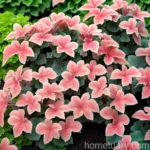
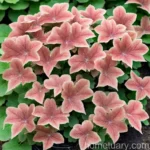
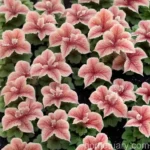
Heuchera ‘Berry Marmalade’, commonly known as Coral Bells, is a stunning perennial plant that belongs to the Saxifragaceae family. This variety is celebrated for its vibrant foliage, which transitions through mesmerizing shades of purple, pink, and orange. The unique coloration of its leaves sets it apart from other Heuchera varieties, making it a coveted choice for both novice and seasoned gardeners.
This plant is native to North America and thrives in various garden settings, including borders, rock gardens, and containers. Its compact size and low maintenance requirements make it a popular choice for landscaping and ornamental gardening.
Key Takeaways – Heuchera ‘Berry Marmalade’ (Coral Bells)
Before we dive into the specifics of growing and caring for Heuchera ‘Berry Marmalade’, let’s take a moment to outline the key takeaways associated with this captivating plant.
- Plant Name: Heuchera ‘Berry Marmalade’ (Coral Bells)
- Characteristics: Vibrant foliage in shades of purple, pink, and orange
- Uses: Ideal for borders, rock gardens, containers, and mixed plantings
- Water: Moderate watering needs; prefers well-draining soil
- Sunlight: Thrives in partial to full shade; can tolerate some sun in cooler climates
- Fertilizer: Requires occasional feeding with a balanced fertilizer
- Soil: Well-draining, slightly acidic soil
- Pruning: Deadheading spent flowers and removing damaged foliage
- Propagation: Propagated through division or seeds
- Container: Well-suited for container gardening
- Popularity: Increasingly popular choice for landscaping and ornamental gardening
- Diseases: Susceptible to certain fungal diseases
- Pests: Vulnerable to aphids, vine weevils, and mites
- Fun Facts: Remarkable for attracting pollinators and adding color to shaded areas
- External Resources: Links to valuable resources for further exploration
Now, let’s delve deeper into each of these aspects to gain a comprehensive understanding of Heuchera ‘Berry Marmalade’.
Culture
Understanding the cultural requirements of Heuchera ‘Berry Marmalade’ is essential for creating a thriving and vibrant garden display. From the ideal growing conditions to its unique features, let’s explore the cultural aspects of this captivating plant.
Water
Watering Needs: Heuchera ‘Berry Marmalade’ has moderate watering needs. It thrives in well-draining soil and prefers to be kept slightly moist, especially during the growing season. However, it is crucial to avoid overwatering, as excessive moisture can lead to root rot and other fungal diseases. During periods of high heat, regular watering is essential to maintain the plant’s vigor and vibrant foliage color.
Soil Moisture: While the plant appreciates consistent moisture, it is important to ensure that the soil is well-draining and does not become waterlogged. Organic matter can be incorporated into the soil to improve its water retention capacity while maintaining proper drainage.
Sunlight
Light Requirements: Heuchera ‘Berry Marmalade’ thrives in partial to full shade. It is well-suited for planting in areas with dappled sunlight or filtered shade. In warmer climates, it benefits from protection against intense midday sun, especially during the peak of summer. However, in cooler regions, it can tolerate more sunlight, particularly in the morning or late afternoon.
Shade Preference: The plant’s vibrant foliage and delicate blooms make it an excellent choice for shaded areas in the garden. Its ability to thrive in low light conditions adds a valuable pop of color to spaces that may otherwise appear dull or lackluster.
Fertilizer
Feeding Schedule: Heuchera ‘Berry Marmalade’ benefits from occasional feeding with a balanced fertilizer. A slow-release, organic fertilizer can be applied in early spring to support its growth and enhance the vibrancy of its foliage. Additionally, a light application of fertilizer in midsummer can provide the plant with the nutrients it needs to sustain its lush appearance throughout the growing season.
Fertilizer Selection: When selecting a fertilizer for Heuchera ‘Berry Marmalade’, it is important to choose one that is specifically formulated for perennial plants. Look for a balanced NPK (nitrogen, phosphorus, potassium) ratio, such as 10-10-10, to provide the plant with essential nutrients without promoting excessive vegetative growth.
Soil
Soil Composition: Heuchera ‘Berry Marmalade’ thrives in well-draining, slightly acidic soil. A well-aerated, loamy soil that retains moisture without becoming waterlogged is ideal for supporting the plant’s root development and overall health. Organic matter, such as compost or peat moss, can be incorporated into the soil to improve its structure and provide essential nutrients.
pH Levels: The plant prefers soil with a pH range of 6.0 to 7.0. Soil pH testing kits are readily available at garden centers and can be used to determine the acidity or alkalinity of the soil. By ensuring that the soil pH is within the optimal range, gardeners can create an environment that is conducive to the plant’s long-term well-being.
Pruning
Pruning Heuchera ‘Berry Marmalade’ is a straightforward process that involves removing spent flowers, tidying up the foliage, and rejuvenating the plant as needed. By incorporating proper pruning techniques, gardeners can promote the plant’s overall appearance and encourage healthy growth.
Deadheading
Removal of Spent Flowers: Deadheading, or the removal of spent flowers, is beneficial for encouraging continual blooming and preventing the plant from allocating energy towards seed production. As the blossoms begin to fade, they can be gently snipped off with clean, sharp scissors or pruning shears. This practice not only maintains the plant’s aesthetic appeal but also supports its ongoing vitality.
Foliage Maintenance
Removing Damaged Foliage: Throughout the growing season, it is essential to monitor the foliage of Heuchera ‘Berry Marmalade’ for any signs of damage, disease, or pest infestation. Any discolored or damaged leaves should be carefully removed to prevent the spread of potential issues and promote the growth of new, healthy foliage.
Cutting Back in Fall: As the growing season comes to a close, trimming back the older foliage can rejuvenate the plant and prepare it for the arrival of colder weather. By trimming the leaves to a few inches above the soil line, gardeners can prevent the accumulation of debris and minimize the risk of fungal diseases over the winter months.
Propagation
Propagating Heuchera ‘Berry Marmalade’ can be an exciting endeavor that allows gardeners to expand their plant collection and share the beauty of this variety with others. Here, we will explore the various methods of propagation, including division and seed propagation.
Division
Division Technique: Propagating Heuchera ‘Berry Marmalade’ through division involves separating the plant into smaller sections, each containing a portion of the root system and foliage. This process is typically undertaken in early spring as the plant begins to emerge from its dormancy and can be an effective means of rejuvenating established specimens.
Steps for Division:
1. Carefully dig up the plant, taking care to preserve the root system and minimize disruption to the root structure.
2. Gently separate the plant into individual sections, ensuring that each division consists of healthy roots and foliage.
3. Replant the divisions at the appropriate spacing, providing them with ample moisture and care as they establish themselves in their new locations.
Seed Propagation
Seed Collection: Heuchera ‘Berry Marmalade’ produces delicate, airy seed heads that can be collected once they have matured and turned brown. The seeds can be carefully extracted from the seed heads and stored in a cool, dry location until they are ready to be sown.
Sowing Seeds: Planting Heuchera ‘Berry Marmalade’ seeds can be done in containers or directly in the garden soil. Sow the seeds at a shallow depth, covering them lightly with soil. Ensuring consistent moisture and a favorable temperature will support the germination of the seeds.
Germination and Growth: Given the right conditions, Heuchera ‘Berry Marmalade’ seeds will germinate and begin to develop into young seedlings. These seedlings can be nurtured until they are robust enough to be transplanted into their permanent growing locations.
Container Popularity
Heuchera ‘Berry Marmalade’ is well-suited for container gardening, offering a versatile and captivating addition to outdoor and indoor spaces. Its compact size, vibrant foliage, and low maintenance requirements make it an ideal choice for container planting, adding a burst of color and texture to patios, balconies, and garden nooks.
Container Selection
When selecting a container for Heuchera ‘Berry Marmalade’, opt for a pot that provides ample drainage and sufficient room for the plant’s root system to grow. Porous containers made of materials such as terracotta or ceramic allow for proper air circulation and moisture management, promoting the overall health of the plant.
Potting Mix
A high-quality, well-draining potting mix is crucial for container-grown Heuchera ‘Berry Marmalade’. Incorporating organic matter, such as peat moss or compost, can enhance the soil’s structure and provide essential nutrients for the plant’s growth. Additionally, ensuring that the potting mix retains moisture without becoming waterlogged is essential for maintaining optimal growing conditions.
Care Tips
Watering: Container-grown Heuchera ‘Berry Marmalade’ may require more frequent watering than those planted in the ground, as the soil in containers can dry out more rapidly. Regular monitoring of soil moisture and providing the plant with the appropriate amount of water will support its vitality and vibrant appearance.
Light Requirements: Place the container in a location that aligns with the plant’s light preferences, providing it with partial to full shade as needed. Additionally, consider the microclimates of the chosen site to ensure that the plant receives the ideal balance of light and shade throughout the day.
Fertilization: Occasional feeding with a balanced fertilizer can provide container-grown Heuchera ‘Berry Marmalade’ with the nutrients it needs to thrive in its confined growing environment. Adjusting the frequency and dosage of fertilization based on the plant’s response and overall health is essential for preventing nutrient deficiencies or excesses.
Common Diseases and Disease Diagnosis
While Heuchera ‘Berry Marmalade’ is generally resilient, it can be susceptible to certain diseases and environmental stressors. Timely identification and intervention are crucial for mitigating potential issues and preserving the health and beauty of the plant.
Diseases
Fungal Diseases: Heuchera ‘Berry Marmalade’ may be vulnerable to fungal diseases such as powdery mildew, leaf spot, and root rot. These issues can arise from excessive moisture, poor air circulation, or contaminated soil. Early detection and appropriate management strategies are essential for preventing the spread of these diseases and minimizing their impact on the plant.
Symptoms: Common symptoms of fungal diseases in Heuchera ‘Berry Marmalade’ may include the presence of powdery white or gray patches on the foliage, irregular spots or lesions, and wilting or discoloration of the leaves. Additionally, a noticeable decline in the plant’s overall vigor and growth may indicate an underlying fungal issue.
Preventive Measures: Implementing cultural practices that promote good air circulation, proper watering techniques, and soil sanitation can help prevent fungal diseases from affecting Heuchera ‘Berry Marmalade’. Additionally, selecting disease-resistant varieties and providing the plant with optimal growing conditions can further reduce the risk of fungal infections.
Disease Diagnosis
Visual Inspection: When diagnosing potential diseases in Heuchera ‘Berry Marmalade’, carefully inspect the foliage, stems, and roots for any signs of discoloration, lesions, or abnormalities. Take note of any changes in the plant’s growth pattern, including stunted or distorted growth, as these may be indicative of an underlying issue.
Laboratory Analysis: If necessary, samples of affected plant tissue can be sent to a diagnostic laboratory for further analysis. Laboratory testing can reveal the presence of specific pathogens or disease-causing agents, guiding the development of targeted treatment and management strategies.
Professional Consultation: In cases where the diagnosis is unclear or the disease symptoms are progressing rapidly, seeking the expertise of a plant health specialist or horticulturist can provide valuable insights into the underlying issues and the most effective course of action.
Common Pests
Heuchera ‘Berry Marmalade’ may face challenges from various pests that can compromise its health and appearance if left unchecked. Understanding the common pests and their associated management strategies is crucial for protecting the plant from potential damage.
Aphids
Identification: Aphids are small, soft-bodied insects that can be found on the undersides of leaves and along the stems of Heuchera ‘Berry Marmalade’. They may appear in various colors, including green, black, or brown, and can reproduce rapidly under favorable conditions.
Damage: Aphids feed on the plant’s sap, causing leaves to yellow, curl, or distort. In high numbers, they can weaken the plant and excrete honeydew, leading to the development of sooty mold.
Management: Encouraging natural predators, such as ladybugs and lacewings, can help control aphid populations. Additionally, a strong blast of water or the application of insecticidal soap can dislodge and manage aphids effectively.
Vine Weevils
Symptoms: Vine weevils are nighttime feeders and are often detected by the presence of irregular notches on the plant’s leaves. Their larvae, known as grubs, feed on the roots, leading to reduced plant vigor and poor growth.
Control Measures: Targeted control measures, such as applying biological control agents or nematodes, can effectively manage vine weevil populations. Additionally, inspecting the soil and root system for signs of infestation and implementing preventive techniques, such as using barrier products, can help protect Heuchera ‘Berry Marmalade’ from these persistent pests.
Mites
Identification: Mites are microscopic pests that feed on the plant’s foliage, causing stippling, discoloration, and distorted growth. Their presence may be indicated by fine webbing on the plant’s leaves and stems.
Cultural Controls: Managing mite populations can be achieved through cultural practices such as regular monitoring, maintaining adequate humidity levels, and minimizing plant stress. Additionally, introducing predatory mites or applying horticultural oils can provide effective control of mite infestations.
Botanist’s Tips
As a botanist with a passion for exploring the nuances of plant life, I am eager to share some valuable tips for cultivating and caring for Heuchera ‘Berry Marmalade’. These insights are based on years of observation, research, and hands-on experience with this captivating variety.
Tip 1: Embrace Shade
Heuchera ‘Berry Marmalade’ excels in shaded environments, making it a perfect choice for gardens with limited sunlight. Embrace the plant’s affinity for shade by incorporating it into areas with dappled light or partial shade, where it can showcase its vibrant foliage without being subjected to intense sun exposure.
Tip 2: Monitor Soil Moisture
Regular monitoring of soil moisture is essential for ensuring the well-being of Heuchera ‘Berry Marmalade’. Balanced soil moisture levels, maintained through strategic watering practices and organic mulching, support the plant’s growth and help prevent issues related to under or overwatering.
Tip 3: Encourage Pollinators
Heuchera ‘Berry Marmalade’ produces delicate, bell-shaped flowers that attract pollinators such as bees and hummingbirds. By creating an inviting environment for these beneficial insects, gardeners can enhance the biological diversity of their gardens while promoting the health of the plant and surrounding flora.
Tip 4: Emphasize Texture and Color
This variety of Heuchera adds texture, depth, and vivid color to garden compositions. When incorporating Heuchera ‘Berry Marmalade’ into landscape designs, consider contrasting its striking foliage with plants of varying textures and complementary hues for a visually dynamic and harmonious display.
Tip 5: Foster Air Circulation
Maintaining adequate air circulation around the foliage of Heuchera ‘Berry Marmalade’ is crucial for preventing the development of fungal diseases and ensuring the overall health of the plant. When planting or positioning the plant, consider the surrounding elements and their impact on air movement in the garden.
Fun Facts and Unique Features
Discovering the intriguing characteristics and unique features of Heuchera ‘Berry Marmalade’ adds an element of fascination and appreciation for this captivating plant. Let’s explore some fun facts and remarkable attributes that set this variety apart.
Pollinator Magnets
Heuchera ‘Berry Marmalade’ acts as a magnet for pollinators, attracting bees, butterflies, and hummingbirds with its delicate, nectar-rich flowers. Its role in supporting pollinator populations and promoting biodiversity makes it a valuable addition to wildlife-friendly gardens.
Seasonal Color Transformation
One of the most remarkable features of Heuchera ‘Berry Marmalade’ is its seasonal color transformation. As the seasons progress, the plant’s foliage transitions through captivating shades of purple, pink, and orange, adding visual interest and dynamic splashes of color to the garden landscape.
Shade Tolerant Elegance
The elegant display of Heuchera ‘Berry Marmalade’ thrives in shaded environments, offering a vibrant and enduring presence in areas where many other plants struggle to flourish. Its ability to enhance shaded spaces with its stunning foliage makes it a coveted choice for gardeners seeking to elevate these less-illuminated areas.
Versatile Landscaping Element
Heuchera ‘Berry Marmalade’ is a versatile landscaping element, seamlessly integrating into various garden settings, including borders, rock gardens, and mixed plantings. Its aesthetic appeal and adaptability make it the perfect fit for diverse landscape designs and ornamental horticultural displays.
Links to External Resources
To further enrich your understanding and appreciation of Heuchera ‘Berry Marmalade’ and its cultural significance, I encourage you to explore the following external resources:
-
[Missouri Botanical Garden – Heuchera ‘Berry Marmalade’](http://www.missouribotanicalgarden.org/PlantFinder/PlantFinderDetails.aspx?taxonid=278775&is