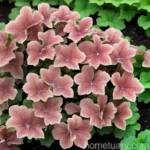
Coral Bells (Heuchera ‘Vesuvius’): A Comprehensive Guide
In the world of ornamental foliage plants, coral bells are a popular choice for gardeners and landscapers alike. Known for their colorful foliage and delicate flowers, these plants are a wonderful addition to any garden or landscape design. One particularly striking cultivar is Heuchera ‘Vesuvius’, which boasts vibrant foliage and graceful flower spikes. In this comprehensive guide, we will explore all aspects of this captivating perennial, from its cultural requirements to its propagation techniques. Whether you are a seasoned gardener or just starting out, join us as we delve into the fascinating world of coral bells.
What is Plant: Coral Bells (Heuchera ‘Vesuvius’)?
Coral bells, also known as Heuchera, are a genus of herbaceous perennial plants native to North America. They are renowned for their stunning foliage, which comes in a wide array of colors ranging from deep burgundy to bright lime green. Additionally, coral bells produce delicate, airy flowers that rise above the foliage on slender stalks, adding a touch of elegance to the plant.
One particularly captivating cultivar within the Heuchera genus is ‘Vesuvius’. This variety is cherished for its striking foliage, which showcases rich, ruby-red tones that bring a pop of color to any garden setting. The unique coloration of the leaves, combined with the graceful flower spikes, makes Heuchera ‘Vesuvius’ a standout choice for gardeners and landscapers seeking to add visual interest and vibrancy to their outdoor spaces.
Key Takeaways – Coral Bells (Heuchera ‘Vesuvius’)
Before we delve into the detailed aspects of Heuchera ‘Vesuvius’, let’s take a look at some key takeaways that highlight its important characteristics and considerations:
- Coral bells plant
- Known for its colorful foliage and delicate flower spikes.
- Heuchera Vesuvius
- A captivating cultivar with striking ruby-red foliage.
- Heuchera cultivar
- ‘Vesuvius’ is a distinct variety within the Heuchera genus.
- Coral bells foliage
- Displays a range of vibrant colors, adding visual interest to the garden.
- Coral bells flowers
- Graceful flower spikes rise above the foliage, enhancing the plant’s aesthetic appeal.
- Heuchera varieties
- Offer a wide selection of colors and forms, catering to diverse garden preferences.
- Coral bells perennial
- As perennial plants, coral bells return year after year, providing long-term beauty.
- Evergreen coral bells
- Some varieties maintain their foliage throughout the year, offering year-round interest.
- Coral bells for shade
- Ideal for shaded garden areas, adding color to traditionally darker spaces.
- Ruby red coral bells
- ‘Vesuvius’ features eye-catching, ruby-red leaves that stand out in the garden.
- Heuchera Vesuvius care
- Requires appropriate cultural practices to thrive and display its best attributes.
- Coral bells landscaping
- Versatile plants suitable for various landscaping applications and designs.
The above takeaways provide a snapshot of the unique and diverse qualities of Heuchera ‘Vesuvius’, setting the stage for a more in-depth exploration of this captivating cultivar.
Culture
Understanding the cultural requirements of Heuchera ‘Vesuvius’ is essential for fostering its optimal growth and health. From soil preferences to watering habits, let’s explore the cultural considerations that contribute to the successful cultivation of this stunning plant.
Uses
Heuchera ‘Vesuvius’ can be utilized in various capacities within garden and landscape settings. Its vibrant foliage and delicate flowers make it an excellent choice for the following uses:
- Garden Beds and Borders: Plant ‘Vesuvius’ in garden beds or along borders to add a splash of color and visual interest.
- Containers and Planters: The striking foliage of ‘Vesuvius’ makes it an ideal option for container gardening, whether in standalone pots or mixed planters.
- Rock Gardens: Incorporate ‘Vesuvius’ into rock garden designs to introduce vibrant foliage and delicate flowers to the rocky landscape.
- Shade Gardens: Due to its shade tolerance, ‘Vesuvius’ is well-suited for shaded garden areas, where it can thrive and enliven darker spaces.
By considering the diverse uses of Heuchera ‘Vesuvius’, gardeners and landscapers can strategically incorporate this captivating cultivar into their outdoor environments.
Water
Proper watering is crucial for the health and vitality of Heuchera ‘Vesuvius’. While these plants are considered relatively drought-tolerant once established, they still benefit from consistent moisture, especially during periods of heat or dryness. Here are some tips for watering ‘Vesuvius’:
- Establishment Period: During the initial growth phase, ensure that ‘Vesuvius’ receives regular watering to support root establishment.
- Moisture Levels: Aim to maintain moderately moist soil, avoiding both waterlogged conditions and extended dryness.
- Mulching: Apply a layer of mulch around the base of the plant to help retain soil moisture and protect the roots, particularly in warmer climates.
- Watering Schedule: Adjust the frequency of watering based on environmental conditions, such as temperature and rainfall patterns.
By providing appropriate water management, gardeners can promote the overall well-being of Heuchera ‘Vesuvius’ and sustain its vibrant foliage throughout the growing season.
Sunlight
The sunlight requirements of Heuchera ‘Vesuvius’ play a significant role in determining its growth and appearance. While known for their shade tolerance, coral bells, including ‘Vesuvius’, still benefit from some exposure to dappled sunlight or partial shade. Consider the following sunlight-related aspects:
- Light Conditions: Choose garden locations that offer partial shade or filtered sunlight, particularly in regions with intense heat or sun.
- Morning Sun: Morning sunlight is generally favorable for ‘Vesuvius’, providing the plant with gentle illumination before the day’s peak heat.
- Afternoon Shade: Shield ‘Vesuvius’ from the harsh afternoon sun, as prolonged exposure to intense sunlight may cause leaf scorch in some instances.
Understanding the nuanced interplay between sunlight and shade is essential for creating an optimal growing environment for Heuchera ‘Vesuvius’.
Fertilizer
Fertilizing ‘Vesuvius’ is an important aspect of its care regimen, as it ensures that the plant receives essential nutrients for robust growth and vivid foliage coloration. When selecting a fertilizer and determining an appropriate fertilization schedule, consider the following recommendations:
- Balanced Fertilizer: Choose a balanced, slow-release fertilizer formulated for flowering perennials or ornamental foliage plants.
- Timing**: Apply fertilizer in early spring as new growth emerges, and consider a supplemental application in midsummer to sustain vitality through the growing season.
- Dosage: Follow the manufacturer’s guidelines for the appropriate amount of fertilizer to apply, and avoid over-fertilization, which can lead to excessive foliage at the expense of flower production.
- Soil Test: Conduct a soil test to determine nutrient levels and pH, which can inform fertilizer selection and application frequency.
By implementing a targeted fertilization protocol, gardeners can support the vigor and visual appeal of Heuchera ‘Vesuvius’, enhancing its performance in the garden.
Soil
The soil preferences of Heuchera ‘Vesuvius’ directly impact its overall health and vitality, making it crucial to select and prepare suitable planting sites with the following considerations in mind:
- Well-Draining Soil: ‘Vesuvius’ thrives in well-draining soil that prevents waterlogged conditions, which can lead to root rot and other issues.
- Organic Matter: Incorporate organic matter, such as compost or well-rotted manure, into the soil to enhance its structure, fertility, and moisture retention.
- Soil pH: Aim for a slightly acidic to neutral soil pH range, ideally between 6.0 and 7.0, to support nutrient availability and root health.
- Soil Amendments: Consider the addition of perlite or coarse sand to improve drainage in heavy or clay-rich soils, promoting aeration and root development.
By creating an optimal soil environment tailored to the needs of Heuchera ‘Vesuvius’, gardeners can establish a strong foundation for the plant’s growth and longevity.
Pruning
Pruning plays a part in maintaining the vigor and appearance of Heuchera ‘Vesuvius’, helping to manage spent flower stalks and rejuvenate the plant as needed. Consider the following guidelines for pruning ‘Vesuvius’:
- Deadheading: Remove faded or spent flower spikes promptly to encourage continued flowering and prevent the plant from expending energy on seed production.
- Crown Cleanup: In early spring, trim back any damaged or withered foliage from the previous growing season to promote fresh growth and tidy appearance.
- Division: Every few years, consider dividing mature clumps of ‘Vesuvius’ to prevent overcrowding and rejuvenate the plant, with early spring being an ideal time for this task.
- Sterilization: Use clean, sharp pruners or scissors when pruning ‘Vesuvius’ to minimize the risk of disease transmission and promote clean cuts that facilitate healing.
By incorporating appropriate pruning techniques into the care routine for Heuchera ‘Vesuvius’, gardeners can help the plant maintain its vitality and visual appeal.
Propagation
Propagation methods offer opportunities to expand Heuchera ‘Vesuvius’ populations, whether for personal use or sharing with fellow gardening enthusiasts. Explore the following propagation techniques that are applicable to this captivating cultivar:
- Division: Divide mature clumps of ‘Vesuvius’ in early spring, lifting the plant carefully and separating the crown and roots into multiple sections before replanting them in desired locations.
- Leaf Cuttings: Harvest healthy, mature leaves from ‘Vesuvius’ and root them in a suitable propagation medium, providing consistent moisture and indirect light until new plants develop.
- Seed Propagation: While it is a less common method for ‘Vesuvius’, collecting and sowing seeds from mature plants can yield new individuals, with germination typically occurring within a few weeks to a couple of months.
By exploring diverse propagation avenues, gardeners can expand their collection of Heuchera ‘Vesuvius’ and potentially introduce others to the charm of this captivating cultivar.
Container Popularity
The versatile nature of Heuchera ‘Vesuvius’ makes it well-suited for container gardening, offering an array of opportunities for decorative arrangements and space-conscious plantings. Consider the following aspects that contribute to the popularity of ‘Vesuvius’ in containers:
- Foliage Display: The vibrant foliage of ‘Vesuvius’ serves as a focal point in container compositions, whether displayed alone or as part of mixed plantings.
- Portability: Containers allow ‘Vesuvius’ to be relocated as needed to optimize light exposure, mitigate temperature extremes, or refresh outdoor living spaces.
- Design Versatility: ‘Vesuvius’ complements a variety of container styles, from traditional terracotta pots to modern, sleek planters, facilitating diverse design preferences.
By embracing the container popularity of Heuchera ‘Vesuvius’, gardeners can creatively incorporate this captivating cultivar into their outdoor living spaces, regardless of garden size or layout.
Container Common Diseases
While growing ‘Vesuvius’ in containers offers numerous benefits, it is essential to remain vigilant about potential diseases that can affect the plant in this context. Understanding common container diseases enables gardeners to preemptively address and manage these issues. Some prevalent diseases include:
- Root and Crown Rot: Excessive moisture in container soil can lead to the development of root and crown rot, potentially causing wilting, yellowing foliage, and overall decline in ‘Vesuvius’.
- Powdery Mildew: Under humid conditions, powdery mildew may appear on the foliage of ‘Vesuvius’ in containers, manifesting as a white, powdery coating that compromises plant health and appearance.
- Leaf Spot: Fungal leaf spot diseases can occur in container-grown ‘Vesuvius’, causing unsightly blemishes and potentially leading to leaf drop and reduced vigor.
Awareness of common container diseases empowers gardeners to implement preventative measures and promptly address any emerging issues to safeguard the well-being of ‘Vesuvius’ in container settings.
Disease Diagnosis
Accurate diagnosis of potential diseases affecting Heuchera ‘Vesuvius’ is essential for implementing targeted management strategies and preventing further spread. Look for the following symptoms when assessing the plant’s health:
- Wilting and Decline: Noticeable wilting, drooping, or overall decline in the appearance of ‘Vesuvius’ can indicate underlying disease issues, such as root rot or vascular infections.
- Foliage Changes: Unusual discoloration, spotting, or distortion of the leaves may point to diseases such as powdery mildew, leaf spot, or rust affecting ‘Vesuvius’.
- Stem and Crown Health: Inspect the stems and crowns of ‘Vesuvius’ for signs of rot, lesions, or abnormal discoloration that could signify disease presence.
By thoroughly assessing the plant and promptly seeking professional guidance as needed, gardeners can promptly diagnose and address potential diseases impacting Heuchera ‘Vesuvius’.
Common Pests
While Heuchera ‘Vesuvius’ is generally resistant to many pests, occasional infestations can occur, impacting the plant’s health and appearance. Stay vigilant for the following common pests that may affect ‘Vesuvius’:
- Aphids: These small, sap-sucking insects may cluster on the foliage of ‘Vesuvius’, leading to distorted growth and honeydew accumulation.
- Spider Mites: Under dry, dusty conditions, spider mites can infest ‘Vesuvius’, causing stippled, discolored foliage and fine webbing.
- Snails and Slugs: These pests may feed on the leaves of ‘Vesuvius’, leaving behind ragged edges and holes, particularly in moist or shaded garden areas.
By promptly identifying and addressing potential pest issues, gardeners can protect the health and visual appeal of Heuchera ‘Vesuvius’, supporting its long-term vitality.
Botanist’s Tips
For those seeking to cultivate Heuchera ‘Vesuvius’ and harness its full ornamental potential, consider the following botanical tips and recommendations:
- Companion Planting: Pair ‘Vesuvius’ with shade-loving companions such as hostas, ferns, and woodland wildflowers to create visually dynamic and cohesive plantings.
- Mulching Considerations: Apply a layer of organic mulch around ‘Vesuvius’ to help conserve soil moisture, insulate roots, suppress weeds, and enhance the overall appearance of the planting area.
- Seasonal Interest: Embrace the seasonal changes in ‘Vesuvius’, from the emergence of new foliage in spring to the delicate flower spikes that grace the plant in summer, contributing to year-round appeal.
- Disease Resistance: Select ‘Vesuvius’ for its commendable disease resistance, particularly in comparison to other Heuchera varieties, providing peace of mind for gardeners.
By incorporating these botanist’s tips into the care and cultivation of Heuchera ‘Vesuvius’, enthusiasts can elevate their gardening experiences and maximize the potential of this captivating cultivar.
Fun Facts
Lastly, let’s explore some intriguing and noteworthy fun facts about Heuchera ‘Vesuvius’, offering a glimpse into the unique characteristics and allure of this captivating cultivar:
- Winter Interest: ‘Vesuvius’ provides year-round appeal, as the robust foliage retains its colorful display and creates striking contrasts against snow or frost in winter.
- Pollinator Attraction: The delicate flower spikes of ‘Vesuvius’ allure pollinators such as bees and butterflies, contributing to ecosystem health and garden vitality.
- Deer Resistance: ‘Vesuvius’ exhibits commendable tolerance to browsing by deer, making it a suitable choice for gardens where deer presence is a concern.
- Mixed Border Impact: Incorporating ‘Vesuvius’ into mixed borders can enrich the overall composition, adding vibrant color and textural contrast to neighboring plants.
These fun facts offer a deeper appreciation for the unique attributes and contributions of Heuchera ‘Vesuvius’, enhancing the allure of this captivating cultivar in garden and landscape settings.
Links to External Resources
For additional information, inspiration, and resources related to Heuchera ‘Vesuvius’, consider exploring the following external links:
- Royal Horticultural Society: Heuchera ‘Vesuvius’
- Missouri Botanical Garden: Heuchera
- The Spruce: Coral Bells Plant Profile
- Fine Gardening: Heuchera ‘Vesuvius’
These reputable sources offer valuable insights, guidance, and imagery to enrich your understanding and appreciation of Heuchera ‘Vesuvius’ and its contributions to the gardening world.
In conclusion, Heuchera ‘Vesuvius’ stands as a captivating and resilient cultivar within the diverse and colorful realm of coral bells, offering vibrant foliage, graceful flowers, and year-round appeal. By embracing the cultural nuances, propagation techniques, and landscape applications of ‘Vesuvius’, gardeners and landscapers can elevate their outdoor spaces with the sensational presence of this captivating perennial. Whether displayed in garden beds, containers, or mixed borders, Heuchera ‘Vesuvius’ makes a lasting impression and enriches the natural tapestry of any garden or landscape it inhabits.
So, why not consider adding the enchanting charm of ‘Vesuvius’ to your outdoor oasis? With its ruby-red foliage, ornamental flower spikes, and commendable resilience, this captivating cultivar stands ready to paint your garden with vibrant hues and timeless elegance. Keep exploring, cultivating, and savoring the beauty of Heuchera ‘Vesuvius’, and let its enduring allure inspire your gardening adventures for seasons to come.