Hesperaloe Parviflora (Red Yucca)
Welcome to our in-depth exploration of the Hesperaloe parviflora, commonly known as Red Yucca. This stunning plant has gained popularity as a versatile and.
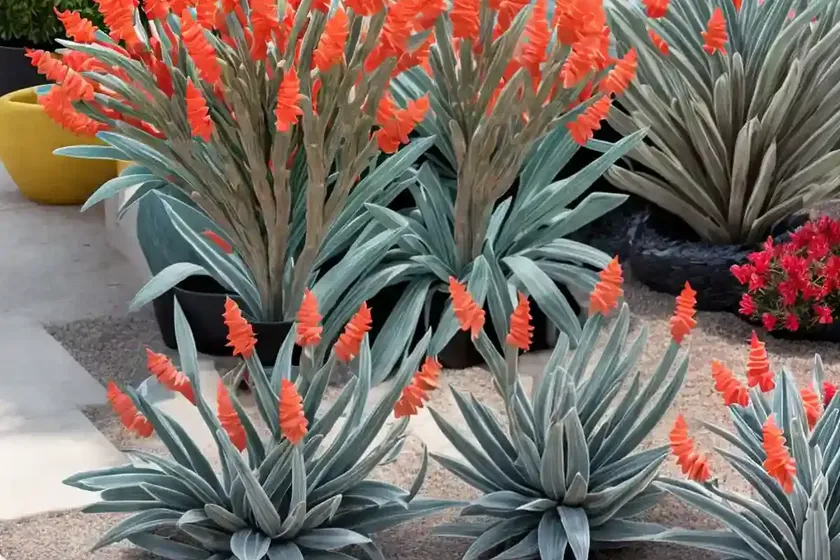
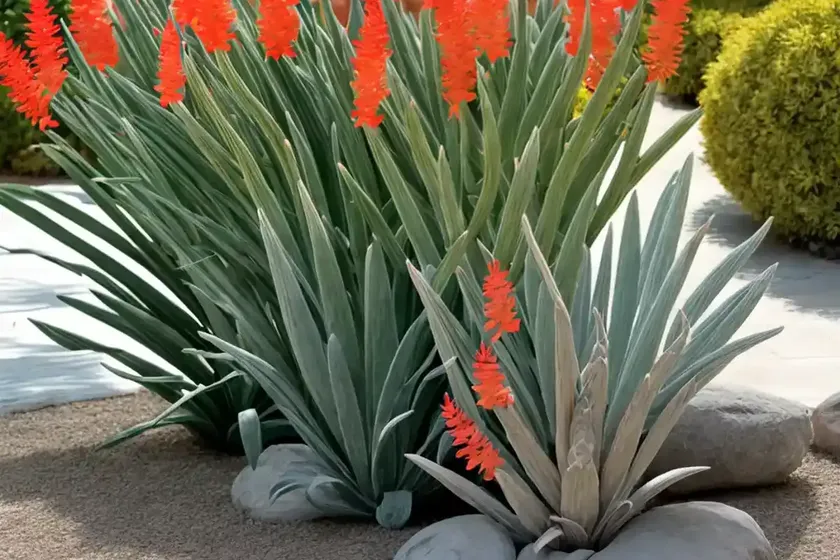
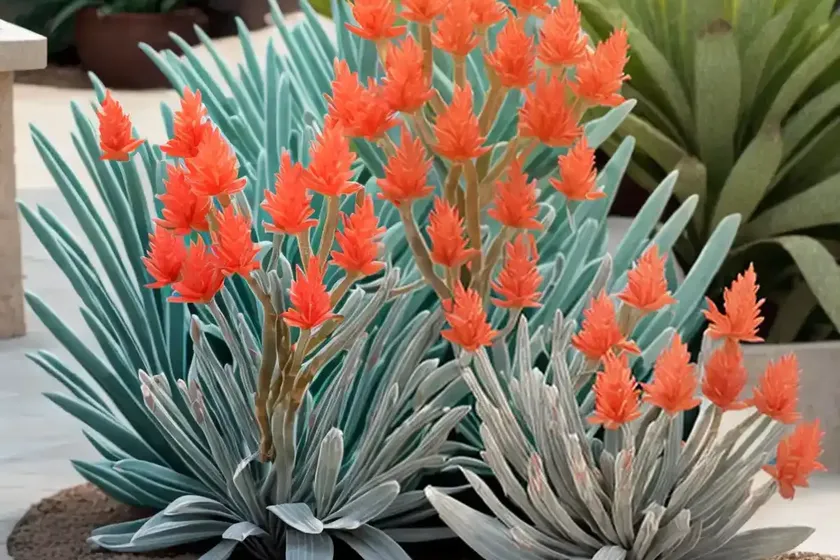
Welcome to our in-depth exploration of the Hesperaloe parviflora, commonly known as Red Yucca. This stunning plant has gained popularity as a versatile and low-maintenance addition to gardens, landscapes, and container gardens. In this guide, we will take a closer look at its characteristics, care requirements, uses, and much more.
What is Hesperaloe parviflora (Red Yucca)?
Hesperaloe parviflora, also known as Red Yucca, is a striking succulent plant native to the Chihuahuan desert in west Texas, New Mexico, and northeastern Mexico. Despite its common name, Red Yucca is neither a yucca nor a true aloe but rather a member of the Agave family. This plant stands out for its vibrant, tube-shaped flowers that bloom on tall, arching spikes, attracting hummingbirds and butterflies.
Key Takeaways – Hesperaloe parviflora (Red Yucca):
Before we delve deeper into the specifics of Red Yucca, let’s highlight the key takeaways to set the stage for our discussion:
- Red Yucca is a drought-tolerant perennial plant that produces striking red or coral flowers, making it a popular choice for landscaping and gardens.
- It is a low-maintenance plant that thrives in hot, arid conditions, requiring minimal water and attention once established.
- Red Yucca is suitable for a variety of uses, including xeriscaping, edging, and container gardening, adding aesthetic appeal and attracting wildlife to outdoor spaces.
- This plant has versatile characteristics, making it an excellent choice for both residential and commercial landscapes due to its longevity, minimal care requirements, and ornamental features.
Now, let’s explore the various aspects of Red Yucca, including its cultural requirements, uses, care guidelines, and interesting facts.
Culture of Hesperaloe parviflora (Red Yucca)
The cultural requirements of Red Yucca are crucial for ensuring its healthy growth and vibrant blooming. Understanding its specific needs regarding water, sunlight, soil, and fertilizer is essential for cultivating thriving plants.
Water
One of the most outstanding features of Red Yucca is its exceptional drought tolerance once established. The plant has adapted to arid conditions and therefore requires minimal watering, making it an ideal choice for water-wise gardening and xeriscaping. When newly planted, Red Yucca may require more frequent watering until its roots are established, after which it can thrive with minimal irrigation.
Red Yucca Water Requirements:
- Established Plants: Water sparingly, as the plant is highly drought-tolerant. Water deeply, allowing the soil to dry out between waterings to avoid root rot.
- Newly Planted: Water more frequently, ensuring that the soil is well-drained to prevent waterlogging.
Sunlight
Red Yucca flourishes in full sun, reveling in the intense heat and light of sunny environments. When planted in locations with insufficient sunlight, the plant may become leggy and fail to produce an abundance of vibrant flowers.
Red Yucca Sun Exposure:
- Optimal Conditions: Full sun locations with at least 6-8 hours of direct sunlight per day.
- Shade Tolerance: While tolerant of some light shade, Red Yucca performs best in sunny, open spaces.
Fertilizer
As a desert plant, Red Yucca has evolved to thrive in nutrient-poor soils, requiring minimal fertilization. Excessive fertilization can lead to excessive foliage growth at the expense of flowering.
Red Yucca Fertilization Guidelines:
- Frequency: Apply a balanced, slow-release fertilizer sparingly in spring if necessary, following the manufacturer’s recommendations.
- Minimal Nutrient Needs: Avoid excessive fertilization, as Red Yucca thrives in lean, well-draining soils.
Soil
Red Yucca prefers well-draining, sandy or gravelly soils, mirroring its native desert habitat. Heavy, water-retentive soils can lead to root rot and other moisture-related issues.
Ideal Soil Conditions for Red Yucca:
- Drainage: Ensure excellent drainage to prevent waterlogging, especially in regions with high rainfall.
- Texture: Sandy or rocky soils are ideal, offering the proper balance between water retention and drainage.
Pruning Hesperaloe parviflora (Red Yucca)
Pruning is minimal with Red Yucca, primarily focused on the removal of spent flower stalks and dead leaves to maintain a tidy appearance and encourage new growth.
Red Yucca Pruning Guidelines:
- Remove Spent Flower Stalks: Trim back the flower stalks after blooming to tidy up the plant and encourage a new round of blooms.
- Dead Leaf Removal: Periodically remove any dead or damaged leaves to keep the plant looking its best and prevent the risk of disease.
Propagation of Red Yucca
Red Yucca can be propagated from seeds or divisions, with each method offering its advantages and considerations.
Methods of Propagating Red Yucca:
- Seeds: Germinate seeds in well-draining, sandy soil mix, maintaining warmth and moisture until seedlings emerge.
- Divisions: Divide mature plants, ensuring that each division has a healthy portion of rhizome and foliage for successful establishment.
Red Yucca in Containers
Red Yucca is well-suited for container gardening, adding ornamental interest to outdoor spaces, patios, and balconies. When grown in containers, it adapts well to various types of potting mixes and requires minimal maintenance.
Container Requirements for Red Yucca:
- Drainage: Choose containers with drainage holes to prevent waterlogging and ensure proper soil aeration.
- Potting Mix: Use a well-draining cactus or succulent potting mix or amend standard potting soil with coarse sand or perlite.
- Size: Opt for a container that accommodates the mature size of the plant, providing ample room for root development.
Popularity of Red Yucca
The striking appearance, low-maintenance nature, and adaptability of Red Yucca have contributed to its growing popularity in landscapes, gardens, and container designs. Gardeners and landscapers are increasingly drawn to this plant for its drought tolerance, long flowering period, and ability to thrive in challenging environmental conditions.
Red Yucca in Landscapes
When used in landscapes, Red Yucca offers a visually striking focal point, particularly during its blooming season. Its architectural form, vibrant flowers, and minimal care requirements make it a desirable choice for modern and xeriscape designs.
Red Yucca in Landscape Design:
- Drought-Tolerant Landscapes: Incorporate Red Yucca in arid, water-wise landscape designs, complementing other drought-tolerant species.
- Xeriscaping: Use Red Yucca to create visually appealing, low-water landscapes, combining it with other succulents, ornamental grasses, and arid-adapted plants.
Red Yucca in Container Designs
In container designs, Red Yucca adds an exotic and sculptural element, creating focal points on patios, decks, and other outdoor spaces. Its adaptability to container cultivation makes it a versatile choice for adding visual interest and a touch of the desert to outdoor areas.
Container Design Ideas with Red Yucca:
- Minimalist Designs: Use Red Yucca as a standalone feature in modern, minimalist containers for a sleek and contemporary look.
- Mixed Container Plantings: Combine Red Yucca with other drought-tolerant plants, ornamental grasses, or succulents to create diverse and visually appealing container compositions.
Common Diseases of Red Yucca
Red Yucca is generally resistant to most pests and diseases due to its natural resilience and adaptation to arid environments. However, certain issues, including fungal infections and root rot, can occur if its growing conditions are not optimal.
Disease Diagnosis and Prevention
When encountering issues with Red Yucca, proper diagnosis and timely intervention are crucial for preventing the spread of diseases and ensuring the plant’s health.
Common Diseases of Red Yucca:
- Root Rot: Caused by waterlogged soil or poor drainage, leading to the decay of the plant’s roots.
- Fungal Infections: Particularly prevalent in humid conditions, manifesting as leaf spot or other visible symptoms.
Preventative Measures:
- Optimal Drainage: Ensure the soil provides excellent drainage to prevent waterlogging and subsequent root rot.
- Air Circulation: Create an environment with good air circulation to deter the development of fungal diseases.
Common Pests Affecting Red Yucca
As a native desert plant, Red Yucca has evolved to develop defenses against most pests. Nonetheless, certain pests, such as aphids and scale insects, may occasionally target the plant.
Identifying and Treating Pest Infestations:
- Aphids: Monitor for aphid infestations, treating with insecticidal soap if populations become problematic.
- Scale Insects: Address scale insect infestations promptly by physically removing the pests or using horticultural oil sprays.
Botanist’s Tips for Growing Healthy Red Yucca
Drawing on scientific knowledge and botanical expertise, the following tips are designed to aid in the successful cultivation of Red Yucca, enhancing its vigor and ornamental appeal.
Botanical Tips for Red Yucca Cultivation:
- Adequate Drainage: Emphasize the importance of well-draining soil and containers to prevent water-related issues.
- Minimal Watering: Encourage water-wise practices and stress the drought tolerance of Red Yucca for successful cultivation.
- Optimal Sunlight: Highlight the necessity of full sun exposure for robust growth, flowering, and overall plant health.
Now that we have explored the cultural and care aspects of Red Yucca, let’s uncover some interesting fun facts about this charismatic plant.
Fun Facts About Red Yucca
- Red Yucca is not a true yucca or an aloe but belongs to the Agave family, showcasing its unique botanical characteristics.
- Despite its common name, Red Yucca is not a true red; the flowers range from coral pink to salmon, adding subtle variations to its ornamental appeal.
- The striking flower spikes of Red Yucca can reach heights of 4-6 feet, creating a remarkable visual impact in garden settings.
- Hummingbirds are particularly drawn to the nectar-rich flowers of Red Yucca, adding an element of wildlife attraction to its ornamental value.
- Red Yucca is a long-lived perennial plant, with individual rosettes persisting for many years, exemplifying its resilience and longevity.
Links to External Resources
To further enrich your understanding of Hesperaloe parviflora (Red Yucca), explore the following links to valuable external resources:
- Growing Red Yucca in the Landscape
- Red Yucca Care and Growing Tips
- Hesperaloe parviflora – Red Yucca
Incorporating Red Yucca into your landscape or container gardens can enhance the aesthetic appeal while promoting xeriscaping and drought-tolerant gardening practices. As you explore the possibilities of incorporating this versatile plant into your outdoor spaces, remember the importance of its cultural requirements, including water, sunlight, soil, and minimal maintenance.
Whether you are attracted to its vibrant flowers, low-maintenance nature, or drought tolerance, Red Yucca stands out as a unique and valuable addition to modern landscapes and gardens. With the knowledge and insights gained from this comprehensive guide, you are well-equipped to cultivate thriving Red Yucca plants and elevate the visual appeal of your outdoor environments.
Remember, successful gardening with Red Yucca is not only about cultivating plants but also about creating sustainable, harmonious outdoor spaces that celebrate the natural beauty and resilience of arid-adapted species.
Happy gardening, and may your landscapes bloom with the striking beauty of Hesperaloe parviflora, the captivating Red Yucca!
[References]