Hemerocallis ‘Strawberry Candy’ (Reblooming Daylily)
Hemerocallis, commonly known as daylilies, are renowned for their captivating beauty, vibrant colors, and robust nature. Among the diverse array of daylily.
Hemerocallis, commonly known as daylilies, are renowned for their captivating beauty, vibrant colors, and robust nature. Among the diverse array of daylily cultivars, the Hemerocallis ‘Strawberry Candy’ stands out for its exceptional reblooming characteristics, making it a favorite amongst gardening enthusiasts. In this comprehensive guide, we will delve into the key facets of the Hemerocallis ‘Strawberry Candy’, including its culture, uses, care requirements, propagation, common diseases, and more. Whether you are a seasoned gardener or a novice plant enthusiast, this article aims to equip you with valuable insights and tips to ensure the successful cultivation of this stunning daylily variety.
Key Takeaways – Hemerocallis ‘Strawberry Candy’ (Reblooming Daylily)
Before delving into the specifics of the Hemerocallis ‘Strawberry Candy’, let’s highlight the key takeaways:
- Plant Name: Hemerocallis ‘Strawberry Candy’ (Reblooming Daylily)
- Cultivar Type: Hemerocallis hybrid
- Common Name: Strawberry Candy Daylily
- Key Characteristics: Reblooming nature, vibrant coloration, and captivating blooms
- Cultural Uses: Ornamental landscaping, container gardening
- Notable Traits: Disease resistance, low maintenance requirements
- Sunlight Requirements: Full to partial sunlight
- Watering Needs: Moderate
- Soil Type: Well-draining, fertile soil
- Fertilization: Balanced fertilizer application
- Propagation: Division, seed propagation
- Pruning: Deadheading spent blooms
- Container Gardening: Well-suited for containers
- Popularity: Widely favored for its reblooming attributes and aesthetic appeal
- Common Diseases: Resistant to many common daylily diseases
- Pests: Minimal susceptibility to pests
- Companion Plants: Compatible with various perennials and ornamental grasses
- Growing Season: Spring and summer blooming, with intermittent blooms in fall
- Landscape Use: Borders, mass plantings, rock gardens, and mixed perennial beds
Now, let’s explore each of these aspects in detail to gain a comprehensive understanding of the Hemerocallis ‘Strawberry Candy’ and its optimal care requirements.
What is Hemerocallis ‘Strawberry Candy’?
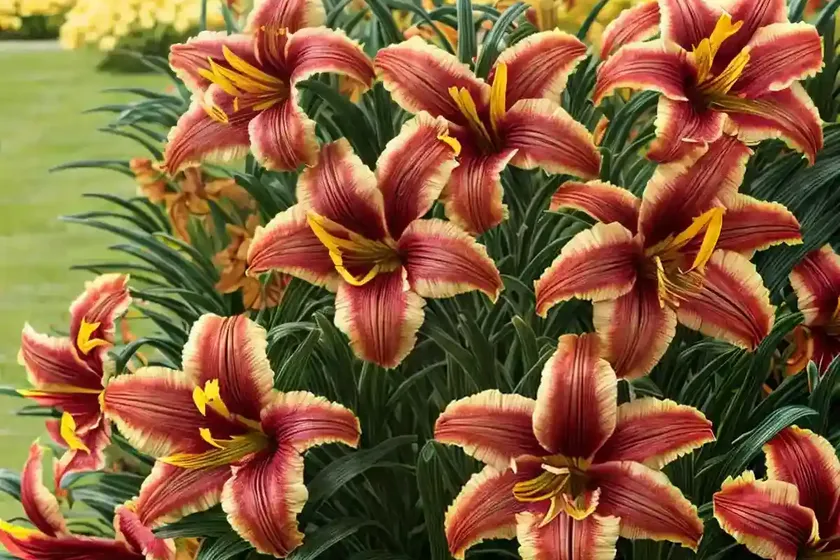
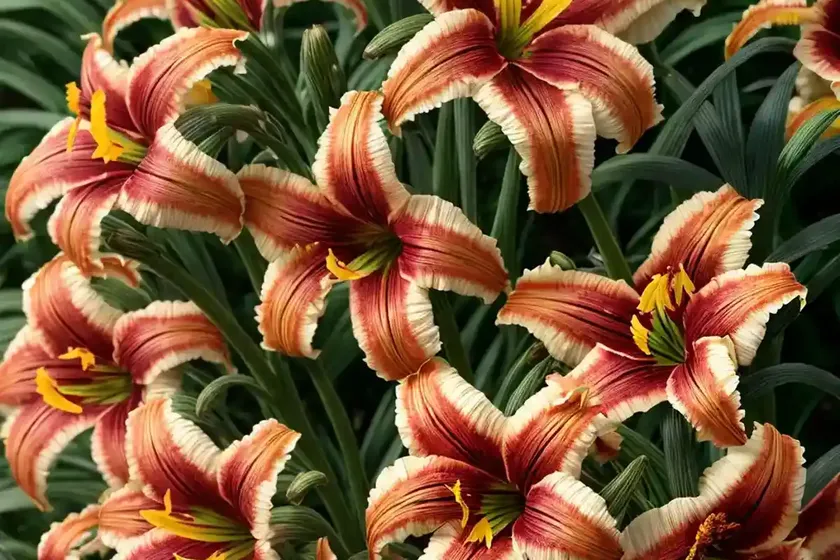
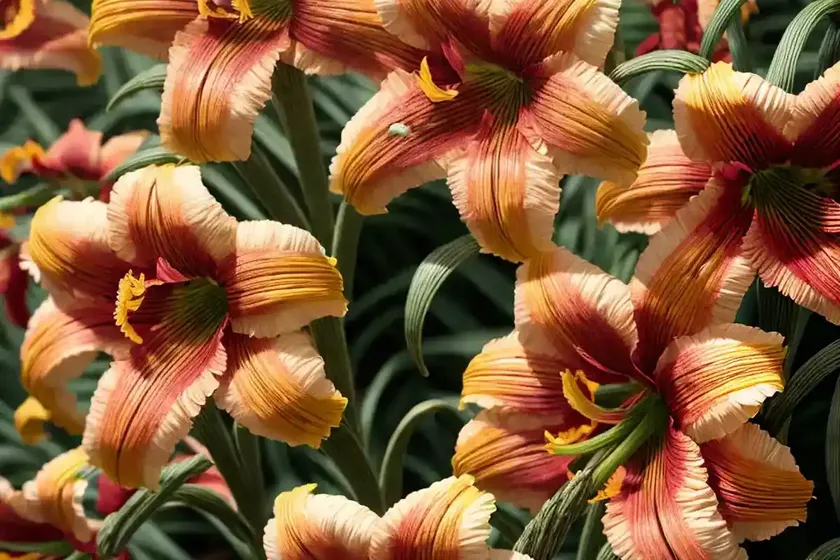
The Hemerocallis ‘Strawberry Candy’ is a charming daylily cultivar known for its resplendent display of blooms and remarkable reblooming capabilities. As a hybrid of the Hemerocallis genus, this cultivar boasts vibrant, ruffled flowers that exhibit a delightful blend of pink and yellow hues. The name “Strawberry Candy” aptly encapsulates the captivating coloration and sweet charm of this daylily variety.
Botanical Classification
- Genus: Hemerocallis
- Species: Hybrid cultivar
- Cultivar Name: ‘Strawberry Candy’
- Family: Asphodelaceae
- Common Name: Reblooming Daylily
- Hardiness Zone: 3-9
- Bloom Time: Late spring to early summer, with intermittent blooms in fall
- Mature Height: 18-24 inches
- Mature Spread: 18-24 inches
- Growth Habit: Clumping, grass-like foliage with slender, arching scapes bearing multiple blooms
- Foliage: Linear, strap-like leaves with a deep green hue
- Flowers: Large, ruffled, trumpet-shaped blooms with a prominent eyezone
Characteristics
The Hemerocallis ‘Strawberry Candy’ exhibits an array of distinguishing characteristics that contribute to its allure and desirability:
- Reblooming Nature: One of the most coveted traits of this cultivar is its ability to rebloom intermittently, thereby extending the duration of its floral display.
- Coloration: The blooms of ‘Strawberry Candy’ feature a mesmerizing blend of pink and yellow tones, evoking the image of luscious strawberry confections.
- Disease Resistance: This daylily cultivar demonstrates robust resistance to many common daylily diseases, rendering it a reliable and low-maintenance addition to garden landscapes.
- Hardiness: The ‘Strawberry Candy’ cultivar exhibits excellent adaptability to various growing conditions, including diverse climates and soil types.
- Landscape Versatility: With its moderate height and clumping growth habit, ‘Strawberry Candy’ is well-suited for diverse landscape applications, from borders to mixed perennial beds.
With these key attributes in mind, it becomes evident why the Hemerocallis ‘Strawberry Candy’ holds a position of distinction in the realm of daylily cultivars. Now, let’s delve into the specific cultural requirements and care guidelines for cultivating this stunning daylily variety.
Culture
The successful cultivation of Hemerocallis ‘Strawberry Candy’ hinges upon understanding and accommodating its specific cultural needs, spanning aspects such as water, sunlight, soil, and fertilizer. By providing an optimal growing environment, gardeners can facilitate the prolific growth and blooming of this captivating daylily cultivar.
Uses
The Hemerocallis ‘Strawberry Candy’ is primarily valued for its ornamental uses, contributing to the aesthetic appeal and visual interest of garden landscapes. Some of its common uses include:
- Ornamental Landscaping: ‘Strawberry Candy’ serves as an enchanting addition to perennial borders, rock gardens, and mixed perennial beds. Its vibrant blooms and lush foliage contribute to the visual diversity of the landscape.
- Container Gardening: The moderate size and clumping growth habit of ‘Strawberry Candy’ make it well-suited for container cultivation, adding a touch of elegance to patio displays and garden accents.
Now, let’s explore the specific cultural requirements essential for nurturing the Hemerocallis ‘Strawberry Candy’ to its full potential.
Water
Proper watering is essential for fostering healthy growth and prolific blooming in daylilies, including the ‘Strawberry Candy’ cultivar. While daylilies are relatively resilient and drought-tolerant once established, consistent moisture is crucial, particularly during the active growing and blooming seasons.
Watering Guidelines:
- Establishment Phase: During the initial establishment period after planting or transplanting, provide generous, consistent moisture to encourage robust root development. This phase is critical for ensuring the plant’s ability to withstand dry spells in the future.
- Active Growth and Blooming: Throughout the spring and summer blooming period, maintain a regular watering schedule to sustain healthy growth and prolific flowering. Aim to water deeply, allowing the soil to remain evenly moist but not waterlogged.
- Fall Watering: While ‘Strawberry Candy’ exhibits intermittent blooms in the fall, it is essential to continue watering until the approach of the dormant season. Adequate moisture in the fall promotes the accumulation of energy reserves in the roots for the following growing season.
Sunlight
Adequate sunlight is paramount for promoting robust growth and prolific blooming in daylilies, and the ‘Strawberry Candy’ cultivar is no exception. Providing the optimal amount of sunlight ensures that the plants can photosynthesize efficiently and produce an abundance of vibrant blooms.
Sunlight Requirements:
- Full Sun: ‘Strawberry Candy’ thrives in full sunlight, defined as a minimum of 6-8 hours of direct sunlight per day. Placing the plants in a sunny location maximizes their flowering potential and enhances the vibrancy of the blooms.
- Partial Shade: While ‘Strawberry Candy’ prefers full sun, it can tolerate partial shade, especially in regions with intense afternoon sun or during periods of intense heat. In such cases, providing dappled shade during the hottest part of the day can prevent stress and discoloration of the foliage.
Fertilizer
Appropriate fertilization is indispensable for sustaining the vigor and blooming prowess of ‘Strawberry Candy’ daylilies, ensuring that the plants receive essential nutrients for robust growth and prolific flowering.
Fertilization Guidelines:
- Balanced Fertilizer: Apply a balanced, granular fertilizer with an NPK ratio of 10-10-10 or similar formulation in early spring, as new growth emerges. This initial application provides the necessary nutrients to support strong, healthy foliage and an abundance of flower buds.
- Midseason Feeding: During the active growth and blooming phase, consider administering a supplementary application of a water-soluble fertilizer to provide an additional boost of nutrients. This is particularly beneficial for promoting robust reblooming and sustaining the plant’s overall health.
- Avoid Excessive Nitrogen: While daylilies benefit from regular fertilization, it is crucial to avoid excessive nitrogen, which can stimulate excessive foliage growth at the expense of blooms. Opt for a balanced fertilizer to maintain a healthy balance of nutrients without promoting excessive vegetative growth.
Soil
The choice of soil and its preparation play a pivotal role in the successful cultivation of daylilies, including the Hemerocallis ‘Strawberry Candy’. By ensuring the presence of well-draining, fertile soil, gardeners can foster robust root development and vibrant blooming in this captivating daylily variety.
Soil Requirements:
- Well-Draining Soil: ‘Strawberry Candy’ thrives in well-draining soil that prevents the accumulation of excess moisture around the roots. Amending heavy or compacted soil with organic matter such as compost or aged manure aids in improving drainage and enhancing soil structure.
- Fertile Soil: Enrich the planting area with organic matter to enhance fertility and provide a reservoir of nutrients for the plants. Incorporating compost or well-rotted manure into the soil promotes optimal root development and sustains vigorous growth.
Now that we have established the cultural requirements for nurturing the Hemerocallis ‘Strawberry Candy’, let’s examine additional aspects including pruning, propagation, and common diseases to ensure comprehensive care and maintenance of this captivating daylily variety.
Pruning
Pruning is a fundamental aspect of daylily maintenance, contributing to the plant’s overall health, appearance, and blooming performance. By incorporating regular pruning practices, gardeners can optimize the aesthetic appeal and reblooming capabilities of the Hemerocallis ‘Strawberry Candy’.
Pruning Techniques:
- Deadheading Blooms: Promptly remove spent blooms from the ‘Strawberry Candy’ plants to encourage continuous reblooming and prevent the formation of seed pods. Deadheading redirects the plant’s energy towards producing new blooms, promoting an extended flowering period and maximizing the visual impact of the plants.
Propagation
The propagation of Hemerocallis ‘Strawberry Candy’ can be achieved through both division and seed propagation, offering gardeners the opportunity to expand their collection of this captivating daylily cultivar.
Propagation Methods:
- Division: Divide mature clumps of ‘Strawberry Candy’ every 3-4 years to rejuvenate the plants and propagate new specimens. The division process involves separating the clumps into individual sections, each containing viable roots and foliage, before replanting them in suitable locations.
- Seed Propagation: While less commonly practiced due to the variability inherent in seed-grown daylilies, ‘Strawberry Candy’ can also be propagated from seeds collected from the dried seed pods. Sow the seeds in a well-prepared seed-starting mix, providing consistent moisture and warmth to facilitate germination.
Container Gardening
The Hemerocallis ‘Strawberry Candy’ is well-suited for container cultivation, adding a touch of elegance and color to patios, decks, and garden spaces. When cultivating ‘Strawberry Candy’ in containers, several key considerations can optimize the plants’ performance and visual impact.
Container Gardening Tips:
- Container Selection: Choose spacious containers with adequate drainage holes to accommodate the plants’ root systems and promote optimal aeration and drainage.
- Well-Draining Potting Mix: Fill the containers with a well-draining potting mix formulated for perennial plants, ensuring that the medium retains moisture without becoming waterlogged.
- Sunlight Requirements: Place the containers in a location that receives ample sunlight, such as a south-facing patio or deck, to promote robust growth and prolific blooming.
Popularity
The Hemerocallis ‘Strawberry Candy’ stands as a popular choice amongst gardening enthusiasts, revered for its captivating blooms, reblooming nature, and low-maintenance requirements. With its striking coloration and versatility in garden landscapes, ‘Strawberry Candy’ holds a position of distinction in the realm of daylilies.
Common Diseases
‘Daylily leaf streak’ and ‘crown rot’ are among the most prevalent diseases that may affect daylilies, yet the ‘Strawberry Candy’ cultivar boasts notable resistance to these common afflictions. By prioritizing sound cultural practices and ensuring optimal growing conditions, gardeners can minimize the risk of disease development in their ‘Strawberry Candy’ plants.
Disease Diagnosis
- Daylily Leaf Streak: The symptoms of daylily leaf streak manifest as brown, elongated lesions on the foliage, often accompanied by yellowing and decline. To prevent the spread of the disease, promptly remove and dispose of affected foliage and maintain adequate spacing between plants to enhance air circulation.
- Crown Rot: Crown rot, characterized by a decaying or softening of the crown and roots, can be mitigated by ensuring well-draining soil and avoiding overwatering. If crown rot is suspected, it is advisable to lift the affected plants, assess the root health, and implement corrective measures as needed.
Common Pests
Daylilies, including the ‘Strawberry Candy’ cultivar, are relatively resistant to pests, with minimal susceptibility to infestations. Nevertheless, occasional vigilance against common garden pests is beneficial for maintaining the plants’ overall health and appearance.
Botanist’s Tips
- Seasonal Care: Adjust your care routine to accommodate the changing seasons, providing supplemental watering during periods of drought and protecting the plants from frost during the winter months.
- Routine Maintenance: Regularly inspect ‘Strawberry Candy’ plants for the presence of spent blooms, diseased foliage, or signs of pest activity, addressing any issues promptly to uphold the plants’ vitality and visual appeal.
Fun Facts
- Color Variations: While the classic ‘Strawberry Candy’ daylily exhibits a delightful blend of pink and yellow hues, subtle variations in coloration may occur due to environmental factors and genetic variability, offering a diverse array of visual expressions within the same cultivar.
- Wildlife Attraction: The vibrant blooms of ‘Strawberry Candy’ are known to attract pollinators such as bees and butterflies, enriching the garden environment and promoting biodiversity.
As a plant scientist and enthusiast, I am captivated by the boundless beauty and resilience displayed by the Hemerocallis ‘Strawberry Candy’, and I trust that this guide has equipped you with valuable insights and practical tips for cultivating and appreciating this stunning daylily cultivar in your own garden. By adhering to the outlined cultural practices, nurturing the plants with care and attention, and relishing the captivating blooms that ‘Strawberry Candy’ offers, you can embark on a rewarding journey of cultivating this timeless treasure of the garden.
I hope you found this detailed guide informative and inspiring as you embark on your gardening endeavors. For further information and resources related to daylilies, ‘Strawberry Candy’, and ornamental gardening, I encourage you to explore the following external resources:
- American Hemerocallis Society
- The Daylily Society
- University of Florida IFAS Extension: Daylilies
- Missouri Botanical Garden: Hemerocallis
With these resources at your disposal, you can continue to delve into the fascinating realm of daylilies and expand your knowledge of ‘Strawberry Candy’ and its delightful counterparts. Happy gardening!


