Hemerocallis ‘Stafford’ (Daylily)
The Hemerocallis ‘Stafford’ (Daylily) is a stunning perennial plant that is beloved by gardeners for its vibrant blooms and ease of care. In this.
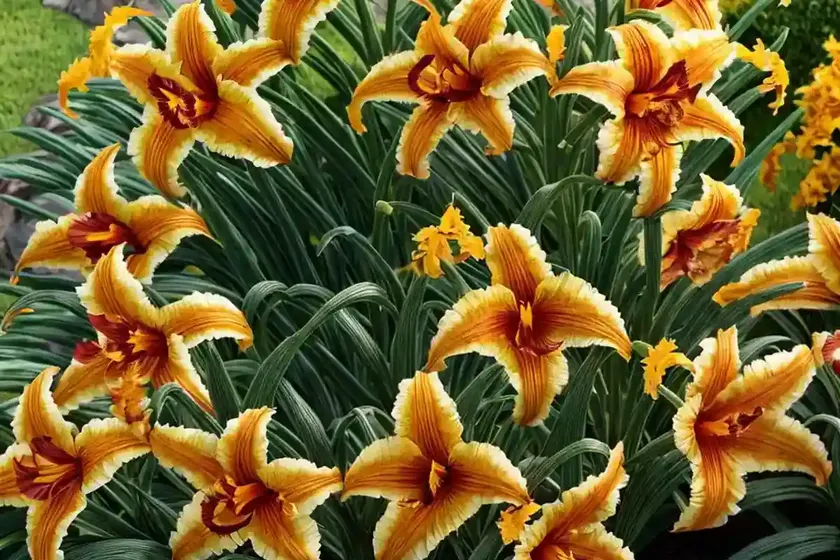
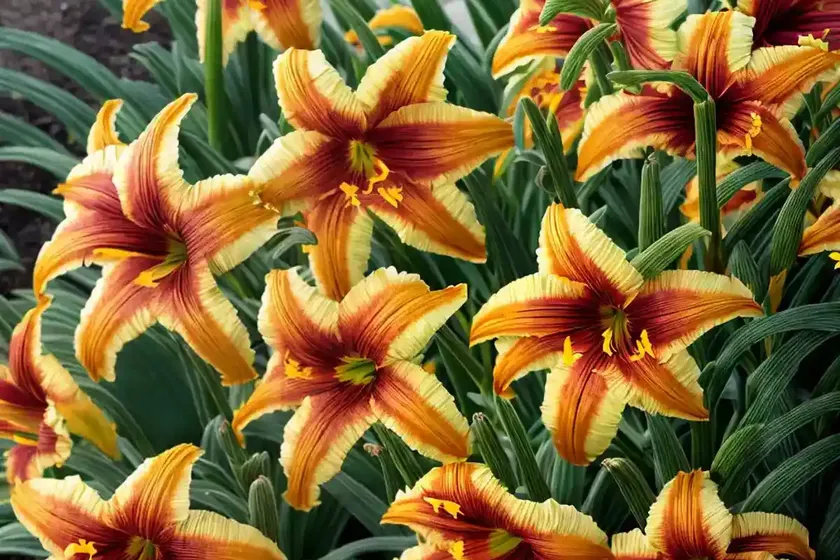
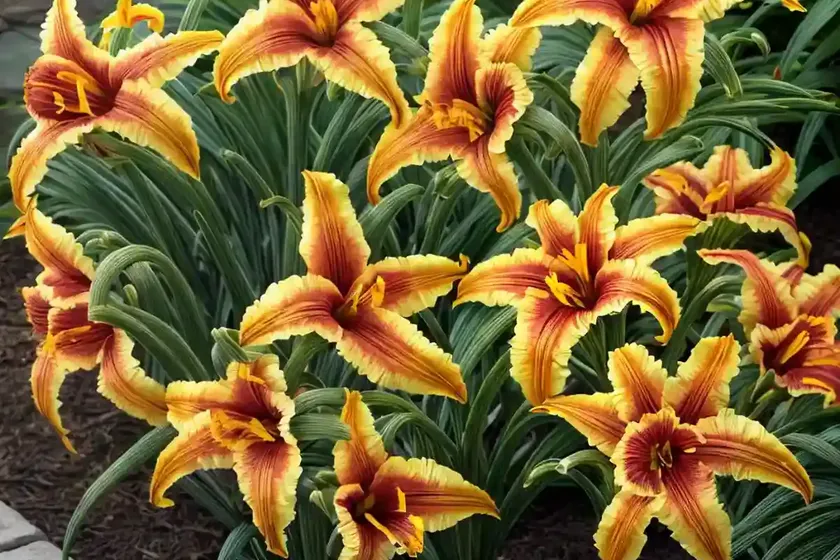
The Hemerocallis ‘Stafford’ (Daylily) is a stunning perennial plant that is beloved by gardeners for its vibrant blooms and ease of care. In this comprehensive plant guide, we will explore all aspects of this beautiful cultivar, including its cultural requirements, uses in the landscape, maintenance practices, common diseases and pests, and much more. Whether you are a seasoned gardener or new to planting, this guide will provide you with valuable insights into cultivating and appreciating the beauty of the Hemerocallis ‘Stafford’.
What is Plant : Hemerocallis ‘Stafford’ (Daylily)?
Introduction to Hemerocallis ‘Staffford’
The Hemerocallis ‘Stafford’, commonly known as the Daylily, is a striking perennial plant that belongs to the Hemerocallidaceae family. Renowned for its vibrant blooms and resilience, this cultivar is a popular choice for gardens, landscapes, and even container gardening.
The plant’s botanical name, Hemerocallis, is derived from the Greek words “hemera” and “kallos,” which collectively signify “beauty for a day.” This nomenclature is an ode to the plant’s unique blooming pattern, where individual flowers last for just one day but are abundantly produced throughout the blooming season.
The ‘Stafford’ variety of Hemerocallis is particularly esteemed for its distinct characteristics, including its showy flowers, adaptability to various growing conditions, and minimal maintenance requirements. Whether used as a focal point in garden beds, as a border plant, or as part of a mixed perennial display, the Hemerocallis ‘Stafford’ adds a splash of color and elegance to any outdoor setting.
Key Takeaways – Hemerocallis ‘Stafford’ (Daylily)
Before delving into the specific aspects of cultivating Hemerocallis ‘Stafford’, let’s take a moment to highlight the key takeaways associated with this remarkable plant.
- Scientific Name: Hemerocallis ‘Stafford’
- Common Name: Daylily
- Plant Type: Herbaceous perennial
- Flower Color: Various shades of yellow
- Blooming: Throughout the summer months
- Maintenance: Low to moderate
- Landscape Uses: Borders, mass plantings, containers
- Special Features: Showy blooms, adaptability
- Hardiness Zone: 3-9
With these key points in mind, let’s explore the specific cultural requirements, maintenance practices, and utilization of Hemerocallis ‘Stafford’ in greater detail.
Culture
Water
Proper watering is essential for the health and vitality of Hemerocallis ‘Stafford’. While these plants are relatively drought-tolerant once established, consistent moisture is crucial, especially during the growing season and periods of prolonged heat. Adequate watering encourages robust flower production and overall plant vigor.
- Watering Frequency: During the active growing season, aim to provide deep, thorough watering sessions once or twice per week, depending on natural precipitation and soil drainage.
- Soil Moisture: The soil should be evenly moist, but not waterlogged. Ensure that water penetrates deeply into the root zone to promote strong root development.
- Morning Watering: Whenever possible, water the plants in the morning to allow foliage to dry before evening, thus reducing the risk of fungal diseases.
- Mulching: Applying a layer of organic mulch around the base of the plants helps to retain soil moisture and regulate temperature, benefiting the overall health of Hemerocallis ‘Stafford’.
Sunlight
Adequate sunlight is a prerequisite for the prolific blooming of Hemerocallis ‘Stafford’. These plants thrive in sunny to partially shaded locations, displaying optimal growth and flowering when provided with the right amount of sunlight.
- Sun Requirements: Plant Hemerocallis ‘Stafford’ in an area that receives at least 6-8 hours of direct sunlight per day. In hotter climates, partial shade during the intense afternoon hours can be beneficial.
- Morning Sun: Morning sun exposure is particularly favorable, as it aids in drying the dew on the foliage, reducing the risk of foliar diseases.
- Shade Tolerance: While the plants prefer ample sunlight, they can also tolerate partial shade, especially in regions with intense heat or extended periods of high sun exposure.
Fertilizer
Appropriate fertilization contributes significantly to the growth and floral abundance of Hemerocallis ‘Stafford’. Understanding the nutritional requirements of these plants and providing balanced fertilization ensures healthy foliage and prolific flowering.
- Fertilizer Type: Utilize a balanced, slow-release fertilizer formulated for flowering perennials. An NPK ratio of 10-10-10 or similar is suitable.
- Application Timing: Apply fertilizer in early spring as new growth emerges, and once again in mid-summer to support continuous blooming.
- Avoid Excess Nitrogen: While sufficient nitrogen is essential, excessive nitrogen can lead to lush foliage at the expense of flower production. Use a balanced approach to avoid overwhelming the plants with nitrogen.
Soil
Hemerocallis ‘Stafford’ thrives in well-draining, fertile soil that provides adequate nutrient availability and aeration for the roots. Understanding the soil preferences of these plants is instrumental in facilitating their overall health and performance.
- Soil Texture: Opt for loamy, well-draining soil with a slightly acidic to neutral pH (pH 6.0-7.0) for optimal growth.
- Amending Soil: If the native soil is heavy or compacted, incorporate organic matter such as compost or well-rotted manure to improve its texture and fertility.
- Soil Testing: Periodically test the soil to assess its nutrient composition and pH, making necessary amendments based on the results.
Pruning
Pruning or deadheading spent blooms not only enhances the aesthetic appeal of Hemerocallis ‘Stafford’ but also promotes continued flower production and prevents the plants from expending energy on seed production.
- Deadheading: Regularly remove faded flowers by pinching or cutting them back to the base of the flower spike. This encourages the development of new buds and prolongs the blooming period.
- Foliage Maintenance: Remove any yellowing or damaged foliage throughout the growing season to maintain the plants’ visual appeal and overall health.
Propagation
The propagation of Hemerocallis ‘Stafford’ can be accomplished through various methods, including divisions and seed propagation. These approaches enable gardeners to expand their plantings and share the beauty of these daylilies with others.
- Division: Divide mature clumps of Hemerocallis ‘Stafford’ every 3-4 years, preferably in early spring or fall, to rejuvenate the plants and create new specimens. Use a sharp garden knife to divide the clumps, ensuring that each division has viable roots and shoots.
- Seed Propagation: While Hemerocallis ‘Stafford’ can be grown from seed, it’s essential to note that seeds may not produce true replicas of the parent plants due to cross-pollination among different varieties. If seed propagation is preferred, collect ripe seeds in late summer and sow them in a prepared seed-starting mix for germination.
Container Popularity
Hemerocallis ‘Stafford’ is well-suited for container cultivation, offering an opportunity to enjoy its vibrant blooms and lush foliage in various outdoor spaces, from patios and balconies to courtyard gardens.
- Container Size: Select a spacious container with adequate drainage holes to accommodate the mature size of the plant and promote healthy root development.
- Growing Medium: Utilize a well-draining, nutrient-rich potting mix designed for perennials and amend it with organic matter for enhanced fertility.
- Watering Considerations: Monitor the moisture level in the container and water the plant as needed, ensuring that excess water can freely drain from the container to prevent waterlogged conditions.
Uses
Landscape
The Hemerocallis ‘Stafford’ contributes to the landscape in various capacities, adding visual interest, color, and texture to garden beds, borders, and other outdoor settings.
- Border Planting: Plant Hemerocallis ‘Stafford’ along garden borders to create vibrant, continuous lines of color that are especially captivating when the plants are in full bloom.
- Mass Plantings: Utilize multiple specimens of Hemerocallis ‘Stafford’ to create eye-catching sweeps of color in expansive garden beds or meadow-like landscapes.
- Mixed Perennial Displays: Incorporate these daylilies within mixed perennial plantings to introduce striking focal points and add diversity to the overall composition.
Common Diseases
Disease Diagnosis
While Hemerocallis ‘Stafford’ is relatively resilient, they can be susceptible to certain diseases that may compromise their health and aesthetics. Understanding common diseases and their symptoms facilitates early detection and prompt management.
- Fungal Diseases: Keep an eye out for signs of fungal diseases such as leaf spot, rust, or powdery mildew, which can manifest as discolored or spotted foliage, powdery coatings, or deformities on the leaves.
- Viral Infections: Symptoms of viral diseases, such as mosaic patterns on the leaves or stunted growth, may indicate viral infections. These plants should be promptly isolated to prevent disease spread.
Common Pests
Pest Identification
Although generally resistant to pests, Hemerocallis ‘Stafford’ may encounter occasional pest infestations that can impact their growth and flowering. Vigilance and timely intervention are essential in managing pest-related issues effectively.
- Aphids: Keep an eye out for clusters of small, pear-shaped insects on the undersides of leaves, which may indicate an aphid infestation. These pests can cause distorted growth and the development of sticky honeydew on the foliage.
- Thrips: Thrips may damage flower buds and petals, leading to aesthetic impairments and reduced flower quality. Monitor the plants for signs of thrips and intervene promptly if detected.
Botanist’s Tips
Best Practices for Hemerocallis ‘Stafford’ Care
To ensure the optimal growth and longevity of Hemerocallis ‘Stafford’, it is beneficial to follow these botanist-recommended care tips:
- Adequate Air Circulation: Allow sufficient spacing between plants to promote air circulation, reducing the risk of fungal diseases and pest infestations.
- Regular Inspection: Routinely inspect the plants for signs of stress, disease, or pest activity, intervening promptly as needed to maintain their overall health.
- Mulch Application: Apply a layer of organic mulch around the base of the plants to conserve soil moisture, regulate temperature, and suppress weed growth.
Fun Facts
- The scientific name “Hemerocallis” is derived from the Greek words “hemera” and “kallos,” signifying “beauty for a day,” a reference to the transient nature of each individual flower’s bloom.
- While individual Hemerocallis ‘Stafford’ flowers last for just one day, the plants produce numerous flower buds on each scape, enabling extended blooming periods throughout the summer months.
- Hemerocallis ‘Stafford’ is not only cherished for its floral beauty but is also known for its edible flowers, which can be used to garnish salads or as floral additions to various culinary creations.
Links to External Resources
For further exploration of Hemerocallis ‘Stafford’ and related topics, the following external resources are recommended:
- American Hemerocallis Society
- Royal Horticultural Society
- University Extension Offices – Local Gardening Resources
In conclusion, Hemerocallis ‘Stafford’ (Daylily) stands as a captivating and resilient perennial plant that holds a cherished place in garden landscapes and outdoor spaces around the world. By understanding its cultural needs, maintenance practices, uses, and potential issues, gardeners can cultivate and appreciate the enduring beauty and charm of this remarkable cultivar.
Carefully tending to the needs of Hemerocallis ‘Stafford’ ensures a bountiful display of vibrant blooms and healthy, thriving plants, contributing to the allure and splendor of outdoor environments. Whether utilized as border plants, focal points, or components of mixed perennial displays, these daylilies captivate with their ephemeral yet abundant floral showcases, enriching the garden tapestry with their enduring allure.
By incorporating the insights and recommendations presented in this guide, gardeners can cultivate and enjoy the unparalleled beauty of Hemerocallis ‘Stafford’ in their own outdoor spaces, fostering a deeper appreciation for the resilience, elegance, and splendor of these beloved perennial plants.
A downloadable PDF version of the blog post titled “Hemerocallis ‘Stafford’ (Daylily): A Comprehensive Plant Guide” is available here.


