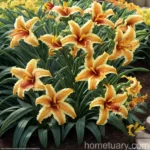
Hemerocallis ‘Spellbinder’ (Reblooming Daylily)
As a plant scientist, I am thrilled to delve into the captivating world of Hemerocallis ‘Spellbinder,’ commonly known as the Reblooming Daylily. This perennial plant is not only visually striking but also boasts fascinating characteristics that make it an ideal addition to any garden or landscape. In this comprehensive guide, we will explore the culture, uses, care requirements, and maintenance of Hemerocallis ‘Spellbinder’, along with essential tips and insights for both novice and experienced gardeners.
What is Hemerocallis ‘Spellbinder’?
Hemerocallis ‘Spellbinder’ is a mesmerizing cultivar of the popular Daylily (Hemerocallis) plant species. Daylilies are herbaceous perennials renowned for their exquisite flowers and relatively low-maintenance nature, making them a beloved choice for gardeners and landscaping enthusiasts. The ‘Spellbinder’ cultivar stands out from other Daylilies due to its enchanting reblooming feature, vibrant blossoms, and impressive adaptability to various growing conditions.
Key Takeaways – Hemerocallis ‘Spellbinder’ (Reblooming Daylily)
Before delving into the specific aspects of Hemerocallis ‘Spellbinder’, let’s first review the key takeaways about this captivating plant. This will provide a quick overview of the essential characteristics and qualities that define this remarkable cultivar.
- Plant Name: Hemerocallis ‘Spellbinder’ (Reblooming Daylily)
- Common Names: Spellbinder Daylily, Reblooming Daylily
- Variety: Hemerocallis, Daylily plant
- Characteristics: Reblooming, vibrant flowers, adaptable
- Uses: Landscaping, garden borders, cut flowers
- Cultivation: Low-maintenance, easily propagated
Now that we have an overview of Hemerocallis ‘Spellbinder’, let’s explore its culture, uses, and essential care requirements in detail.
Culture
Understanding the culture or growing conditions required for Hemerocallis ‘Spellbinder’ is essential for fostering healthy and thriving plants. This encompasses factors such as water, sunlight, soil, and fertilizer preferences, along with pruning and propagation techniques.
Uses
Landscaping
Hemerocallis ‘Spellbinder’ is often used in landscaping due to its vibrant and striking flowers. Its ability to rebloom throughout the season makes it a valuable addition to garden borders, providing continuous bursts of color and visual appeal.
Cut Flowers
The enchanting blooms of Hemerocallis ‘Spellbinder’ make it an excellent choice for cut flower arrangements. The vibrant colors and graceful form of the flowers add a touch of elegance to floral displays, making it a popular choice for floral enthusiasts.
Water
- Water Requirements: Hemerocallis ‘Spellbinder’ thrives in well-draining soil and requires regular watering, especially during the early stages of growth and flowering. Adequate moisture is essential for robust plant development and prolific blooming.
Sunlight
- Sun Requirements: This cultivar of Daylily thrives in full sun to partial shade. It is important to provide adequate sunlight for optimal flower production and overall plant vigor. In regions with hot summers, providing some afternoon shade can be beneficial to prevent stress on the plants.
Fertilizer
- Fertilization: Hemerocallis ‘Spellbinder’ benefits from a balanced fertilizer application during its active growing season. A slow-release or granular fertilizer formulated for flowering perennials can support healthy growth and abundant blooming. It is important to follow the manufacturer’s recommendations for application rates and timing.
Soil
- Soil Preferences: Well-draining, fertile soil is ideal for Hemerocallis ‘Spellbinder’. Amending the soil with organic matter such as compost can improve soil structure and fertility, providing an optimal growing environment for the plants.
Pruning
- Pruning Techniques: Removing spent flower stalks and dead foliage can enhance the appearance of the plants and promote the development of new blooms. Pruning also helps prevent the accumulation of decaying plant material, reducing the risk of disease and pest infestations.
Propagation
- Propagation Methods: Hemerocallis ‘Spellbinder’ can be propagated through division, making it an excellent choice for gardeners seeking to expand their plant collection or share the beauty of this cultivar with others. Division is typically carried out in early spring or late summer, ensuring that the divisions have sufficient time to establish themselves before the onset of winter.
Container Popularity
- Container Gardening: While Hemerocallis ‘Spellbinder’ is often grown in garden beds, it is also well-suited for container gardening. The vibrant flowers and compact growth habit of this cultivar make it an appealing choice for adding color and visual interest to patios, balconies, and other outdoor spaces.
Common Diseases
To ensure the health and longevity of Hemerocallis ‘Spellbinder’, it is important to be aware of potential diseases that may affect the plants. Although this cultivar exhibits good disease resistance, being proactive in disease prevention and management is key to maintaining robust and thriving specimens.
Disease Diagnosis
- Common Diseases: Some common diseases that may affect Daylilies, including Hemerocallis ‘Spellbinder’, include leaf streak, root rot, and crown rot. Additionally, fungal infections such as powdery mildew and rust can occasionally occur, particularly in humid or poorly ventilated environments.
Common Pests
- Pest Management: While Daylilies are relatively pest-resistant, occasional pest infestations may occur. Common pests that may affect Hemerocallis ‘Spellbinder’ include aphids, thrips, and spider mites. Regular monitoring and prompt intervention can help mitigate potential damage caused by these pests.
Botanist’s Tips
As a plant scientist, I highly recommend the following tips to ensure the optimal care and cultivation of Hemerocallis ‘Spellbinder’:
-
Adequate Watering: Ensure that the plants receive consistent moisture, particularly during the active growing and flowering periods. However, avoid overwatering, as this can lead to the development of root-related issues.
-
Sunlight Balance: While Hemerocallis ‘Spellbinder’ thrives in full sun to partial shade, it is important to strike a balance, especially in regions with intense heat. Provide afternoon shade or dappled sunlight to prevent excessive stress on the plants during hot summer days.
-
Regular Inspection: Routinely inspect the plants for signs of disease, pest infestations, or nutrient deficiencies. Early detection allows for prompt intervention and prevents potential issues from escalating.
-
Mulching: Apply a layer of organic mulch around the base of the plants to conserve soil moisture, suppress weed growth, and provide insulation during temperature fluctuations. Additionally, mulching contributes to soil enrichment as it decomposes over time.
-
Dividing Plants: Consider dividing mature clumps of Hemerocallis ‘Spellbinder’ every few years to rejuvenate the plants, promote vigorous growth, and maintain optimal flowering performance.
Fun Facts
- The name “Hemerocallis” is derived from the Greek words “hēmera,” meaning “day,” and “kalos,” meaning “beautiful,” reflecting the fleeting beauty of the individual flowers that typically last for a day.
- Daylilies are celebrated for their edible flowers, which can be used in culinary creations, such as salads and desserts. The flowers add a lovely touch of color and a mild, sweet flavor to dishes.
Now that we have explored the culture, uses, care requirements, and maintenance tips for Hemerocallis ‘Spellbinder’, let’s delve into additional resources and insights to further enhance our understanding of this captivating cultivar.
Links to External Resources
As we continue to expand our knowledge of Hemerocallis ‘Spellbinder’ and Daylilies in general, it is valuable to explore additional resources that offer in-depth information, visual inspiration, and expert insights. Below are some links to external resources that provide comprehensive perspectives on this fascinating plant and its cultivation.
-
American Hemerocallis Society – Daylily Information: The American Hemerocallis Society offers a wealth of information on Daylilies, including cultivation tips, regional guides, and a vast database of cultivars, including Hemerocallis ‘Spellbinder’.
-
Fine Gardening – Daylily Care Guide: This comprehensive guide from Fine Gardening provides practical advice on growing and caring for Daylilies, including insights on soil requirements, pruning techniques, and companion planting ideas.
-
The Daylily Hybridizer’s Corner – Hemerocallis ‘Spellbinder’: Delve into the world of Daylily hybridization and explore specific cultivars such as Hemerocallis ‘Spellbinder’ through the lens of dedicated hybridizers and enthusiasts.
-
Royal Horticultural Society – Hemerocallis Cultivation: The Royal Horticultural Society offers an in-depth guide to growing and caring for Hemerocallis, encompassing essential aspects such as planting, propagation, and maintenance.
-
University of Florida IFAS Extension – Daylilies in Florida Gardens: Explore insights specifically tailored to Daylily cultivation in Florida, including considerations for optimal performance in the region’s unique climate and soil conditions.
By immersing ourselves in these valuable resources, we can enrich our understanding of Hemerocallis ‘Spellbinder’ and gain a deeper appreciation for the diverse world of Daylilies.
In conclusion, Hemerocallis ‘Spellbinder’ stands as a captivating and versatile cultivar within the realm of Daylilies, offering reblooming beauty, adaptability, and myriad possibilities for gardeners and landscape enthusiasts. By embracing the culture, uses, and essential care requirements of this exceptional plant, we can foster thriving specimens that elevate the charm and visual allure of outdoor spaces. With a blend of scientific insights, practical tips, and an appreciation for the enchanting qualities of Hemerocallis ‘Spellbinder’, we can embark on a rewarding journey of growth, discovery, and botanical wonder.
Reference Links:
– American Hemerocallis Society – Daylily Information
– Fine Gardening – Daylily Care Guide
– The Daylily Hybridizer’s Corner – Hemerocallis ‘Spellbinder’
– Royal Horticultural Society – Hemerocallis Cultivation
– University of Florida IFAS Extension – Daylilies in Florida Gardens