Hydrangea Quercifolia ‘Sike’s Dwarf’ (Oak Leaf Hydrangea)
Hydrangea quercifolia ‘Sike’s Dwarf’, commonly known as Oak Leaf Hydrangea, is a stunning flowering shrub that belongs to the Hydrangeaceae family. With.
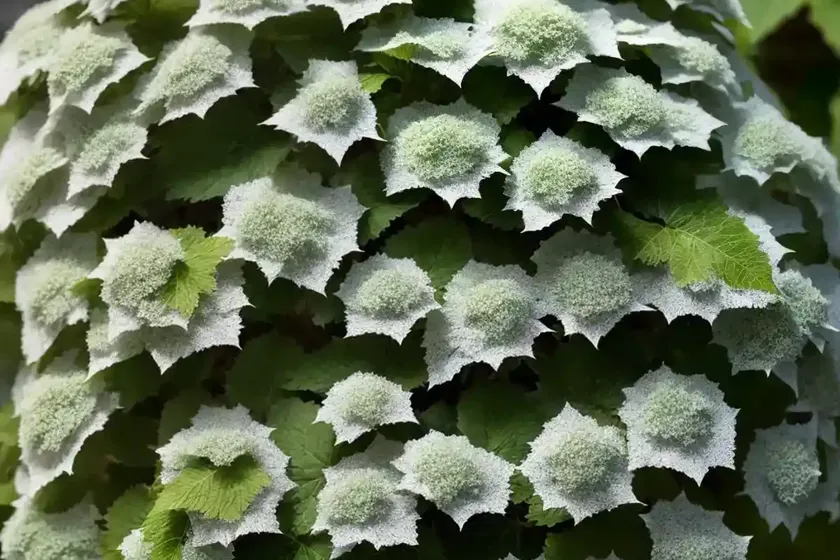
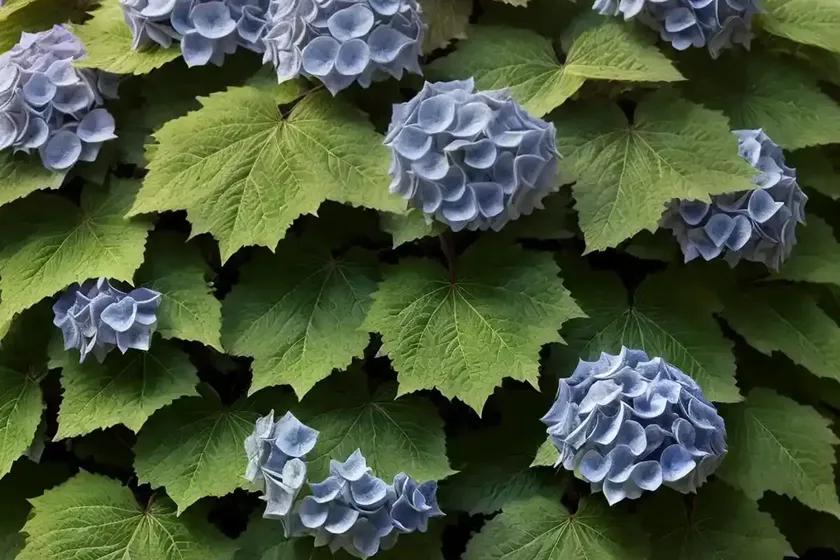
Hydrangea quercifolia ‘Sike’s Dwarf’, commonly known as Oak Leaf Hydrangea, is a stunning flowering shrub that belongs to the Hydrangeaceae family. With its unique oak-shaped leaves and cone-shaped flower clusters, this plant is a popular choice for garden enthusiasts and landscapers. In this comprehensive guide, we will delve into the various aspects of caring for and growing Hydrangea quercifolia ‘Sike’s Dwarf’, including its cultural requirements, uses, maintenance, and common pests and diseases.
What is Hydrangea quercifolia ‘Sike’s Dwarf’?
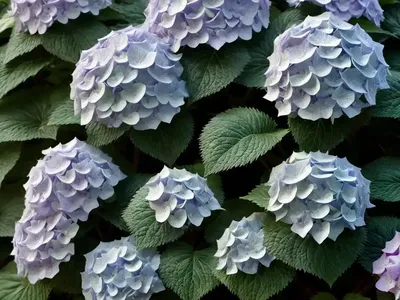
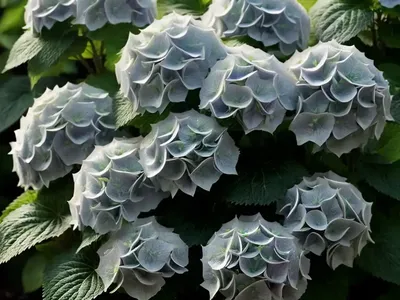
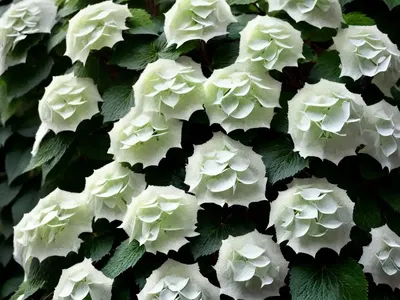
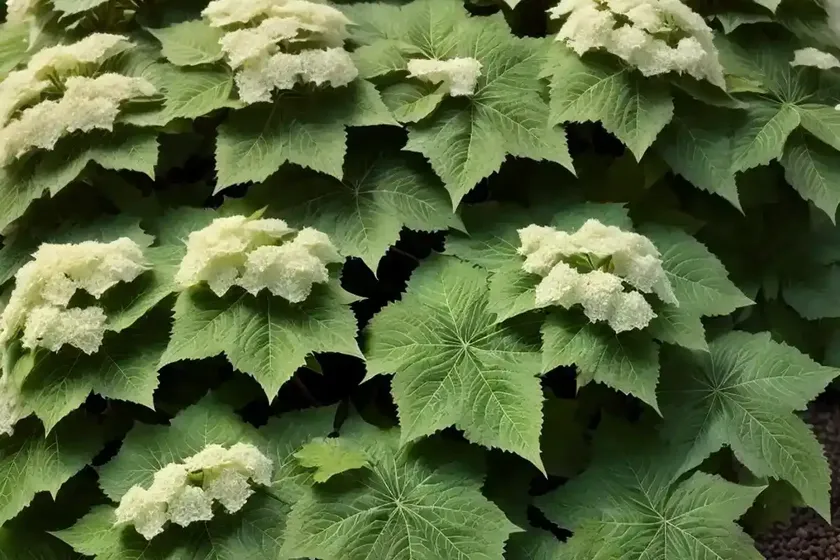
Hydrangea quercifolia ‘Sike’s Dwarf’ is a deciduous flowering shrub native to the southeastern United States. It is a compact variety of Oak Leaf Hydrangea, known for its dwarf size and large, deeply lobed leaves that resemble the shape of oak tree leaves. The plant produces showy, elongated clusters of white flowers that gradually fade to pink and then a papery brown, providing visual interest throughout the growing season and into the winter months.
Key Takeaways – Hydrangea quercifolia ‘Sike’s Dwarf’
Before we delve into the specific care and cultivation aspects of Hydrangea quercifolia ‘Sike’s Dwarf’, let’s highlight some key takeaways about this exquisite plant:
- Scientific Name: Hydrangea quercifolia ‘Sike’s Dwarf’
- Common Name: Oak Leaf Hydrangea ‘Sike’s Dwarf’
- Family: Hydrangeaceae
- Plant Type: Deciduous shrub
- Native Habitat: Southeastern United States
- Notable Features: Oak-shaped leaves, cone-shaped flower clusters, compact size
- Flower Color: White turning to pink and then brown
- Cultural Requirements: Adequate moisture, well-drained soil, partial shade, occasional pruning
Now that we have an overview of Hydrangea quercifolia ‘Sike’s Dwarf’, let’s explore the various aspects of caring for and cultivating this remarkable plant.
Culture
Water
Hydrangea quercifolia ‘Sike’s Dwarf’ prefers consistently moist soil, especially during hot and dry periods. Adequate watering is essential, particularly during the plant’s establishment phase and in the absence of regular rainfall. However, it is crucial to avoid waterlogging the soil as this can lead to root rot and other moisture-related issues.
Sunlight
While Oak Leaf Hydrangeas generally thrive in partial shade, they can also tolerate full sun with sufficient moisture. In regions with hot summers, providing some afternoon shade can help prevent wilting and sunscald.
Fertilizer
Applying a balanced, slow-release fertilizer in early spring can promote healthy growth and abundant flowering. Look for a fertilizer with a ratio of 10-10-10 or similar, and follow the manufacturer’s recommendations for application rates. Avoid over-fertilizing, as this can lead to excessive foliage growth at the expense of flowering.
Soil
Hydrangea quercifolia ‘Sike’s Dwarf’ thrives in well-drained, organic-rich soil with a slightly acidic to neutral pH. Amending the soil with compost or peat moss can improve its texture and fertility, providing an optimal growing medium for the plant.
Pruning
Pruning is an essential aspect of maintaining the health and shape of Hydrangea quercifolia ‘Sike’s Dwarf’. The ideal time for pruning is in late winter or early spring before new growth emerges. Remove any dead or damaged branches, and consider selectively thinning out older stems to encourage airflow and light penetration within the plant’s canopy.
Propagation
Propagating Hydrangea quercifolia ‘Sike’s Dwarf’ can be achieved through several methods, including division, softwood cuttings, and layering. Each method has its benefits and is suitable for different times of the year. When propagating from cuttings, ensure the use of a rooting hormone and provide the appropriate environmental conditions to encourage the development of new roots.
Container Popularity
The compact size and ornamental qualities of Hydrangea quercifolia ‘Sike’s Dwarf’ make it a popular choice for container gardening. When grown in containers, it is essential to monitor soil moisture levels closely, as containers can dry out more rapidly than garden soil. Select a well-draining potting mix and provide adequate space for the plant’s root system to develop.
Container Common Diseases
While container gardening can offer several advantages, it is essential to be mindful of potential diseases that may affect plants in containers. Root rot, often caused by overwatering or poorly drained soil, can be a concern in container-grown Hydrangea quercifolia ‘Sike’s Dwarf’. Regularly inspect the plant for signs of wilting or yellowing foliage, which may indicate issues related to root health.
Disease Diagnosis
Like many ornamental shrubs, Hydrangea quercifolia ‘Sike’s Dwarf’ is susceptible to certain diseases, including leaf spots, powdery mildew, and blights. Monitoring the plant for any unusual symptoms such as discolored or distorted leaves, powdery white growth, or stem lesions can help in early disease diagnosis. Proper sanitation and providing adequate airflow around the plant can contribute to disease prevention.
Common Pests
While relatively resistant to most pests, Oak Leaf Hydrangeas can occasionally be affected by aphids, scale insects, and spider mites. Regular inspections of the plant, particularly the undersides of leaves and tender shoots, can help detect pest infestations early. Consider using organic pest control methods or horticultural oils to manage minor pest issues without harming beneficial insects.
Botanist’s Tips
To ensure the optimal health and vigor of Hydrangea quercifolia ‘Sike’s Dwarf’, consider the following tips from a botanist’s perspective:
- Mulching: Apply a layer of organic mulch around the base of the plant to conserve moisture, regulate soil temperature, and suppress weed growth.
- Overwintering: In colder climates, provide a layer of mulch or protective covering over the root zone during the winter to insulate the plant from temperature fluctuations.
- Companion Planting: Pair Hydrangea quercifolia ‘Sike’s Dwarf’ with compatible shade-loving perennials and foliage plants to create visually appealing and biodiverse garden spaces.
Fun Facts
As a delightful addition to any landscape or garden, Hydrangea quercifolia ‘Sike’s Dwarf’ has some intriguing and enjoyable attributes. Here are a few fun facts about this remarkable plant:
- The white-to-pink-to-brown color progression of the flower clusters provides evolving visual interest throughout the season, culminating in unique papery textures.
- The name “quercifolia” is derived from the Latin words “quercus” and “folium,” meaning “oak” and “leaf,” respectively, paying homage to the plant’s distinct foliage.
Links to External Resources
For further information about Hydrangea quercifolia ‘Sike’s Dwarf’ and related topics, explore the following external resources:
- Hydrangea quercifolia Overview – Missouri Botanical Garden
- Growing Hydrangeas in Containers – University of Florida IFAS Extension
- Common Problems of Hydrangeas – Clemson Cooperative Extension
In conclusion, the enthralling beauty and manageable nature of Hydrangea quercifolia ‘Sike’s Dwarf’ make it a sought-after addition to gardens, landscapes, and container gardens. By understanding its cultural requirements, maintenance practices, and potential challenges, plant enthusiasts can cultivate and enjoy this exquisite shrub to its fullest potential.
With the insights provided in this guide, both novice and experienced gardeners can embark on a rewarding journey of growing and caring for Hydrangea quercifolia ‘Sike’s Dwarf’, adding a touch of elegance and charm to their outdoor spaces.
Remember, the key to success lies in balancing attentive care with an appreciation for the inherent beauty and resilience of this captivating plant.
Plant enthusiasts agree that Oak Leaf Hydrangea ‘Sike’s Dwarf’ holds a special place in their hearts and gardens, captivating them with its charm and versatility.
Let your garden flourish with the enchanting allure of Hydrangea quercifolia ‘Sike’s Dwarf’, a true gem waiting to grace your outdoor sanctuary!