Plant Scientist’s Guide to Hemerocallis ‘Red Hot Returns’ (Reblooming Daylily)
Hemerocallis, also known as daylilies, are popular flowering perennials, cherished for their stunning blooms and low-maintenance nature. Among the diverse varieties, Hemerocallis ‘Red Hot Returns’ stands out for its vibrant red flowers and reliable reblooming qualities. In this comprehensive guide, we will delve into the key aspects of growing and caring for Hemerocallis ‘Red Hot Returns’, including cultural requirements, propagation techniques, common diseases and pests, and botanist’s tips.
What is Hemerocallis ‘Red Hot Returns’?
Hemerocallis ‘Red Hot Returns’ is a standout selection among daylilies, revered for its striking red flowers and prolific reblooming characteristics. This perennial plant is a member of the Hemerocallidaceae family and is native to Asia. The genus name, Hemerocallis, is derived from Greek words “hemera” meaning “day” and “kallos” meaning “beauty,” alluding to the exquisite individual blooms that typically last for just a day.
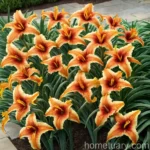
The ‘Red Hot Returns’ variety is particularly renowned for its vibrant red blooms, which are accentuated by a contrasting yellow throat, creating a visually stunning display in garden beds, borders, or containers. One of its most appealing attributes is its ability to rebloom throughout the season, extending the enjoyment of its captivating flowers.
Key Takeaways – Hemerocallis ‘Red Hot Returns’
- Common Name: Red Hot Returns Daylily
- Botanical Name: Hemerocallis ‘Red Hot Returns’
- Plant Type: Herbaceous Perennial
- Bloom Time: Early to Late Summer
- Mature Size: 18-24 inches tall and wide
- Hardiness Zones: 3-9
- Sunlight: Full sun to partial shade
- Watering Needs: Moderate
- Soil Preferences: Well-draining, fertile soil
- Special Features: Reblooming, Attracts pollinators
Now, let’s explore the various facets of cultivating Hemerocallis ‘Red Hot Returns’ in detail, covering culture, uses, propagation, common diseases, and expert tips for optimal growth and flourishing blooms.
Culture
Uses
Hemerocallis ‘Red Hot Returns’ offers a myriad of uses in garden landscapes and beyond. Some common applications of this striking daylily variety include:
- Garden Beds and Borders: Plant ‘Red Hot Returns’ along garden borders or in mass plantings to create a stunning visual impact with its vibrant red blooms.
- Container Planting: Utilize its compact size and prolific flowering habit to adorn containers and create eye-catching displays on patios, balconies, or entryways.
- Cut Flower Arrangements: Harvest the charming blooms for creating delightful cut flower arrangements, adding a touch of elegance indoors.
Water
When it comes to watering Hemerocallis ‘Red Hot Returns’, it is essential to maintain moderate moisture levels in the soil, especially during hot and dry periods. While daylilies are relatively drought-tolerant once established, consistent watering is crucial during the initial growth stages and blooming period to support healthy foliage and continuous flower production.
- Watering Frequency: Provide approximately 1 inch of water per week, adjusting based on rainfall and soil drainage.
- Avoid Overwatering: Ensure that the soil is well-draining to prevent waterlogging, which can lead to root rot and other moisture-related issues.
Sunlight
Adequate sunlight is pivotal for the flourishing growth and abundant blooming of Hemerocallis ‘Red Hot Returns’. To ensure optimal performance, it is crucial to consider the following sunlight requirements:
- Full Sun to Partial Shade: While daylilies generally thrive in full sun, they can also tolerate partial shade. However, for optimal blooming, provide at least 6 hours of direct sunlight daily.
- Morning Sun: Position ‘Red Hot Returns’ in a location that receives morning sun, particularly in regions with intense afternoon heat, to prevent scorching of the delicate blooms.
Fertilizer
Proper fertilization plays a vital role in promoting robust growth and abundant flowering in Hemerocallis ‘Red Hot Returns’. By supplying essential nutrients, particularly during the growing season, you can ensure the plant’s vigor and long-lasting blooms.
- Balanced Fertilizer: Apply a balanced, slow-release fertilizer with an NPK ratio of 10-10-10 or similar formulation in early spring as new growth emerges to provide a nutrient boost for the upcoming blooming season.
- Top Dressing: In late fall or early winter, consider top dressing the soil around the plants with well-decomposed compost or organic matter to enrich the soil and support the plant’s overwintering health.
Soil
The soil composition and quality significantly impact the overall health and performance of Hemerocallis ‘Red Hot Returns’. Ensuring well-draining, fertile soil with the appropriate pH level is essential for supporting vigorous growth and prolific blooming.
Soil Type
- Well-Draining: Daylilies thrive in well-draining soil to prevent waterlogging and potential root rot. Incorporate organic matter or coarse sand into heavy soils to improve drainage.
- Fertile: Provide nutrient-rich soil by incorporating organic compost or well-decomposed manure to promote healthy foliage and abundant flowering.
pH Level
- Optimal pH: Aim for a slightly acidic to neutral pH range between 6.0 and 7.0. Conduct a soil test and amend the soil as needed to achieve the appropriate pH for optimal nutrient uptake.
Pruning
Pruning Hemerocallis ‘Red Hot Returns’ is a straightforward task that can enhance the plant’s appearance, promote continuous blooming, and prevent the buildup of spent blooms and foliage. Follow these pruning guidelines to ensure the plant’s vigor and aesthetic appeal.
- Deadheading: Regularly remove spent flowers by snipping the bloom stem near the base to encourage the production of new blooms and prevent seed formation, directing the plant’s energy into reblooming.
- Foliage Maintenance: Trim off any yellowing or withered foliage to maintain a tidy appearance and reduce the risk of disease development.
- Division: Every few years, divide mature clumps of daylilies to rejuvenate the plants, enhance blooming, and propagate new specimens.
Propagation
The propagation of Hemerocallis ‘Red Hot Returns’ can be achieved through various methods, including division, seed sowing, and tissue culture. Among these, division is the most common and reliable technique for propagating daylilies while retaining the true characteristics of the parent plant.
Division
Dividing mature clumps of Hemerocallis ‘Red Hot Returns’ is an effective way to rejuvenate established plants, expand your daylily collection, or share divisions with fellow gardening enthusiasts.
Propagation Steps:
- Timing: Perform division in early spring or late summer when the plant is dormant or after blooming to minimize stress and allow for seamless establishment.
- Lifting the Clump: Carefully dig around the clump, ensuring to preserve the roots, and lift the entire plant from the ground.
- Division: Gently separate the individual fans or divisions, ensuring that each division has sufficient healthy roots and foliage.
- Replanting: Plant the divisions at the appropriate spacing in well-prepared soil, ensuring to water thoroughly and provide adequate care to support their establishment.
Seed Sowing
While division is the primary method for maintaining the true traits of the parent plant, growing Hemerocallis ‘Red Hot Returns’ from seeds can yield exciting variations and potential new cultivars. However, it’s important to note that seed-grown daylilies may exhibit genetic diversity, and the resulting plants may differ from the parent in terms of color, form, and blooming habits.
Seed Sowing Steps:
- Harvesting Seeds: Collect mature seed pods from spent daylily blooms and allow them to dry before extracting the seeds.
- Sowing: Sow the seeds in well-draining potting mix in a controlled environment, such as a greenhouse or indoor seed-starting setup, maintaining consistent moisture and warmth.
- Germination: Monitor the seeds for germination, providing adequate care as they develop into seedlings.
- Transplanting: Once the seedlings are sufficiently developed, transplant them into individual pots or directly into the garden, allowing them to mature into flowering plants.
Container Popularity
The compact size, prolific blooming habit, and ornamental appeal of Hemerocallis ‘Red Hot Returns’ make it an ideal candidate for container gardening. Whether utilized on its own or combined with complementary companions, such as annuals or other perennials, this daylily variety excels in container displays, adding vibrant color and visual interest to outdoor spaces.
Container Selection
When choosing containers for Hemerocallis ‘Red Hot Returns’, opt for sturdy, well-draining pots with sufficient depth to accommodate the plant’s root system and promote healthy growth. Consider containers made of durable materials, such as terracotta, fiberclay, or resin, that can withstand outdoor conditions and provide ample space for the daylily to thrive.
Soil Mix
Select a high-quality, well-draining potting mix specifically formulated for container gardening, ensuring that it provides adequate aeration, moisture retention, and essential nutrients for the plant’s development. Incorporate organic matter or perlite to improve soil structure and drainage within the container.
Maintenance
Container-grown daylilies may require slightly more frequent watering and fertilization compared to those planted in the ground due to the limited soil volume. Monitor the moisture levels closely, particularly during hot and dry periods, and provide a balanced liquid fertilizer as needed to support the plant’s growth and continuous blooming.
Common Diseases
While daylilies are generally robust and low-maintenance plants, they are susceptible to certain diseases and disorders that can affect their overall health and vigor. Understanding these common ailments and implementing proactive management strategies is essential for preserving the beauty and vitality of Hemerocallis ‘Red Hot Returns’.
Disease Diagnosis
Being familiar with the symptoms and characteristics of common daylily diseases can aid in prompt diagnosis and targeted intervention. Some prevalent diseases that may affect Hemerocallis ‘Red Hot Returns’ include:
- Leaf Streak: Identified by elongated brown lesions on the foliage, often accompanied by yellowing and wilting of affected leaves.
- Crown Rot: Manifests as soft, discolored areas at the base of the plant, leading to wilting, stunted growth, and eventual collapse of the affected daylilies.
- Rust: Characterized by the presence of orange to brown powdery lesions on the leaves, causing aesthetic damage and potential weakening of the plant.
- Fungal Leaf Spots: Result in the formation of dark, water-soaked spots on the foliage, potentially leading to premature leaf drop and reduced vigor.
Disease Prevention
Implementing proactive measures to prevent and manage common daylily diseases is crucial for maintaining the health and vitality of Hemerocallis ‘Red Hot Returns’. Consider the following strategies to minimize the risk of disease development:
- Cultural Practices: Practice proper sanitation by removing and disposing of affected plant debris, promoting good air circulation, and avoiding overhead watering to reduce moisture on foliage.
- Watering Management: Employ irrigation methods that keep the foliage dry, such as drip irrigation or soaker hoses, to minimize the risk of fungal diseases.
- Fungicidal Treatments: Apply preventive fungicidal sprays or treatments, particularly during periods of high humidity or when disease pressure is prevalent, following label instructions for safe and effective application.
- Resistant Varieties: Select disease-resistant cultivars, such as Hemerocallis ‘Red Hot Returns’, known for their robust growth and reduced susceptibility to common daylily ailments.
Common Pests
In addition to diseases, daylilies, including Hemerocallis ‘Red Hot Returns’, are occasionally targeted by common garden pests that can affect their foliage, blooms, and overall vigor. Identifying these pests and implementing integrated pest management techniques is essential for preserving the plant’s aesthetic appeal and health.
Pest Identification
Several pests may pose a threat to the well-being of daylilies, including aphids, thrips, spider mites, and slugs, among others. Recognizing the signs of pest infestation and understanding their typical behavior can aid in implementing targeted control measures.
- Aphids: Small, soft-bodied insects found on the undersides of leaves, causing damage through their feeding and honeydew secretion, leading to sooty mold development.
- Thrips: Tiny, elongated insects that feed on flower buds and foliage, resulting in distorted blooms, silvering of foliage, and potential spread of viruses.
- Spider Mites: Minuscule arachnids that cause stippling and webbing on leaves, leading to reduced photosynthesis and overall weakening of the plant.
- Slugs: Nocturnal pests that feed on foliage, leaving behind irregular holes and slimy trails, particularly in humid and moist conditions.
Pest Management
Implementing an integrated approach to pest management can effectively mitigate pest pressures and minimize the impact of infestations on Hemerocallis ‘Red Hot Returns’.
- Monitoring: Regularly inspect the plants for signs of pest activity, including distorted foliage, stippling, wilting, or the presence of the pests themselves.
- Cultural Methods: Encourage natural predators, such as ladybugs and lacewings, by providing habitat and nectar-rich flowers to aid in the biological control of aphids and other small pests.
- Physical Removal: Handpick and dispose of larger pests, such as slugs, particularly during early morning or evening hours when they are most active.
- Selective Treatments: Employ targeted treatments, such as insecticidal soaps or horticultural oils, to control pest populations while minimizing the impact on beneficial insects and pollinators.
Botanist’s Tips
To ensure the successful growth and continuous blooming of Hemerocallis ‘Red Hot Returns’, consider the following expert tips and recommendations derived from insights in daylily cultivation and horticultural practices:
- Mulch Application: Apply a layer of organic mulch, such as shredded bark or compost, around the base of the plants to conserve moisture, suppress weed growth, and insulate the roots, particularly in regions with fluctuating temperatures.
- Companion Planting: Pair ‘Red Hot Returns’ with complementary companions, such as ornamental grasses, sedums, or coneflowers, to create visually appealing combinations and provide diverse habitat for beneficial insects.
- Staking Support: Consider staking taller varieties or those with heavy blooms to prevent lodging and ensure upright growth, particularly in exposed or windy sites.
- Seasonal Maintenance: Conduct regular maintenance tasks, such as division, deadheading, and soil amendment, at the appropriate times to support the plant’s long-term health and vigorous growth.
- Pollinator Gardens: Designate a section of the garden to cultivate daylilies, along with other pollinator-friendly plants, to attract and support a diverse array of beneficial insects and wildlife.
Fun Facts
Get to know some intriguing and delightful fun facts about Hemerocallis ‘Red Hot Returns’ that further highlight its charm and appeal in garden settings.
- The vibrant red blooms of ‘Red Hot Returns’ are known to attract an array of pollinators, including butterflies, bees, and hummingbirds, creating a lively and bustling garden environment.
- Daylilies are edible flowers, with certain varieties, including Hemerocallis fulva, commonly used in culinary applications such as stir-fries, salads, and desserts.
- The name “daylily” reflects the brief duration of each bloom, as individual flowers typically last for just one day but are produced in succession, resulting in a continual show of colorful blooms throughout the blooming season.
- Hemerocallis ‘Red Hot Returns’ is a versatile landscape plant, suitable for various design styles, from cottage gardens and perennial borders to modern landscapes and pollinator-friendly plantings.
- Daylilies are celebrated for their adaptability to diverse climatic conditions, with many cultivars, including ‘Red Hot Returns’, displaying excellent heat and drought tolerance, making them ideal choices for sunny, arid regions.
Links to External Resources
Delve into further insights and resources related to Hemerocallis ‘Red Hot Returns’, including reputable sources, expert guidance, and additional information to enrich your knowledge and understanding of this captivating daylily variety.
- The American Hemerocallis Society (AHS): Official website providing comprehensive information on daylilies, including cultivation guidelines, plant databases, and educational resources. American Hemerocallis Society
- University Extension Resources: Explore university extension websites and horticultural publications for in-depth articles, research-based information, and regional guidance on growing daylilies and managing common issues.
- Gardening Forums and Communities: Engage with fellow gardeners, daylily enthusiasts, and horticultural experts through online forums, social media groups, and gardening communities to exchange experiences, seek advice, and stay updated on the latest trends in daylily cultivation.
- Botanical Gardens and Arboretums: Visit local botanical gardens, arboretums, and public gardens featuring daylily collections to observe diverse cultivars, gain inspiration for garden design, and participate in educational events or workshops related to daylilies and ornamental plants.
By leveraging these external resources, you can expand your knowledge and appreciation for Hemerocallis ‘Red Hot Returns’, equipping yourself with valuable insights and practical guidance for successful cultivation and enjoyment of this exceptional daylily variety.
In conclusion, Hemerocallis ‘Red Hot Returns’ exemplifies the allure and versatility of daylilies, offering captivating blooms, reliable reblooming performance, and minimal maintenance requirements. By adhering to the cultural recommendations, propagation techniques, and integrated pest and disease management strategies highlighted in this comprehensive guide, you can foster the flourishing growth and continual flowering of this vibrant perennial, enhancing the aesthetic appeal of your garden and creating a welcoming habitat for pollinators and wildlife.
Remember to share your experiences, insights, and captivating moments with Hemerocallis ‘Red Hot Returns’ with fellow gardeners, spreading the joy and beauty of this remarkable daylily variety. Happy gardening!