Hydrangea paniculata ‘Pink Diamond’: A Complete Guide to Care and Cultivation
Hydrangea paniculata ‘Pink Diamond’ is a stunning and versatile plant that brings beauty and elegance to any garden or landscape. It is prized for its large, showy flower heads, which start off creamy white and gradually change to pink as the season progresses. In this comprehensive guide, we will explore everything you need to know about the care and cultivation of Hydrangea paniculata ‘Pink Diamond’, from its cultural requirements to its propagation, common diseases, and pest management. Whether you are a seasoned gardener or a novice plant enthusiast, this guide will provide you with valuable insights to help you successfully grow and maintain these exquisite plants in your own garden.
What is Hydrangea paniculata ‘Pink Diamond’?
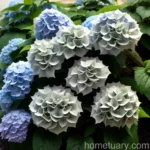
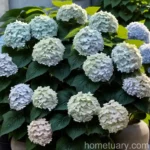
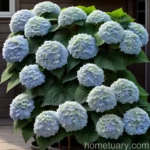
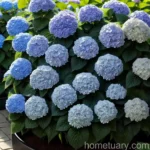
Hydrangea paniculata ‘Pink Diamond’ is a deciduous shrub that belongs to the Hydrangeaceae family. It is native to China and Japan and is known for its large, pyramid-shaped flower clusters that bloom in mid-summer and continue into the fall. The flowers start off white and gradually change to shades of pink as they mature, adding a beautiful touch of color to the garden. The plant is valued not only for its stunning blooms but also for its exceptional hardiness and adaptability to various growing conditions.
Key Takeaways
- Plant Name: Hydrangea paniculata ‘Pink Diamond’
- Common Names: Pink Diamond Hydrangea, Panicled Hydrangea ‘Pink Diamond’
- Botanical Classification: Hydrangea paniculata
- Flower Color: White turning to pink
- Mature Height: 6-8 feet
- Mature Spread: 5-7 feet
- Sunlight: Full sun to partial shade
- USDA Hardiness Zones: 3-8
Culture
Water
Hydrangea paniculata ‘Pink Diamond’ has average water needs and requires regular watering, especially during dry periods. It is essential to keep the soil consistently moist but not waterlogged. Applying a layer of mulch around the base of the plant can help retain moisture and reduce the frequency of watering. However, it is important to avoid overwatering, as excessive moisture can lead to root rot and other fungal diseases.
Sunlight
This variety of Hydrangea paniculata thrives in full sun to partial shade. While it can tolerate partial shade, the plant will produce the best flowering display when grown in full sun. However, in regions with hot summers, providing some afternoon shade can help prevent the foliage from wilting. When selecting a planting site, ensure that there is adequate sunlight for the plant to flourish and showcase its beautiful blooms.
Fertilizer
To promote healthy growth and abundant flowering, it is recommended to fertilize Hydrangea paniculata ‘Pink Diamond’ in the early spring. Using a balanced, slow-release fertilizer specifically formulated for woody plants can provide the necessary nutrients for vigorous growth and prolific flowering. Additionally, incorporating organic matter such as compost into the soil during planting or as a top dressing can further enrich the soil and support the plant’s overall health.
Soil
Hydrangea paniculata ‘Pink Diamond’ thrives in well-drained, fertile soil with a slightly acidic to neutral pH. A soil pH in the range of 5.5 to 7.0 is considered ideal for optimal growth and blooming. Amending the soil with organic matter such as compost, peat moss, or well-rotted manure can improve soil structure and fertility, ensuring that the plant has access to essential nutrients and moisture.
Pruning
Pruning is an essential aspect of maintaining the shape, size, and flowering performance of Hydrangea paniculata ‘Pink Diamond’. The best time to prune this variety is in late winter or early spring, before new growth emerges. When pruning, remove any dead or weak wood, and shape the plant as desired. Additionally, you can also remove old flower heads to encourage the development of new buds and prolong the flowering season.
Propagation
Hydrangea paniculata ‘Pink Diamond’ can be propagated through various methods such as softwood or hardwood cuttings, division, or layering. Softwood cuttings are best taken in early summer, while hardwood cuttings are typically collected in late autumn or early winter. Propagation by division involves separating the plant’s root mass into smaller sections, each with viable roots and shoots. Layering is another effective method where a portion of a stem is wounded, treated with rooting hormone, and then buried in the soil to encourage root development.
Container Popularity
Hydrangea paniculata ‘Pink Diamond’ is well-suited for container gardening, making it a popular choice for individuals with limited garden space. When grown in containers, it is crucial to select a large pot with adequate drainage holes to prevent waterlogging. Additionally, using a high-quality potting mix and incorporating slow-release fertilizer can provide the plant with essential nutrients and support its overall health and growth.
Common Diseases
Hydrangea paniculata ‘Pink Diamond’ is relatively resistant to most common diseases; however, it can be susceptible to certain issues under unfavorable growing conditions. It is essential to monitor the plant regularly for any signs of disease and promptly address any issues to prevent them from spreading. Some of the common diseases that may affect Pink Diamond Hydrangea include:
Disease Diagnosis
-
Powdery Mildew: This fungal disease appears as a white, powdery coating on the leaves, stems, and flowers. It thrives in humid conditions and can hinder the plant’s growth and overall vigor. To manage powdery mildew, ensure proper air circulation around the plant, avoid overhead watering, and consider using fungicidal sprays if the issue persists.
-
Cercospora Leaf Spot: Cercospora leaf spot manifests as small, circular lesions with a tan or gray center and dark margins on the plant’s foliage. To prevent the spread of this fungal disease, remove and dispose of any affected plant debris, and avoid overhead watering to minimize moisture on the leaves.
-
Botrytis Blight: Also known as gray mold, botrytis blight causes the formation of brown spots on the flowers and leaves, often leading to the collapse of the affected plant tissues. To manage botrytis blight, ensure proper air circulation, maintain low humidity levels, and promptly remove and dispose of any infected plant material.
Common Pests
While Hydrangea paniculata ‘Pink Diamond’ is relatively resistant to pests, it can still be affected by certain insects that may target the plant. Regular monitoring and timely intervention are crucial for preventing pest infestations. Some of the common pests that may affect Pink Diamond Hydrangea include:
-
Aphids: These small, soft-bodied insects feed on the plant’s sap, causing distorted growth and the formation of sticky honeydew. To control aphids, consider using insecticidal soaps or horticultural oils, or introducing natural predators such as ladybugs and lacewings to the garden.
-
Spider Mites: Spider mites are tiny arachnids that can cause stippling and discoloration of the plant’s leaves. Regularly spraying the plant with water can help deter spider mites, and introducing predatory mites can effectively control their population.
-
Japanese Beetles: These voracious feeders can skeletonize the leaves of Hydrangea paniculata ‘Pink Diamond’. Handpicking the beetles and using traps can help reduce their numbers, and applying insecticidal sprays can provide effective control.
Botanist’s Tips
To ensure the successful cultivation of Hydrangea paniculata ‘Pink Diamond’, consider the following botanist’s tips for optimal plant care and maintenance:
-
Prune Regularly: Regular pruning helps maintain the plant’s shape and size, encourages new growth, and can enhance the overall appearance of the plant. It also allows for the removal of any dead or diseased wood, promoting the plant’s health and vigor.
-
Monitor Soil Moisture: While it is essential to keep the soil consistently moist, it is equally important to avoid overwatering. Use a moisture meter or regularly check the soil’s moisture level to ensure that the plant is receiving adequate hydration without being waterlogged.
-
Provide Adequate Sunlight: Although Hydrangea paniculata ‘Pink Diamond’ can tolerate partial shade, providing ample sunlight can significantly impact its flowering performance. Ensure that the plant is situated in a location that receives sufficient sunlight for the best results.
-
Monitor for Pests and Diseases: Regularly inspect the plant for any signs of pest infestations or disease development. Early detection and intervention can prevent issues from escalating and help maintain the plant’s health and vitality.
Fun Facts
- The flowers of Hydrangea paniculata ‘Pink Diamond’ are prized for their color-changing ability, transitioning from white to shades of pink as they age.
- In some regions, the dried flowers of Pink Diamond Hydrangea are used in floral arrangements and crafts due to their lasting beauty and appeal.
- Hydrangea paniculata ‘Pink Diamond’ is known to attract pollinators such as butterflies and bees, contributing to the overall biodiversity of the garden.
In conclusion, Hydrangea paniculata ‘Pink Diamond’ is a delightful addition to any garden, offering a captivating display of color and charm throughout the blooming season. By providing the appropriate growing conditions, regular care, and timely maintenance, you can enjoy the stunning blooms and enduring beauty of this exceptional plant.
For additional information and resources on Hydrangea paniculata ‘Pink Diamond’ care and cultivation, consider exploring the following external links:
- Hydrangea paniculata Pink Diamond Planting Guide
- Pruning Techniques for Hydrangea paniculata Pink Diamond
- Soil pH Adjustment for Hydrangea paniculata Pink Diamond
- Container Care Tips for Hydrangea paniculata Pink Diamond
With this comprehensive guide and valuable resources, you are well-equipped to nurture and enjoy the beauty of Hydrangea paniculata ‘Pink Diamond’ in your own garden or landscape.
Remember to observe and learn from the growth patterns of your plant, as every garden and plant has its unique attributes and needs. Happy gardening!