

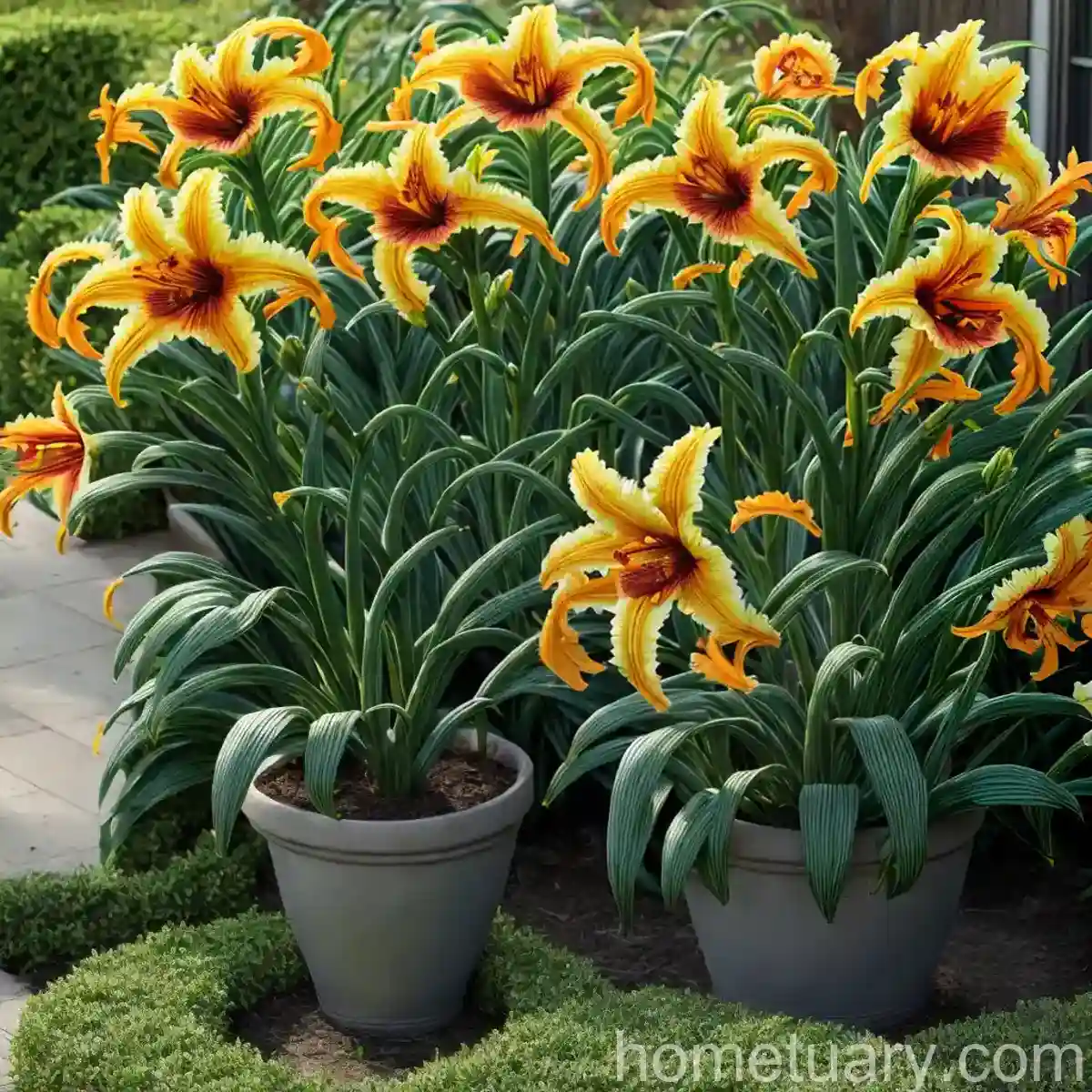
Hemerocallis ‘Pandora’s Box’ (Reblooming Daylily): A Comprehensive Guide
Introduction
Hemerocallis ‘Pandora’s Box’ is a stunning perennial plant known for its unique characteristics and vibrant blooms. This remarkable plant, also known as the reblooming daylily, has captured the hearts of many garden enthusiasts due to its exceptional beauty and ease of care. In this comprehensive guide, we will delve into the various aspects of Hemerocallis ‘Pandora’s Box’, including its culture, uses, care requirements, common diseases, and much more. Whether you are a seasoned gardener or a novice plant enthusiast, this guide will provide you with valuable insights into the world of Hemerocallis ‘Pandora’s Box’.
What is Hemerocallis ‘Pandora’s Box’?
Hemerocallis ‘Pandora’s Box’ is a cultivar of the daylily plant, which belongs to the genus Hemerocallis. The name “Hemerocallis” is derived from two Greek words, “hemera” meaning “day” and “kallos” meaning “beauty,” alluding to the characteristic of each flower lasting only one day. However, the plant produces numerous flower buds, resulting in an extended blooming period, especially in the case of reblooming cultivars like ‘Pandora’s Box’.
Hemerocallis ‘Pandora’s Box’ Characteristics
- Scientific Name: Hemerocallis ‘Pandora’s Box’
- Common Name: Reblooming Daylily
- Growth Habit: Clumping, herbaceous perennial
- Flower Characteristics: Unique pink and white bicolor pattern with a yellow-green throat
- Foliage Traits: Narrow, arching, green leaves
- Mature Height: Approximately 18-24 inches
- Bloom Period: Spring to fall, with intermittent reblooms
- Winter Care: Deciduous in winter, mulch for protection in colder climates
Key Takeaways – Hemerocallis ‘Pandora’s Box’ (Reblooming Daylily)
Before we delve into specific aspects of the care and cultivation of Hemerocallis ‘Pandora’s Box’, let’s explore some key takeaways for this enchanting plant.
-
Beautiful Bicolor Blooms: Hemerocallis ‘Pandora’s Box’ is renowned for its enchanting pink and white bicolor blooms, each adorned with a distinct yellow-green throat, making it a captivating addition to any garden landscape.
-
Extended Blooming Period: Unlike traditional daylilies, reblooming cultivars like ‘Pandora’s Box’ exhibit the remarkable ability to produce multiple flushes of blooms throughout the growing season, providing an extended display of color and beauty.
-
Low Maintenance: While ‘Pandora’s Box’ boasts exceptional beauty, it is also relatively low maintenance, making it an ideal choice for both experienced and novice gardeners seeking a plant with enduring appeal and ease of care.
Now, let’s delve deeper into the various aspects of cultivating and caring for Hemerocallis ‘Pandora’s Box’.
Culture
Cultivating Hemerocallis ‘Pandora’s Box’ involves understanding its specific cultural requirements, including its preferred growing conditions, moisture needs, and soil preferences.
Uses
The versatile Hemerocallis ‘Pandora’s Box’ can be utilized in various capacities within a garden setting, including:
- Border Planting: Create stunning borders or edging with the striking display of ‘Pandora’s Box’ along walkways or garden beds.
- Mass Planting: Utilize the prolific nature of this daylily to create breathtaking masses of color within the landscape.
- Container Gardening: ‘Pandora’s Box’ lends itself beautifully to container gardening, bringing its vibrant blooms to patios, decks, and balconies.
Water
- Water Needs: Moderate watering is essential, especially during the active growing season. Adequate moisture is crucial for promoting vigorous growth and prolific blooming.
- Irrigation: Consider drip irrigation or soaker hoses to deliver targeted moisture to the root zone, preventing foliage from remaining excessively wet and minimizing the risk of fungal diseases.
Sunlight
- Sun Exposure: Hemerocallis ‘Pandora’s Box’ thrives in full sun to partial shade, with a minimum of 6 hours of direct sunlight daily for optimal blooming and overall plant health.
- Shade Considerations: In regions with intense summer heat, providing some afternoon shade can help protect the plant from excessive stress.
Fertilizer
- Nutrient Requirements: ‘Pandora’s Box’ benefits from a balanced, slow-release fertilizer in early spring, as well as periodic supplemental feedings throughout the growing season to support robust growth and prolific blooming.
- Application Method: Apply fertilizer evenly around the base of the plant, ensuring that it does not come into direct contact with the foliage to prevent potential leaf burn.
Soil
- Soil Preferences: Well-draining, loamy soil enriched with organic matter is ideal for Hemerocallis ‘Pandora’s Box’. A slightly acidic to neutral pH range of 6.0-7.0 is optimal for promoting nutrient uptake and overall plant vigor.
- Soil Amendments: Consider incorporating compost or peat moss into the soil to enhance its fertility and improve moisture retention.
Pruning
Pruning plays a pivotal role in maintaining the health and aesthetic appeal of Hemerocallis ‘Pandora’s Box’. By following some simple guidelines, gardeners can ensure that their plants remain vigorous and continue to produce abundant blooms.
- Foliage Maintenance: Remove any withered or yellowing foliage to maintain a tidy appearance and prevent the spread of pests and diseases.
- Flower Stem Removal: Deadhead spent flower stalks regularly to encourage continuous reblooming and prevent the formation of seed pods, which can divert energy away from flower production.
Propagation
The propagation of Hemerocallis ‘Pandora’s Box’ can be achieved through several methods, enabling gardeners to expand their collection or share this delightful cultivar with other plant enthusiasts.
- Division: Divide mature clumps of ‘Pandora’s Box’ every 3-5 years in early spring or fall, ensuring that each division possesses sufficient roots and foliage for successful establishment.
- Cutting Propagation: Utilize stem cuttings to propagate ‘Pandora’s Box’ during the active growing season, selecting healthy, non-flowering stems for the best results.
Container Popularity
The allure of Hemerocallis ‘Pandora’s Box’ extends into the realm of container gardening, where its vibrant blooms and compact growth habit make it an appealing choice for various settings.
- Container Selection: Choose well-draining containers with ample depth to accommodate the plant’s root system, allowing for unrestricted growth and stability.
- Soil Considerations: Utilize high-quality potting mix with added organic matter to provide essential nutrients and promote optimal moisture retention for container-grown ‘Pandora’s Box’.
Common Diseases
Although Hemerocallis ‘Pandora’s Box’ is renowned for its resilience, it may occasionally encounter specific diseases that can impact its vigor and overall health.
Disease Diagnosis
- Fungal Infections: Keep a vigilant eye out for signs of fungal diseases such as leaf spot (Cercospora) and rust, characterized by discolored spots or patches on leaves and stems.
- Viral Conditions: Symptoms of viral infections may include mottled or distorted foliage, stunted growth, and reduced flowering, necessitating prompt intervention to prevent the spread of the virus to neighboring plants.
Common Pests
While generally robust, ‘Pandora’s Box’ may occasionally fall victim to certain insect pests that can compromise its growth and flowering.
Botanist’s Tips
To ensure the continued health and vitality of Hemerocallis ‘Pandora’s Box’, consider implementing the following botanist’s tips:
- Routine Inspection: Regularly inspect the plant for signs of disease or pest infestations, intervening promptly to prevent the escalation of these issues.
- Adequate Air Circulation: Provide sufficient air movement around the plant by spacing individual specimens appropriately, reducing the risk of fungal infections and promoting overall plant vigor.
Fun Facts
- Flower Symbolism: The delicate, ephemeral blooms of ‘Pandora’s Box’ are often associated with the symbolism of rebirth and renewal, making them cherished additions to floral arrangements and bouquets.
- Medicinal Uses: In traditional medicine, certain parts of the daylily plant are believed to possess medicinal properties, although caution should be exercised, as some species contain compounds that can be toxic if consumed.
Links to External Resources
For further information on Hemerocallis ‘Pandora’s Box’ and related topics, the following external resources are recommended:
The captivating allure of Hemerocallis ‘Pandora’s Box’ lies not only in its exceptional beauty but also in its remarkable adaptability and ease of care. By understanding and implementing the specific cultural requirements and maintenance practices outlined in this guide, gardeners can experience the enduring beauty and endless charm of this remarkable plant throughout the growing season. Whether displayed in a picturesque garden border, a thriving container, or as part of a mass planting, ‘Pandora’s Box’ is sure to captivate and enchant all who behold its exquisite blooms.
References
- O’Connor, K. C. “Hemerocallis Culture, Propagation, and Uses.” University of Florida IFAS Extension.
- “Daylilies – A Plant for All Reasons.” University of Illinois Extension.
- “Daylilies: A Complete Gardener’s Guide.” American Hemerocallis Society.
- Burrell, C. “Daylilies: The Perfect Perennial.” Timber Press.
- “Growing Daylilies in Florida.” University of Florida IFAS Extension.
- “Hemerocallis ‘Pandora’s Box’.” Walters Gardens, Inc.
- “Daylilies – Planting and Care.” Ohio State University Extension.
- Bost, J. “Pests and Diseases of Daylilies.” Clemson Cooperative Extension.
- “Companion Planting with Daylilies.” National Gardening Association.
- “Hemerocallis: Daylily Pests and Problems.” University of California Statewide Integrated Pest Management Program.




