Hemerocallis Lilioasphodelus (Lemon Lily)
Hemerocallis lilioasphodelus, commonly known as Lemon Lily, is a perennial flowering plant that belongs to the family Liliaceae. This beautiful plant is.
What is Hemerocallis lilioasphodelus (Lemon Lily)?
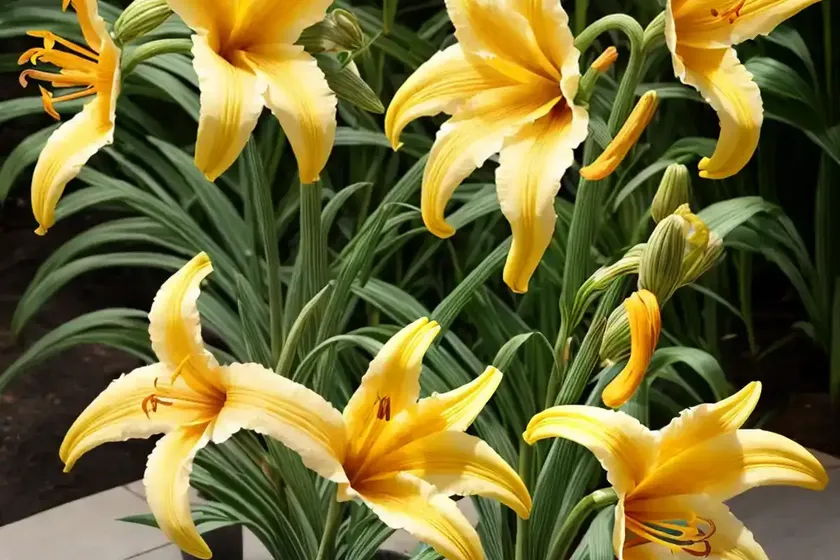
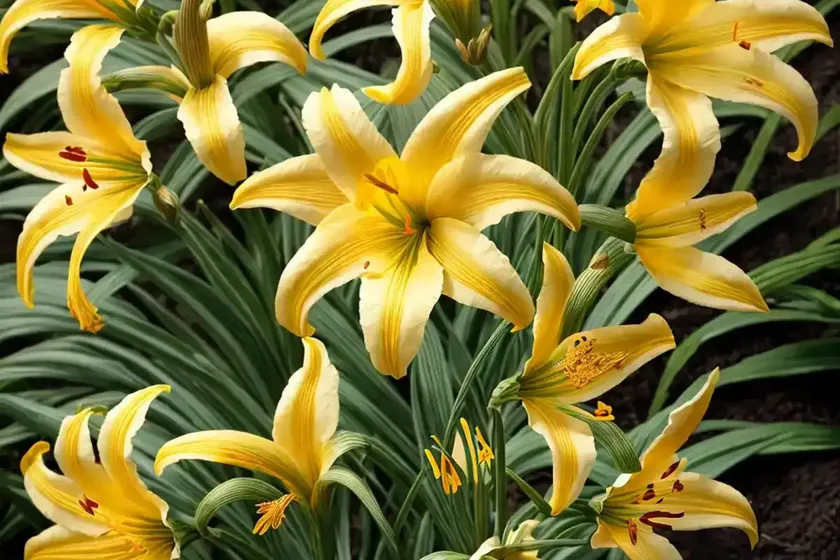
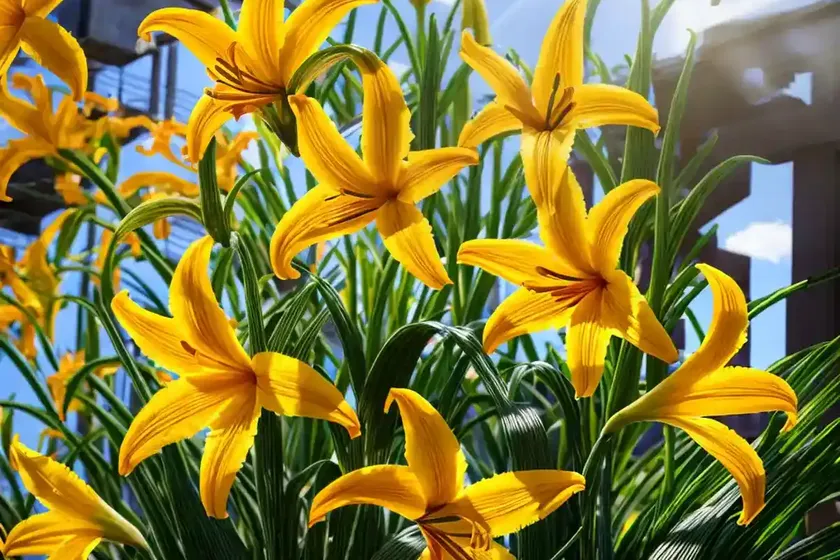
Hemerocallis lilioasphodelus, commonly known as Lemon Lily, is a perennial flowering plant that belongs to the family Liliaceae. This beautiful plant is native to Asia and is widely cultivated for its stunning blossoms and vibrant foliage. The Lemon Lily is characterized by its bright yellow, lemon-scented flowers and attractive green foliage, making it a popular choice for gardens, landscapes, and containers.
Key Takeaways – Hemerocallis lilioasphodelus (Lemon Lily)
Before we delve into the comprehensive care guide for Hemerocallis lilioasphodelus, here are the key takeaways that we will explore in detail:
– Culture
– Uses
– Water
– Sunlight
– Fertilizer
– Soil
– Pruning
– Propagation
– Container Popularity
– Container Common Diseases
– Disease Diagnosis
– Common Pests
– Botanist’s Tips
– Fun Facts
– Links to External Resources
Now, let’s explore each of these aspects in detail to understand the complete care requirements for Hemerocallis lilioasphodelus.
Culture of Hemerocallis lilioasphodelus
Uses
Hemerocallis lilioasphodelus, or Lemon Lily, is primarily grown for ornamental purposes. Its vibrant yellow flowers and lush foliage make it a stunning addition to gardens, landscapes, and containers. The Lemon Lily is often used in:
– Flower beds
– Borders
– Rock gardens
– Naturalistic plantings
– Cottage gardens
Its attractive appearance and pleasant fragrance also make it a popular choice for cut flower arrangements and floral displays.
Water Requirements
One of the critical aspects of caring for Hemerocallis lilioasphodelus is providing the appropriate amount of water. Adequate moisture is essential for the healthy growth and blooming of Lemon Lilies.
Watering Needs
- Regular Watering: Lemon Lilies thrive in moist soil conditions, especially during the active growing season. It is essential to water the plants regularly, ensuring that the soil remains consistently moist but not waterlogged.
- Deep Watering: When watering, it is advisable to ensure deep penetration of water to encourage the development of a robust root system. Deep watering also promotes the overall health and vitality of the plant.
Drought Tolerance
While Lemon Lilies prefer moist soil, they exhibit a degree of drought tolerance once established. Mature plants can withstand short periods of drought, but it is crucial to provide supplemental watering during prolonged dry spells, especially in hot climates.
Watering Tips
- Mulching: Applying a layer of organic mulch around the plants can help conserve soil moisture, reduce water evaporation, and protect the roots from extreme temperatures.
- Morning Watering: Watering in the morning allows the plants to absorb moisture efficiently before the heat of the day, reducing the risk of fungal diseases and water loss through evaporation.
It is important to note that overwatering can lead to root rot and other issues, so finding the right balance is key to maintaining the health of Hemerocallis lilioasphodelus.
Sunlight Requirements
Proper exposure to sunlight is integral to the growth and flowering of Hemerocallis lilioasphodelus. Understanding the sunlight requirements of Lemon Lilies is essential for ensuring their overall health and vitality.
Sun Preferences
- Full Sun: Lemon Lilies thrive in full sunlight, which is defined as at least 6-8 hours of direct sunlight per day. Adequate sunlight exposure ensures robust growth, vibrant flowering, and a compact, well-branched form.
- Partial Shade: While Lemon Lilies prefer full sun, they can tolerate partial shade, particularly in regions with intense afternoon sun or during periods of extreme heat. Providing some afternoon shade can help protect the plants from excessive stress and sunburn.
Sunlight Tips
- Morning Sun: In regions with hot or arid climates, morning sunlight is generally milder and beneficial for providing the plants with the necessary light without the extreme heat of the afternoon sun.
- Site Selection: When planting Hemerocallis lilioasphodelus, choose a location with ample sunlight, taking into consideration any potential obstructions or shade-casting structures.
Ensuring the appropriate sunlight exposure is crucial for promoting the vigorous growth, prolific blooming, and overall vitality of Lemon Lilies.
Soil Preferences
The soil in which Hemerocallis lilioasphodelus is grown plays a significant role in its overall health, development, and blooming potential.
Soil Type
- Well-Draining Soil: Lemon Lilies thrive in well-draining soil that allows excess moisture to escape, preventing waterlogging and root rot. The ideal soil for Hemerocallis lilioasphodelus cultivation is loamy and rich in organic matter.
pH Level
- Neutral to Slightly Acidic: Lemon Lilies prefer soil with a slightly acidic to neutral pH range of 6.0 to 7.5. Maintaining the appropriate soil pH is crucial for the plants to effectively absorb essential nutrients from the soil.
Soil Enrichment
- Organic Amendments: Amending the soil with organic matter such as compost, well-rotted manure, or leaf mold can improve its structure, fertility, and moisture retention capacity. This promotes a healthy root environment and robust growth of Hemerocallis lilioasphodelus.
Soil Tips
- Soil Testing: Conducting soil tests can provide valuable insights into the current soil composition and pH levels, enabling the necessary adjustments for optimal growing conditions.
- Mulching: Applying organic mulch around the base of the plants helps maintain soil moisture, suppress weed growth, and enhance the overall soil quality.
By understanding and addressing the soil preferences of Lemon Lilies, gardeners can create an optimal growing environment that supports healthy, thriving plants.
Fertilizer Requirements
Applying the right type and amount of fertilizer is crucial for ensuring the vigorous growth, abundant flowering, and overall health of Hemerocallis lilioasphodelus.
Nutrient Needs
- Balanced Fertilizer: Providing a balanced, slow-release fertilizer formulated for flowering perennials can meet the specific nutrient requirements of Lemon Lilies. A fertilizer with an NPK ratio of 10-10-10 or similar can promote healthy foliage and prolific flowering.
Fertilization Schedule
- Early Spring: Apply a light application of balanced fertilizer in early spring as new growth emerges, aiding the plants in establishing strong, healthy foliage.
- Mid-Summer: An additional application of fertilizer in mid-summer can support the development of flower buds and sustain the overall vitality of Hemerocallis lilioasphodelus.
Fertilizer Tips
- Even Distribution: When applying fertilizer, distribute it evenly around the base of the plants, avoiding direct contact with the stems to prevent potential burning or damage.
- Watering After Application: After applying fertilizer, thoroughly water the plants to help facilitate the absorption of nutrients and prevent any potential stress from the fertilization process.
Understanding the specific fertilizer requirements and adhering to a consistent fertilization schedule can contribute to the robust growth and abundant flowering of Lemon Lilies.
Pruning
Pruning plays a vital role in maintaining the form, appearance, and flowering potential of Hemerocallis lilioasphodelus. Proper pruning practices can help manage the growth of Lemon Lilies and promote the development of healthy, vibrant foliage and blossoms.
Flower Removal
- Deadheading: Removing spent flowers promptly can encourage the production of new blooms, prolonging the flowering period and enhancing the overall floral display of Hemerocallis lilioasphodelus.
Foliage Maintenance
- Trimming: Trimming back any damaged, yellowing, or unsightly foliage not only improves the plant’s appearance but also promotes air circulation, reducing the risk of fungal diseases.
Stem Pruning
- Division: Periodically dividing mature clumps of Hemerocallis lilioasphodelus can help rejuvenate the plants, prevent overcrowding, and enhance their overall vigor and blooming capacity.
Pruning Tips
- Sterilized Tools: When pruning Lemon Lilies, it is important to use clean, sterilized garden tools to minimize the risk of introducing infections or diseases.
- Post-Flowering Pruning: After the flowering period, light grooming and pruning can help maintain the plants’ shape and prevent the development of a messy, unkempt appearance.
By implementing regular pruning practices, gardeners can contribute to the overall health, appearance, and longevity of Hemerocallis lilioasphodelus in their garden or landscape.
Propagation
The propagation of Hemerocallis lilioasphodelus involves several methods that allow gardeners to expand their collection of Lemon Lilies and share these delightful plants with fellow gardening enthusiasts.
Division
- Clump Division: Dividing established clumps of Lemon Lilies in early spring or early fall can yield multiple new plants, each with the potential to develop into robust, flowering specimens.
Seed Propagation
- Seed Starting: Propagating Hemerocallis lilioasphodelus from seeds offers an opportunity to generate genetic diversity and explore new variations in flower color and form. Seeds can be collected from mature plants and sown in suitable growing media.
Propagation Tips
- Healthy Specimens: When propagating Hemerocallis lilioasphodelus, select healthy, vigorous plants as the source of divisions or seeds to ensure the propagation of desirable traits.
- Optimal Growing Conditions: Provide the newly propagated plants with the appropriate soil, water, sunlight, and care to ensure their successful establishment and growth.
By understanding and applying the principles of plant propagation, gardeners can propagate and share the beauty of Hemerocallis lilioasphodelus while expanding their garden or landscape diversity.
Container Popularity
Hemerocallis lilioasphodelus, or Lemon Lily, is a popular choice for container gardening, adding vibrant color, fragrance, and visual appeal to outdoor living spaces, patios, and balconies.
Container Selection
- Well-Draining Containers: Choose containers with drainage holes to allow excess water to escape, preventing waterlogged soil and potential root rot.
- Adequate Size: Select containers that provide ample space for the root system to develop, promoting healthy growth and blooming.
Container Maintenance
- Watering: Monitor the moisture levels in the container, ensuring that the soil remains consistently moist but not waterlogged.
- Fertilization: Apply a balanced, slow-release fertilizer to container-grown Lemon Lilies to meet their nutrient requirements throughout the growing season.
Container Tips
- Positioning: Place the containers in locations that receive adequate sunlight, ensuring that the plants’ light requirements are met for optimal growth and flowering.
- Overwintering: In regions with frost, protect the containers from extreme temperatures by moving them to a sheltered location or employing appropriate insulation measures.
By embracing the versatility of container gardening, gardeners can enjoy the beauty of Hemerocallis lilioasphodelus in various outdoor settings and expand their gardening horizons.
Common Diseases and Disease Diagnosis
While Hemerocallis lilioasphodelus is generally resilient, it may be susceptible to certain diseases and issues that can affect its health and appearance if not addressed promptly.
Disease Control
- Fungal Diseases: Keep the foliage dry by watering at the base of the plants and providing adequate air circulation to minimize the risk of fungal diseases such as leaf spot and powdery mildew.
- Preventative Measures: Applying a preventive fungicidal treatment during periods of high humidity or damp weather can help protect the plants from common fungal issues.
Disease Diagnosis
- Observation: Regularly inspect the foliage, stems, and flowers for signs of discoloration, spots, or abnormal growth, which can indicate potential disease or pest infestation.
- Professional Consultation: If symptoms of disease or distress are observed, seek advice from a local gardening expert or plant pathologist for accurate diagnosis and treatment recommendations.
Being vigilant and proactive in addressing potential diseases is essential for maintaining the health and vitality of Hemerocallis lilioasphodelus in the garden or landscape.
Common Pests
Despite their resilience, Hemerocallis lilioasphodelus may attract certain pests that can impact the plants’ growth and flowering if not managed effectively.
Pest Identification
- Aphids: Monitor the plants for the presence of aphids, which can cluster on the foliage and flower stems, sucking sap and potentially causing distortion and yellowing of the leaves.
- Spider Mites: Keep an eye out for the development of fine webbing on the plants, which can indicate an infestation of spider mites, leading to stippled, discolored foliage.
Pest Control
- Natural Predators: Encourage the presence of beneficial insects and natural predators, such as ladybugs and lacewings, which can help control aphid populations through predation.
- Horticultural Oils: Applying horticultural oils or insecticidal soaps can effectively manage spider mite infestations while minimizing harm to beneficial insects and the surrounding environment.
Pest Prevention
- Cultural Techniques: Maintaining overall plant health through proper watering, fertilization, and regular inspection can enhance the plants’ natural resistance to pest infestations.
- Cleanliness: Remove any debris, spent foliage, or plant litter from around the base of the plants to minimize potential pest habitats and breeding grounds.
Taking proactive measures to identify, address, and prevent pest issues is crucial for preserving the beauty and vigor of Hemerocallis lilioasphodelus in the garden or landscape.
Botanist’s Tips
To optimize the cultivation and care of Hemerocallis lilioasphodelus, here are a few expert tips from seasoned botanists and horticulturists:
Planting Considerations
- Spacing: When planting Lemon Lilies, ensure adequate spacing between individual plants, allowing for proper air circulation, sunlight exposure, and future growth without overcrowding.
Soil Management
- Organic Amendments: Regularly enrich the soil with organic matter to maintain its fertility, structure, and moisture retention capacity, providing an optimal environment for healthy plant growth.
Pruning Guidelines
- Regular Inspection: Routinely inspect the plants for any signs of disease, pest infestation, or excessive growth, and address any issues promptly to prevent potential escalation.
Seasonal Care
- Winter Protection: In regions with cold winters, consider implementing protective measures such as mulching to insulate the roots and protect the plants from frost damage.
By incorporating these insightful tips into the care regimen for Hemerocallis lilioasphodelus, gardeners can enhance their success in cultivating vibrant, thriving Lemon Lilies.
Fun Facts
- The genus name Hemerocallis is derived from the Greek words “hemera,” meaning day, and “kalos,” meaning beautiful, alluding to the ephemeral nature of each flower, which generally lasts only for a day.
- While individual flowers may last for only a day, a single Hemerocallis lilioasphodelus plant can produce numerous blooms over an extended flowering period, creating a delightful, prolonged display of color and fragrance.
Links to External Resources
For further information on the cultivation, care, and botanical significance of Hemerocallis lilioasphodelus, consider exploring the following resources:
- The American Hemerocallis Society
- Royal Horticultural Society – Hemerocallis
- University of Minnesota Extension – Daylilies for the Home Garden
This comprehensive care guide aims to equip gardeners and plant enthusiasts with a thorough understanding of the requirements, uses, and cultivation techniques for Hemerocallis lilioasphodelus, empowering them to foster thriving and vibrant Lemon Lilies in their outdoor spaces.
By harnessing the knowledge and insights presented here, individuals can embark on an enriching journey of cultivating and cherishing the captivating beauty of Hemerocallis lilioasphodelus, also known as the Lemon Lily.
Conclusion
Hemerocallis lilioasphodelus, commonly referred to as Lemon Lily, holds a special place in the realm of ornamental plants, captivating the senses with its vibrant flowers and delightful fragrance. As we conclude this comprehensive Plant Care Guide for Hemerocallis lilioasphodelus, we hope that the detailed insights and recommendations provided here serve as a valuable resource for plant enthusiasts, gardeners, and horticulturalists seeking to cultivate and appreciate the beauty of this remarkable perennial species.
Embracing the cultural, environmental, and botanical aspects of Hemerocallis lilioasphodelus can inspire a deeper connection with nature and the art of gardening, fostering a thriving and vibrant outdoor space adorned with the enchanting presence of Lemon Lilies.
Remember that each day brings forth new opportunities to nurture, cherish, and celebrate the ephemeral beauty of Hemerocallis lilioasphodelus, inviting us to revel in the joy of nature’s wonders.
As a plant scientist and enthusiast, I find great joy in sharing my knowledge and expertise to empower others in their pursuit of plant care and horticultural endeavors. If you have any questions or seek further guidance on topics related to Hemerocallis lilioasphodelus or other plant species, feel free to reach out to me. Happy gardening!


