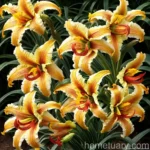
Hemerocallis ‘Lies and Lipstick’ (Reblooming Daylily)
Hemerocallis, commonly known as daylilies, are perennial flowering plants that are adored by gardeners for their beauty, resilience, and low-maintenance requirements. The Hemerocallis ‘Lies and Lipstick’ cultivar is particularly noteworthy for its exquisite appearance and reblooming characteristics.
In this comprehensive guide, we will delve into the unique features and care requirements of the Hemerocallis ‘Lies and Lipstick’ (Reblooming Daylily), exploring its cultural aspects, uses, water and sunlight needs, fertilization, soil preferences, pruning requirements, propagation techniques, container gardening tips, common diseases and pests, and valuable botanist’s tips. Additionally, we will uncover some fun and intriguing facts about this remarkable plant.
Key Takeaways – Hemerocallis ‘Lies and Lipstick’ (Reblooming Daylily)
Cultivar Name: Hemerocallis ‘Lies and Lipstick’ (Reblooming Daylily)
Botanical Family: Hemerocallidaceae
Common Name: Daylily
Special Feature: Reblooming Characteristics
Water Requirements: Average
Sunlight Needs: Full sun to partial shade
Soil Type: Well-drained
Height: 20-24 inches
Spread: 18-24 inches
USDA Hardiness Zones: 3-9
Culture
The Hemerocallis ‘Lies and Lipstick’ cultivar, like other daylilies, is adaptable and relatively easy to grow. It is celebrated for its ability to thrive in a variety of climates and soil conditions, making it a popular choice for both novice and seasoned gardeners.
Uses
- Gardens: ‘Lies and Lipstick’ daylilies are widely utilized as ornamental plants in gardens, contributing vibrant colors and unique textures to the landscape.
- Cut Flowers: The flowers of this cultivar are suitable for cutting and can be arranged in stunning floral displays, making them an excellent choice for indoor decoration.
Water
Daylilies, including Hemerocallis ‘Lies and Lipstick’, generally have average water needs. They prefer consistent moisture but are also quite drought-tolerant once established. It is crucial to ensure that the soil is well-drained to prevent waterlogging, which can lead to root rot.
Sunlight
For optimal growth and bloom production, Hemerocallis ‘Lies and Lipstick’ requires full sun to partial shade. It is recommended to provide at least 6 hours of direct sunlight per day for the best flowering performance.
Fertilizer
When it comes to fertilization, daylilies are not heavy feeders. A balanced, all-purpose fertilizer applied in spring as new growth emerges can provide the necessary nutrients for healthy plant development and vibrant blooms. Additionally, organic mulches can be used to enrich the soil and conserve moisture.
Soil
Well-drained, loamy soil is ideal for cultivating Hemerocallis ‘Lies and Lipstick’. The addition of organic matter, such as compost, can enhance soil structure and fertility, promoting robust growth and blooming.
Pruning
Pruning daylilies is relatively simple and primarily involves removing spent flower stalks and old foliage to maintain the plant’s aesthetic appeal and encourage continuous blooming. Additionally, division of clumps every few years can help rejuvenate the plant and prevent overcrowding.
Propagation
Hemerocallis ‘Lies and Lipstick’ can be propagated through division, as well as from seeds. Division is typically the preferred method, as it ensures that the new plants retain the characteristics of the parent plant. Seed propagation, on the other hand, allows for the development of new hybrid varieties.
Container Gardening
This daylily cultivar is well-suited for container gardening, adding a splash of color to patios, balconies, and other outdoor spaces. When growing Hemerocallis ‘Lies and Lipstick’ in containers, it is important to use well-draining potting mix and provide adequate sunlight and water.
Popularity
The Hemerocallis ‘Lies and Lipstick’ cultivar has gained significant popularity among gardening enthusiasts due to its captivating appearance, reliable reblooming, and versatility in various garden settings. It is a sought-after addition to perennial borders, cottage gardens, and mixed plantings, contributing its stunning blooms to the overall visual appeal.
Common Diseases
Daylilies are generally low-maintenance plants with good disease resistance. However, they can occasionally be affected by fungal diseases such as leaf spot and rust. Proper sanitation, adequate airflow, and avoiding overhead watering can help prevent these issues.
Disease Diagnosis
- Leaf Spot: Identified by the presence of round, brown spots on the foliage. Proper air circulation and the removal of infected leaves can aid in management.
- Rust: Characterized by the appearance of orange, powdery lesions on the leaves. Fungicidal sprays may be applied if the infestation is severe.
Common Pests
While daylilies are relatively resistant to pests, they may occasionally encounter challenges from pests such as aphids and spider mites.
Botanist’s Tips
- Mulching: Applying a layer of mulch around the base of daylilies can help retain soil moisture, suppress weed growth, and maintain consistent soil temperatures.
- Deadheading: Regular removal of spent blooms can encourage continuous flowering and prevent the formation of seed pods.
- Division: Dividing clumps every 3-5 years can rejuvenate plants, promote better flowering, and prevent overcrowding.
- Winter Protection: In colder climates, providing a layer of mulch or straw around the base of the plants in late fall can help protect the roots from freezing temperatures.
Fun Facts
- The word “Hemerocallis” is derived from the Greek words “hemera” meaning “day” and “kalos” meaning “beautiful,” alluding to the fleeting beauty of the flowers, which typically last for a day.
- Daylilies are edible and have a long history of culinary use in various cultures, adding color and flavor to a wide range of dishes.
Links to External Resources
For further information on Hemerocallis ‘Lies and Lipstick’ (Reblooming Daylily), you can explore the following resources:
- American Hemerocallis Society: Link
- The Daylily Society: Link
- University Extension Resources on Daylilies: Link
As we conclude this comprehensive guide, we hope that you have gained valuable insights into the captivating world of Hemerocallis ‘Lies and Lipstick’ (Reblooming Daylily). Whether you are an experienced gardener or a novice enthusiast, the beauty and resilience of this remarkable cultivar make it an excellent addition to any garden landscape, providing continuous blooming and vibrant colors throughout the growing season. Happy gardening!