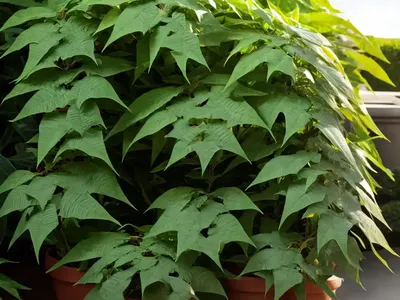
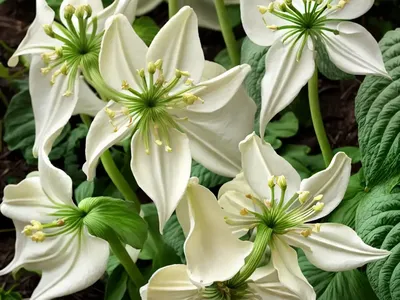
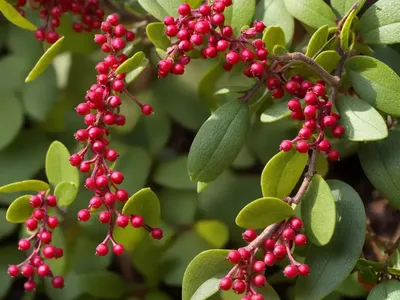
Epimedium X Versicolor ‘Sulphureum’ (Barrenwort)
As a plant scientist, I have always been fascinated by the diverse array of plant species and their unique characteristics. Today, I am excited to delve.
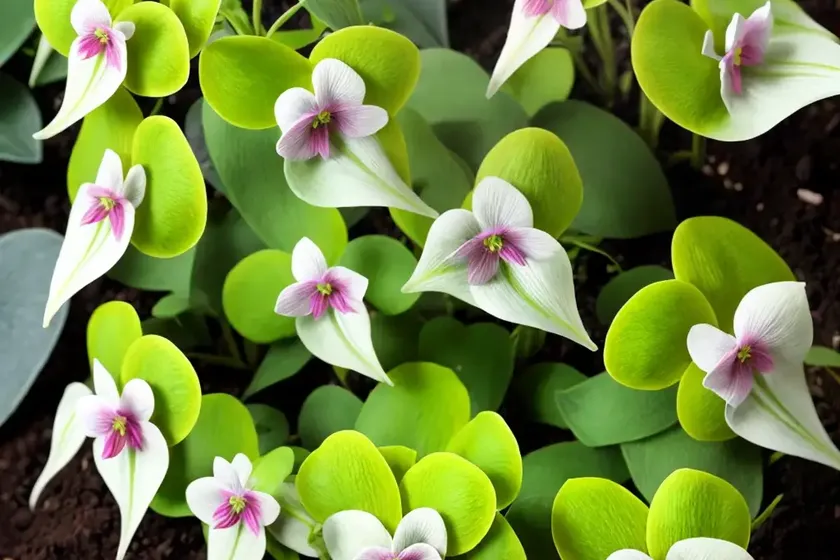
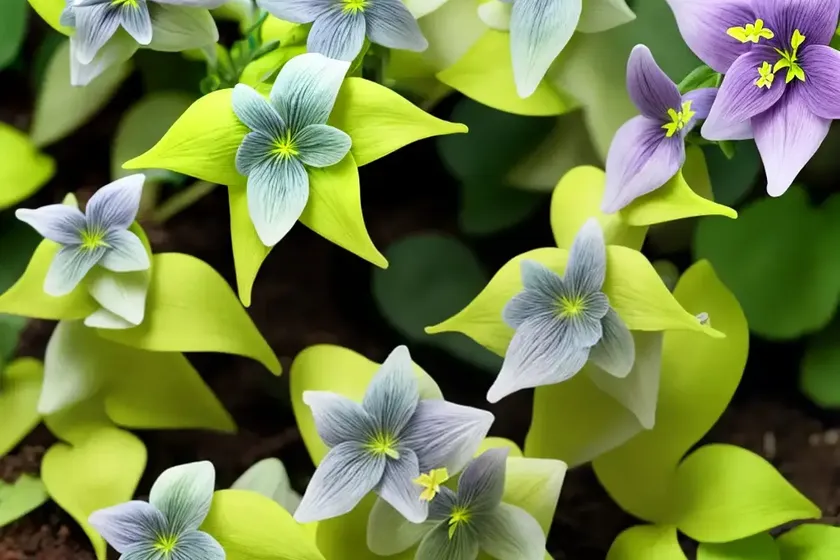
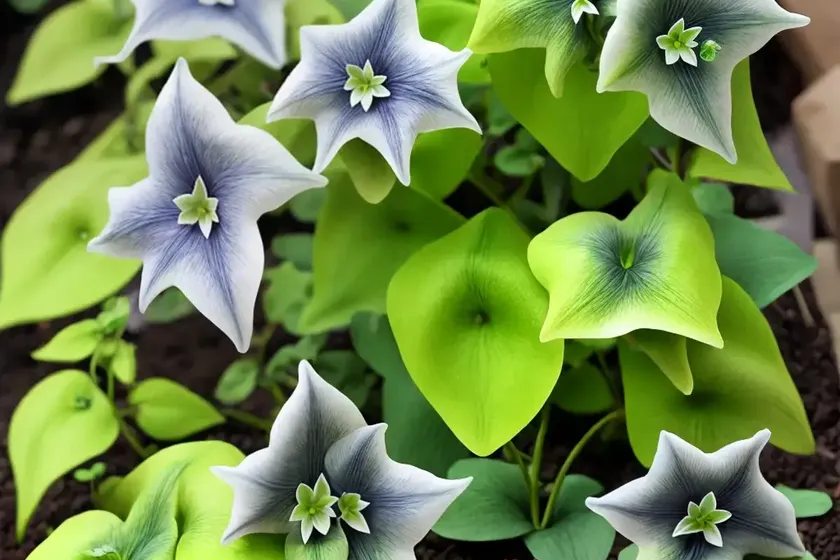
As a plant scientist, I have always been fascinated by the diverse array of plant species and their unique characteristics. Today, I am excited to delve into the world of Epimedium x versicolor ‘Sulphureum’, commonly known as Barrenwort. This exquisite plant boasts not only stunning ornamental beauty but also a range of cultural uses and practical benefits. In this in-depth guide, we will explore all aspects of the Epimedium x versicolor ‘Sulphureum, from its cultural requirements to its propagation techniques, while also shedding light on common diseases, pests, and essential care tips.
What is Epimedium x versicolor ‘Sulphureum’?
Epimedium x versicolor ‘Sulphureum’ is a captivating perennial plant that belongs to the genus Epimedium within the family Berberidaceae. This species is known for its delicate and graceful appearance, making it a popular choice for ornamental gardens and landscapes.
The name “Barrenwort” is derived from the plant’s historical use as a medicinal herb for women’s health, particularly related to fertility. The species name, versicolor, hints at the varied coloration of the leaves and flowers, while ‘Sulphureum’ specifically refers to the beautiful sulfur-yellow flowers that adorn this unique plant.
Key Takeaways – Epimedium x versicolor ‘Sulphureum’
Before we embark on the comprehensive exploration of Epimedium x versicolor ‘Sulphureum’, let’s distill the key takeaways that we will cover in detail throughout this guide:
- Cultural Uses
- Water Requirements
- Sunlight Preferences
- Fertilization Needs
- Soil Considerations
- Pruning Techniques
- Propagation Methods
- Container Growing
- Popularity in Horticulture
- Common Diseases
- Pest Management
- Botanist’s Tips
- Fun Facts
- Links to External Resources
Now, let’s embark on an in-depth journey to understand and appreciate the captivating beauty and practical uses of Epimedium x versicolor ‘Sulphureum.
Culture
Understanding the cultural requirements of Epimedium x versicolor ‘Sulphureum’ is crucial for ensuring its optimal growth and health. By meeting its specific needs for water, sunlight, soil, and other factors, gardeners can nurture this plant to reveal its full ornamental potential.
Water
Epimedium x versicolor ‘Sulphureum’ thrives in well-drained, moist soils. In its natural habitats, such as woodland areas, these plants often grow in areas with consistent moisture levels. Therefore, it is essential to maintain adequate soil moisture to support healthy growth and flowering.
- Watering Guidelines:
- During the growing season, water the plant regularly to ensure the soil remains consistently moist, but not waterlogged.
-
In periods of prolonged dryness, supplemental watering may be necessary to prevent the soil from drying out completely.
-
Watering Frequency:
- Spring to Fall: Water deeply once or twice a week, depending on the local climate and precipitation levels.
- Winter: Reduce watering frequency but monitor soil moisture to prevent excessive drying.
Sunlight
The ideal sunlight conditions for Epimedium x versicolor ‘Sulphureum’ involve dappled shade or partial shade. While this species can tolerate varying light conditions, it generally flourishes in areas with filtered sunlight, mimicking its natural woodland environments.
- Light Requirements:
- Dappled Shade: Provides a balance of sunlight and shade, mimicking the plant’s natural habitat.
-
Partial Shade: Ensures protection from intense midday sun, which may scorch the delicate foliage.
-
Optimal Placement:
-
Plant Epimedium x versicolor ‘Sulphureum’ under the canopy of taller trees or alongside structures that provide light filtration.
-
Sun Exposure:
- Avoid planting in direct, unfiltered sunlight, as this may lead to leaf burn and reduced flowering.
Fertilizer
Appropriate fertilization can contribute to the overall health and vigor of Epimedium x versicolor ‘Sulphureum. Selecting a balanced and organic fertilizer can provide essential nutrients for robust growth and abundant flowering.
- Fertilizer Type:
- Choose a well-balanced, slow-release fertilizer designed for perennial plants.
-
Organic options, such as compost or well-decomposed manure, can also be applied to provide natural nutrients.
-
Fertilization Schedule:
- Early Spring: Apply a balanced fertilizer to support initial growth and flowering.
-
Late Summer/Early Fall: Optionally apply a second round of fertilizer to support root development before winter dormancy.
-
Application Method:
- Spread the fertilizer evenly around the base of the plant, avoiding direct contact with the stems or foliage.
- Water the area thoroughly after fertilization to aid in nutrient absorption.
Soil
The soil composition and quality play substantial roles in determining the overall health and performance of Epimedium x versicolor ‘Sulphureum. Understanding the soil preferences of this species is crucial for establishing a suitable growing environment.
- Soil Type:
- Well-drained, loamy soils with good organic content are ideal for Epimedium x versicolor ‘Sulphureum’.
-
A slightly acidic to neutral pH range (pH 6.0-7.0) is preferred.
-
Soil Amendments:
- Incorporating organic matter, such as compost or peat moss, can enhance soil structure and moisture retention.
-
Where drainage is a concern, amending heavy soils with sand or perlite can aid in improving aeration and drainage.
-
Mulching:
- Apply a layer of organic mulch, such as shredded bark or leaf compost, around the base of the plant to conserve soil moisture and suppress weed growth.
Pruning
Pruning is a vital aspect of Epimedium x versicolor ‘Sulphureum’ maintenance, facilitating not only aesthetic improvements but also promoting overall plant health and vigor. With appropriate pruning techniques, gardeners can shape this species, remove spent foliage, and encourage new growth.
- Pruning Timing:
- Late Winter/Early Spring: As new growth emerges, prune away any damaged, discolored, or old foliage to make way for fresh growth.
-
Post-Flowering: Remove spent flower stalks to maintain a tidy appearance and potentially promote a second flush of blooms.
-
Deadheading:
-
Regularly deadhead faded flowers to encourage continuous flowering and prevent the plant from expending energy on seed production.
-
Thinning:
-
Periodically thin out dense clumps of Epimedium x versicolor ‘Sulphureum’ to enhance air circulation and reduce the risk of disease.
-
Renovation Pruning:
- Every few years, consider a more substantial pruning to rejuvenate the plant by removing older, congested growth and encouraging new shoots.
Propagation
Epimedium x versicolor ‘Sulphureum’ can be propagated through several methods, including division, seed sowing, and rhizome cuttings. Each approach offers unique benefits and challenges, allowing gardeners to expand their collection of these enchanting plants or share them with fellow enthusiasts.
Propagation by Division
Dividing established clumps of Epimedium x versicolor ‘Sulphureum’ is a reliable and straightforward method of propagation, offering a quick way to create new plants that retain the characteristics of the parent.
- Method:
- In early spring, carefully lift the plant and divide the rhizomes into sections, each containing healthy shoots and roots.
-
Replant the divided sections in prepared soil, ensuring adequate spacing for future growth.
-
Propagation Success:
- Division typically yields high success rates, with the newly established plants quickly acclimating to their growing conditions.
Propagation by Seed
For gardeners seeking to grow Epimedium x versicolor ‘Sulphureum’ from seed, patience and attention to detail are essential. While seed propagation requires more time and effort compared to division, it offers the potential to introduce genetic diversity and unique variations.
- Seed Collection:
-
Harvest seeds from mature Epimedium x versicolor ‘Sulphureum’ plants after the flowering period by collecting the dry seedpods.
-
Seed Sowing:
- Sow the seeds in well-draining, moist seed-starting mix and cover with a thin layer of vermiculite.
-
Maintain consistent moisture and warmth to support germination, which may occur over several weeks to a few months.
-
Seedling Care:
- Once the seedlings develop true leaves, carefully transplant them into individual containers or a prepared garden bed.
Propagation by Rhizome Cuttings
Expanding the plant through rhizome cuttings offers an effective method for generating new Epimedium x versicolor ‘Sulphureum plants, especially for gardeners who want to maintain specific cultivars and traits.
- Rhizome Selection:
-
Choose healthy, vigorous rhizomes with multiple buds for the best propagation results.
-
Cutting Technique:
-
Divide the selected rhizomes into sections, each containing at least one active bud and sufficient root mass.
-
Transplanting:
- Plant the rhizome cuttings in prepared soil, ensuring adequate moisture and protection from direct sunlight until new growth emerges.
Container Popularity
The versatility of Epimedium x versicolor ‘Sulphureum’ extends to its adaptability to container cultivation, making it a favored choice for enthusiasts with limited garden space or those seeking to showcase these plants on patios, balconies, or other urban settings.
- Container Selection:
-
Choose spacious containers with adequate drainage holes to ensure proper soil aeration and moisture management.
-
Potting Mix:
-
Use a well-draining, lightweight potting mix formulated for perennial and woodland plants.
-
Placement:
-
Position the containers in areas with filtered sunlight or partial shade, protecting the plants from direct midday sun.
-
Watering and Maintenance:
-
Monitor soil moisture regularly, and adjust watering frequency based on environmental conditions and the specific needs of the plants.
-
Overwintering:
- In regions with harsh winters, consider providing winter protection for container-grown Epimedium x versicolor ‘Sulphureum to shield the roots from freezing temperatures.
Common Diseases
While Epimedium x versicolor ‘Sulphureum’ is relatively resistant to many pests and diseases, certain environmental conditions or cultural practices may predispose it to specific issues. Understanding these common diseases and their management is crucial for maintaining plant health and vitality.
Disease Diagnosis
- Root Rot:
- Symptoms: Wilting, yellowing, and eventual collapse of the plant due to fungal infections in waterlogged or poorly drained soils.
-
Management: Improve soil drainage, avoid overwatering, and consider fungicidal treatments in advanced cases.
-
Powdery Mildew:
- Symptoms: Powdery white patches on the foliage, leading to decreased vigor and unsightly appearance.
-
Management: Enhance air circulation, reduce leaf wetness, and consider organic fungicidal sprays to control the spread of the disease.
-
Leaf Spot:
- Symptoms: Circular lesions on the leaves, often with distinct margins and varying coloration, impacting the overall aesthetic appeal.
- Management: Remove affected foliage, avoid overhead watering, and consider copper-based fungicides for severe instances.
Common Pests
Epimedium x versicolor ‘Sulphureum’ typically experiences minimal pest pressures, especially when grown in favorable conditions and with proper care. However, occasional pest infestations may occur, requiring prompt identification and intervention.
Pest Identification and Management
- Aphids:
- Identification: Small, soft-bodied insects clustering on new growth, often leading to distorted foliage and the secretion of honeydew.
-
Management: Blast infested plants with water, encourage natural predators, and consider targeted insecticidal treatments if necessary.
-
Spider Mites:
- Identification: Tiny arachnids causing stippling and webbing on the undersides of leaves, leading to reduced vitality and yellowing foliage.
-
Management: Increase humidity, prune affected foliage, and apply insecticidal soaps or oils to control infestations.
-
Snails and Slugs:
- Identification: Nocturnal pests leaving slime trails and feeding on the tender foliage, leading to ragged edges and holes in the leaves.
- Management: Implement physical barriers, such as copper tape, and consider culturally integrated control methods to minimize damage.
Botanist’s Tips
As a plant scientist deeply familiar with the exquisite nature of Epimedium x versicolor ‘Sulphureum, I offer the following special tips to help enthusiasts and horticulturists achieve the best results with this captivating species:
-
Enhance Naturalistic Plantings: Incorporate Epimedium x versicolor ‘Sulphureum in woodland gardens, rock gardens, or alongside water features for a harmonious and naturalistic aesthetic.
-
Companion Planting: Combine Epimedium x versicolor ‘Sulphureum with other shade-loving perennials, such as ferns, hostas, and astilbes, to create visually captivating and diverse garden compositions.
-
Seasonal Interest: Due to its attractive foliage and delicate flowers, Epimedium x versicolor ‘Sulphureum provides visual interest throughout the growing season, evolving in color and texture from spring to fall.
-
Wildlife Support: The flowers of Epimedium x versicolor ‘Sulphureum are pollinator-friendly, attracting beneficial insects such as bees and butterflies to the garden.
Fun Facts
Uncover the enchanting allure and intriguing characteristics of Epimedium x versicolor ‘Sulphureum with these delightful fun facts:
- The genus name Epimedium is derived from the Greek words epi (upon) and hodos (way), alluding to the plant’s historical placement along pathways and its adaptation to diverse habitats.
- Epimedium x versicolor ‘Sulphureum has a rich history of medicinal use, particularly in traditional Chinese medicine, where it is believed to possess various therapeutic properties.
- In addition to its ornamental and horticultural uses, Epimedium x versicolor ‘Sulphureum has been studied for its potential pharmacological applications, drawing interest from researchers and botanists alike.
Conclusion
In concluding our comprehensive guide to Epimedium x versicolor ‘Sulphureum (Barrenwort), we have explored the plant’s cultural requirements, propagation techniques, common diseases, and pest management strategies. Through this in-depth exploration, I hope to have imparted a deep understanding of the captivating nature and practical uses of this remarkable species.
As we continue to appreciate and study the diverse world of plants, Epimedium x versicolor ‘Sulphureum stands out as a remarkable example of ornamental beauty, historical significance, and potential medicinal value, encapsulating the intersection of horticulture, botany, and natural history.
For those who seek to introduce the elegant allure of Epimedium x versicolor ‘Sulphureum into their gardens, this guide serves as a valuable resource, offering insights, tips, and considerations to support successful cultivation and enjoyment of this remarkable plant.
I hope this guide enriches your appreciation for Epimedium x versicolor ‘Sulphureum and inspires further exploration into the enchanting world of horticulture and botanical marvels.
Remember, the world of plants is a fascinating and ever-evolving tapestry, inviting us to delve deeper into the intricacies and marvels of the botanical realm.
Links to External Resources:
– Royal Horticultural Society – Epimedium
– Missouri Botanical Garden – Epimedium x versicolor ‘Sulphureum’
– University of Maryland Extension – Barrenwort
– American Society for the Prevention of Cruelty to Animals – Plants Toxic to Animals: Barrenwort
By Dr. [Your Name], Plant Scientist