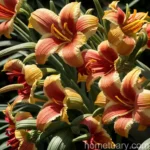
Hemerocallis ‘Centerton One’ (Reblooming Daylily): A Comprehensive Guide
Hemerocallis ‘Centerton One’, also known as the Reblooming Daylily, is a captivating and low-maintenance perennial that is cherished by gardeners for its remarkable beauty and resilience. This stunning plant belongs to the Hemerocallis genus and is prized for its long blooming period and vibrant blooms. In this comprehensive guide, we will delve into the various aspects of Hemerocallis ‘Centerton One’, including its characteristics, cultivation, maintenance, and its diverse uses in gardens and landscapes.
Key Takeaways: Hemerocallis ‘Centerton One’ (Reblooming Daylily)
Before we embark on our exploration of Hemerocallis ‘Centerton One’, let’s take a moment to highlight some key takeaways:
- Hemerocallis ‘Centerton One’ is a re-blooming daylily that offers an extended blooming period, bringing continual beauty to gardens.
- This daylily variety is known for its remarkable resilience and ability to thrive with minimal care, making it an excellent choice for both experienced and novice gardeners.
- Its vibrant and captivating blooms, coupled with its low-maintenance nature, make it an ideal addition to various garden settings, including borders, mixed beds, and containers.
- Hemerocallis ‘Centerton One’ exhibits excellent disease resistance and can attract pollinators, adding to the biodiversity of the garden.
- Its adaptability to diverse climatic conditions and soil types further enhances its appeal, making it a versatile and popular choice for gardeners worldwide.
What is Hemerocallis ‘Centerton One’?
Hemerocallis ‘Centerton One’ is a hybrid daylily cultivar that is renowned for its reblooming characteristics and striking floral display. Belonging to the Hemerocallis genus, this perennial plant is a cultivar of the daylily species, known for its resilience and adaptability. Its botanical name “Hemerocallis” is derived from two Greek words, “hemera,” meaning “day,” and “kalos,” meaning “beautiful,” alluding to the enchanting and fleeting beauty of its blooms, which typically last for just one day.
The ‘Centerton One’ cultivar is celebrated for its extended blooming period, with multiple flowering cycles throughout the growing season. This exceptional trait distinguishes it from traditional daylilies and has contributed to its popularity among gardeners seeking a long-lasting and vibrant floral display.
Hemerocallis ‘Centerton One’ Description
Plant Characteristics
Hemerocallis ‘Centerton One’ exhibits a range of distinctive characteristics that contribute to its allure and desirability in garden settings. Understanding its features is crucial for effectively cultivating and appreciating this remarkable plant.
-
Foliage: The plant is adorned with grass-like, arching, and linear leaves that provide an attractive backdrop to its blooming stems. The foliage is typically deep green and forms dense clumps, creating a visually appealing and lush display even when the plant is not in bloom.
-
Flowers: The blooms of Hemerocallis ‘Centerton One’ are a hallmark of its appeal, showcasing a wide array of vibrant colors, including rich yellows, oranges, pinks, and reds. The flowers are trumpet-shaped and often accompanied by prominent stamens and pistils, adding to their visual intrigue. The cultivar’s ability to produce multiple rounds of blooms throughout the season enhances the overall impact of its floral display, ensuring a continuous burst of color in the garden.
-
Form: As a clump-forming perennial, Hemerocallis ‘Centerton One’ develops dense and vigorous growth, forming mounds of foliage and flowering stems. This growth habit contributes to its resilience and ability to thrive in various garden settings, making it a versatile and valuable addition to diverse landscapes.
Reblooming Daylilies
One of the most noteworthy features of Hemerocallis ‘Centerton One’ is its status as a reblooming daylily. Unlike conventional daylily varieties that produce flowers for a limited period, typically spanning a few weeks, this cultivar is prized for its capacity to bloom repeatedly throughout the season. The reblooming trait extends the plant’s ornamental value and ensures that it continues to enrich the garden with its captivating flowers over an extended period.
The prolonged bloom time of Hemerocallis ‘Centerton One’ not only enhances the visual appeal of the garden but also provides a continuous supply of nectar and pollen, attracting and supporting pollinators such as bees and butterflies. This contribution to the garden’s ecological dynamics underscores its significance beyond its aesthetic attributes.
Hemerocallis ‘Centerton One’: Growing and Care Guide
Successfully cultivating Hemerocallis ‘Centerton One’ and nurturing its remarkable qualities requires an understanding of its specific cultural requirements and maintenance needs. From sunlight exposure to soil preferences, each aspect plays a crucial role in ensuring the plant’s robust growth and prolific blooming.
Culture
Uses
Hemerocallis ‘Centerton One’ boasts a wide range of uses, both aesthetic and functional, making it a versatile and valuable addition to diverse garden settings. Some common uses include:
-
Bordered Gardens: The vibrant and long-lasting blooms of Hemerocallis ‘Centerton One’ make it a popular choice for bordered gardens, where its striking colors can serve as attention-grabbing focal points.
-
Mixed Beds: When planted alongside other perennials or shrubs, the daylily’s clumping growth habit and colorful flowers can contribute to visually captivating mixed beds, adding diversity and interest to the planting scheme.
-
Containers: Due to its adaptability to container cultivation, Hemerocallis ‘Centerton One’ can be utilized to enhance patio, balcony, or terrace spaces, bringing a touch of natural beauty to urban and confined settings.
-
Cut Flowers: The flowers of Hemerocallis ‘Centerton One’ can be harvested for floral arrangements, providing an abundant supply of fresh and vibrant blooms for indoor decoration and display.
-
Erosion Control: The dense and vigorous growth of the daylily is effective in stabilizing soil and preventing erosion, making it a practical choice for landscaping projects in regions prone to soil displacement.
Water
Proper watering practices are essential for the health and vitality of Hemerocallis ‘Centerton One’. Understanding the plant’s water requirements and implementing appropriate irrigation strategies is key to ensuring optimal growth and flowering.
-
Regular Moisture: While tolerant of occasional dry spells, Hemerocallis ‘Centerton One’ thrives in consistently moist soil. Adequate moisture levels are particularly crucial during the active growing season and flowering periods. To maintain soil moisture, consider applying mulch around the base of the plant to mitigate evaporation and conserve water.
-
Avoid Waterlogging: While the plant appreciates adequate moisture, it is important to prevent waterlogging, as excessively wet soil can lead to root rot and other detrimental issues. Ensure proper drainage in the planting area and avoid overwatering, especially in heavy or compacted soils.
-
Establishment Period: During the initial establishment phase after planting or transplanting, provide sufficient water to support the development of a strong and extensive root system. Regular monitoring of soil moisture and adjustment of watering frequency based on weather conditions and seasonal variations are recommended during this critical phase.
Sunlight
Proper exposure to sunlight is paramount for the growth, flowering, and overall performance of Hemerocallis ‘Centerton One’. Understanding its sunlight requirements is essential for selecting an appropriate planting location and ensuring optimal conditions for the plant’s development.
-
Full Sun: Hemerocallis ‘Centerton One’ thrives in full sun to partial shade, exhibiting robust growth and prolific flowering when provided with ample sunlight. In areas with hot and intense summers, partial shade during the hottest part of the day can be beneficial, protecting the plant from potential sunburn and heat stress.
-
Morning Sun: When possible, prioritize morning sun exposure, as it allows the foliage to dry quickly, reducing the risk of fungal diseases and promoting overall plant health. However, the cultivar’s ability to tolerate a wide range of light conditions makes it adaptable to various garden settings, including those with partial shade or dappled sunlight.
Fertilizer
Incorporating a balanced and targeted fertilization regimen is instrumental in supporting the growth and blooming capacity of Hemerocallis ‘Centerton One’. By providing essential nutrients, the plant can maintain vigor and produce an abundance of vibrant blooms throughout the growing season.
-
Nutrient Requirements: Hemerocallis ‘Centerton One’ benefits from regular applications of a balanced, slow-release fertilizer formulated for flowering perennials. Look for products with a formulation such as 10-10-10 or 5-10-5, providing equal or higher phosphorus content to support robust flower development.
-
Application Timing: Commence fertilization in early spring as the plant emerges from dormancy, supplying a controlled-release fertilizer according to the manufacturer’s recommendations. Subsequent applications can be made at intervals of 4-6 weeks throughout the growing season, ensuring a steady supply of essential nutrients for sustained growth and flowering.
-
Avoid Excessive Nitrogen: While nitrogen is crucial for overall plant growth, excessive nitrogen levels can lead to lush foliage at the expense of blooming. To avoid this imbalance, opt for a fertilizer with a moderate nitrogen content and higher levels of phosphorus and potassium to promote healthy blooms and enhance the plant’s ornamental value.
Soil
The selection and preparation of suitable soil are pivotal in establishing favorable growing conditions for Hemerocallis ‘Centerton One’. Understanding its soil preferences and implementing appropriate soil preparation practices are fundamental to its long-term health and vigor.
-
Well-Drained Soil: Hemerocallis ‘Centerton One’ thrives in well-drained soil, avoiding waterlogged or excessively compacted conditions that can impede root development and lead to moisture-related issues. Ideal soil structure facilitates healthy root growth and nutrient uptake, promoting the plant’s overall resilience and performance.
-
Organic Matter: Enhance the soil’s fertility and texture by incorporating organic matter, such as compost, well-rotted manure, or peat moss, into the planting area. Organic amendments improve soil structure, moisture retention, and nutrient levels, fostering an optimal environment for the growth and development of the daylily.
-
pH Levels: Hemerocallis ‘Centerton One’ thrives in slightly acidic to neutral soil with a pH range of 6.0 to 7.0. Conduct a soil test to determine the existing pH and make adjustments as necessary to ensure that the plant’s nutrient uptake is optimized and potential pH-related issues are mitigated.
Pruning
Pruning plays a crucial role in maintaining the health, visual appeal, and blooming performance of Hemerocallis ‘Centerton One’. By implementing proper pruning techniques, gardeners can manage the plant’s growth, tidy its appearance, and facilitate continuous flowering.
-
Faded Blooms: Regularly remove spent flowers and seed heads to promote additional blooming and prevent the allocation of energy to seed production. Deadheading allows the plant to redirect its resources towards new flower production, extending the blooming period and enhancing the overall floral display.
-
Foliage Cleanup: Periodic removal of yellowing or damaged foliage helps maintain the plant’s aesthetic appeal and reduces the risk of disease development. Trim back unsightly or withered leaves, especially during and after the blooming period, to promote a tidy and vibrant appearance.
-
Division: Over time, mature clumps of Hemerocallis ‘Centerton One’ may become crowded, compromising their vigor and blooming capacity. Dividing the clumps every few years, typically in early spring or after the blooming season, rejuvenates the plants, encourages new growth, and enhances their long-term performance.
Propagation
The propagation of Hemerocallis ‘Centerton One’ enables gardeners to expand their plant collection, share the cultivar with others, and renew aging or declining specimens. Understanding the various methods of propagation equips enthusiasts with the knowledge and skills to multiply their beloved daylily variety successfully.
-
Division: Division of mature clumps is a common and reliable method of propagating Hemerocallis ‘Centerton One’. Dividing the plant every 3-4 years or as needed allows gardeners to create new, vigorous divisions, each with its own root system and growth potential.
-
Rhizome Cuttings: Rhizome cuttings can be employed to propagate Hemerocallis ‘Centerton One’, providing a means of generating new plants from healthy and mature rhizomes. By carefully separating sections of the rhizome and establishing them in suitable growing conditions, gardeners can propagate the cultivar and ensure its continued presence in their gardens.
Container Popularity
The versatility and adaptability of Hemerocallis ‘Centerton One’ have contributed to its popularity in container gardening, making it a sought-after choice for enthusiasts seeking to enhance their outdoor living spaces, balconies, or patios with vibrant and durable plants.
-
Patio Gardens: The compact growth habit and floriferous nature of Hemerocallis ‘Centerton One’ make it a valuable addition to patio gardens, where its container-grown presence can enliven smaller outdoor spaces while demanding minimal maintenance.
-
Balcony Settings: In urban and confined settings, where access to open garden beds may be limited, the daylily’s suitability for container cultivation allows individuals to enjoy its beauty and resilience, even in restricted spaces such as balconies and terraces.
-
Seasonal Displays: Utilize containers planted with Hemerocallis ‘Centerton One’ to create seasonal displays, incorporating other annuals or perennials to complement and enhance its ornamental qualities. By selecting containers of appropriate size and design, enthusiasts can customize their outdoor environments and experiment with various compositions.
Common Diseases
While Hemerocallis ‘Centerton One’ exhibits notable disease resistance, it is important to remain vigilant and proactive in addressing potential health issues that may affect the plant. Familiarizing oneself with common diseases and their management is crucial for safeguarding the daylily’s vitality and longevity.
Disease Diagnosis
-
Fungal Diseases: Keep an eye out for signs of fungal diseases such as powdery mildew, leaf spot, or rust, which can affect the foliage and overall health of the plant. Early detection and prompt intervention are essential in managing fungal issues, often necessitating the use of appropriate fungicidal treatments or cultural practices to mitigate their impact.
-
Viral Infections: Symptoms of viral infections, including stunted growth, distorted foliage, and abnormal flower development, may manifest in Hemerocallis ‘Centerton One’. Proper sanitation practices, such as disinfecting tools and removing and destroying infected plants, are crucial in preventing the spread of viral diseases in the garden.
-
Bacterial Pathogens: Bacterial infections, although less common, can occur in daylilies, leading to issues such as soft rot or leaf streak. Maintain proper hygiene, optimal growing conditions, and avoid overwatering to minimize the risk of bacterial diseases and promote the plant’s natural defenses against pathogens.
Common Pests
While generally resistant to pests, Hemerocallis ‘Centerton One’ may occasionally encounter pest-related challenges that warrant attention and proactive management. Identifying potential culprits and implementing targeted pest control measures can protect the plant from undue stress and damage.
-
Aphids: These small, sap-sucking insects may infest the foliage and flower buds of Hemerocallis ‘Centerton One’, leading to distorted growth and reduced plant vigor. Employ natural predators, such as ladybugs, or use insecticidal soaps to mitigate aphid populations and safeguard the plant’s health.
-
Thrips: Thrips can cause stippling and silvery discoloration on the leaves and buds of Hemerocallis ‘Centerton One’, impacting the plant’s aesthetic appeal. Monitoring for thrips and implementing appropriate cultural and chemical control measures can help manage their presence and minimize their impact on the daylily.
-
Spider Mites: These tiny arachnids may infest the foliage of Hemerocallis ‘Centerton One’, leading to stippled and discolored leaves. Maintaining adequate air circulation, regular monitoring, and the selective use of miticides can help deter and manage spider mite infestations, preserving the plant’s health and vitality.
Botanist’s Tips
Armed with a deeper understanding of the unique qualities and cultivation requirements of Hemerocallis ‘Centerton One’, gardeners can optimize their efforts and ensure the plant’s success in various garden settings. To further enrich the experience of cultivating this remarkable daylily, consider the following botanist’s tips:
-
Mulching: Apply a layer of organic mulch around the base of Hemerocallis ‘Centerton One’ to conserve soil moisture, suppress weed growth, and insulate the root zone. Mulching also contributes to a tidier appearance and reduces the frequency of watering, benefiting the plant’s overall health.
-
Supportive Companions: Pair Hemerocallis ‘Centerton One’ with complementary companion plants that accentuate its colors, textures, and growth habits. Select perennials, ornamental grasses, or flowering shrubs that harmonize with the daylily, creating visually engaging and cohesive plant combinations in garden beds and borders.
-
Regular Monitoring: Routinely inspect the plant for signs of disease, pest infestations, and general health indicators. Early detection of issues allows for timely intervention and can prevent minor problems from escalating, ensuring the long-term well-being of Hemerocallis ‘Centerton One’.
-
Seasonal Maintenance: Tailor maintenance practices to the plant’s seasonal requirements, addressing tasks such as fertilization, division, and pruning at appropriate times. By aligning maintenance activities with the plant’s growth cycles, gardeners can optimize their efforts and support the daylily’s continuous performance.
Fun Facts
Discover intriguing and captivating facts about Hemerocallis ‘Centerton One’ that illuminate its charm and significance in garden landscapes:
-
Historical Significance: Daylilies, including the Hemerocallis genus, have been cultivated for centuries and hold cultural and symbolic importance in various civilizations, representing concepts such as renewal, purity, and resilience.
-
Edible Flowers: While not all daylily varieties are edible, certain cultivars, including Hemerocallis ‘Centerton One’, produce edible blooms that can be incorporated into culinary creations, adding a touch of color and subtle sweetness to dishes.
-
Hybridization Diversity: The Hemerocallis genus encompasses an extensive array of hybrid cultivars, showcasing a diverse spectrum of flower colors, sizes, forms, and reblooming characteristics, offering enthusiasts a wide range of options to explore and enjoy.
-
Longevity: With proper care, Hemerocallis ‘Centerton One’ can thrive for years, forming expansive clumps and continually enriching the garden with its vivid and enduring floral displays.
Links to External Resources
To delve deeper into the world of Hemerocallis ‘Centerton One’ and expand your knowledge of this captivating daylily variety, consider exploring the following resources:
By leveraging the insights