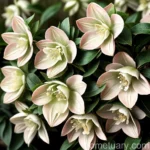
Helleborus x hybridus ‘Harvington Double White’ (Hellebore): A Comprehensive Guide
Helleborus x hybridus ‘Harvington Double White’, commonly known as Hellebore, is a breathtaking perennial plant that offers a delightful addition to any garden. This species is highly esteemed for its exquisite double white blooms and its ability to thrive in shaded areas. Whether you’re an experienced gardener or just beginning to explore the wonders of plant cultivation, this comprehensive guide aims to provide you with all the essential information you need to cultivate and care for this stunning plant.
What is Helleborus x hybridus ‘Harvington Double White’?
Helleborus x hybridus ‘Harvington Double White’ is a member of the Ranunculaceae family and is popularly known as the Lenten rose. This plant is a hybrid hellebore, resulting from the crossbreeding of various Helleborus species.
Key Takeaways – Helleborus x hybridus ‘Harvington Double White’
Before delving into the finer details of this magnificent plant, here are some key takeaways to keep in mind:
- Botanical Name: Helleborus x hybridus ‘Harvington Double White’
- Common Name: Hellebore
- Flower Color: White
- Plant Type: Perennial
- Sunlight Requirements: Partial shade to full shade
- Watering Needs: Moderate
- Soil Type: Well-draining, fertile soil
- USDA Hardiness Zones: 4-9
Now, let’s explore the various aspects of Helleborus x hybridus ‘Harvington Double White’ in more detail, from its culture and uses to its care requirements and propagation techniques.
Culture
Cultivating Helleborus x hybridus ‘Harvington Double White’ can be a truly rewarding experience, provided that you understand its specific cultural requirements. Here’s what you need to know about the culture of this exquisite plant:
Uses
The Hellebore plant has been cherished for centuries, not only for its aesthetic appeal but also for its medicinal properties. Here are some common uses of Helleborus x hybridus ‘Harvington Double White’:
- Ornamental Plant: With its stunning, long-lasting blooms, the Hellebore is often used as a decorative addition to gardens, borders, and woodland settings.
- Medicinal Purposes: In traditional herbal medicine, certain hellebore species have been used for their purported medicinal properties, although caution is advised due to their toxicity.
Water
Proper watering is crucial for the health and vitality of Helleborus x hybridus ‘Harvington Double White’. As a general rule, it’s essential to ensure that the plant’s soil remains consistently moist, especially during the growing season. However, excess water should be avoided to prevent waterlogged conditions, which can lead to root rot.
Sunlight
One of the key characteristics of Helleborus x hybridus ‘Harvington Double White’ is its preference for partial to full shade. While it can tolerate some morning sun, it generally thrives in shaded areas, making it an ideal choice for gardens with limited direct sunlight.
Fertilizer
When it comes to fertilizing Helleborus x hybridus ‘Harvington Double White’, a balanced, slow-release fertilizer can help promote healthy growth and abundant blooms. Apply the fertilizer in early spring to provide the plant with the nutrients it needs throughout the growing season.
Soil
An essential aspect of Helleborus x hybridus ‘Harvington Double White’ culture is the soil in which it is planted. The plant thrives in well-draining, fertile soil with a slightly acidic to neutral pH. Amending the soil with organic matter, such as compost, can improve its structure and fertility, providing an excellent growing medium for the Hellebore.
Pruning
Proper pruning plays a vital role in maintaining the health and appearance of Helleborus x hybridus ‘Harvington Double White’. Here are some essential tips for pruning this beautiful plant:
- Removing Spent Blooms: Deadheading spent blooms can encourage the plant to produce new flowers and prevents self-seeding, as some hellebore species can self-sow prolifically.
- Trimming Leaves: In late winter or early spring, trim back any remaining tattered or damaged leaves to promote fresh growth and improve the plant’s overall appearance.
Propagation
If you’re eager to propagate Helleborus x hybridus ‘Harvington Double White’ to expand its presence in your garden or share its beauty with others, there are several methods you can employ:
- Division: Divide mature hellebore plants in late summer or early autumn, ensuring that each division has sufficient roots and foliage to support its growth.
- Seeds: Collect seeds from mature hellebore plants and sow them in containers or prepared garden beds, providing the necessary conditions for germination and seedling growth.
Container Popularity
Helleborus x hybridus ‘Harvington Double White’ is an exceptionally popular choice for container gardening. Its compact growth habit and captivating blooms make it a sought-after addition to container displays, whether on patios, balconies, or within the garden landscape.
Common Diseases
Like any other plant, Helleborus x hybridus ‘Harvington Double White’ is susceptible to certain diseases that can impact its health and vigor. Understanding these common diseases can help you take proactive measures to prevent their occurrence and mitigate their effects.
Disease Diagnosis
Some common diseases that may affect Helleborus x hybridus ‘Harvington Double White’ include:
- Botrytis Blight: This fungal disease can cause unsightly spots on the leaves and stems, leading to decay and deterioration of the affected plant parts.
- Black Death: Caused by a complex of viruses, black death can result in dark patches on the leaves, stunted growth, and overall decline in plant health.
Common Pests
In addition to diseases, certain pests can pose a threat to the well-being of Helleborus x hybridus ‘Harvington Double White’. By familiarizing yourself with these common pests, you can implement pest management strategies to safeguard your plant.
Botanist’s Tips
As a plant scientist with a deep appreciation for Helleborus x hybridus ‘Harvington Double White’ and its botanical wonders, here are some expert tips to help you cultivate and care for this exceptional plant:
- Soil Requirements: Ensure that the soil is well-draining and rich in organic matter to provide an optimal growing medium for the Hellebore.
- Sun Exposure: While the plant prefers partial to full shade, it can benefit from some morning sun, especially in cooler climates.
- Drought Tolerance: Despite its preference for moist soil, Helleborus x hybridus ‘Harvington Double White’ exhibits a good level of drought tolerance once established, making it a resilient plant in various conditions.
Fun Facts
To appreciate the unique charm of Helleborus x hybridus ‘Harvington Double White’ even further, here are some fascinating fun facts about this captivating plant:
- Longevity: Helleborus x hybridus ‘Harvington Double White’ is a long-lived perennial, capable of gracing the garden with its beauty for many years.
- Winter Interest: The evergreen foliage of Helleborus x hybridus ‘Harvington Double White’ provides visual interest throughout the winter months, ensuring that the garden remains vibrant and appealing, even in the colder season.
- Wildlife Attraction: The enchanting blooms of Helleborus x hybridus ‘Harvington Double White’ can attract pollinators, such as bees, adding to the ecological value of the plant.
Links to External Resources
For further insight into Helleborus x hybridus ‘Harvington Double White’ and its care, cultivation, and uses, consider exploring the following resources:
- Royal Horticultural Society: Hellebores
- Missouri Botanical Garden: Helleborus x hybridus
- American Society for the Prevention of Cruelty to Plants: Growing Hellebores
- University of Illinois Extension: Hellebores
Conclusion
In conclusion, Helleborus x hybridus ‘Harvington Double White’ is undoubtedly a remarkable plant that deserves a place of honor in any garden. Its delightful white blooms, shade tolerance, and relatively low maintenance requirements make it an excellent choice for both novice and experienced gardeners. By embracing the knowledge and insights shared in this comprehensive guide, you can embark on a rewarding journey of cultivating and caring for this exquisite perennial, and witness firsthand the enduring beauty and charm of the Hellebore.