Helleborus Walberton’s Rosemary (Hellebore)
Helleborus Walberton’s Rosemary, commonly known as Hellebore, is a genus of perennial plants that add beauty and elegance to gardens, especially during.
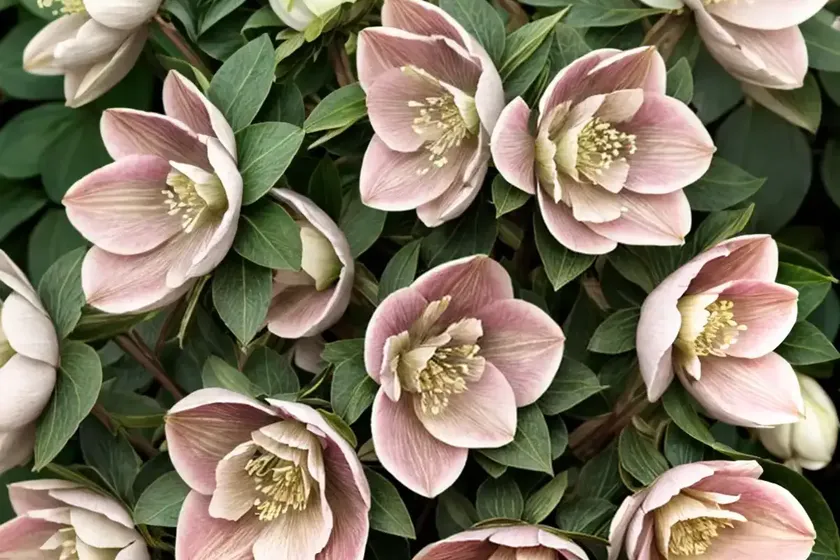
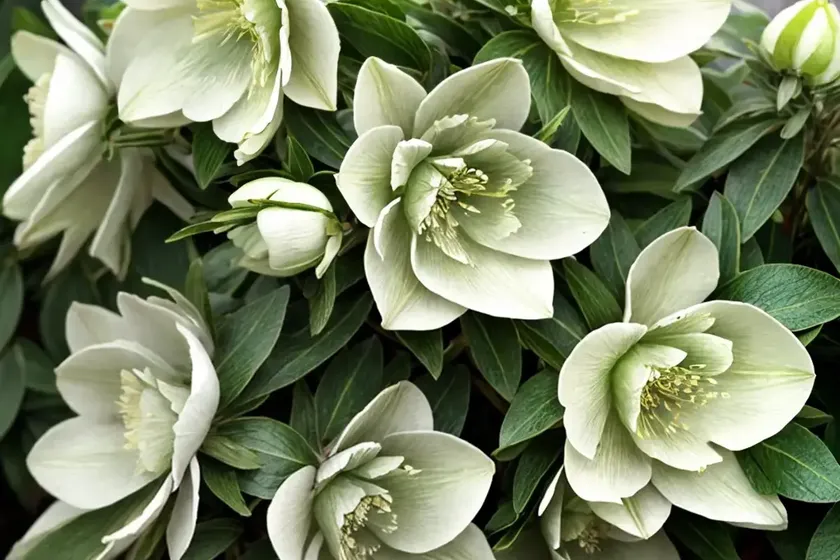
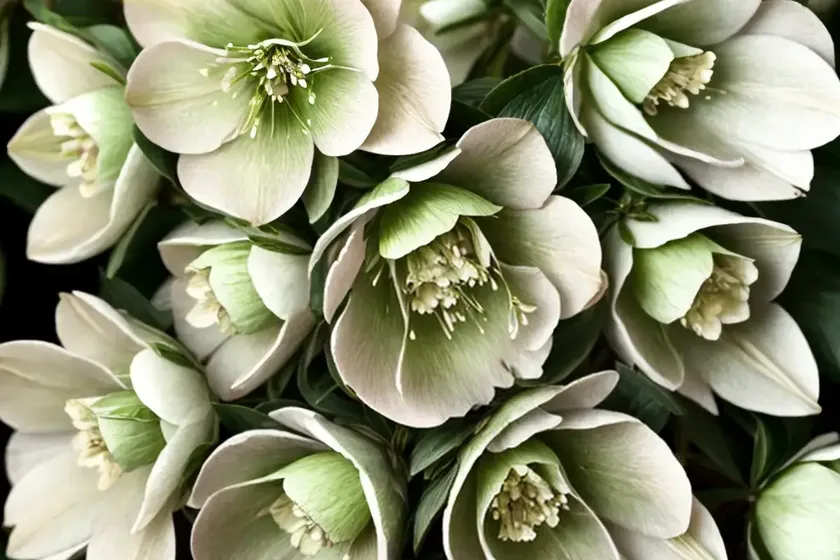
Helleborus Walberton’s Rosemary, commonly known as Hellebore, is a genus of perennial plants that add beauty and elegance to gardens, especially during winter. Hellebores are hailed for their exquisite flowers, various species, and adaptability to different climates and soil types. Whether you are an experienced gardener or just starting with your green thumb journey, learning about the Helleborus Walberton’s Rosemary plants will provide you with valuable insights into their culture, uses, and maintenance. In this comprehensive guide, we will delve into the world of Helleborus Walberton’s Rosemary, exploring everything from their cultural requirements and propagation to common diseases and botanist’s tips for their care and maintenance.
What is Helleborus Walberton’s Rosemary (Hellebore)?
Helleborus, also known as Hellebore, belongs to the Ranunculaceae family and encompasses a diverse group of plants. The name “Hellebore” is derived from the Greek words “elein” (to injure) and “bora” (food), indicating its toxicity when consumed. Despite their toxic properties, Hellebores are coveted for their delicate, cup-shaped flowers that bloom in a variety of colors, including shades of white, pink, purple, green, and even dark red, often with distinctive and intricate markings.
One of the popular varieties in the Helleborus genus is Helleborus Walberton’s Rosemary. This specific cultivar is prized for its stunning blooms and unique foliage, making it an attractive addition to gardens, especially during the winter months. As we explore the world of Helleborus Walberton’s Rosemary plants, we will investigate their culture, uses, watering needs, sunlight requirements, soil preferences, and much more to equip you with the knowledge needed to cultivate and care for these beautiful plants.
Key Takeaways – Helleborus Walberton’s Rosemary (Hellebore)
Before delving into the detailed aspects of Helleborus Walberton’s Rosemary, let’s outline the key takeaways that will be covered in this guide. Understanding these essential points will provide a strong foundation for successfully growing and maintaining Hellebore plants in your garden.
Culture
- Comprehensive understanding of the cultural requirements for Helleborus Walberton’s Rosemary, including suitable climatic conditions, soil preferences, and ideal planting locations.
Uses
- Exploring the various uses of Helleborus Walberton’s Rosemary in landscaping, including their role in garden design, arrangements, and as cut flowers.
Water
- Insight into the watering requirements for Helleborus Walberton’s Rosemary, including optimal watering frequency, moisture levels, and strategies for maintaining soil moisture.
Sunlight
- Understanding the sunlight preferences of Helleborus Walberton’s Rosemary, including their tolerance to different light conditions and ideal exposure for healthy growth.
Fertilizer
- Guidelines for fertilizing Helleborus Walberton’s Rosemary, including suitable fertilizer types, application methods, and timing for optimal plant nutrition.
Soil
- Analysis of the soil requirements for Helleborus Walberton’s Rosemary, including soil composition, pH levels, and strategies for improving soil quality.
Pruning
- Techniques and best practices for pruning Helleborus Walberton’s Rosemary, including the ideal timing, tools, and methods for maintaining plant health and appearance.
Propagation
- Insight into the propagation methods for Helleborus Walberton’s Rosemary, including seed propagation, division, and other asexual reproduction techniques.
Container Popularity
- Understanding the growing popularity of cultivating Helleborus Walberton’s Rosemary in containers and suitable practices for container gardening.
Container Common Diseases
- Identification of common diseases affecting Helleborus Walberton’s Rosemary when grown in containers and measures for disease prevention and management.
Disease Diagnosis
- Strategies for diagnosing diseases in Helleborus Walberton’s Rosemary, including symptoms, causes, and interventions for maintaining plant health.
Common Pests
- Identification of common pests that pose a threat to Helleborus Walberton’s Rosemary and management techniques to mitigate pest damage.
Botanist’s Tips
- Expert tips and recommendations from botanists and horticulturists for successfully caring for and maintaining Helleborus Walberton’s Rosemary.
Fun Facts
- Uncovering interesting and lesser-known facts about Helleborus Walberton’s Rosemary to enhance your appreciation for these captivating plants.
Links to External Resources
- Valuable links to external resources, including reputable websites, articles, and publications to further expand your knowledge of Helleborus Walberton’s Rosemary plants.
Now that we have a comprehensive overview of the key takeaways, let’s embark on a detailed journey into the world of Helleborus Walberton’s Rosemary, exploring their diverse facets and intricacies in the realm of plant science and horticulture.
Understanding the cultural requirements of Helleborus Walberton’s Rosemary is essential for fostering healthy growth and ensuring the longevity of these captivating plants in your garden. From suitable climates and planting locations to soil preferences and natural habitats, let’s delve into the cultural aspects that shape the growth and development of Helleborus Walberton’s Rosemary.
Suitable Climate and Natural Habitats
Helleborus Walberton’s Rosemary, like other Hellebore species, exhibits remarkable adaptability to a wide range of climates, making them suitable for cultivation in diverse geographic regions. These plants are often found in temperate regions, including parts of Europe and Asia, where they thrive in woodland settings, alpine slopes, and shaded areas with well-draining soil. The adaptability of Helleborus Walberton’s Rosemary to thrive in cool climates and partial shade makes them an excellent choice for gardeners who seek resilient and low-maintenance plants for their outdoor spaces.
Helleborus Walberton’s Rosemary Varieties and Range of Adaptability
The Helleborus genus encompasses a rich variety of species and cultivars, each with unique characteristics and adaptability to different climates and environmental conditions. Helleborus Walberton’s Rosemary, specifically, is known for its cold hardiness and ability to endure chilly winters, making it an ideal choice for gardens in regions with temperate or colder climates. The diverse range of Helleborus Walberton’s Rosemary varieties allows for an array of choices in terms of flower colors, sizes, and foliage, catering to the preferences of gardeners seeking to incorporate these enchanting plants into their outdoor landscapes.
Hellebore Plants in Woodland Settings
In their natural habitats, Helleborus Walberton’s Rosemary and other Hellebore species are often found in woodland environments, where they thrive under the dappled shade of trees and alongside shrubs. These settings provide them with the partial shade and well-draining, humus-rich soil that supports their growth and development. Mimicking these natural conditions in garden settings can be beneficial for cultivating healthy and vibrant Helleborus Walberton’s Rosemary plants, ensuring that they receive the ideal balance of light, moisture, and soil composition.
Ideal Planting Locations
When considering the placement of Helleborus Walberton’s Rosemary in your garden, it is crucial to identify suitable planting locations that complement their cultural requirements and contribute to their well-being. The following considerations can guide you in selecting optimal planting sites for these graceful plants.
Partial Shade and Dappled Sunlight
Helleborus Walberton’s Rosemary thrives in partial shade and is well-suited to environments with dappled sunlight. In garden settings, consider planting them in locations where they receive filtered sunlight, such as beneath deciduous trees or alongside taller shrubs. This provides them with the ideal light conditions, preventing excessive exposure to direct sun while allowing them to benefit from gentle sun rays that penetrate the foliage overhead.
Well-Drained, Humus-Rich Soil
The soil composition plays a pivotal role in the successful cultivation of Helleborus Walberton’s Rosemary. These plants prefer well-draining soil that is rich in organic matter, such as compost, leaf mold, or well-rotted manure. The presence of organic material in the soil promotes moisture retention, aids in nutrient uptake, and fosters a healthy root system for Helleborus Walberton’s Rosemary plants.
Planting Near Trees and Shrubs
Incorporating Helleborus Walberton’s Rosemary into garden beds near trees and shrubs can offer them the partial shade and protection they require while complementing the overall aesthetic of the landscape. Selecting companion plants that thrive in similar conditions, such as ferns, hostas, and other shade-loving perennials, can create a harmonious display and enhance the visual appeal of your garden.
Helleborus Walberton’s Rosemary Blooms and Seasonal Adaptations
The blooming period of Helleborus Walberton’s Rosemary varies based on the species and cultivar, with some varieties producing blooms as early as late winter or early spring, while others may bloom later in the season. This adaptability to different flowering times makes Helleborus Walberton’s Rosemary a valuable addition to gardens, especially during the colder months when their vibrant blooms add a touch of color and vitality to outdoor spaces.
Seasonal Blooms and Color Variations
The seasonal blooms of Helleborus Walberton’s Rosemary contribute to the dynamic and ever-changing landscape of gardens throughout the year. These plants showcase an array of colors, ranging from soft pastels to rich, deep hues, with some varieties featuring intricate patterns and markings on their petals. The diversity of color variations and bloom shapes within the Helleborus genus offers gardeners an abundant palette to work with, allowing for creative and visually captivating garden arrangements.
Winter Care and Cold Hardiness
Helleborus Walberton’s Rosemary’s ability to withstand cold weather and continue thriving during winter months makes them a sought-after choice for gardens in cooler climates. By providing basic winter care, including mulching to protect the root system and ensuring adequate moisture levels, gardeners can help Helleborus Walberton’s Rosemary plants endure the winter season and emerge with vitality as the weather warms.
Helleborus Walberton’s Rosemary in Shade Gardens
Shade gardens present unique opportunities for cultivating Helleborus Walberton’s Rosemary, as these plants flourish in environments with limited direct sunlight. Placing them alongside other shade-tolerant plants and incorporating them into the overall design of shade gardens can yield stunning results, as the delicate blooms and lush foliage of Helleborus Walberton’s Rosemary create a serene and peaceful ambiance within the garden setting.
Helleborus Walberton’s Rosemary plants offer a myriad of uses in the realms of landscaping, garden design, and floral arrangements. Their versatility and aesthetic appeal make them valuable assets in creating captivating outdoor spaces and elevating the visual allure of gardens. From highlighting their role in garden design ideas to exploring their suitability as cut flowers, let’s explore the diverse uses of Helleborus Walberton’s Rosemary in enhancing and enlivening outdoor environments.
Landscaping with Helleborus Walberton’s Rosemary
The graceful presence of Helleborus Walberton’s Rosemary plants in landscape settings adds a touch of elegance and charm to outdoor spaces. Their unique attributes, including vibrant blooms, rich foliage, and adaptability to different light conditions, make them versatile components in landscaping projects. Consider the following uses of Helleborus Walberton’s Rosemary in landscaping to harness their beauty and create captivating garden designs.
Garden Design Ideas
Incorporating Helleborus Walberton’s Rosemary into garden designs offers an array of possibilities for creating visually stunning and harmonious outdoor spaces. These plants can be utilized as focal points within garden beds, interspersed among other perennials and shrubs to add depth and dimension to the landscape. Additionally, their ability to thrive in shade makes them ideal candidates for shaded areas and woodland gardens, contributing to the overall allure and tranquility of the outdoor environment.
Landscape Borders and Edging
Utilizing Helleborus Walberton’s Rosemary along landscape borders and garden edges imparts a sense of refinement and structure to outdoor spaces. Their low-growing habit and ornamental foliage make them well-suited for delineating pathways, defining garden beds, and adding a polished touch to the overall landscape design. Whether used in formal arrangements or naturalistic settings, Helleborus Walberton’s Rosemary plants contribute to the visual cohesiveness and aesthetic appeal of landscape borders.
Mixed Plantings and Combinations
Pairing Helleborus Walberton’s Rosemary with other plants in mixed garden beds and containers unlocks the potential for creating captivating combinations of colors, textures, and forms. They complement a wide range of companion plants, including ferns, heucheras, and spring-blooming bulbs, offering endless opportunities for creative and visually striking mixed plantings. By strategically incorporating Helleborus Walberton’s Rosemary into diverse arrangements, gardeners can curate captivating displays that evolve throughout the seasons.
Helleborus Walberton’s Rosemary as Cut Flowers
The enchanting blooms of Helleborus Walberton’s Rosemary make them a coveted choice for floral arrangements, adding a touch of elegance and sophistication to indoor spaces. Their longevity as cut flowers, combined with their exquisite colors and intricate patterns, positions them as valuable assets for adorning vases, bouquets, and floral centerpieces. Understanding the characteristics and care requirements of Helleborus Walberton’s Rosemary as cut flowers allows gardeners and floral enthusiasts to fully explore their potential within the realm of floral artistry.
Cut Flower Selection and Preparation
Selecting Helleborus Walberton’s Rosemary blooms for cut flower arrangements entails choosing freshly opened flowers with vibrant colors and sturdy stems. When harvesting blooms for arrangements, it is advisable to utilize clean, sharp pruners to ensure clean cuts and prevent damage to the plants. Upon cutting the stems, it is essential to place them in a container of warm water, allowing them to hydrate and regain turgidity before being arranged in vases or used in floral compositions.
Floral Centerpiece Ideas
Incorporating Helleborus Walberton’s Rosemary into floral centerpieces and table arrangements creates captivating focal points that exude natural beauty and refinement. Their striking blooms, coupled with lush foliage, lend a sophisticated and elegant aura to centerpieces, making them ideal for enhancing the ambiance of dining tables, event venues, and interior spaces. Whether used as standalone elements or combined with complementary flowers and greenery, Helleborus Walberton’s Rosemary adds a touch of grace to floral centerpiece designs.
Seasonal Color Variations in Cut Flower Arrangements
The wide spectrum of color variations and seasonal blooming patterns within the Helleborus genus opens up a world of creative possibilities for incorporating them into cut flower arrangements. Their blooms, available in shades of white, pink, purple, and green, enable floral enthusiasts to curate arrangements that align with seasonal color palettes and thematic designs. By harnessing the versatility of Helleborus Walberton’s Rosemary in cut flower arrangements, florists and designers can infuse a sense of elegance and natural charm into their creations.
Helleborus Walberton’s Rosemary in Containers
The growing popularity of cultivating Helleborus Walberton’s Rosemary in containers presents an opportunity for gardeners with limited outdoor space or those seeking to introduce these captivating plants into their indoor environments. Container gardening with Helleborus Walberton’s Rosemary enables individuals to enjoy their beauty and versatility while creating captivating displays on patios, balconies, and indoor settings. Let’s explore the practices and considerations for growing Helleborus Walberton’s Rosemary in containers to maximize their aesthetic impact and longevity.
Container Selection and Placement
As with any container gardening efforts, selecting suitable containers for Helleborus Walberton’s Rosemary is essential for promoting healthy growth and ensuring their well-being. Opt for pots or planters with adequate drainage holes to prevent waterlogging and choose containers that provide ample space for the plant’s root system to develop. When placing Helleborus Walberton’s Rosemary in containers, consider their sunlight requirements and position them in areas that receive partial shade or dappled sunlight, ensuring that they are sheltered from intense heat or direct sun exposure.
Soil and Potting Mix Considerations
The quality of the potting mix and soil composition significantly influences the health and vitality of Helleborus Walberton’s Rosemary when cultivated in containers. Employ well-draining potting mixes with a balanced blend of organic materials, such as peat moss, compost, and perlite, to provide an optimal growing medium for these plants. Additionally, incorporating slow-release fertilizers into the potting mix can supply essential nutrients to Helleborus Walberton’s Rosemary, supporting their growth and development in the confined environment of containers.
Watering Needs and Moisture Management
Maintaining appropriate soil moisture levels is crucial when growing Helleborus Walberton’s Rosemary in containers, as water requirements can vary based on environmental conditions and seasonal changes. Implementing a consistent watering regimen that prevents the soil from drying out completely, while avoiding waterlogged conditions, is essential for nurturing healthy and vigorous Helleborus Walberton’s Rosemary plants in containers. Periodic monitoring of soil moisture and adjusting the watering frequency based on the plant’s needs and environmental factors contribute to their overall well-being in container gardens.
Benefits of Container Gardening with Helleborus Walberton’s Rosemary
The benefits of cultivating Helleborus Walberton’s Rosemary in containers extend beyond their aesthetic appeal, as container gardening offers additional advantages for gardeners and plant enthusiasts. Container-grown Helleborus Walberton’s Rosemary provides the flexibility to position them at optimal locations for light exposure, create portable displays, and easily integrate them into indoor settings, expanding the possibilities for enjoying their elegance and charm beyond traditional garden beds.
Understanding the watering needs of Helleborus Walberton’s Rosemary is essential for maintaining optimal soil moisture levels and supporting their growth and vitality. By delving into the watering requirements, moisture management, and strategies for ensuring sufficient hydration, gardeners can provide the necessary care that contributes to the health of Helleborus Walberton’s Rosemary plants in various environmental conditions and seasons.
Optimal Watering Frequency
Accurately gauging the optimal watering frequency for Helleborus Walberton’s Rosemary involves considering factors such as climate, soil composition, and the plant’s natural water requirements. While these plants thrive in moist environments, they are sensitive to waterlogged conditions, which can lead to root rot and other detrimental effects. Striking a balance between maintaining consistent soil moisture and avoiding overwatering is essential for nurturing vigorous and healthy Helleborus Walberton’s Rosemary.
Monitoring Soil Moisture
Periodically monitoring the soil moisture level in the vicinity of Helleborus Walberton’s Rosemary plants is crucial for identifying the ideal timing and frequency of watering. By assessing the moisture content of the soil, gardeners can make informed decisions about when to water their Helleborus


