Helleborus Orientalis ‘Royal Heritage’ (Hellebore)
Helleborus orientalis ‘Royal Heritage’, commonly known as Hellebore, is a captivating perennial plant that is cherished for its exquisite winter flowers.
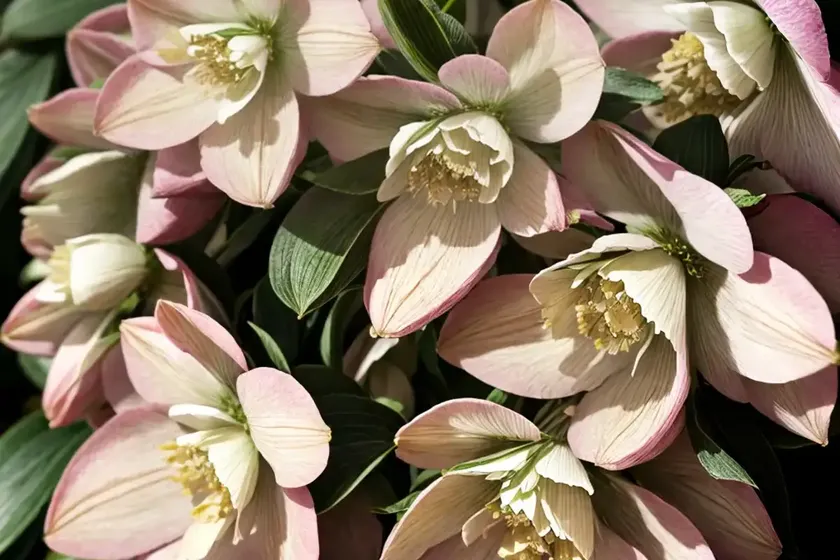
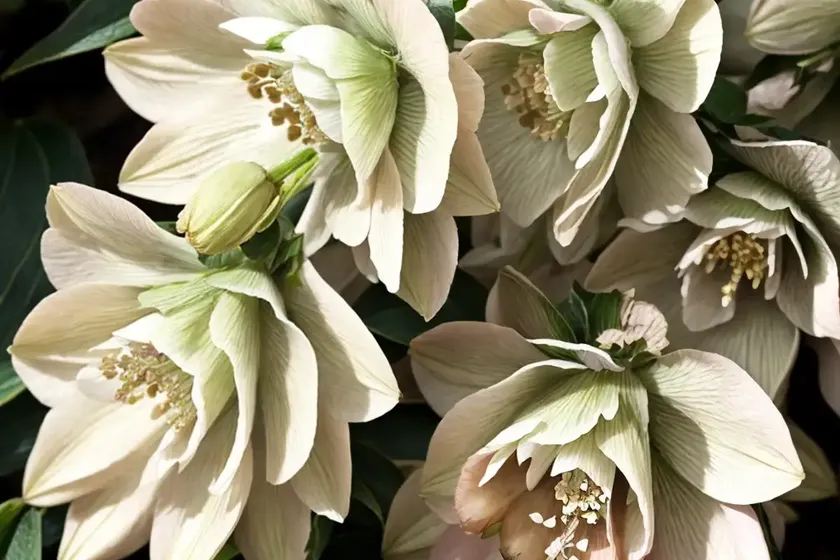
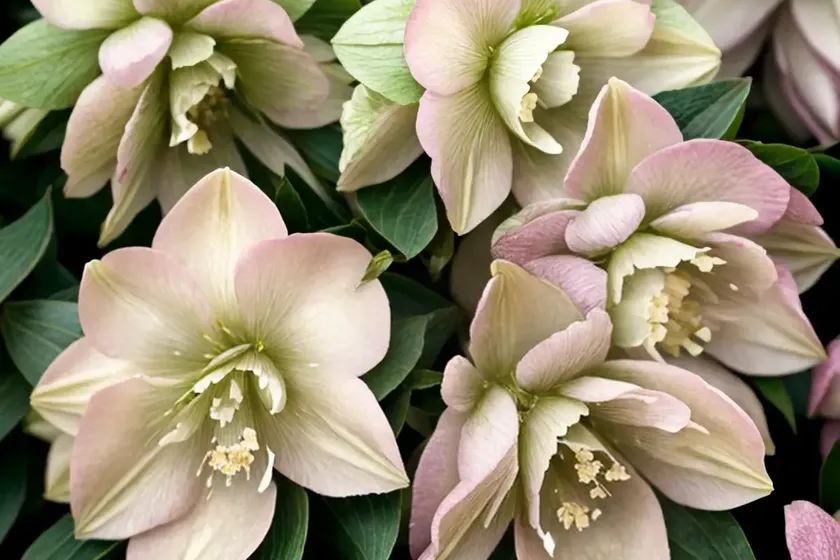
Helleborus orientalis ‘Royal Heritage’, commonly known as Hellebore, is a captivating perennial plant that is cherished for its exquisite winter flowers and its ability to thrive in shaded areas. This engaging plant is a member of the Ranunculaceae family and is native to Europe and Western Asia. The Royal Heritage Hellebore is adored for its variety of colorful blooms that add a touch of elegance to winter gardens.
What is Helleborus orientalis ‘Royal Heritage’ (Hellebore)?
The Helleborus orientalis ‘Royal Heritage’, also referred to as the Lenten Rose, is a charming evergreen perennial that blossoms during the late winter and early spring. This delightful plant typically exhibits a clumping growth habit and boasts a range of rich, jewel-toned flowers that can serve as a stunning centerpiece in any garden. Its lavish, long-lasting blooms emerge at a time when most other plants are still dormant, making it a cherished addition to any winter landscape.
Key Takeaways – Helleborus orientalis ‘Royal Heritage’ (Hellebore)
Before delving into the detailed aspects of Helleborus orientalis ‘Royal Heritage’, let’s highlight some key takeaways about this captivating plant:
- Ideal for adding color to winter gardens
- Thrives in shaded areas
- Requires minimal maintenance
- Features a wide variety of flower colors
- Suitable for both garden and container cultivation
Now, let’s explore the various elements of caring for and appreciating the beauty of the Helleborus orientalis ‘Royal Heritage’.
Culture
Uses
The Helleborus orientalis ‘Royal Heritage’ possesses various uses, making it a multi-faceted plant. Whether it is grown for its ornamental value or for its medicinal properties, the Hellebore is a versatile plant.
-
Ornamental Uses: The captivating blooms of the Helleborus orientalis ‘Royal Heritage’ make it a favored choice for ornamental garden displays. Its uniqueness lies in its capacity to bloom during the winter months when most other plants are dormant. This makes it an ideal addition to winter gardens and serves as an enchanting contrast to the subdued tones of the season.
-
Medicinal Uses: Beyond its aesthetic appeal, Hellebores have been used in traditional medicine for various purposes. It is important to note that this plant contains toxic compounds and should be handled with caution. In traditional medicine, Hellebores were used in minute doses as purgatives and cardiac stimulants, as well as in treating paralysis and gout. However, it is advisable to consult a healthcare professional before using any plant for medicinal purposes.
Water
Helleborus orientalis ‘Royal Heritage’ exhibits moderate water requirements. It is essential to maintain well-draining soil to prevent waterlogging, which can lead to root rot. Deep, infrequent watering sessions are recommended, allowing the soil to dry out slightly between waterings. During the hot summer months, it is crucial to provide adequate irrigation to ensure that the plant retains its vigor and health.
Sunlight
The Helleborus orientalis ‘Royal Heritage’ thrives in shaded areas, making it an excellent option for gardens with limited direct sunlight. Partial to full shade is ideal for this plant, as it helps to preserve the longevity of its blooms and maintain its overall health. When cultivated in regions with harsh, direct sunlight, it is advisable to provide filtered light or shade to ensure optimal growth and development.
Fertilizer
When it comes to fertilization, Helleborus orientalis ‘Royal Heritage’ does not require extensive feeding. A balanced, slow-release fertilizer applied in early spring can provide the necessary nutrients for robust growth and prolific flowering. It is important to follow the recommended application rates to prevent over-fertilization, which may harm the plant. Additionally, incorporating organic matter into the soil during planting can contribute to the plant’s long-term health and vitality.
Soil
Helleborus orientalis ‘Royal Heritage’ thrives in moist, well-draining soil with a slightly acidic to neutral pH range. A fertile, humus-rich substrate is favorable for this plant, providing the essential nutrients and moisture retention required for its optimal growth. Amending the soil with organic matter, such as compost or well-rotted manure, can enhance the soil structure and support the plant’s overall health.
Pruning
Pruning plays a vital role in maintaining the health and beauty of the Helleborus orientalis ‘Royal Heritage’. Proper pruning practices can promote vigorous growth, prevent disease, and encourage abundant flowering.
-
Flower Removal: After the Helleborus orientalis ‘Royal Heritage’ has finished flowering, it is advisable to remove the spent blooms to redirect the plant’s energy towards new growth and future flower production. This process also prevents the formation of seeds, stimulating the plant to focus on vegetative growth and enhancing its ornamental value.
-
Foliage Maintenance: As new growth emerges, it is essential to remove any damaged, diseased, or unsightly foliage to maintain the plant’s aesthetic appeal. Trimming back the older leaves can also prevent the occurrence of foliar diseases and provide a fresh appearance to the plant.
Propagation
The propagation of Helleborus orientalis ‘Royal Heritage’ can be achieved through various methods, including division, seed propagation, and tissue culture.
-
Division: Dividing mature clumps of Helleborus orientalis ‘Royal Heritage’ is a common and effective propagation method. This practice is typically carried out in early spring or early autumn when the plant is not actively flowering. The divided sections can be replanted in suitable locations, where they can establish themselves and develop into new thriving plants.
-
Seed Propagation: Growing Helleborus orientalis ‘Royal Heritage’ from seeds can be a rewarding process that allows for the creation of diverse and unique genetic variations. To initiate seed germination, it is advisable to sow fresh seeds in a well-draining, sterile growing medium and maintain optimal moisture and temperature conditions. Patience is essential in seed propagation, as Helleborus seeds may require a period of cold stratification to break dormancy and promote successful germination.
Container Popularity
The Helleborus orientalis ‘Royal Heritage’ is well-suited for container cultivation, adding a touch of elegance and vibrancy to patios, balconies, and indoor spaces. The adaptability of Hellebores to container gardening offers the opportunity to enjoy their enchanting blooms and lush foliage in various settings.
-
Container Selection: When choosing a container for Helleborus orientalis ‘Royal Heritage’, opt for a spacious, well-draining pot with adequate drainage holes to prevent waterlogging and ensure proper aeration for the roots. Selecting a container with a diameter of at least 12 inches (30 cm) provides ample space for the plant to spread its roots and thrive.
-
Potting Mix: Utilize a high-quality, well-draining potting mix with added organic matter to support the plant’s nutritional needs and moisture retention. A mix designed for acid-loving plants can provide the ideal growing environment for Helleborus orientalis ‘Royal Heritage’.
Common Diseases
Disease Diagnosis
Maintaining vigilant observation and prompt action are essential in diagnosing and managing diseases that may affect the Helleborus orientalis ‘Royal Heritage’. Key symptoms and signs of common diseases include:
-
Black Death: This disease presents as blackened, distorted foliage and stem lesions. It is crucial to remove and destroy affected plant parts to prevent the spread of the disease. Proper sanitation and ensuring adequate air circulation can aid in disease management.
-
Crown Rot: Symptoms include wilting, yellowing, or browning of foliage, often accompanied by decay at the plant’s base. Identifying and promptly removing infected sections can prevent the spread of the disease, while also promoting the plant’s recovery.
-
Leaf Spot: Characterized by the presence of circular, brown lesions on the foliage, leaf spot can impact the plant’s vigor and aesthetic appeal. Effective disease management involves removing and disposing of infected leaves, as well as practicing proper watering and spacing to mitigate disease development.
Common Pests
The Helleborus orientalis ‘Royal Heritage’ may encounter various pests that can compromise its health and ornamental value. Understanding the signs of pest infestations and implementing preventative measures is key to maintaining the plant’s well-being.
-
Aphids: These small, sap-sucking insects can colonize the undersides of leaves and tender stems, causing stunted growth and distorted foliage. Safely managing aphid populations can involve using insecticidal soap or horticultural oils to deter and control their presence.
-
Spider Mites: Spider mites are notorious for causing fine webbing on the plant and sucking the chlorophyll from its leaves, resulting in a weakened appearance and reduced vigor. Maintaining adequate humidity levels and employing natural predators, such as Ladybugs, can aid in mitigating spider mite infestations.
-
Slugs and Snails: These mollusks are attracted to the tender foliage of Helleborus orientalis ‘Royal Heritage’ and can cause extensive damage if left unchecked. Implementing physical barriers, such as copper tape or diatomaceous earth, can deter these pests and protect the plant from their feeding habits.
Botanist’s Tips
Plant Care
-
Mulching: Applying a layer of organic mulch around the base of Helleborus orientalis ‘Royal Heritage’ can provide insulation, weed suppression, and moisture retention, contributing to the overall health of the plant. It is important to avoid direct contact between the mulch and the plant’s stems to prevent potential rot and disease.
-
Seasonal Maintenance: Regularly inspecting the plant for any signs of disease, pest infestations, or nutrient deficiencies is essential to proactively address any issues that may arise. Additionally, seasonal pruning and grooming can contribute to the plant’s longevity and ornamental value.
Landscape Design
-
Companion Planting: Integrating Helleborus orientalis ‘Royal Heritage’ into mixed borders and shaded garden settings can enrich the overall aesthetic and diversity of the landscape. Pairing Hellebores with complementary plants, such as ferns, Heucheras, and Pulmonarias, can create visually captivating displays and provide ecological benefits.
-
Focal Points: Leveraging the striking blooms and elegant foliage of Helleborus orientalis ‘Royal Heritage’ as focal points in garden beds and woodland settings can create captivating visual interest and enhance the overall design of the landscape.
Fun Facts
- Hellebores have a rich history and have been cultivated for centuries due to their captivating beauty and enduring nature.
- The term “Lenten Rose” is derived from the plant’s association with the Lenten season, as it typically blooms during this period.
- Hellebores are known to be deer-resistant, contributing to their suitability for diverse garden environments.
Links to External Resources
For additional information on Helleborus orientalis ‘Royal Heritage’ and related topics, consider exploring the following resources:
- The Royal Horticultural Society (RHS) – Hellebores
- North Carolina State University Extension – Hellebores for the Home Landscape
- American Society for the Prevention of Cruelty to Animals (ASPCA) – Toxic and Non-Toxic Plants: Hellebore
- University of California, Agriculture and Natural Resources – Integrated Pest Management for Hellebores
In conclusion, Helleborus orientalis ‘Royal Heritage’ stands as a captivating and resilient perennial plant that brings vibrant colors and elegance to winter gardens and shaded landscapes. Its enduring nature, coupled with its enchanting blooms, makes it a prized addition to diverse garden settings. By understanding its cultural requirements, potential uses, and effective care practices, enthusiasts and horticulturists can appreciate the beauty and charm of this remarkable plant while fostering its well-being in various growing environments.


