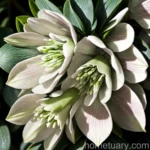
Helleborus foetidus (Stinking Hellebore): A Fascinating Plant
Helleborus foetidus, commonly known as Stinking Hellebore, is a captivating and unique plant species that belongs to the Ranunculaceae family. This perennial herbaceous plant has garnered attention for its striking appearance, cultural significance, and diverse uses. With its distinct characteristics and remarkable adaptability, it has become a favorite among gardeners, botanists, and plant enthusiasts.
In this comprehensive guide, we will delve into the world of Helleborus foetidus, exploring its culture, uses, care requirements, propagation methods, and much more. From its rich history to its ecological importance, this plant offers a myriad of intriguing facets to explore.
What is Helleborus foetidus (Stinking Hellebore)?
Helleborus foetidus, commonly known as Stinking Hellebore or Bear’s Foot, is a species of flowering plant native to Europe, particularly in the Mediterranean region and the Balkans. This evergreen perennial is renowned for its distinctive foliage, which sets it apart from other members of the Helleborus genus.
The name “Stinking Hellebore” is derived from the unpleasant odor emitted by the crushed leaves, although the plant itself is a valuable and cherished addition to gardens and natural landscapes. The unique characteristics of Helleborus foetidus make it a noteworthy inclusion in horticultural practices, ecological conservation efforts, and botanical research endeavors.
Key Takeaways – Helleborus foetidus (Stinking Hellebore)
Let’s begin our exploration of Helleborus foetidus by delving into key insights related to this intriguing plant. From its cultural significance to its optimal growing conditions, these takeaways provide a holistic overview of its characteristics and uses.
Helleborus foetidus Characteristics
- Belongs to the Ranunculaceae family
- Native to Europe, particularly the Mediterranean region and the Balkans
- Evergreen perennial with distinctive foliage
- Produces clusters of small, pendulous, greenish flowers
- Known for emitting a foul odor when leaves are crushed
Stinking Hellebore Plant Care
- Requires well-drained soil and consistent moisture
- Thrives in partial to full shade
- Suited for USDA Hardiness Zones 6-8
- Tolerant of various soil types, including chalky and loamy soils
- Low-maintenance plant with minimal pruning requirements
Helleborus foetidus Diseases
- Vulnerable to fungal diseases, such as powdery mildew and leaf spot
- Proper cultural practices and site selection can help prevent disease issues
- Regular monitoring and prompt intervention essential for disease management
Growing Stinking Hellebore
- Can be cultivated from seeds or propagated through division
- Slow-growing plant that establishes well in garden settings
- Ideal for shaded woodland gardens, borders, and rockeries
- Adds visual interest and texture to the landscape with its unique foliage
Helleborus foetidus Flowers
- Yields clusters of small, cup-shaped greenish flowers with red or purple margins
- Blooms in late winter to early spring, providing early-season interest
- Attracts pollinators, including bees, due to its early flowering period
- Offers a subtle yet enchanting floral display in garden settings
Stinking Hellebore Propagation
- Propagate through seed sowing, division, or root cuttings
- Patience required due to slow germination and growth rate from seeds
- Division recommended for expanding plantings or rejuvenating established clumps
- Root cuttings suitable for producing new plants with identical characteristics
With these key takeaways in mind, we will now examine each aspect of Helleborus foetidus in greater detail, providing insights into its culture, uses, care requirements, and more.
Culture
Uses
Helleborus foetidus boasts a range of practical and ornamental uses, making it a valuable addition to gardens, natural landscapes, and ecological habitats.
- Ornamental Landscaping: Its unique foliage and early flowering habit make Stinking Hellebore a favored choice for shaded and woodland gardens, where it contributes to visual appeal and seasonal interest.
- Naturalizing Habitats: Suitable for naturalizing in appropriate woodland and shaded areas, where it integrates seamlessly with the surrounding flora and contributes to ecological diversity.
- Medicinal Traditions: Historically associated with medicinal applications, particularly in traditional herbal remedies and folklore, although caution is advised due to its toxic properties.
- Wildlife Attraction: The early blooming flowers of Helleborus foetidus attract pollinators, providing essential nourishment for bees and other early-season insects.
- Cultural Significance: Holds cultural and symbolic significance in regional traditions and horticultural practices, enriching the tapestry of plant folklore and garden symbolism.
Given its diverse uses and cultural importance, Stinking Hellebore holds a special place in horticultural traditions and natural landscapes, serving as an emblem of resilience, beauty, and ecological interconnectedness.
Water
Proper water management is essential for the health and vitality of Helleborus foetidus. While it exhibits some level of drought tolerance once established, consistent moisture is crucial, especially during its active growth periods.
- Establishment Phase: During the initial establishment phase, ensure that the plant receives regular watering to support root development and overall vigor.
- Seasonal Moisture Needs: Monitor soil moisture levels throughout the year, adjusting watering frequency based on weather conditions and seasonal variations.
- Avoid Waterlogging: While maintaining soil moisture is important, it’s equally vital to prevent waterlogging, as excessively wet conditions can lead to root rot and other detrimental effects.
- Mulching Benefits: Applying a layer of organic mulch around the base of the plant offers insulation and moisture retention, enhancing its overall water management.
By providing adequate and consistent moisture, gardeners can ensure the optimal growth and performance of Stinking Hellebore in various garden settings.
Sunlight
Stinking Hellebore thrives in shaded and partially shaded environments, making it an ideal choice for gardens and landscapes with limited direct sunlight.
- Shade Tolerance: Demonstrate a high degree of shade tolerance, flourishing in dappled shade, partial shade, and woodland settings characterized by filtered light conditions.
- Avoid Harsh Sun Exposure: Protect the plant from prolonged exposure to intense sunlight, especially during the peak of the day, as it prefers cooler and shadier microenvironments.
- Morning Sunlight: Early morning sunlight and gentle, indirect light are generally well-tolerated, especially in regions with milder climates.
Understanding the plant’s preference for shaded conditions is crucial for creating optimal growing environments and ensuring its long-term health and vitality.
Fertilizer
Intentional and balanced fertilization can enhance the growth and performance of Helleborus foetidus, providing essential nutrients for its development and seasonal vigor.
- Organic Amendments: Incorporate organic matter, such as well-rotted compost or leaf mold, into the soil to enrich its fertility and improve overall soil structure.
- Fertilizer Application: Apply a balanced, slow-release fertilizer in early spring, prior to the onset of new growth, to provide a sustained nutrient supply throughout the growing season.
- Avoid Excessive Nitrogen: Exercise caution with nitrogen-rich fertilizers, as excessive nitrogen can lead to excessive foliage growth at the expense of flowering and overall plant balance.
- Monitoring Nutrient Levels: Regularly monitor the plant’s response to fertilization, adjusting application rates and timing based on observed growth and overall health.
By adopting a balanced and mindful approach to fertilization, gardeners can support the vitality and longevity of Stinking Hellebore in garden settings.
Soil
Understanding the soil preferences of Helleborus foetidus is essential for creating a hospitable and conducive growing environment, allowing it to thrive and express its true ornamental potential.
- Well-Drained Soil: Requires well-drained soil to prevent waterlogging, especially during periods of high rainfall or excessive moisture.
- Moisture Retention: Incorporate organic matter into the soil to improve its moisture retention capacity, ensuring consistent moisture without sacrificing aeration.
- Soil pH: Tolerant of a range of soil pH levels, although it typically thrives in slightly alkaline to neutral soils (pH 6.5-7.5).
- Soil Composition: Suited for various soil types, including loamy, chalky, and sandy soils, provided that they offer adequate drainage and moderate fertility.
By assessing and addressing soil characteristics in garden settings, gardeners can establish an optimal foundation for the growth and development of Stinking Hellebore, promoting its overall health and ornamental value.
Pruning
Pruning plays a minimal yet significant role in maintaining the form, health, and ornamental appeal of Helleborus foetidus, ensuring that it remains an attractive and well-structured presence in garden landscapes.
- Remove Old Foliage: Cut back and remove old and damaged foliage in late winter or early spring to make way for new growth and to enhance visual tidiness.
- Minimal Intervention: Exercise restraint when pruning, as the plant’s natural form and foliage should be preserved to maintain its unique charm and visual character.
- Cleaning Debris: Regularly clean the area around the plant to remove fallen leaves, spent flowers, and debris that may accumulate, promoting a tidy and well-maintained appearance.
- Pruning Caution: Exercise caution when handling the plant, as all parts of Helleborus foetidus are toxic if ingested and can cause skin irritation in some individuals.
By observing prudent pruning practices, gardeners can ensure that Stinking Hellebore retains its natural beauty and contributes to the overall aesthetic appeal of garden spaces.
Propagation
Exploring the propagation methods for Helleborus foetidus offers insights into expanding its presence, establishing new plantings, and preserving its genetic diversity in horticultural settings.
- Seed Propagation: Collect mature seeds and sow them in a suitable growing medium, providing warmth, moisture, and darkness to encourage germination and early growth.
- Division: Divide established clumps of Helleborus foetidus in early spring or early fall, ensuring that each divided section possesses viable roots and growing points for successful further establishment.
- Root Cuttings: Utilize root cuttings to propagate new plants, carefully selecting healthy and vigorous segments from the parent plant and fostering their growth in controlled conditions.
- Patience and Precision: Exercise patience and precision when propagating Stinking Hellebore, as its slow growth rate and establishment process require careful attention and nurturing.
By embracing a thoughtful and deliberate approach to propagation, gardeners can expand the presence of Helleborus foetidus, celebrating its distinctive characteristics and contributions to garden landscapes.
Container Popularity
The allure of Helleborus foetidus extends into the realm of container gardening, where its unique foliage and seasonal interest offer captivating experiences for enthusiasts and gardeners seeking to cultivate ornamental displays in confined spaces.
- Ornamental Containers: Planted in decorative containers, Stinking Hellebore serves as a focal point or captivating accent in patios, balconies, and enclosed garden spaces.
- Seasonal Highlights: Its early flowering habit and evergreen foliage provide seasonal highlights in container displays, adding visual interest and natural charm to confined environments.
- Shaded Environments: Suited for container gardening in shaded and partially shaded locations, where its shade-tolerant nature thrives and expresses its ornamental appeal.
- Minimal Maintenance: As a low-maintenance plant, Helleborus foetidus is well-suited for container gardening, requiring minimal care and attention to maintain its vitality and aesthetic allure.
Through container gardening, enthusiasts can celebrate the captivating beauty and ornamental charm of Stinking Hellebore, integrating it into diverse garden spaces and lifestyles.
Common Diseases
While generally resilient, Helleborus foetidus is susceptible to certain diseases that can impact its health and ornamental value. By understanding these potential challenges, gardeners can adopt proactive measures to safeguard the plant’s well-being.
Disease Diagnosis
- Powdery Mildew: Characterized by the development of white, powdery fungal growth on the foliage, leading to diminished vigor and aesthetic depreciation.
- Leaf Spot: Manifests as circular or irregularly shaped spots on the leaves, often accompanied by discoloration and defoliation, compromising the overall health and appearance of the plant.
- Proactive Monitoring: Regularly inspect the plant for signs of fungal diseases, intervening promptly to prevent widespread infections and mitigate their impact on Helleborus foetidus.
By learning to recognize and address common diseases, gardeners can uphold the vitality and longevity of Stinking Hellebore, ensuring that it continues to thrive in garden settings.
Common Pests
In addition to potential disease challenges, Stinking Hellebore may encounter pest-related issues that require vigilance and proactive management to mitigate their impact on the plant’s health and ornamental value.
- Aphids: Small, sap-sucking insects that may cluster on the foliage, leading to distorted growth, yellowing leaves, and overall diminished vitality.
- Slugs and Snails: These mollusks can cause damage to the foliage and flowers of Helleborus foetidus, necessitating protective measures to prevent their feeding activities.
By monitoring for and addressing potential pest issues, gardeners can cultivate a resilient and thriving presence of Stinking Hellebore in garden landscapes, preserving its ornamental allure and natural vitality.
Botanist’s Tips
To enhance the cultivation and appreciation of Helleborus foetidus, botanists and plant enthusiasts offer valuable tips and insights that can enrich the experience of growing and enjoying this remarkable plant species.
- Seasonal Observations: Take note of the plant’s behavior throughout the seasons, from the emergence of new growth to the development of flowers and subsequent foliage maturation.
- Ecological Context: Consider the ecological role of Stinking Hellebore, including its potential contributions to local wildlife and its interaction with companion plants and neighboring flora.
- Cultural Traditions: Explore the cultural and historical significance of the plant, reflecting on its folklore, traditional uses, and representations in art and literature.
By embracing these botanist’s tips, gardeners can deepen their understanding and connection with Helleborus foetidus, fostering a more profound appreciation for its unique characteristics and contributions to garden ecosystems.
Fun Facts
Discovering intriguing and unexpected aspects of Stinking Hellebore adds an element of fascination and delight to its cultivation and appreciation, providing insights into its rich heritage and botanical allure.
- Historical Medicinal Uses: Historically associated with medicinal applications, although caution is advised due to its toxic properties.
- Longevity and Resilience: Exhibits remarkable longevity and resilience, enduring in garden settings for many years when provided with suitable conditions.
- Cultural Symbolism: Holds symbolic significance in regional traditions and horticultural practices, weaving stories of resilience, renewal, and natural wonder.
By uncovering these fun facts, gardeners can cultivate a deeper connection with Helleborus foetidus, embracing its rich heritage and enchanting characteristics.
Links to External Resources
For further exploration and detailed insights into Helleborus foetidus, the following external resources offer valuable information and perspectives to enhance the understanding and cultivation of this remarkable plant:
- Royal Horticultural Society – Helleborus foetidus
- Missouri Botanical Garden – Helleborus foetidus
- North Carolina State University – Helleborus foetidus
- American Horticultural Society – Helleborus foetidus Cultivation Guide
- University of California Integrated Pest Management – Helleborus foetidus Pest Management Guidelines
These external resources serve as valuable references and guides for those seeking comprehensive information and perspectives on Stinking Hellebore, enriching the cultivation and appreciation of this unique plant species.
In conclusion, Helleborus foetidus, or Stinking Hellebore, embodies a blend of captivating characteristics, cultural significance, and ornamental allure that continue to captivate and inspire plant enthusiasts and gardeners worldwide. By delving into its culture, uses, care requirements, and ecological contributions, we gain a deeper appreciation for the remarkable presence of this evergreen perennial in garden landscapes and natural habitats. Whether celebrated for its early flowering display, unique foliage, or medicinal traditions, Stinking Hellebore holds a place of distinction, enriching the beauty and vitality of garden ecosystems and inspiring a deeper connection with the natural world.
As we continue to explore and celebrate the biodiversity of the plant kingdom, Helleborus foetidus stands as a testament to the enduring allure and wonder of botanical diversity, offering a unique and enchanting presence among our gardens, landscapes, and horticultural traditions.