Plant Scientist’s Guide to Daylily (Hemerocallis ‘Heron’)
Introduction
In the world of gardening and landscaping, daylilies stand out as one of the most beloved and widely cultivated plants. With the scientific name Hemerocallis and the charming cultivar ‘Heron’, this perennial plant offers an array of stunning blooms, easy-care features, and versatile uses. In this comprehensive guide, we will explore the diverse facets of daylily (Hemerocallis ‘Heron’) – from its cultural requirements to its common uses and landscaping possibilities.
What is Daylily (Hemerocallis ‘Heron’)?
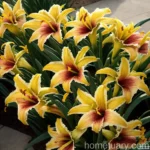
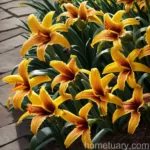
Daylily (Hemerocallis ‘Heron’) is a perennial plant prized for its vibrant, trumpet-shaped flowers and resilient nature. Belonging to the Hemerocallidaceae family, daylilies are known for their reliable performance, adaptability to various growing conditions, and the wide array of flower forms, colors, and sizes available in different cultivars.
Key Takeaways – Daylily (Hemerocallis ‘Heron’)
Before delving into the specifics of daylily (Hemerocallis ‘Heron’), let’s outline the key takeaways about this plant. Here are some essential aspects to keep in mind:
- Scientific Name: Hemerocallis ‘Heron’
- Plant Type: Perennial
- Common Name: Daylily
- Primary Uses: Ornamental, landscaping, cut flowers
- Sunlight Requirements: Full sun to partial shade
- Watering Needs: Moderate
- Soil Type: Well-draining, fertile soil
- Hardiness Zone: 3-9 (may vary with cultivar)
- Growth Habit: Clumping, herbaceous
- Bloom Period: Summer to early fall
- Height: 1-4 feet, depending on cultivar
- Fun Fact: Each daylily bloom typically lasts only for one day, but the plant produces multiple flowers over an extended period.
Now, let’s explore the various facets of daylily (Hemerocallis ‘Heron’) in detail.
Culture of Daylily (Hemerocallis ‘Heron’)
Cultivating daylilies successfully requires an understanding of their cultural requirements, including water, sunlight, soil, and fertilization. With the right care, daylily ‘Heron’ can thrive and produce spectacular blooms.
Uses
Daylily (Hemerocallis ‘Heron’) holds multiple uses, making it a versatile and popular choice for gardeners and landscape designers alike. Some common uses of daylilies include:
- Ornamental Gardening: Daylilies are prized for their ornamental value, adding splashes of color and texture to garden beds, borders, and containers.
- Cut Flowers: The vibrant blooms of daylilies make stunning additions to floral arrangements, providing long-lasting beauty in bouquets and indoor displays.
- Landscaping: Daylilies are often used in landscaping for their low maintenance, erosion control, and ability to attract pollinators such as bees and butterflies.
- Culinary Uses: Some daylily varieties are edible, with their buds and flowers being utilized in culinary creations. However, it’s crucial to ensure the edibility and safety of the specific cultivar before consuming any part of the plant.
Water
Providing the right amount of water is crucial for the health and vigor of daylily (Hemerocallis ‘Heron’). While daylilies are relatively drought-tolerant once established, they benefit from regular watering during dry spells, especially to support robust flowering.
- Watering Guidelines: Water daylilies deeply and infrequently, ensuring that the soil remains evenly moist but not waterlogged. Aim to provide about 1 inch of water per week, either through rainfall or manual irrigation.
- Mulching: Applying a layer of organic mulch around daylilies helps conserve soil moisture, suppresses weeds, and regulates soil temperature.
Sunlight
Daylilies exhibit impressive adaptability to varying light conditions, thriving in both full sun and partial shade. Understanding the sunlight requirements of daylily ‘Heron’ is crucial for optimizing its growth and flowering potential.
- Full Sun: Daylilies perform best when provided with at least 6-8 hours of direct sunlight per day, resulting in vigorous growth and profuse blooming.
- Partial Shade: While daylilies tolerate partial shade, they may produce fewer flowers and display slightly elongated growth under reduced sunlight. However, they remain resilient and adaptable in such conditions.
Fertilizer
Feeding daylilies with appropriate fertilizers supports their overall health, promotes robust flowering, and encourages vigorous foliage growth. Understanding the timing and type of fertilization is paramount for maximizing the beauty of daylily (Hemerocallis ‘Heron’).
- Fertilization Schedule: Apply a balanced, slow-release fertilizer in spring as new growth emerges, and again after the first bloom cycle to support continued flowering.
- Fertilizer Analysis: Look for a fertilizer with a balanced ratio of nitrogen, phosphorus, and potassium, such as a 10-10-10 or 20-20-20 formulation.
- Application Tips: Sprinkle the fertilizer evenly around the base of the plants, following the manufacturer’s instructions for the specific product used.
Soil
The soil requirements of daylily ‘Heron’ play a pivotal role in its growth and flowering performance. Well-draining, fertile soil provides an ideal foundation for healthy daylily plants.
- Soil Type: Daylilies thrive in loamy, well-draining soil with a slightly acidic to neutral pH (6.0-7.0).
- Soil Amendments: Incorporate organic matter such as compost or well-rotted manure into the soil prior to planting to enrich its texture and fertility.
- Soil Moisture: Avoid waterlogged or overly compacted soil, as it can lead to root rot and other moisture-related issues. Adequate drainage is essential for the health of daylilies.
Pruning of Daylily (Hemerocallis ‘Heron’)
Pruning or deadheading daylily (Hemerocallis ‘Heron’) involves the removal of spent flowers and old foliage, contributing to a tidy appearance and encouraging continuous flowering.
- Deadheading: Regularly remove faded blooms by snipping the flower stalk at its base, promoting the production of new buds and extending the flowering period.
- Foliage Maintenance: Trim back any yellowing or tattered leaves to improve the plant’s aesthetic appeal and overall vigor.
Propagation of Daylily (Hemerocallis ‘Heron’)
Propagating daylilies allows gardeners to expand their collection or share the beauty of these plants with others. Several methods can be employed to propagate daylilies successfully.
- Division: Division is the primary method for propagating daylilies, typically performed in early spring or late summer. Gently separate the clumps of daylilies, ensuring that each division has healthy roots and foliage before replanting.
- Seed Propagation: While daylilies can be grown from seeds, it’s important to note that the resulting plants may not resemble the parent plant, as daylilies are known for their genetic variability.
Container Gardening with Daylily (Hemerocallis ‘Heron’)
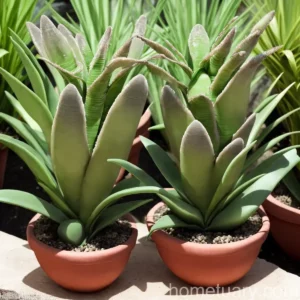
Daylilies can thrive in containers, adding vibrant splashes of color to balconies, patios, or other compact outdoor spaces.
- Container Selection: Choose a spacious container with adequate drainage holes to accommodate the robust root system of daylilies.
- Potting Mix: Use a well-draining potting mix enriched with organic matter, ensuring proper aeration and moisture retention.
- Watering: Container-grown daylilies may require more frequent watering than those planted in the ground, as the soil in pots tends to dry out more quickly.
Popularity of Daylily (Hemerocallis ‘Heron’)
The popularity of daylilies, including the cultivar ‘Heron’, spans across the globe, with gardeners and landscapers drawn to the plant’s captivating blooms, low-maintenance attributes, and landscape versatility.
Common Diseases and Pests
Daylilies, including the ‘Heron’ cultivar, are generally robust and resistant to many pests and diseases. However, a few issues may occasionally affect their health and appearance.
Disease Diagnosis
Common diseases that may impact daylilies include:
- Root Rot: Excessive soil moisture and poor drainage can lead to root rot in daylilies, causing wilting, yellowing, and eventual collapse of the plant.
- Rust: Rust is a fungal disease that manifests as orange or brown pustules on the leaves, often leading to defoliation and reduced vigor.
- Leaf Streak: Leaf streak, caused by fungi, presents as elongated, brown lesions on the leaves, potentially affecting the overall appearance of the plant.
Common Pests
Potential pests that may trouble daylilies include:
- Aphids: These small, sap-sucking insects can cluster on new growth, causing distortion and yellowing of foliage.
- Thrips: Thrips may feed on daylily flowers, leading to browning, distortion, and premature fading of blooms.
- Spider Mites: These tiny arachnids can cause stippling and discoloration of leaves, particularly in hot, dry conditions.
Botanist’s Tips for Growing Daylily (Hemerocallis ‘Heron’)
As a plant scientist, I always ensure to share practical and effective tips for growing daylilies successfully. Here are some valuable insights:
- Mulching Benefits: Mulch not only conserves soil moisture and suppresses weeds but also insulates the root system, protecting it from temperature extremes.
- Regular Inspection: Routinely inspect daylilies for signs of pests, diseases, or cultural issues, addressing any concerns promptly to maintain plant health.
- Proper Spacing: When planting daylilies, provide adequate spacing between the plants to allow for good air circulation, which can help prevent fungal diseases.
Fun Facts about Daylily (Hemerocallis ‘Heron’)
Learning interesting facts about daylilies, especially the ‘Heron’ cultivar, adds to the allure of this beloved plant. Here are a few fun tidbits:
- Edible Blooms: Some daylily flowers are edible and are used in culinary dishes, with the buds and petals adding an exotic touch to salads and other preparations.
- Bloom Variability: Each daylily bloom lasts only for a day, but the plant produces multiple flowers on each scape, ensuring a protracted display of colorful blooms.
- Hybrid Diversity: Daylilies are known for their vast array of hybrid varieties, resulting in an impressive spectrum of flower colors, sizes, and forms.
Links to External Resources
To further enrich your understanding of daylily (Hemerocallis ‘Heron’) and its cultivation, here are some valuable external resources:
In conclusion, the daylily (Hemerocallis ‘Heron’) stands as a captivating and adaptable plant, offering a myriad of possibilities for both garden and landscape settings. By embracing the cultural guidelines, using the plant wisely, and appreciating its beauty, enthusiasts can experience the rewarding nature of growing daylilies, creating stunning displays and contributing to the allure of outdoor spaces. Whether adorning garden borders or brightening up container gardens, daylilies continue to enthrall and inspire with their enchanting blooms and resilient nature.